
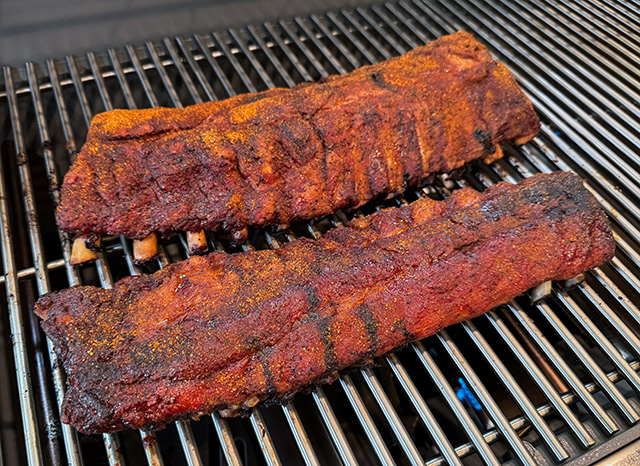
Cook ribs low and slow over indirect heat, wrap to tenderize, then finish over direct heat for glaze.
I’ve grilled hundreds of racks and taught backyard cooks how to bbq ribs on a gas grill with reliable results. This guide walks you through choosing ribs, prepping a rub, setting up indirect heat, the low-and-slow cook, wrapping, saucing, and finishing tips so you can make tender, smoky ribs on a gas grill every time. Read on for step-by-step instruction, real-life tips I learned by trial and error, and troubleshooting so your next rib night is a hit.
:max_bytes(150000):strip_icc()/barbecue-ribs-on-a-gas-grill-color-335815-V2-44ae054196bd49e9af78f7ff7c1dc173.png)
What you need: gear, ingredients, and setup
Start with solid gear. You do not need a smoker to learn how to bbq ribs on a gas grill, but a few tools help.
- Two-burner or three-burner gas grill for indirect zones.
- A reliable instant-read meat thermometer for accuracy.
- A small aluminum drip pan and heavy-duty foil.
- Tongs and a basting brush for finishing.
- Racks of pork spareribs or baby back ribs, your choice.
Buy fresh ribs with good color and uniform thickness. Baby back ribs cook faster and are leaner. Spareribs have more fat and give richer flavor. When you plan how to bbq ribs on a gas grill, pick ribs that match the time you have. If you are new, start with baby backs; they are forgiving. My first racks were overcooked because I rushed the heat. I learned to trust the thermometer and the slow approach.

Choosing the right ribs
Choose ribs that fit your grill and your taste. Inspect the meat for even thickness and no strong odor.
- Baby back ribs: tender, lean, cook in 2 to 3 hours.
- Spareribs: meatier, need 3 to 4 hours for low-and-slow.
- St. Louis cut: trimmed spareribs with a nice rectangular shape.
Plan how many racks. A standard rack serves 2 to 3 people. Trim the membrane from the bone side for better texture and rub penetration. Removing the membrane is a small step that improves results when you learn how to bbq ribs on a gas grill.
Dry rubs, marinades, and prep
A simple rub creates a great bark and flavor. The goal is to enhance, not hide, the pork.
- Basic rub: brown sugar, kosher salt, black pepper, paprika, garlic powder, onion powder, and a touch of cayenne.
- Apply the rub at least 30 minutes before cooking, or overnight in the fridge for deeper flavor.
- Let ribs sit to come close to room temperature for 20 to 30 minutes before cooking.
Avoid soaking ribs in watery marinades if planning to smoke or grill. Dry rubs stick better and form a crust. When learning how to bbq ribs on a gas grill, I often prep rubs the night before. This saves time and creates a more even flavor.
Setting up the gas grill for indirect heat
The key to how to bbq ribs on a gas grill is controlling heat. You want steady, low temperatures and indirect heat.
- Clean the grates and light only one or two burners to create a cool zone.
- Place a drip pan under the cool zone to catch juices and prevent flare-ups.
- Preheat the grill to 225°F to 275°F. Use the thermometer to confirm temps.
If your grill runs hot, lower the temp by reducing the flame and opening vents if available. For three-burner grills, light outer burners and place ribs over the center unlit burner. This indirect method mimics a smoker and prevents burning.
Step-by-step: how to bbq ribs on a gas grill (low-and-slow method)
Follow these steps to cook ribs reliably.
- Prep ribs: remove membrane, trim excess fat, apply rub.
- Set grill: create a 225°F to 275°F indirect zone with drip pan.
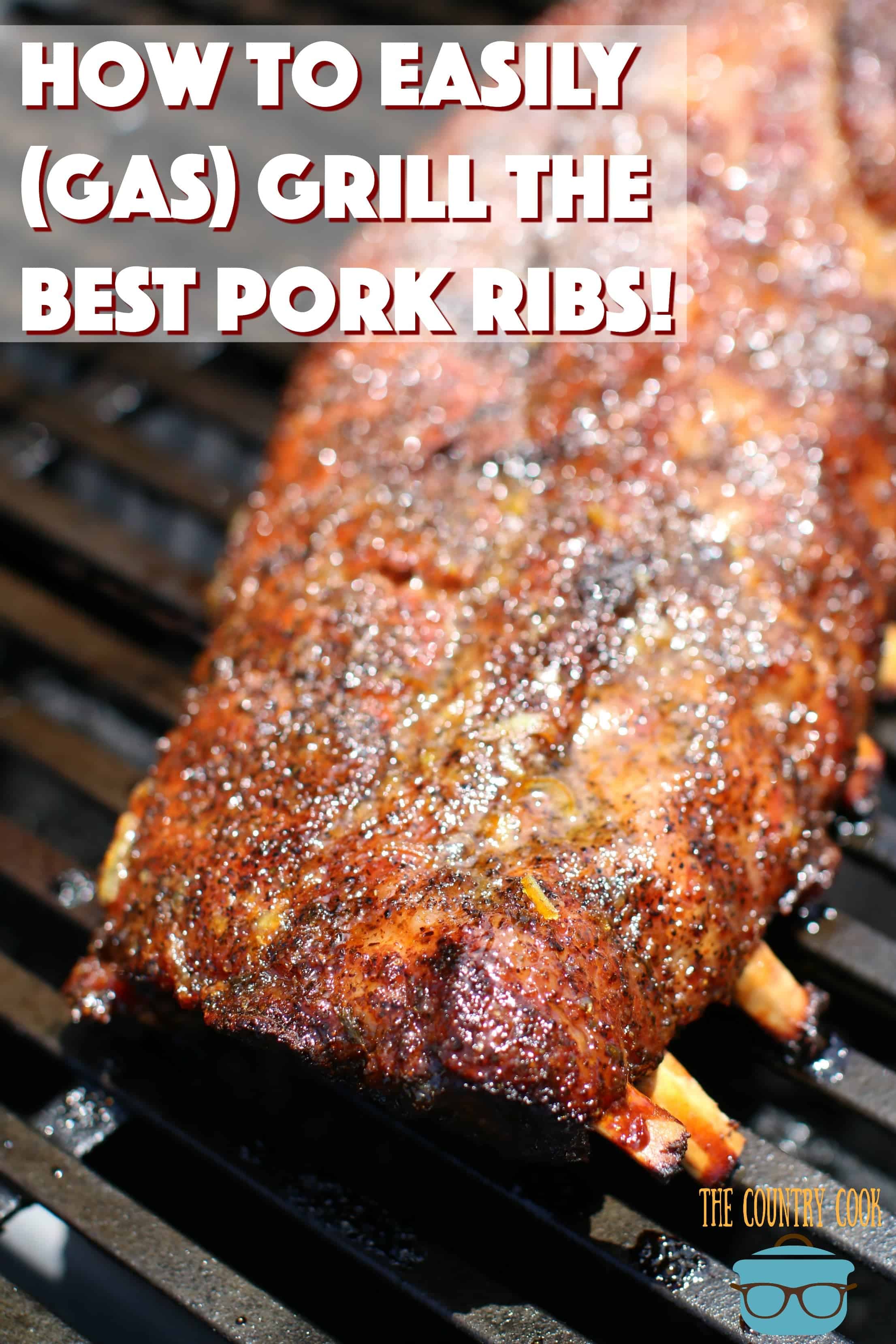
- Place ribs bone side down over the cool zone. Close lid.
- Cook for 2 to 3 hours for baby backs, 3 to 4 hours for spareribs.
- Check tenderness after 2 hours by probing between bones with a toothpick.
- If ribs are still firm, wrap in foil with a splash of apple juice or butter and return to grill for 30 to 60 minutes.
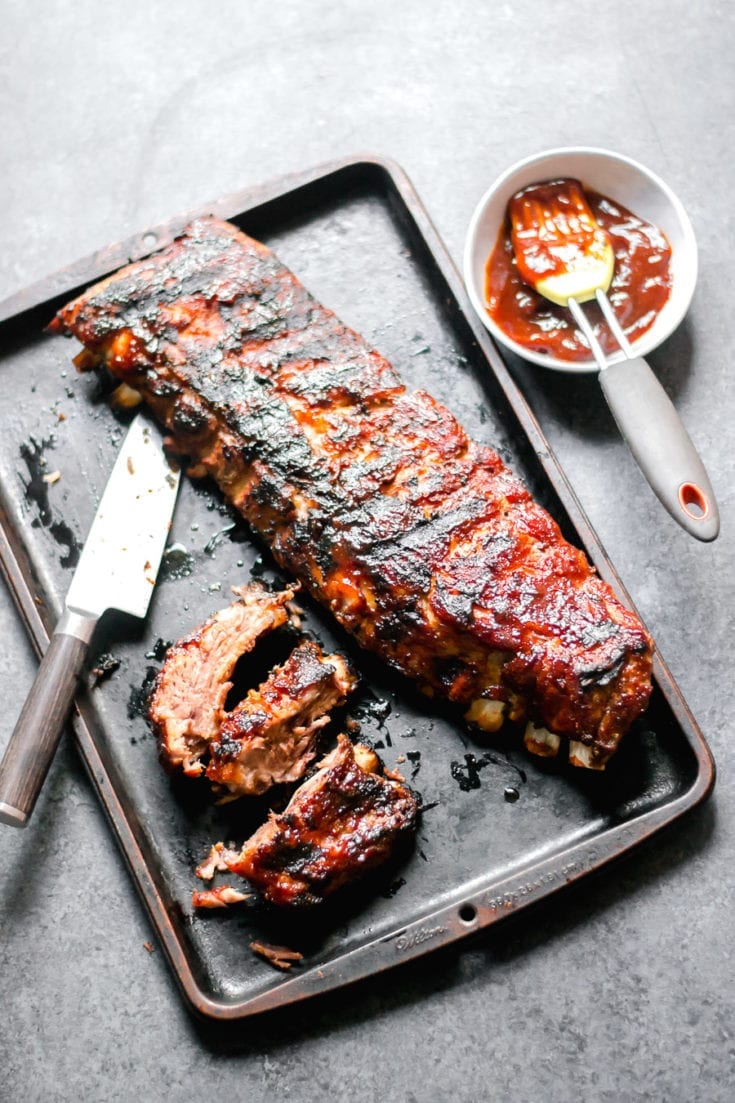
- Unwrap and finish over direct medium heat for 5 to 10 minutes while brushing sauce.
This approach shows how to bbq ribs on a gas grill without guessing. I learned to use foil wraps after one failed rack that dried out. The rest step inside the foil rescued them and gave consistent tenderness.
:max_bytes(150000):strip_icc()/7873003-14f799fec9a34e4a9a4c5f5db45f4ccd.jpg)
The Texas crutch: wrapping and finishing
Wrapping, or the Texas crutch, helps tenderize meat faster and retain moisture.
- Wrap ribs tightly in heavy foil when they reach a firm bite level, usually 2 hours in.
- Add a small splash of liquid like apple juice, beer, or a butter-sugar mix before sealing.
- Return wrapped ribs to the grill for 30 to 60 minutes until tender.
After unwrapping, move ribs to direct heat and baste with sauce. Watch carefully to avoid burning sugar in the sauce. Use this method when learning how to bbq ribs on a gas grill to get tender meat without over-smoking.

Saucing, glazing, and rest
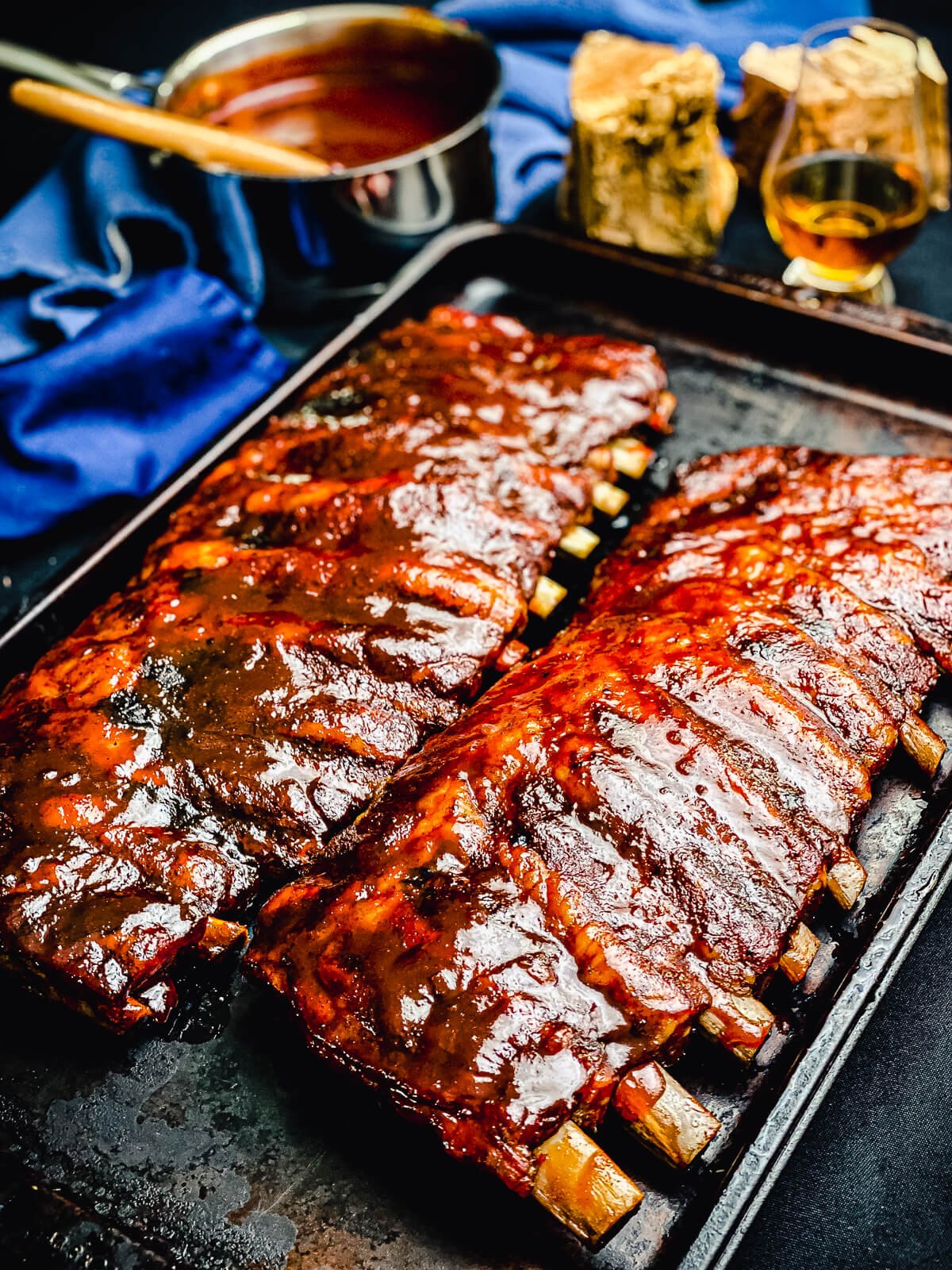
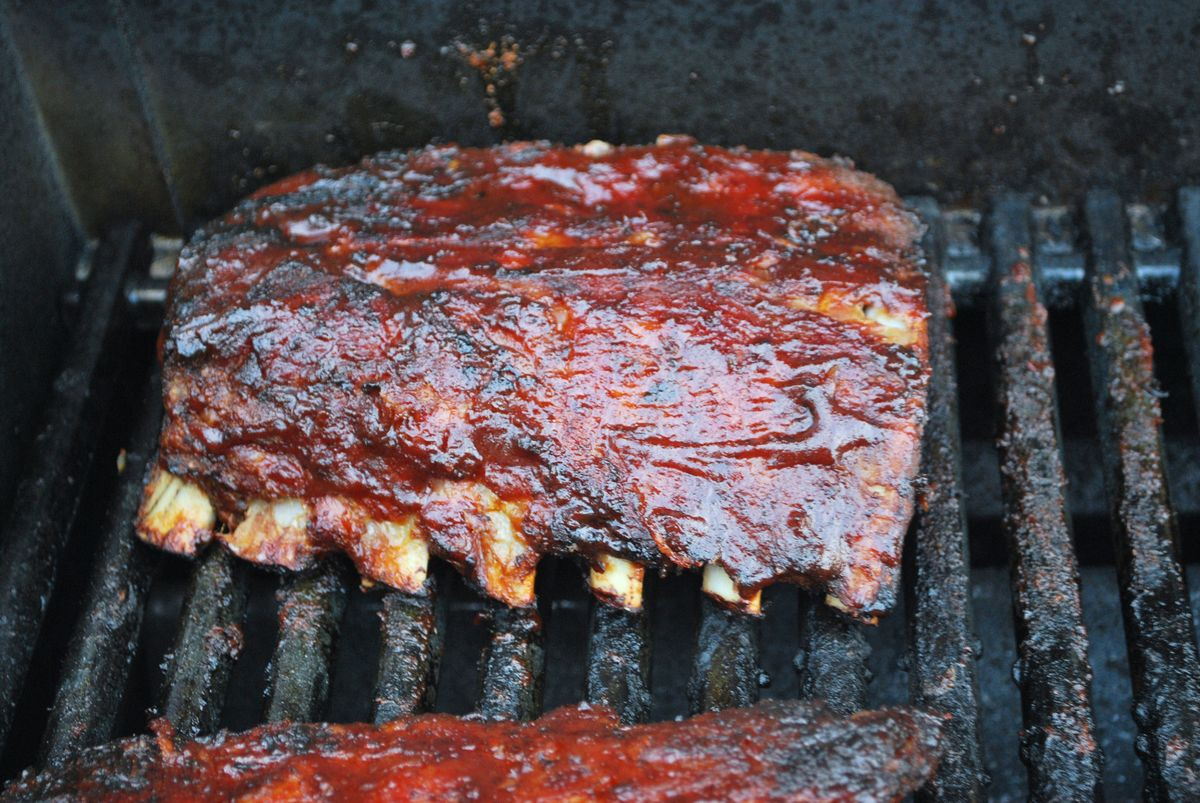
Apply sauce late for the best glaze and to avoid burnt sugars.
- Start saucing in the last 10 minutes of cooking.
- Use thin layers and build up two to three coats.
- For a shiny glaze, finish with a quick direct-heat sear, watching closely.
Let ribs rest for 10 minutes after grilling. Rest helps juices redistribute and makes slicing easier. When you practice how to bbq ribs on a gas grill, I recommend cutting into one rack immediately to check texture and adjust timing for future cooks.
Troubleshooting common problems
Failing to plan causes most issues. Here are fixes for common problems when you learn how to bbq ribs on a gas grill.
- Dry ribs: lower grill temp, wrap earlier, add liquid in the foil.
- Tough ribs: cook longer at low temp until probe feels like soft cartilage.
- Burnt sauce: apply sauce later and reduce direct-heat finish time.
- Uneven cook: rotate racks and monitor hot spots with an oven thermometer.
I had a grill with a hot spot that charred one rack. I solved it by mapping temperatures across the grate and rotating racks regularly. Mapping helps when you want to learn how to bbq ribs on a gas grill precisely.

Flavor variations and smoke options
You can add smoke flavor on a gas grill without a smoker box.
- Use wood chips in a smoker box or foil packet placed over the flames.
- Soak chips for 30 minutes for steady smoke; add chips at the start and when you wrap.
- Try apple, hickory, or cherry for different profiles.
Experiment with rubs and glazes like mustard-based, vinegar-based, or sweet molasses for variety. Learning how to bbq ribs on a gas grill includes exploring flavors that match your palate.
Health and safety tips
Safe handling keeps your ribs both tasty and safe to eat.
- Keep raw ribs cold until you start prep.
- Wash hands and utensils after handling raw meat.
- Cook pork to an internal temp of 145°F for safety, but ribs need higher time-based tenderness for the best texture.
- Use a thermometer to check doneness by feel and temp.
I always keep a spray bottle of water for flare-ups. Safety helped prevent a flare-up that once singed a rack during a busy cook.
Frequently Asked Questions of how to bbq ribs on a gas grill
How long does it take to cook ribs on a gas grill?
Cooking time varies by rib type and temperature. Expect 2 to 3 hours for baby backs and 3 to 4 hours for spareribs at 225°F to 275°F.
Should I wrap ribs in foil when grilling?
Wrapping helps speed tenderizing and retain moisture. Wrap when ribs reach a firm stage, then finish unwrapped for glaze.
Do I need wood chips to flavor ribs on a gas grill?
You do not need wood chips, but they add smoke flavor. Use a smoker box or foil packet with chips placed over the flame for 30 to 60 minutes.
What temperature should I grill ribs on a gas grill?
Maintain a steady 225°F to 275°F for indirect cooking. This low-and-slow range gives the best tenderness.
How do I know when ribs are done?
Ribs are done when meat pulls back from bones and a probe slides between bones with little resistance. Time guides help, but texture is the best test.
Conclusion
Mastering how to bbq ribs on a gas grill is about control, patience, and a few simple techniques. Start with good ribs, use a reliable rub, set up indirect heat, cook low and slow, wrap for tenderness, and finish with sauce for a glossy crust. Try the steps above, take notes on timing and temp for your grill, and tweak flavors to match your taste. Now fire up your grill, put these tips to work, and share your favorite rib story in the comments or subscribe for more grill guides.