
Clean grates with a hot brush, warm soapy water, and occasional deep scrubs for lasting performance.
I’ve cleaned dozens of grills and tested methods that really work. This guide explains how to clean Weber gas grill grates step by step. I blend hands-on tips, safe products, and simple routines so your Weber performs and lasts. Read on to learn practical, proven ways to clean Weber gas grill grates and keep your barbecue tasting great.

Why clean your Weber gas grill grates?
Dirty grates ruin flavor and shorten grill life. Grease and carbon build up fast. That leads to flare-ups, uneven heat, and stuck food. Cleaning grates improves flavor and safety. It also helps the grill last longer and saves money on replacements.
When to clean your Weber gas grill grates
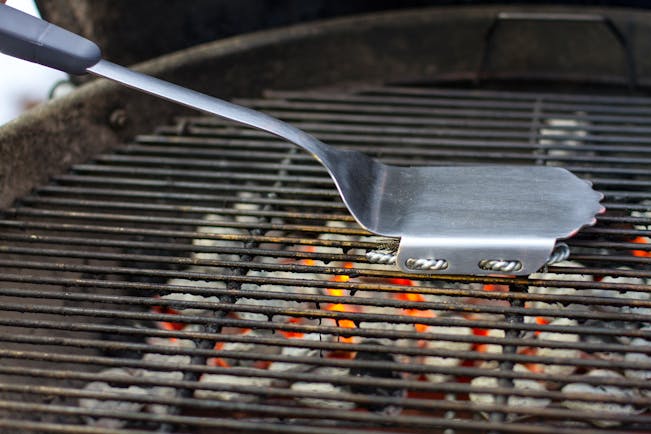
Clean after every cook for best results. Do a quick brush while the grill is hot. Deep clean once a month or after heavy use. Clean before long storage to prevent rust and pests. Timing depends on how often you grill.
Tools and materials you’ll need
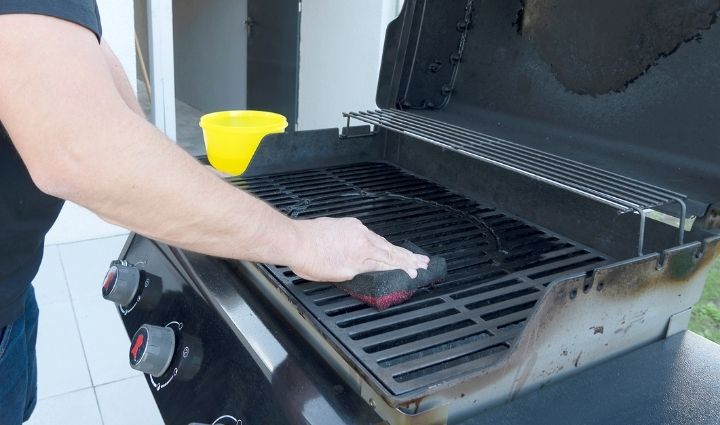
Choose tools that match your Weber’s grate type. Most Weber gas grill grates are stainless steel or porcelain-coated cast iron.
- Grill brush with brass or stainless bristles for stainless steel grates
- Nylon brush for porcelain-coated grates
- Warm water and mild dish soap
- Baking soda or vinegar for stubborn grease
- Spray bottle for easy application
- Microfiber cloth or rag for wiping
- Rubber gloves to protect hands
- Bucket for soaking removable parts
- Putty knife or grill scraper for heavy buildup
Step-by-step: quick clean after every cook
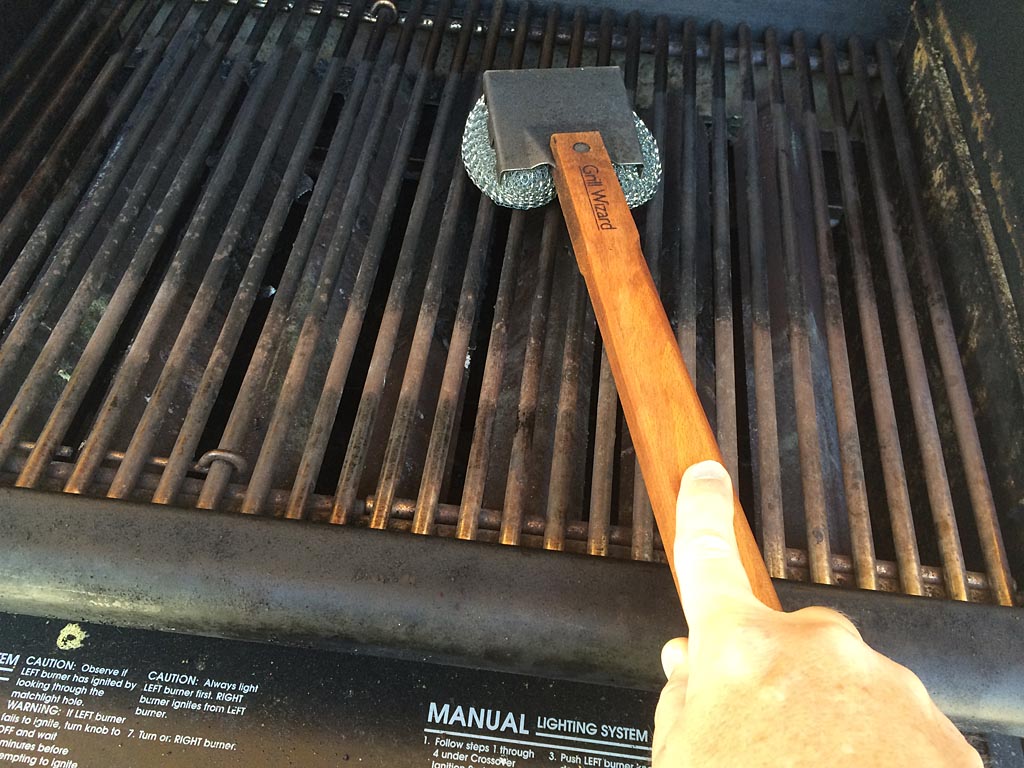
This quick routine keeps grates clean and prevents hard buildup.
- Preheat the grill on high for 10 minutes to burn off food.
- Turn off burners and use a grill brush to scrape grates while warm.
- Wipe with a damp cloth or paper towel to remove ash and residue.
- If needed, spray a little water and brush again to lift grease.
- Re-oil grates lightly with cooking oil to reduce sticking.
These steps take five to ten minutes and make deep cleaning easier. Doing this after each use is the best habit. It greatly reduces how often you must do heavy scrubs.
Deep cleaning for stubborn buildup
When quick cleaning isn’t enough, do a deep clean. This is essential for older grease and carbon.
- Remove grates and heat deflectors. Note placement for reassembly.
- Soak grates in a bucket with warm water and dish soap for 30–60 minutes.
- Scrub with a nylon brush for porcelain or a brass brush for stainless steel.
- For tough spots, sprinkle baking soda, add a little water to form paste, and scrub.
- Rinse thoroughly and dry to prevent rust.
- Reassemble and heat the grill for 10 minutes to burn off any soap residue.
I once let a Weber sit all winter. The deep clean brought it back fast. Patience during soaking pays off.
 cleaners and what to avoid”
style=”max-width: 100%; height: auto; border: 2px solid black; border-radius: 10px; display: block; margin: 0 auto;”
loading=”lazy”
/>
Safe cleaners and what to avoid
Use mild cleaners and avoid harsh chemicals that damage coatings.
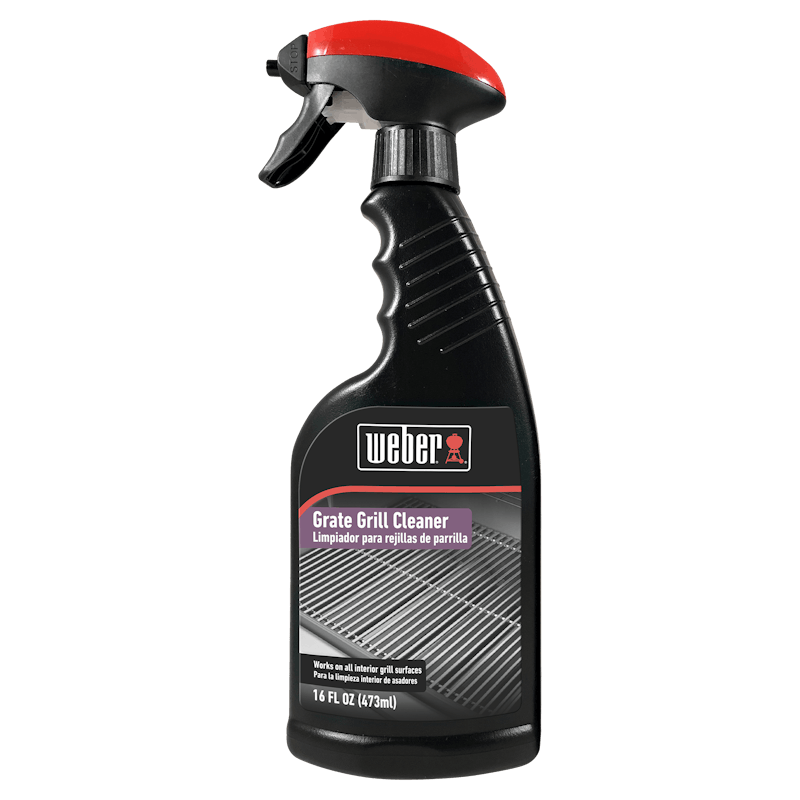
- Safe cleaners: dish soap, baking soda, white vinegar, commercial grill cleaners labeled safe for porcelain or stainless steel
- Avoid: oven cleaners, bleach, harsh acids, steel wool on porcelain surfaces
- Use gloves and eye protection for strong solutions
Manufacturer guidelines recommend mild detergents. Harsh products strip protective finishes and harm flavor.
Caring for different grate materials
Different grates need different care. Match your method to the material.
- Stainless steel grates: Tolerate firmer brushing and mild abrasives. Dry quickly to prevent spotting.
- Porcelain-coated grates: Use nylon brushes and gentle cleaners. Avoid chipping the coating.
- Cast iron grates: Clean, dry, then season with oil to prevent rust. Avoid long soaks that remove seasoning.
Knowing your grate material helps avoid mistakes. I learned this after chipping a porcelain grate with a metal scraper.

Maintenance tips to prolong grate life
Small actions extend grate life and performance.
- Oil grates lightly before cooking to reduce sticking.
- Clean while warm to remove residue easily.
- Store grill covered in dry place during winter.
- Replace rusted or heavily pitted grates promptly.
- Rotate grates and flip occasionally to even wear.
Regular upkeep saves money. Treat grates like kitchen pans: quick care prevents big jobs.

Troubleshooting common problems
Spotting issues early keeps the grill working well.
- Persistent flare-ups: Clean grease tray and burners in addition to grates.
- Uneven heat: Check for clogged burner ports and clean them with a soft brush.
- Flaking porcelain: Replace damaged grates; do not use harsh tools.
- Rust spots: Remove rust, dry fully, and season cast iron grates.
If you can’t fix it, contact support or a local grill tech. Safety matters.
Personal tips and lessons learned
From years of grilling, a few habits made a big difference.
- Brush while hot after every cook. It prevents hard buildup.
- Keep a small spray bottle of soapy water near the grill for quick touch-ups.
- Don’t use a wire brush with loose bristles; ingestible bristles are dangerous.
- Test cleaners on a small area first to see how they react.
These small steps reduce time spent on deep cleaning. They also keep food tasting true.
How to remove rust safely
Rust happens. Here’s a simple fix.
- Scrub rust spots with a wire brush for stainless or a nylon pad for porcelain.
- Make a paste of baking soda and water. Apply and scrub gently.
- Rinse and dry fully. For cast iron, re-season with oil and bake for 30 minutes.
- Replace grates if rust is deep or flaking.
Prompt attention stops rust from spreading. I replaced a heavily rusted grate rather than risk food safety.
Eco-friendly cleaning options
You can clean grates with low-impact materials.
- Use baking soda paste to lift grease naturally.
- White vinegar in a spray bottle loosens grime without harsh chemicals.
- Steam clean by heating grates and placing a damp towel over them to loosen residue.
Eco methods work well and are gentle on coatings. They also reduce smells and chemical exposure.
Frequently Asked Questions of how to clean weber gas grill grates
How often should I clean Weber gas grill grates?
Clean grates after every cook with a quick brush and deep clean monthly or after heavy use. Frequency depends on grilling volume and what you cook.
Can I use a wire brush on Weber grates?
Use wire brushes only on stainless steel grates and inspect them for loose bristles. Avoid metal brushes on porcelain-coated grates to prevent chipping.
What’s the best cleaner for porcelain-coated grates?
Mild dish soap, baking soda paste, or a nylon brush work best and protect the coating. Avoid abrasive pads and harsh chemicals.
How do I season cast iron Weber grates?
Clean and dry the cast iron, then coat lightly with high-smoke-point oil and heat for 20–30 minutes. Repeat a few times to build a protective layer.
Will vinegar damage grill grates?
White vinegar is safe for short use and helps remove grease. Rinse well and dry to prevent spotting, especially on stainless steel.
Can I soak Weber grates overnight?
Soaking is fine for stainless or cast iron, but avoid long soaks for seasoned cast iron as it can strip seasoning. Porcelain can be soaked short-term if needed.
Conclusion
Keeping your Weber gas grill grates clean improves flavor, safety, and longevity. Use quick brushes after each cook and deep-clean monthly. Match methods to grate material, avoid harsh chemicals, and season cast iron when needed. Start small: spend five minutes after each cook and you’ll cut deep-clean time in half. Try these tips on your next cookout, leave a comment with your favorite method, or subscribe for more grill care advice.