

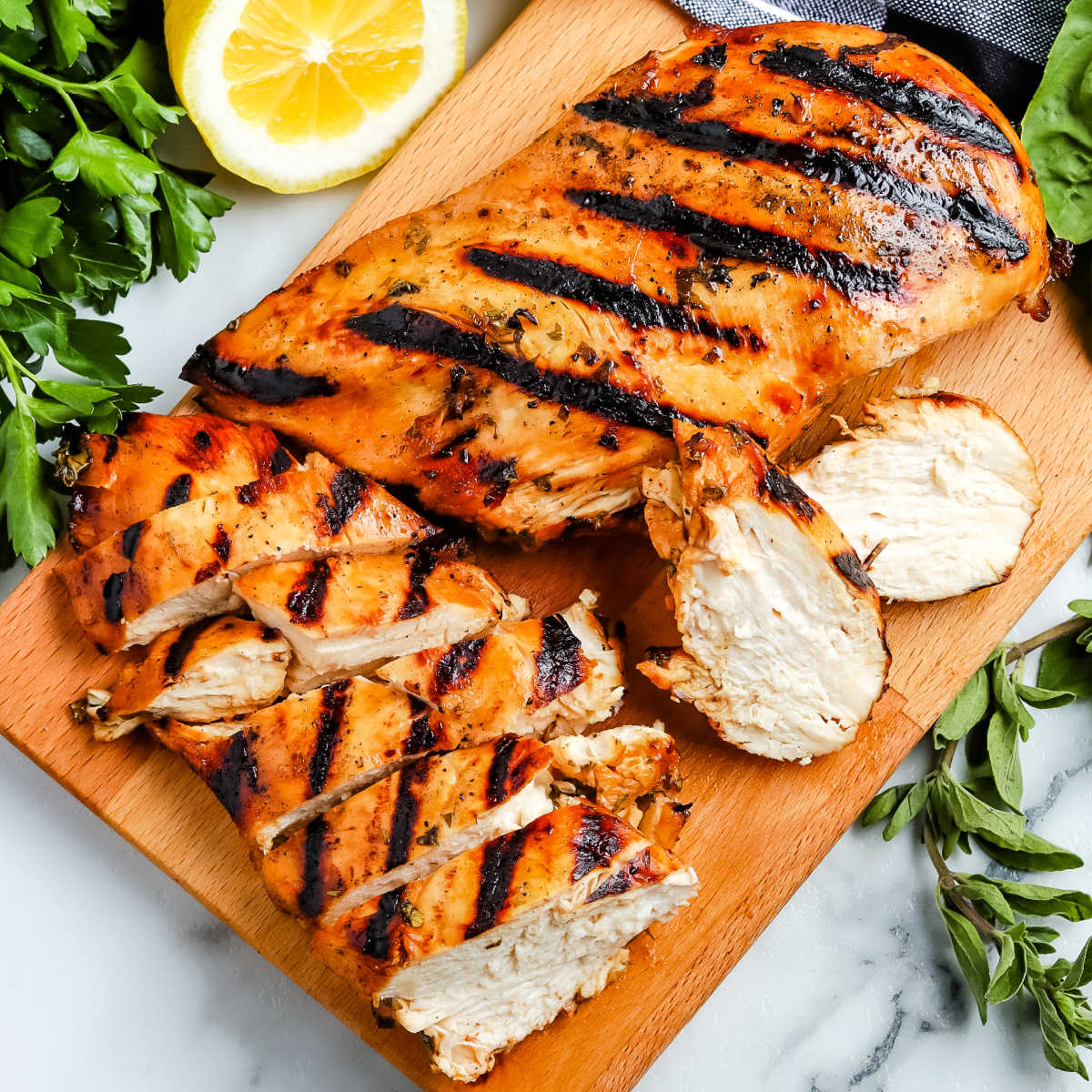
Pat dry, brine or marinate, sear on high, finish over medium until 165°F.
I’ve grilled hundreds of chicken breasts on a gas grill and taught friends how to get juicy, safe, and flavorful results every time. This guide breaks down exactly how to grill a chicken breast on a gas grill with clear steps, tips from my experience, and easy tricks you can use on your next cookout.
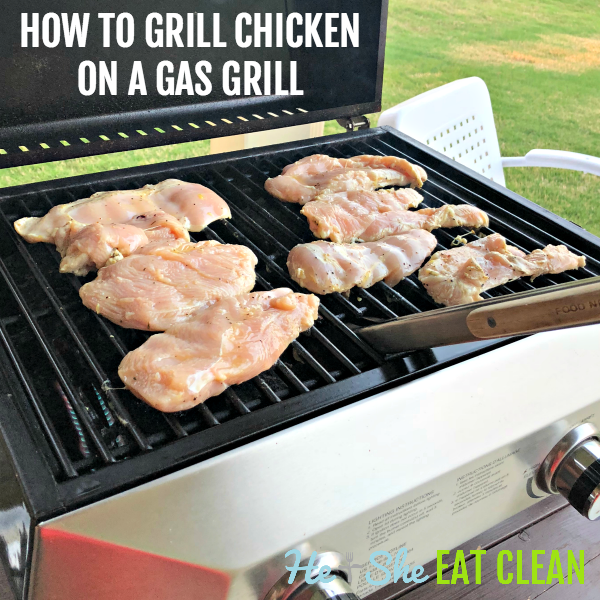
What you need before you start
Grilling good chicken starts with the right tools and simple ingredients. Here’s a short list to get you ready.
-
Tools you need
- Gas grill with at least two burners
- Instant-read thermometer
- Tongs and spatula
- Grill brush and oil for the grates
- Cutting board and sharp knife
-
Ingredients
- Boneless skinless chicken breasts
- Salt and pepper or a favorite rub
- Olive oil or other high-smoke oil
- Optional: brine or marinade ingredients
Learning how to grill a chicken breast on a gas grill begins with setup and simple gear. Prepare these first and the cook will go smoothly.
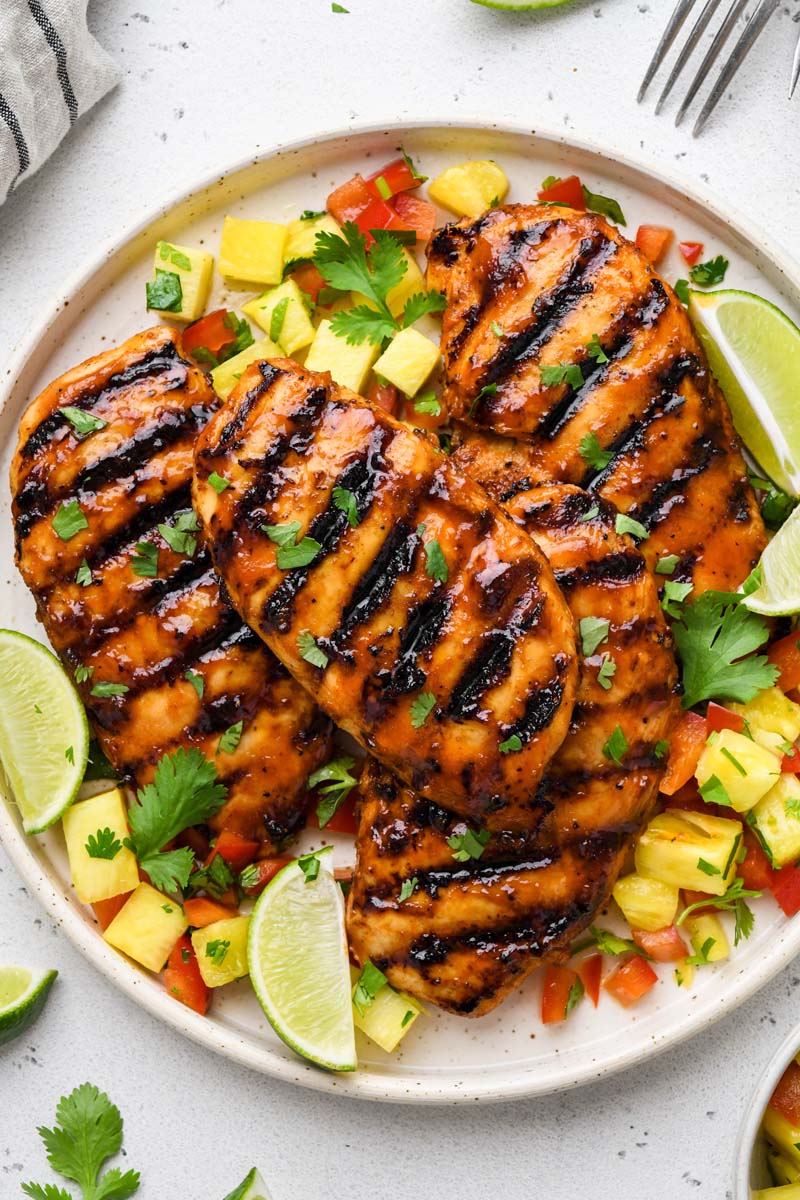
Prepping the chicken for best results
Proper prep prevents dry meat. Trim fat and silver skin and decide on brine or marinade.
- Trim and pound
- Trim odd bits. Pound to even thickness, about 3/4 inch. This helps even cooking.
- Brine or marinate
- Brine for 15–30 minutes for plain flavor and moisture.
- Marinade for 30 minutes to 4 hours for flavor. Acidic marinades should be shorter.
- Dry and oil
- Pat breasts dry before seasoning. Rub with a little oil to help crust form.
From my experience, a short brine saved many cooks. The chicken stayed juicier than skipping brine. Knowing how to grill a chicken breast on a gas grill starts at this prep step.
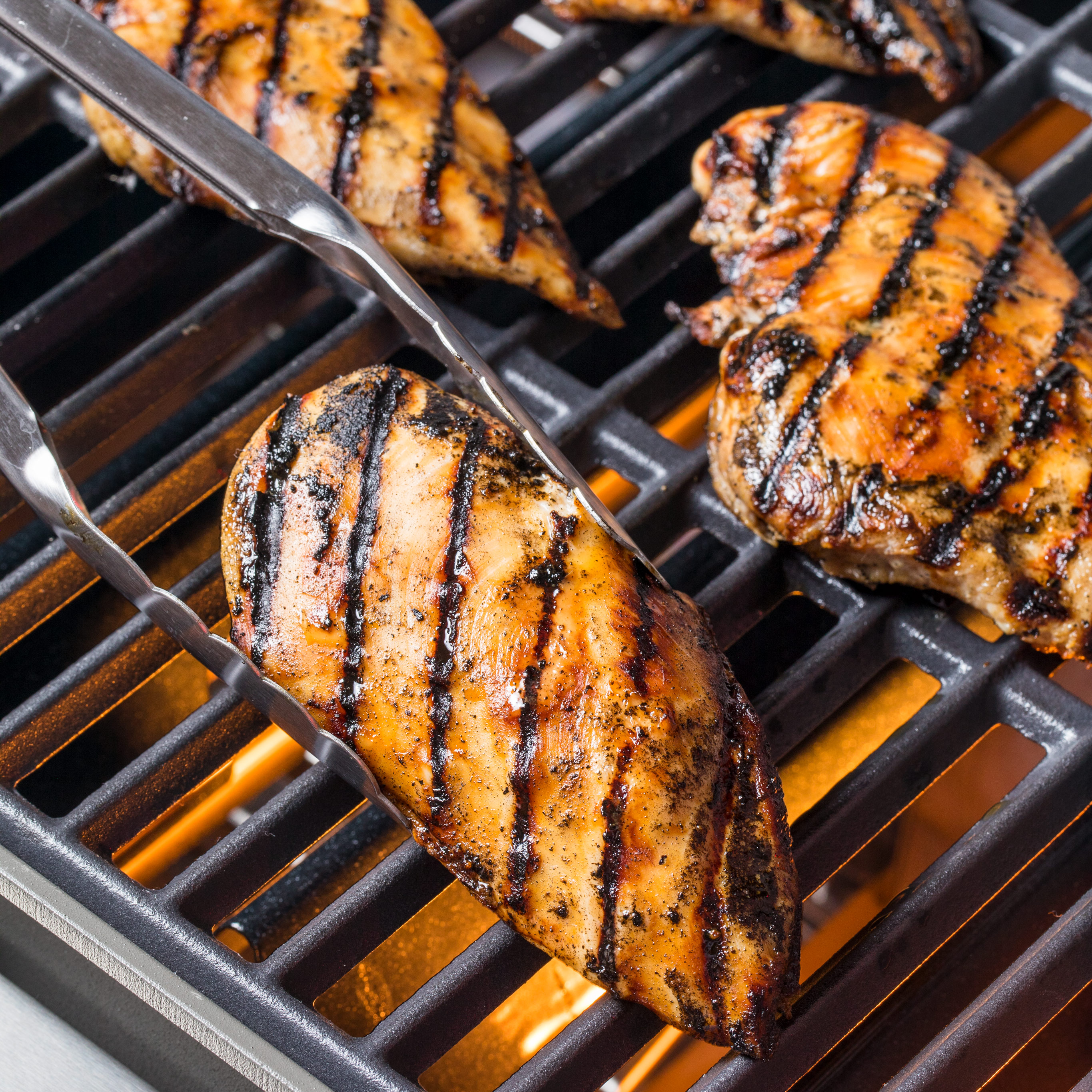
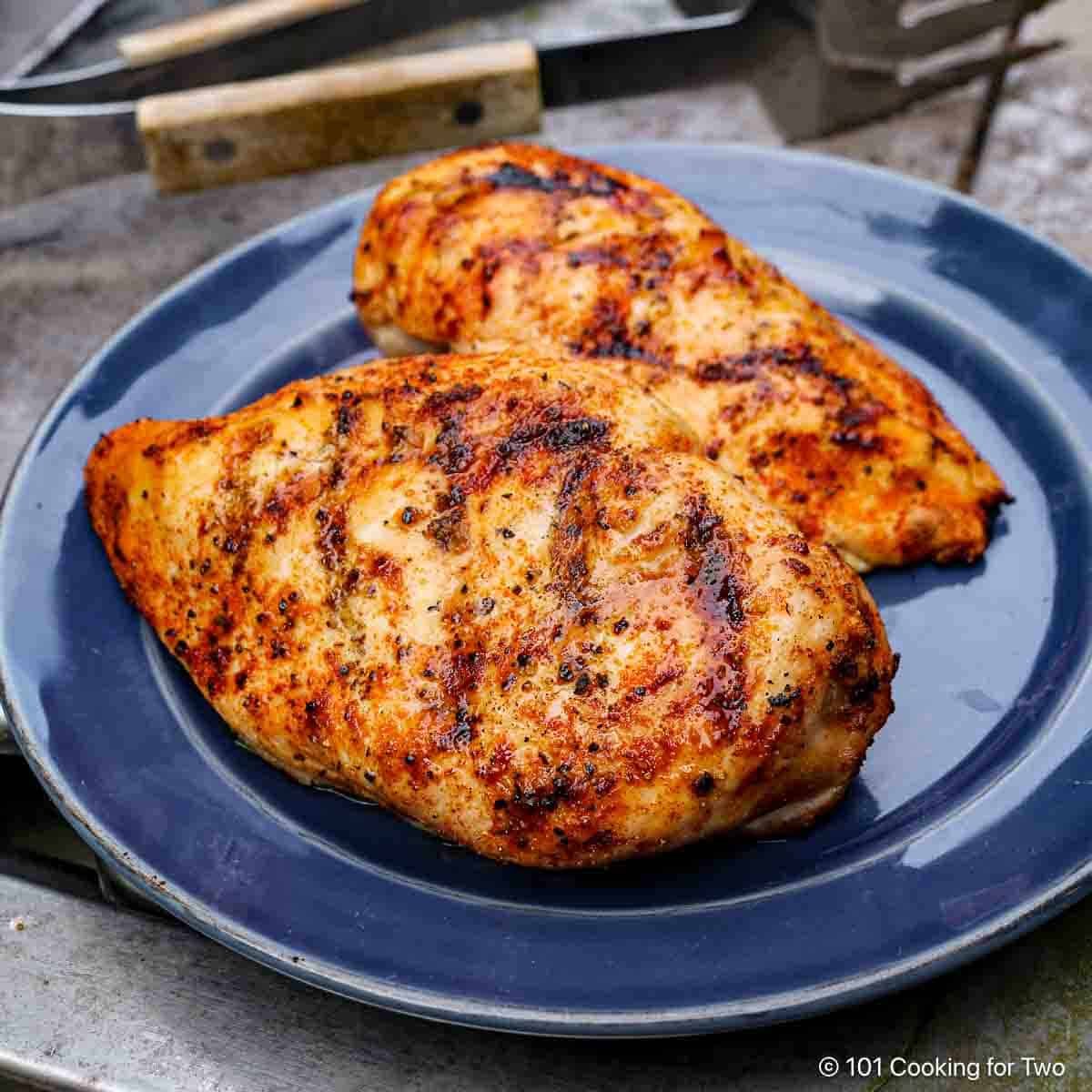
Setting up your gas grill the right way
Heat control matters more than fancy tricks. Use two heat zones: direct and indirect.
- Preheat
- Turn on the grill and heat high. Aim for grate temps around 450–500°F for searing.
- Create zones
- One side on high for searing. One side on low or off for finishing.
- Clean and oil grates
- Clean grates with a brush. Oil lightly to prevent sticking.
Understanding how to grill a chicken breast on a gas grill means controlling heat. Set zones before you place the meat.
Step-by-step grilling method
Follow these steps for consistent results. Short steps make it easy to repeat.
- Bring to room temp
- Take chicken out 15–20 minutes before grilling.
- Season
- Salt first, then pepper or use a rub. Oil the breast lightly.
- Sear over direct high heat
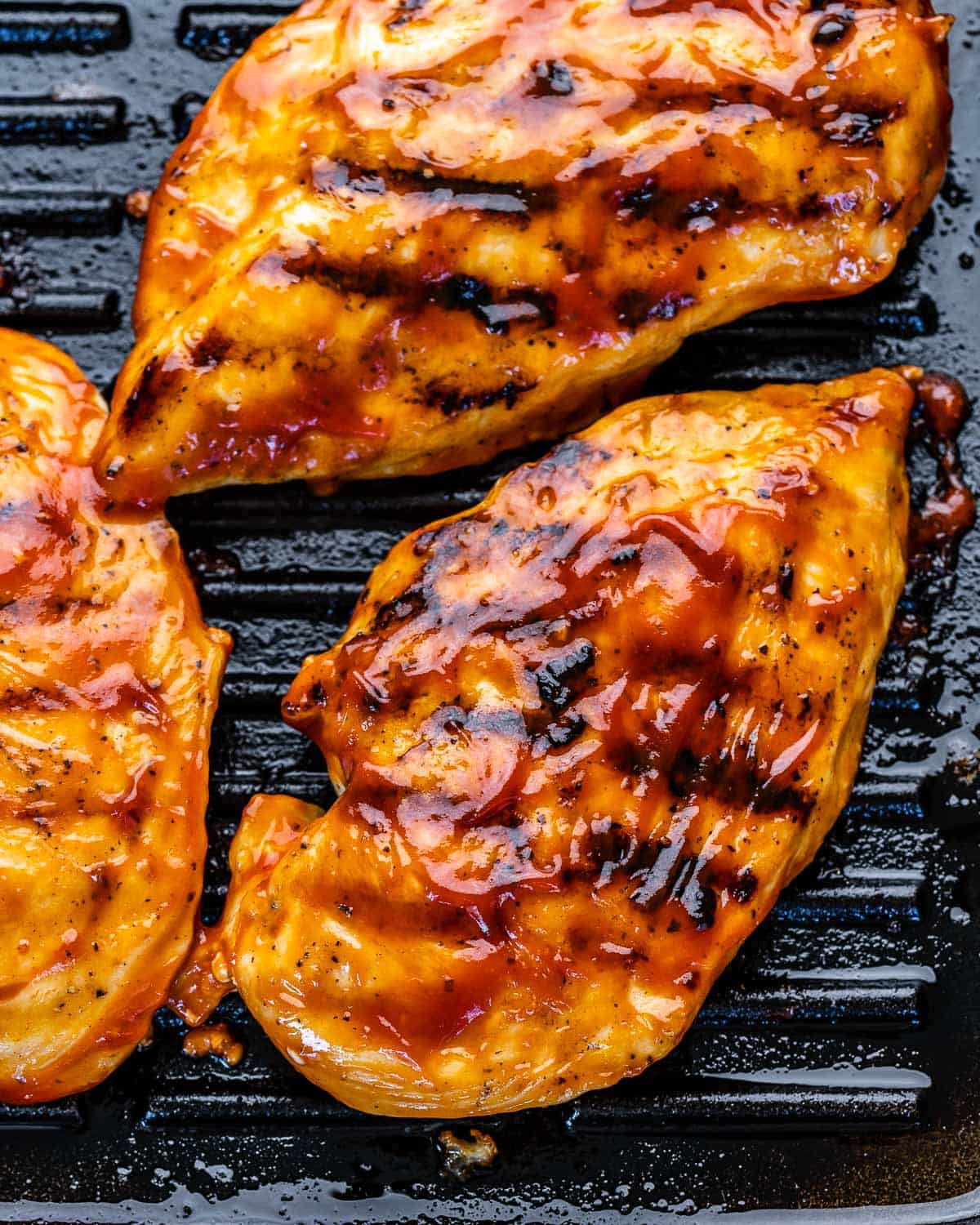
- Place on the hot side. Sear 2–3 minutes per side to get grill marks.
- Move to indirect heat
- After searing, move to the cooler side to finish cooking.
- Cook to temperature
- Use an instant-read thermometer. Target 165°F in the thickest part.
- Rest before slicing
- Rest 5–10 minutes to let juices redistribute.
Learning how to grill a chicken breast on a gas grill is about timing and temperature. Sear first, finish slowly, and test with a thermometer.
Resting, slicing, and serving
These final steps make the meat juicy on the plate.
- Resting
- Let the breast rest 5–10 minutes under foil. This locks in juices.
- Slicing
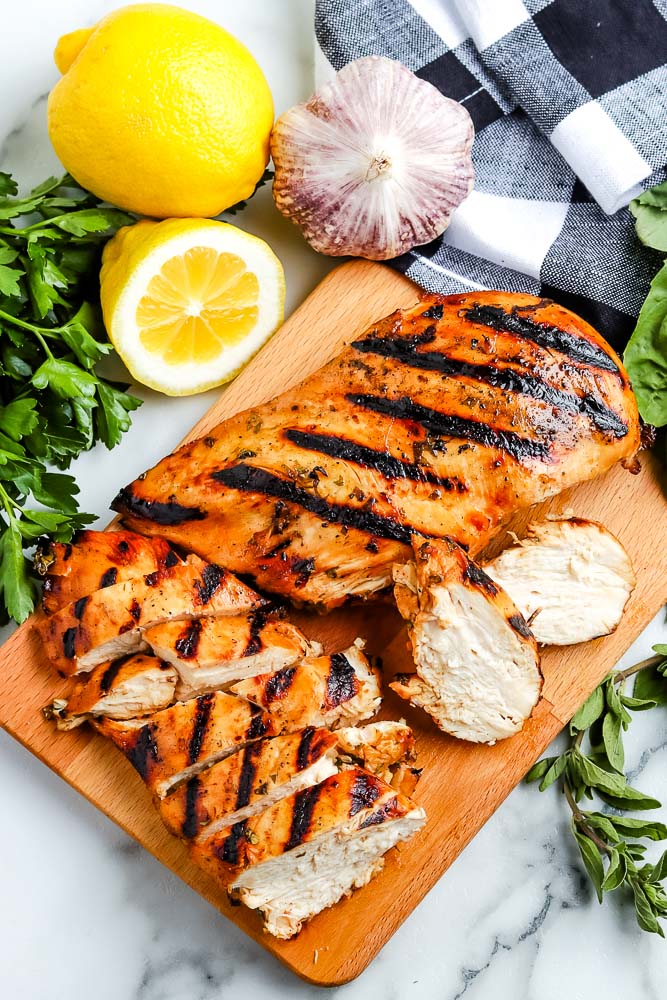
- Slice against the grain for tenderness.
- Serving ideas
- Serve with salad, rice, or grilled vegetables. Use pan juices or a quick sauce.
I once served chicken too soon and it lost its juice. Resting made a big difference next time. This is a key to master when learning how to grill a chicken breast on a gas grill.
Common mistakes and how to avoid them
Avoid these pitfalls for better meals and fewer wasted cooks.
- Overcooking
- Do not guess doneness. Use a thermometer and remove at 165°F.
- Not using zones
- Searing only without an indirect zone can burn the outside and undercook inside.
- Skipping rest
- Cutting too soon releases juices and dries the meat.
- Heavy sugary sauces too early
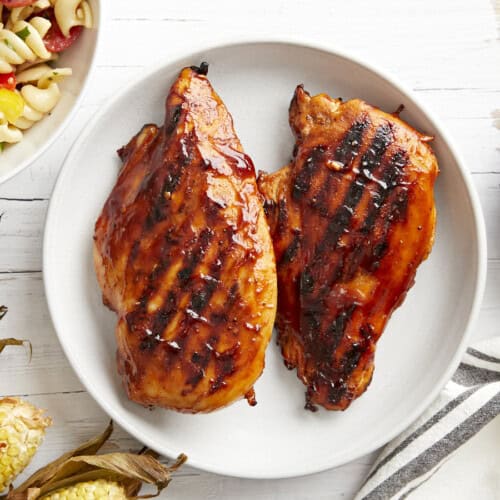
- Add BBQ sauce near the end to avoid burning.
My early mistakes taught me fast. Simple fixes make a big difference when you learn how to grill a chicken breast on a gas grill.
Flavor ideas and marinades
Keep flavors simple if you’re new. Try these easy mixes.
- Classic salt-pepper-olive oil
- Simple and reliable.
- Lemon-herb
- Lemon juice, garlic, thyme, and olive oil for a bright bite.
- Yogurt marinade
- Yogurt, garlic, and spices tenderize and add flavor.
- Dry rub
- Paprika, garlic powder, salt, brown sugar, and cumin for a smoky touch.
I like rotating three go-to marinades. They keep weeknight grilling fun and simple while you practice how to grill a chicken breast on a gas grill.
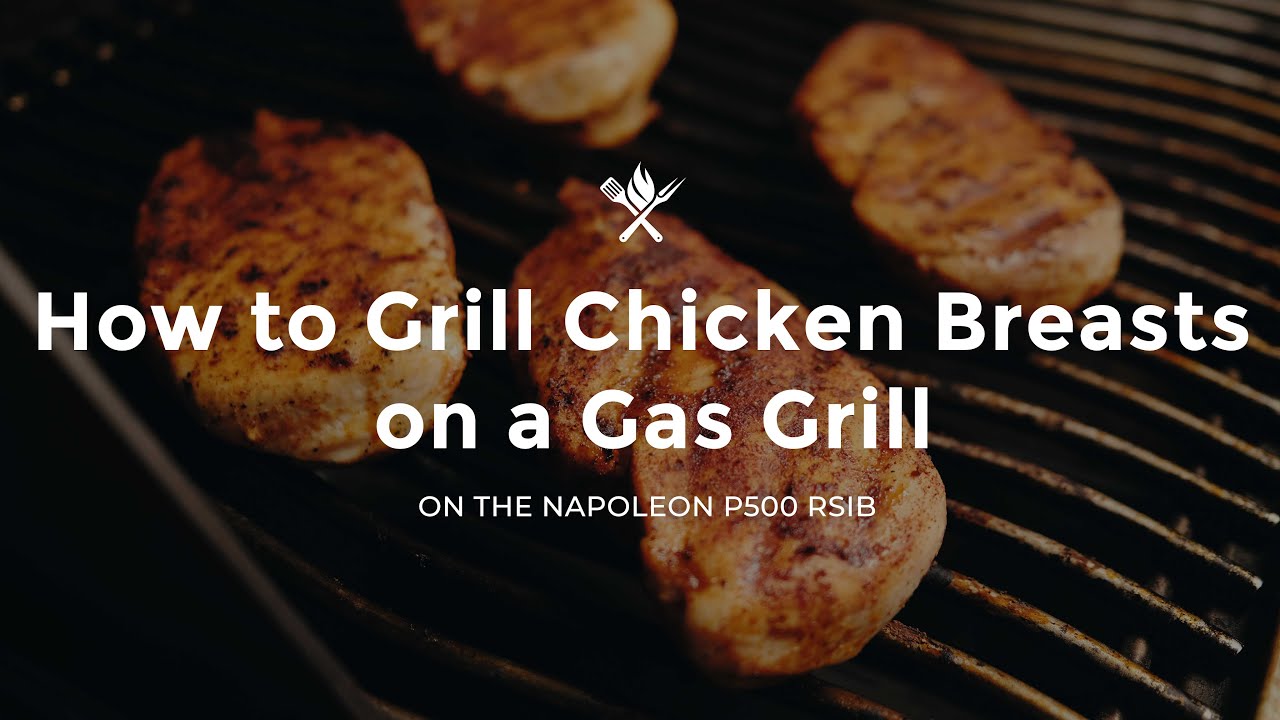
Food safety and thermometer tips
Safe cooking keeps dinner worry-free. Follow these clear rules.
- Thermometer placement
- Insert into the thickest part. Avoid bone or the edge.
- Final temp
- 165°F is the safe target for chicken breasts.
- Carryover cooking
- Meat can rise a few degrees while resting. Remove at 160–163°F if you want a bit of carryover.
I always carry a trusted instant-read probe. It takes the guesswork out. Knowing how to grill a chicken breast on a gas grill safely protects flavor and health.
Frequently Asked Questions of how to grill a chicken breast on a gas grill
How long should I grill a chicken breast on a gas grill?
Grill time varies by thickness. Expect 10–16 minutes total: sear 2–3 minutes per side, then finish 6–10 minutes over indirect heat.
Should I brine chicken breasts before grilling?
Brining helps keep breasts juicy. A quick 15–30 minute salt brine improves moisture without much wait.
What internal temperature should the chicken reach?
Cook to 165°F in the thickest part for safety. Use an instant-read thermometer for best accuracy.
Do I need to pound chicken breasts before grilling?
Pounding evens thickness and helps with even cooking. If breasts are uneven, pound to about 3/4 inch for consistent results.
Can I use marinades with acid like lemon or vinegar?
Yes, but keep acidic marinades shorter, 30 minutes to 4 hours. Too long can make the meat mushy.
How do I prevent chicken from sticking to the grill?
Clean and oil the grates, and oil the chicken lightly. Let the sear form before flipping to prevent sticking.
Is it better to cook chicken on direct or indirect heat?
Use both: sear on direct high heat, then move to indirect heat to finish. That method balances crust and juicy interior.
Conclusion
Grilling a great chicken breast on a gas grill is simple when you control heat, prep the meat, and use a thermometer. Start with even breasts, sear over high heat, finish over indirect heat, and rest before slicing. Try one new marinade this week and practice these steps to build confidence.
Take action: fire up your grill, use the step-by-step method above, and comment below with your results or questions.
