

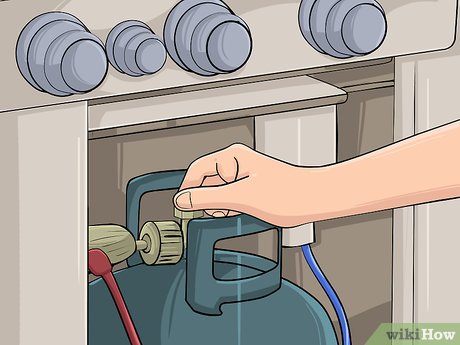
Turn on the propane valve, open the lid, set a burner to high, then ignite safely.
I’ve worked with grills for years and know the small steps that make starting a grill gas safe and fast. This guide shows exactly how to start a grill gas, from checks and tools to step-by-step ignition, troubleshooting, and upkeep. Read on for clear, expert-tested tips that get your grill ready and keep your family safe.

Safety first before you start a grill gas
Before you start a grill gas, treat the setup like any fuel appliance. Confirm the tank is outside and upright, the grill is in a well-ventilated spot, and there are no open flames nearby. Smell the fitting and hoses for gas and never start if you detect an odor. Always keep a fire extinguisher or water source nearby when you start a grill gas.
Tools and parts you'll need to start a grill gas
Gathering the right tools saves time and reduces risk when you start a grill gas. Here’s what I keep ready:
- Propane tank or natural gas connection with regulator securely attached.
- Long-handled lighter or grill ignition tool for manual lighting.
- Soapy water in a spray bottle to check for leaks.
- Wrench or pliers to tighten fittings and a flashlight for dim conditions.
- Owner’s manual for your specific model for manufacturer steps and warnings.

Step-by-step: how to start a grill gas safely and correctly
Follow these clear steps each time you start a grill gas. I use this routine every weekend and it prevents most common problems.
-
Inspect the grill and area.
- Confirm the grill is clean, placed on a flat surface, and at least 10 feet from structures.
- Look for holes, cracks, or spider webs in burner tubes.
-
Check the gas supply.
- Ensure the propane tank valve is closed before connecting.
- If using natural gas, verify the line is connected per the manual.
-
Connect or confirm regulator fit.
- Tighten the regulator to the tank hand-tight plus a quarter turn if needed.
- Never force fittings; they should seat snugly without excessive torque.
-
Perform a leak test.
- Spray soapy water on connections and turn the tank valve on slowly.
- Look for bubbles; any bubbles mean turn the valve off and fix leaks.
-
Open the grill lid.
- Always open the lid before you turn on gas to prevent a dangerous gas buildup.
- This is a key safety step to follow every time you start a grill gas.
-
Turn on the gas at the tank.
- Open the tank valve slowly to allow pressure to equalize in the line.
- For natural gas, open the house valve connected to the grill.
-
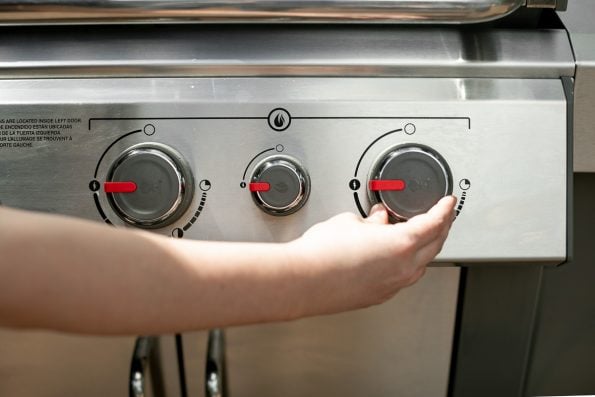
Ignite using the control knob or manual lighter.
- Turn one burner knob to high and press the ignition button or use a long lighter.
- If your grill has an electronic igniter, you may hear rapid clicks before flames appear.
-
Light additional burners.
- Once the first burner is steady, light the others.
- Leave control knobs at low until flames are stable.
-
Preheat the grill.
- Close the lid and preheat on high for 8–12 minutes for searing or 10–15 minutes for even cooking.
- Adjust burners to the desired cooking temperature after preheating.
-
Monitor and adjust.
- Watch for steady blue flames with yellow tips.
- If flames look weak or smoky, turn everything off and troubleshoot before trying again.
I always walk back to the tank after the grill is lit to ensure no hissing or new smell of gas. This small habit has saved me from potential hazards more than once.

Troubleshooting common issues when you start a grill gas
Even with care, problems can happen when you start a grill gas. Here’s how to handle the most common ones.
-
No spark from the igniter
- Replace the battery for electronic igniters or use a long lighter.
- Clean the igniter tip of grease and residue.
-
Gas smell after lighting
- Turn off the tank and burners immediately.
- Recheck fittings and perform a soapy water leak test before trying again.
-
Weak or uneven flame
- Clean burner ports and remove obstructions like spider webs or grease.
- Check that the regulator isn’t in “vacation” or low-flow mode.
-
Loud popping when lighting
- This can mean gas built up under the lid. Always open the lid before you start a grill gas and light promptly.
-
Yellow or sooty flames
- Flames should be mostly blue; yellow means incomplete combustion or dirty burners.
- Clean burners and check air shutter settings.
If a fix doesn’t seem to work, stop and call a professional. Persistent leaks or regulator issues are not DIY fixes. I learned this the hard way after trying to fix a bad regulator myself, and now I replace regulators with exact OEM parts.

Maintenance and storage to keep your grill gas system safe
Regular care makes starting a grill gas easier and safer every time. My routine keeps the grill reliable and extends its life.
- Clean burners and ports at least twice a season to remove soot and spider nests.
- Empty grease trays and keep the grill interior free of fat buildup to avoid flare-ups.
- Inspect hoses, fittings, and the regulator for wear each month. Replace cracked parts promptly.
- Store propane tanks upright in a cool, ventilated outdoor space. Never store a tank inside a garage or shed.
- Follow manufacturer guidelines for replacing parts like the regulator or hoses, often every 5–10 years.
A small habit I use is a quick leak test before the first use each season. It takes two minutes and prevents major issues when you start a grill gas.
:strip_icc()/grilling-veggies-on-gas-grill-89fc9cafe2af4315ba5b2b117f4bd6d7.jpg)
Frequently Asked Questions of how to start a grill gas
How do I know if my grill uses propane or natural gas?
Check the inlet connection and the owner’s manual. Propane grills use a removable tank, while natural gas grills connect to a home gas line.
Can I light the grill with the lid closed?
No. Always open the lid before you start a grill gas to avoid gas buildup and potential flare-ups.
What should I do if I smell gas when starting the grill?
Turn off the tank and burners immediately, move away from the grill, and recheck all connections. Do not light the grill until you have found and fixed the leak.
How long should I preheat the grill after I start a grill gas?
Preheat for 8–15 minutes depending on the heat level you need. This ensures even cooking and better searing.
Is it safe to store a propane tank indoors after I finish using it?
No. Store propane tanks upright in a ventilated outdoor area. Indoor storage risks leaks and dangerous gas buildup.
What if the igniter clicks but there is no flame?
Check for clogged burner ports or a low propane tank. Try lighting with a long lighter and inspect the regulator and hoses.
How often should I inspect hoses and fittings before I start a grill gas?
Inspect them before each grilling season and do a quick visual check before each use. Replace any part that shows cracking, brittleness, or leaks.
Conclusion
Starting a grill gas is simple when you follow safety checks, use the right tools, and follow a clear step-by-step routine. Practice the leak test, open the lid before ignition, and keep the grill clean to avoid most problems. Use what you learned here next time you prepare for a cookout, and leave a comment with your favorite grilling tip or question. Want more guides like this? Subscribe or bookmark this page for quick, safe grilling tips.
