

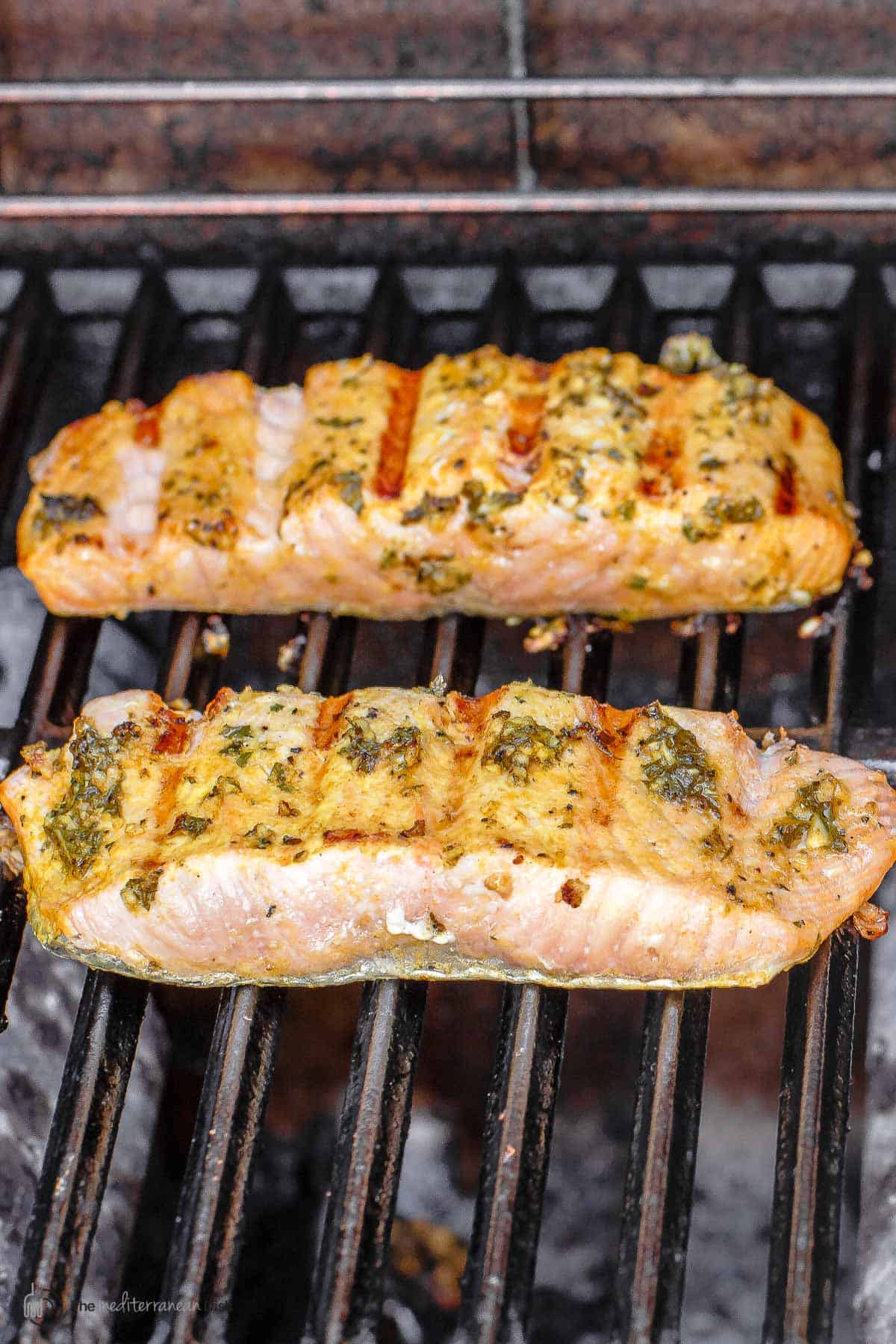
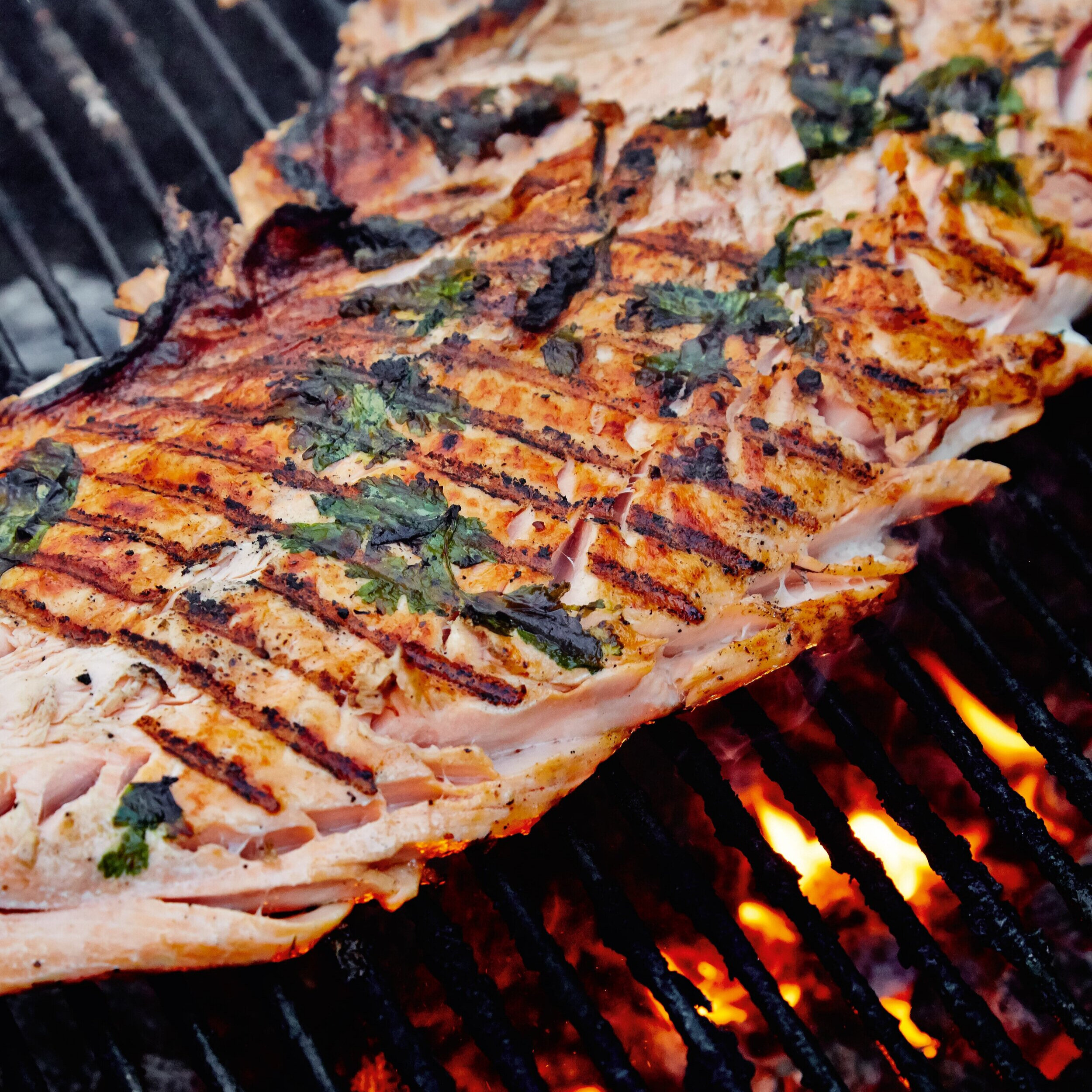
Grilled salmon on a gas grill yields moist, smoky, perfectly crisp-skinned fillets every time.
I have grilled salmon on a gas grill for years, from quick weeknight meals to backyard dinner parties. I know which cuts work best, how to set the burners, and how to prevent the fish from sticking or drying out. This guide gives clear steps, pro tips, and easy tricks so you can make reliable, restaurant-quality grilled salmon on a gas grill at home.
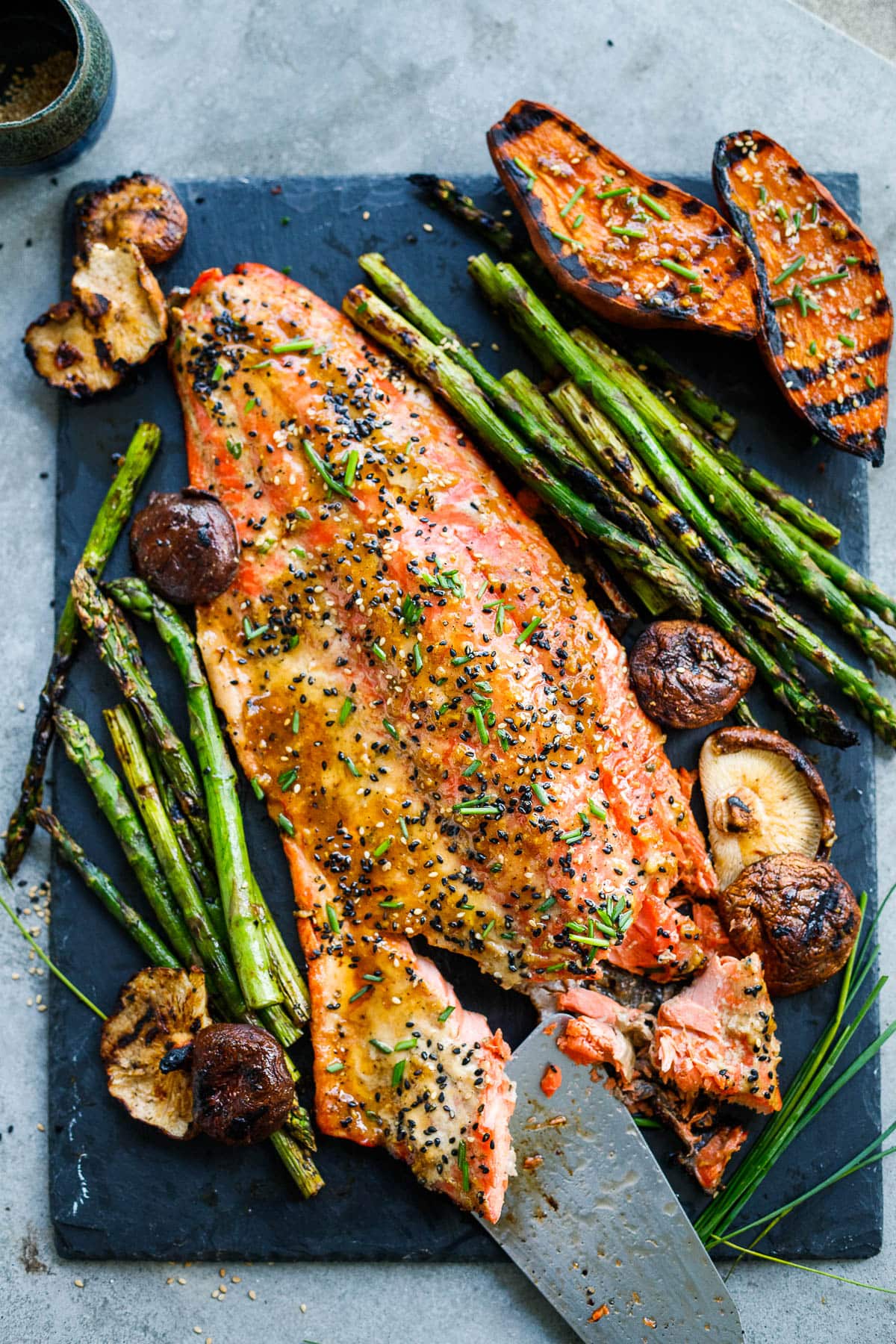
Ingredients and Tools You Need
Choose simple, fresh items. Keep tools ready.
- Salmon
- Use fillets or a whole side. Skin-on is best for the grill.
- Seasonings
- Salt and pepper, olive oil, lemon, and herbs. A light glaze or dry rub works well.
- Tools
- Gas grill with a lid, a fish spatula, tongs, and a grill brush.
- Thermometer
- Instant-read thermometer helps hit the right doneness.
I prefer a 1-inch-thick fillet for even cooking. For large crowds, a side of salmon is easy to manage on a gas grill. This list keeps the process smooth and fast.

Choosing the Right Salmon
Pick salmon that will hold up to direct heat.
- Wild vs farmed
- Wild salmon has firmer texture and deeper color. Farmed is fattier and more forgiving on the grill.
- Freshness
- Look for clear eyes if whole fish, or a bright color and firm flesh for fillets.
- Cut
- Fillets with skin stay moist. Center-cut fillets cook more evenly.
I often use steelhead or king salmon when I want richer flavor. For everyday meals, Atlantic farmed salmon is a great, budget-friendly choice for grilled salmon on gas grill.
Preparing the Salmon: Simple Steps
Prep makes or breaks the meal.
- Dry the fish
- Pat the salmon dry with paper towels. Dry skin sears better.
- Oil and season
- Brush both sides with oil. Season with salt and pepper or a favorite rub.
- Room temperature
- Let the fillets sit 15 minutes before grilling. Cold fish cooks unevenly.
When I first started, I often skipped drying the skin. The fish stuck to the grates. Once I learned to dry and oil the fish well, sticking stopped and the skin crisped every time.

Gas Grill Setup and Temperature
Set the grill for control.
- Clean the grates
- Brush the grates hot and oil them lightly before cooking.
- Preheat
- Heat the grill to medium-high, about 400°F to 450°F for seared fillets.
- Direct vs indirect zones
- Turn one burner to medium-high and leave another off for indirect cooking.
For thicker pieces or a whole side, start over direct heat for a sear, then move to indirect heat to finish. This two-zone method is how I get perfect color and doneness on grilled salmon on gas grill every time.
:max_bytes(150000):strip_icc()/2216377-grilled-salmon-steaks-italian-style-Mr.-T-4x3-1-cf92e9c11a1b4b0b9c1c98f8ef4fd15d.jpg)
Cooking Methods: Fillets, Sides, and Skin-On
Pick the method that fits your cut.
- Skin-on fillets, direct heat
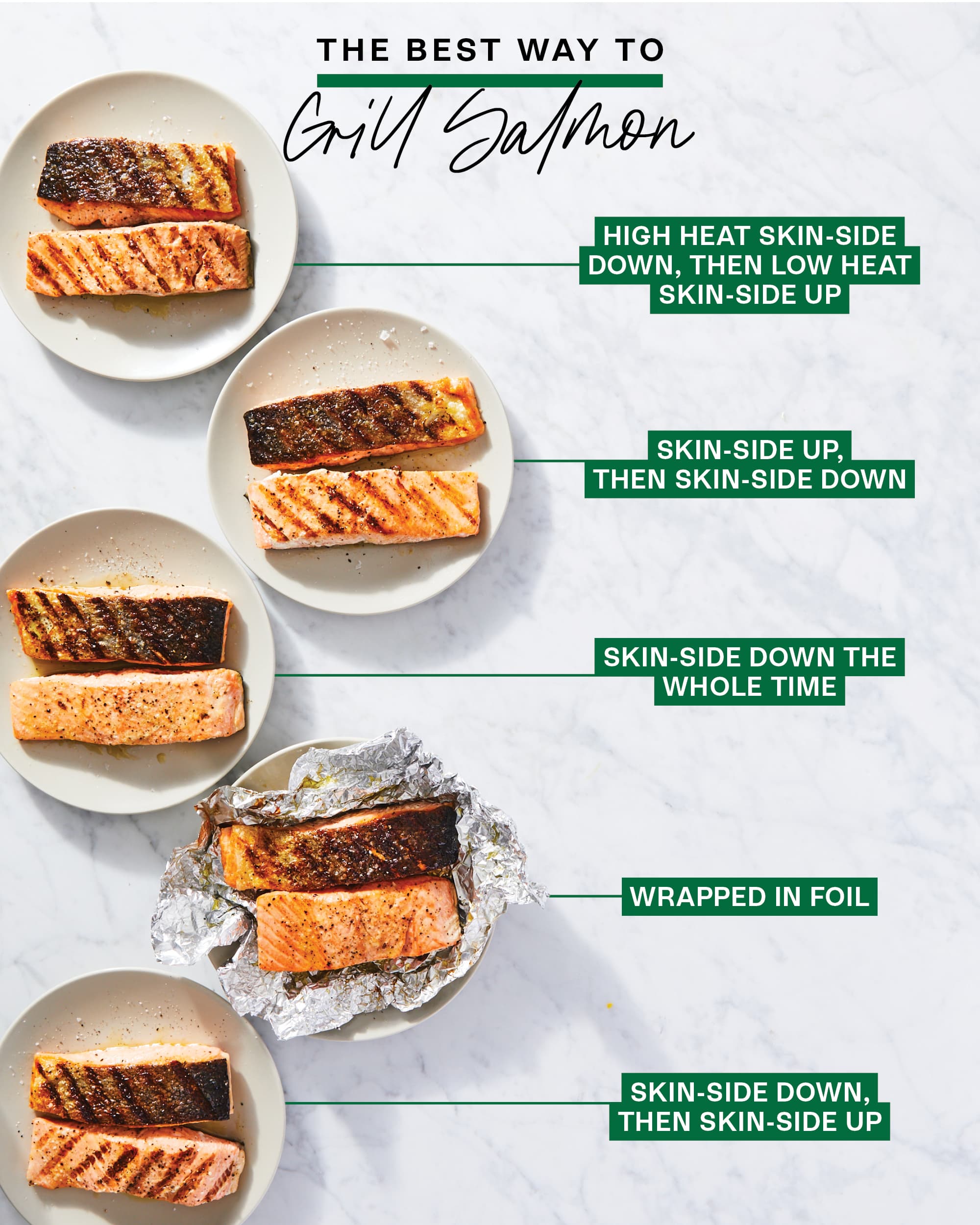
- Place skin-side down. Grill 4–6 minutes per side for 1-inch fillets. Flip once.
- Thick fillets or whole side, sear then indirect
– Sear 3–4 minutes per side, then move to indirect for 8–12 minutes until done. - Plank grilling
- Soak a cedar plank, preheat, and cook salmon on the plank over medium heat for smoky flavor.
A test I use: the fish should flake gently and the center reads 125°F to 130°F for moist, medium doneness. For well done, aim for 140°F. I like 125°F for tender, juicy grilled salmon on gas grill.

Tips for Perfect Results
Small habits give big wins.
- Use a clean, hot grate to prevent sticking.
- Oil both the fish and the grill, not the fish only.
- Flip once. Too many turns break the fish.
- Don’t overcook. Salmon goes from moist to dry quickly.
- Let it rest 3–5 minutes before serving to lock in juices.
I learned to flip once after burning through too many fillets. Now I flip once and watch the edges. That simple change improved my results immediately when grilling salmon on gas grill.
Sauces, Glazes, and Flavor Ideas
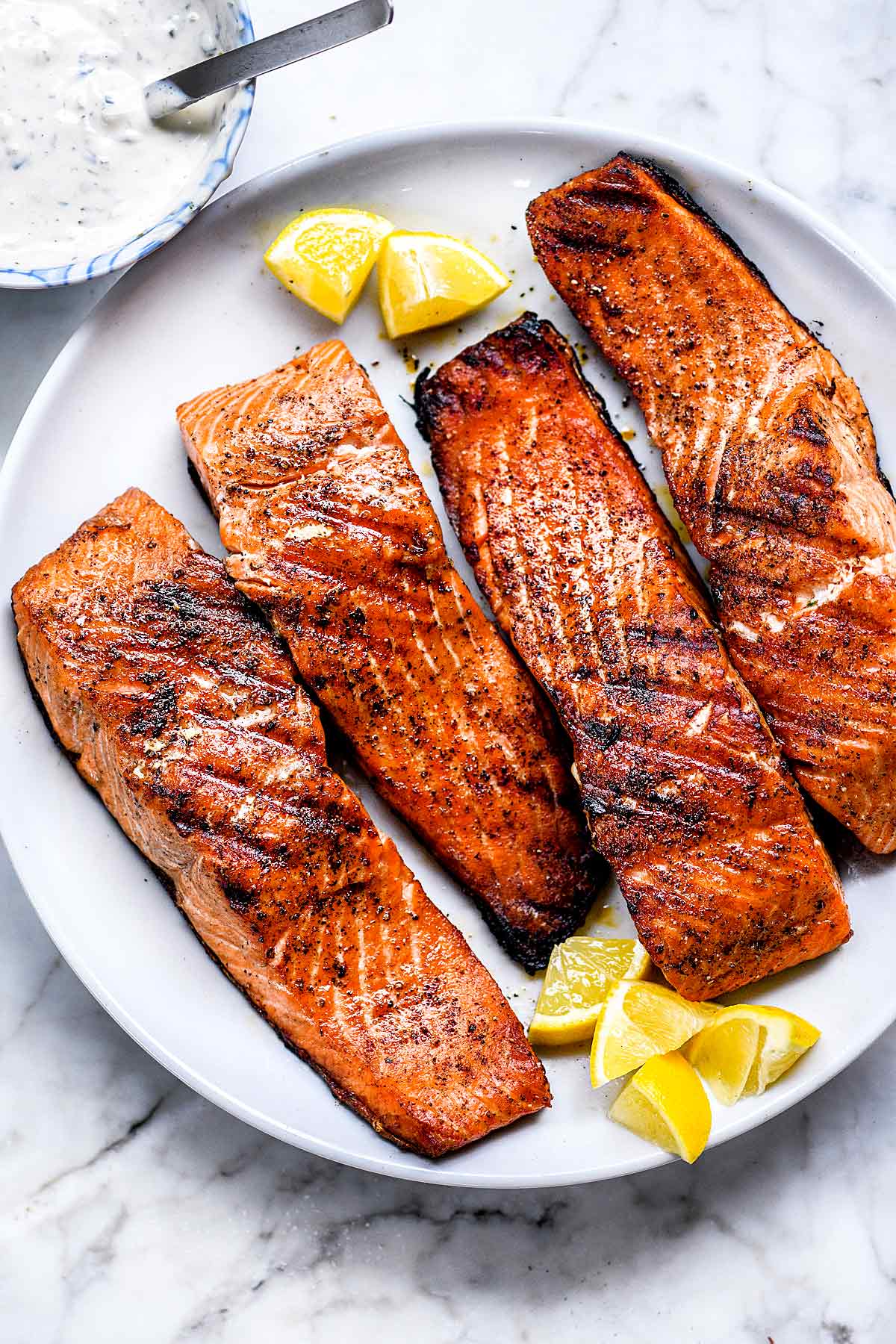
Keep flavors bright and simple.
- Citrus-herb
- Lemon juice, dill, parsley, and a touch of olive oil.
- Soy-maple glaze
- Soy sauce, maple syrup, garlic, and ginger for sweet-salty balance.
- Butter-baste
- Melt butter with herbs and spoon over the fish in the final minute.
Sauces can mask overcooked fish. I use glazes for color and quick flavor boosts. For a clean, fresh meal, lemon and herbs are my go-to after grilling salmon on gas grill.
Serving and Pairings
Serve with sides that match the fish’s profile.
- Vegetables
- Grilled asparagus, corn, or a crisp salad.
- Grains
- Rice, quinoa, or simple roasted potatoes.
- Wine and drinks
- Crisp white wine or a light rosé pairs well.
I often serve grilled salmon on gas grill with a simple cucumber-dill salad. It keeps the plate fresh and lets the fish shine.
Safety and Storage
Handle fish safely.
- Cooling
- Chill leftovers within two hours. Store in an airtight container.
- Reheating
- Reheat gently in a low oven or on indirect heat to avoid drying.
- Shelf life
- Eat cooked salmon within 3–4 days refrigerated.
I freeze extra portions for quick meals. Thaw slowly in the fridge. Reheat carefully to keep the flavor of grilled salmon on gas grill intact.
Frequently Asked Questions
How long should I grill a 1-inch salmon fillet on a gas grill?
Grill a 1-inch fillet about 4–6 minutes per side over medium-high heat. Cook time varies by thickness and grill heat.
Should I grill salmon skin-side down?
Yes. Start skin-side down to protect the flesh and get crisp skin. Flip once near the end of the cook.
What temperature is best for grilled salmon on gas grill?
Aim for grill temperatures around 400°F to 450°F for searing. Finish at lower heat if needed to reach an internal 125°F–130°F.
Can I marinate salmon before grilling?
Yes. Short marinades of 30 minutes to 1 hour work well. Acidic marinades longer than an hour can change the texture.
How do I prevent salmon from sticking to the grill?
Clean and oil the grates, dry the fish, and oil it before placing on the grill. Use a wide, thin spatula to flip gently.
Conclusion
Grilling salmon on a gas grill is simple when you pick the right cut, prep well, and control the heat. Use skin-on fillets, preheat the grill, oil the fish and grates, and flip once for best results. Try the two-zone method for thicker pieces and use a thermometer to hit the ideal 125°F–130°F. Now fire up your gas grill, try one of the flavor ideas, and enjoy salmon that is moist, flaky, and full of flavor. Leave a comment about your favorite glaze or challenge, and subscribe for more easy grilling tips.
