

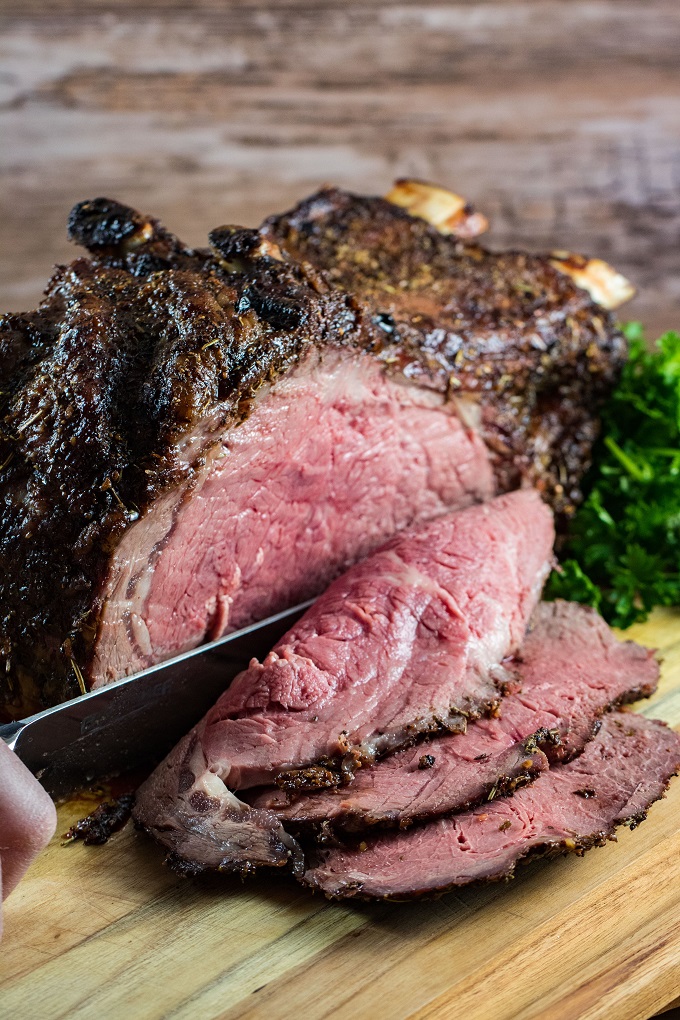
Grilling prime rib roast on a gas grill yields tender, juicy meat with a perfect crust every time.
I’ve cooked prime rib for years on a gas grill and I know what works. This guide shows you how to prepare, season, cook, and rest a prime rib to get consistent, restaurant-quality results. You will learn step-by-step methods for grilling prime rib roast on a gas grill, timing and temp targets, seasoning ideas, and troubleshooting tips I use in my own cookouts. Read on to master this centerpiece and impress your guests.
:max_bytes(150000):strip_icc()/prime-rib-roast-333781-Hero_01-4d8fa4782cff45c29d6763349069d682.jpg)
Why choose a gas grill for prime rib
A gas grill heats fast and lets you control zones. It makes grilling prime rib roast on a gas grill simple and steady. You can set a low, indirect zone for slow cook and a hot zone to sear. For many home cooks, gas gives consistency and less fuss than charcoal or oven-only cooking.
Selecting the right prime rib roast
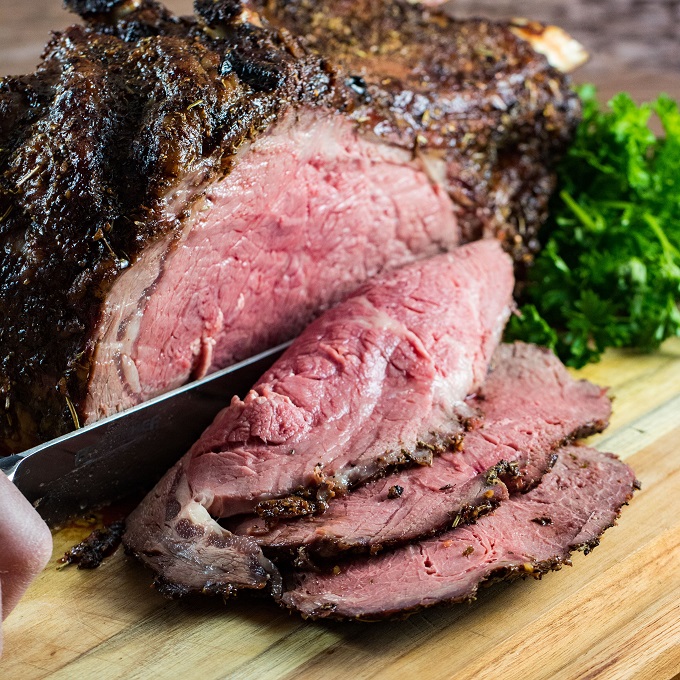
Choose a roast with good marbling. Marbling brings flavor and keeps the meat juicy when grilling prime rib roast on a gas grill. Buy a whole standing rib roast or a boneless roast depending on how you like to carve. For 6 to 8 people, pick a 4 to 6 pound roast. For a larger group, get 8 to 12 pounds.
- Pick USDA Prime or Choice grade for best flavor.
- Look for an even fat cap about 1/4 to 1/2 inch thick.
- Bring the roast to room temp for 1 hour before cooking.
Tools and gear you need
Good tools make grilling prime rib roast on a gas grill easier and safer. A few key items matter more than fancy gadgets.
- Full-size gas grill with at least two burners to create zones.
- Instant-read thermometer and a leave-in probe thermometer.
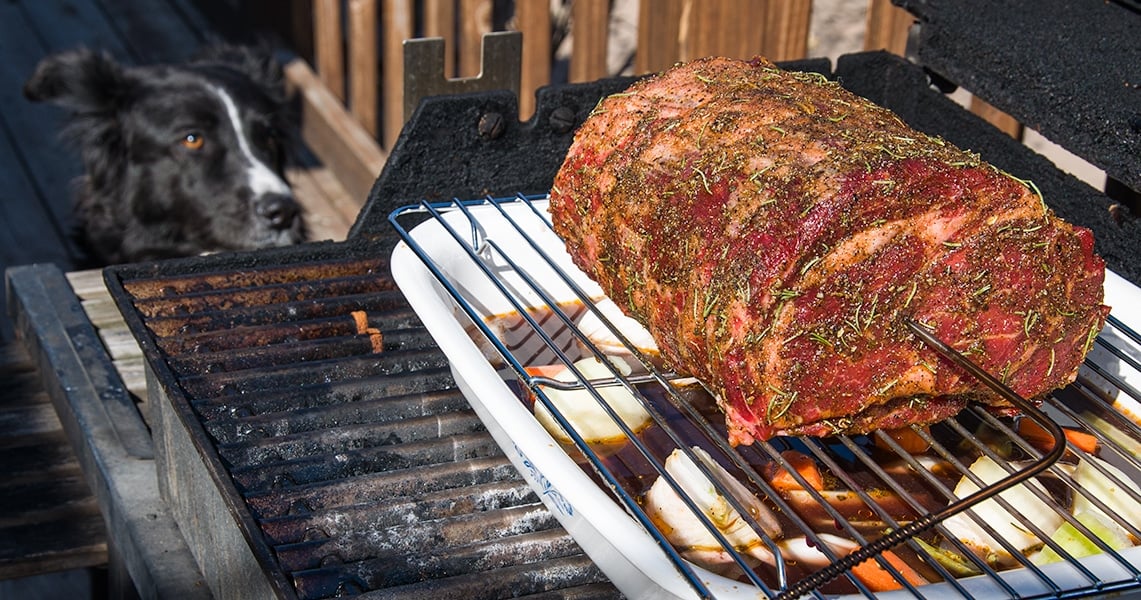
- Drip pan and a wire rack to keep the roast off direct heat.
- Tongs, long-handled spatula, and a sharp carving knife.
- Aluminum foil and a clean cutting board.

Prep and seasoning: simple and effective
Prep sets the stage for great results. My go-to when grilling prime rib roast on a gas grill is a dry rub and olive oil base.
- Pat the roast dry with paper towels.
- Rub lightly with olive oil to help seasonings stick.
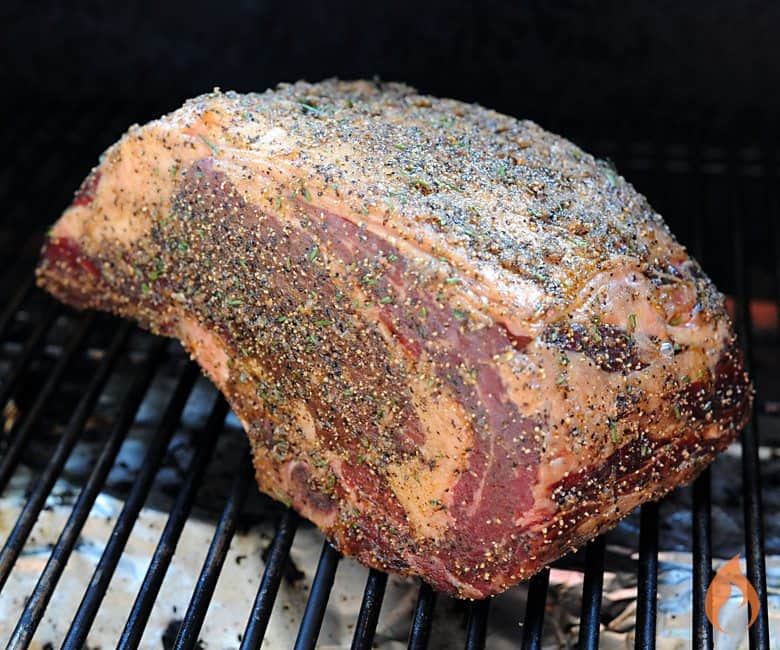
- Season generously with kosher salt and coarse black pepper. Add garlic powder and fresh chopped herbs if you like.
- Let the seasoned roast sit 30–60 minutes at room temp or refrigerate overnight for deeper flavor.
Keep seasoning simple. Salt helps form a crust. Excessive herbs can burn during searing.
Setting up the grill: two-zone method
Two zones are essential when grilling prime rib roast on a gas grill. One side will be high heat for searing. The other side will be low heat for slow cooking.
- Turn one or two burners to medium-high for searing.
- Set the opposite side to low or off to create indirect heat.
- Place a drip pan under the grill grate on the cool side to catch juices.
- Preheat the grill for 10–15 minutes. Aim for 225–275°F in the indirect zone.
This setup gives you control. Slow cook first, then finish with a high-heat sear.

Step-by-step cook: reverse-sear method
The reverse-sear is my favorite way of grilling prime rib roast on a gas grill. It cooks the roast gently first, then sears for a crisp crust.
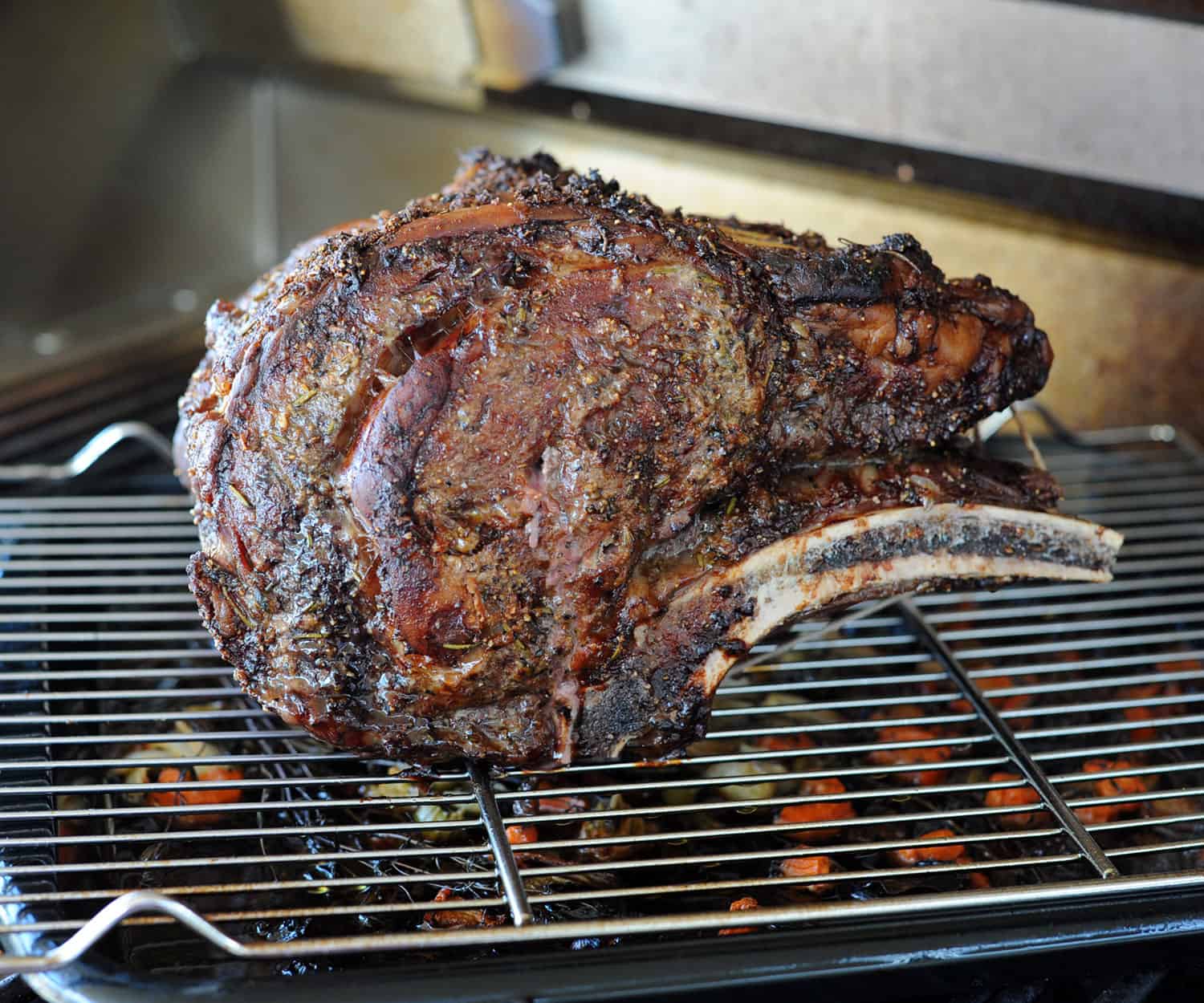
- Place roast fat-side up on a rack above the drip pan on the cool zone.
- Insert a probe thermometer into the thickest part, avoiding bone.
- Close the lid and cook until internal temp reaches 10–15°F below your final target. For medium-rare pull at 115–120°F.
- When the roast reaches the pull temp, move it over the hot zone.
- Sear all sides for 2–4 minutes per side until a deep crust forms. Monitor the thermometer to avoid overcooking.
- Remove and tent loosely with foil.
Target internal temps:
- Rare: 120–125°F final
- Medium-rare: 130–135°F final
- Medium: 140–145°F final
Use the temp, not time, as your main guide. Every roast cooks a little different.
Resting and carving like a pro
Resting is crucial when grilling prime rib roast on a gas grill. It lets juices redistribute and gives you a tender slice.
- Tent the roast with foil and rest 20–30 minutes.
- Use a sharp carving knife. Slice against the grain.
- For a standing rib roast, remove bones first or slice between ribs for presentation.
Resting may raise internal temp 5–10°F. Plan pull temp accordingly.

Sauces, sides, and serving ideas
Serve the roast with simple sides that let the meat shine. Classic choices pair well with the bold flavor of prime rib.
- Horseradish cream or horseradish sauce.
- Au jus made from pan drippings and beef stock.
- Roasted potatoes or creamed spinach.
- Simple green salad and crusty bread.
I often make a quick au jus while the roast rests. It is fast and brings the dish together.
Common mistakes and how to avoid them
Avoid these pitfalls when grilling prime rib roast on a gas grill. They cost flavor or texture.
- Cooking only by time. Use a reliable thermometer instead.
- Skipping the rest. Slices will be dry if you carve too soon.
- Searing too long. High heat makes a crust, but too much blackens.
- Opening the lid often. Each peek wastes heat and extends cook time.
I once over-seared a roast because I chased a dark crust. The inside rose too far in temp. Use the thermometer and patience.
Safety and cleanup tips
Food safety matters when grilling prime rib roast on a gas grill. Keep things clean and safe.
- Avoid cross-contamination. Use separate plates for raw and cooked meat.
- Cook to safe internal temps and use a probe thermometer.
- Clean grill grates after cooling to remove stuck fat and residue.
- Dispose of hot grease carefully and clean the drip pan.
These small steps keep the meal safe and the grill working well.
Troubleshooting common issues
If your roast cooks unevenly, or you get flare-ups, here’s what to do.
- Uneven cook: Ensure even heat zones and rotate the roast halfway through.
- Flare-ups: Move roast away from flames and trim excessive fat next time.
- No crust: Heat the sear zone hotter and pat the roast dry before searing.
- Overcooked center: Next time pull earlier and rest longer.
A quick fix is to tent and rest. That saves texture and helps recover a bit.
My personal tips and lessons learned
I’ve grilled many prime ribs on a gas grill. These tips come from burnt mistakes and good wins.
- Always use the reverse-sear. It gives the best texture with control.
- Invest in a good probe thermometer. It’s worth the cost.
- Season the night before when you can. Dry-brining makes a big difference.
- Keep a spray bottle filled with water for small flare-ups.
Each cook improves your feel for timing and heat. Enjoy the learning process.
Frequently Asked Questions of grilling prime rib roast on a gas grill
What is the best temperature to cook prime rib on a gas grill?
Cook indirectly at 225–275°F for gentle, even heat when grilling prime rib roast on a gas grill. Finish with a high-heat sear to form the crust.
How long does a prime rib take per pound on a gas grill?
Time varies, but plan roughly 12–18 minutes per pound at 225–275°F for medium-rare when grilling prime rib roast on a gas grill. Use a thermometer for accuracy.
Should I sear before or after slow cooking?
Sear after slow cooking—the reverse-sear method—gives better crust and keeps the interior tender when grilling prime rib roast on a gas grill. It also reduces overcooking risk.
Do I need a drip pan under the roast?
Yes. A drip pan catches fat and prevents flare-ups while grilling prime rib roast on a gas grill. It also makes cleanup easier and can be used to make au jus.
How long should I rest prime rib after grilling?
Rest the roast 20–30 minutes tented loosely with foil after grilling prime rib roast on a gas grill. Resting lets juices redistribute and improves slicing.
Conclusion
Grilling prime rib roast on a gas grill is a rewarding skill. Set up two zones, use the reverse-sear method, and rely on a good thermometer. Season simply, rest well, and serve with classic sides. Try these steps at your next cookout and refine them with each roast. Share your results or questions below and subscribe for more techniques and tips to perfect the grill.
