

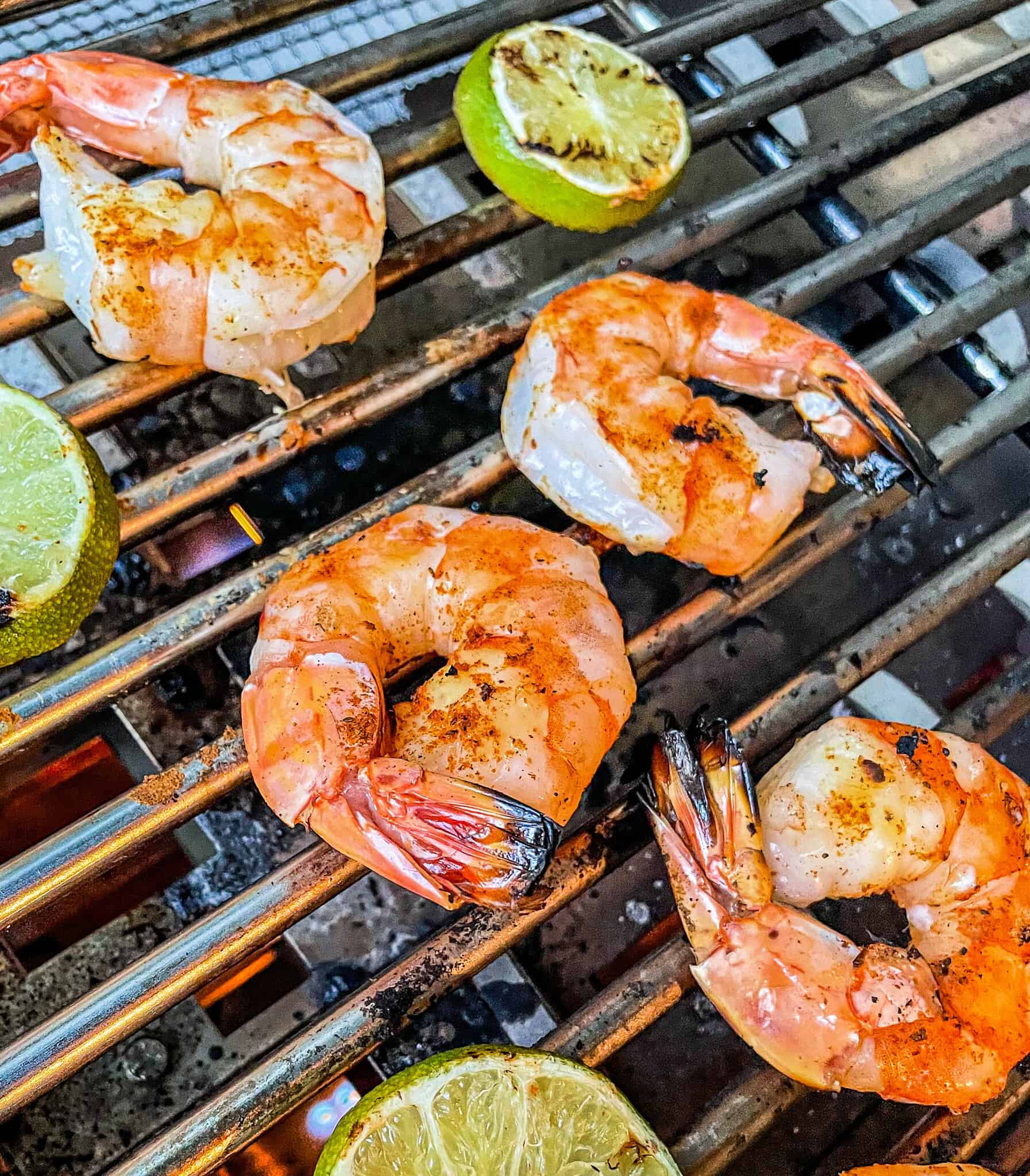
Grilling shrimp on a gas grill gives quick, smoky, perfectly charred results every time.
I’ve grilled hundreds of shrimp on a gas grill and I know what works and what fails. This guide explains how to grill shrimp on gas grill from start to finish. I’ll share gear, prep, recipes, timing, and real mistakes I made so you don’t repeat them. Read on for simple steps and confident results.

Why choose a gas grill for shrimp
A gas grill heats fast and gives steady control for delicate shrimp. Grilling shrimp on gas grill is ideal because shrimp cook quickly and need even heat. With a gas grill you can set direct heat and a cool zone for rest and finishing. My experience: a gas grill cuts guesswork and reduces overcooking when I manage the zones well.
Tools and gear you need
Use the right gear for safe and consistent grilling shrimp on gas grill.
- Grill with at least two burners to make direct and indirect zones.
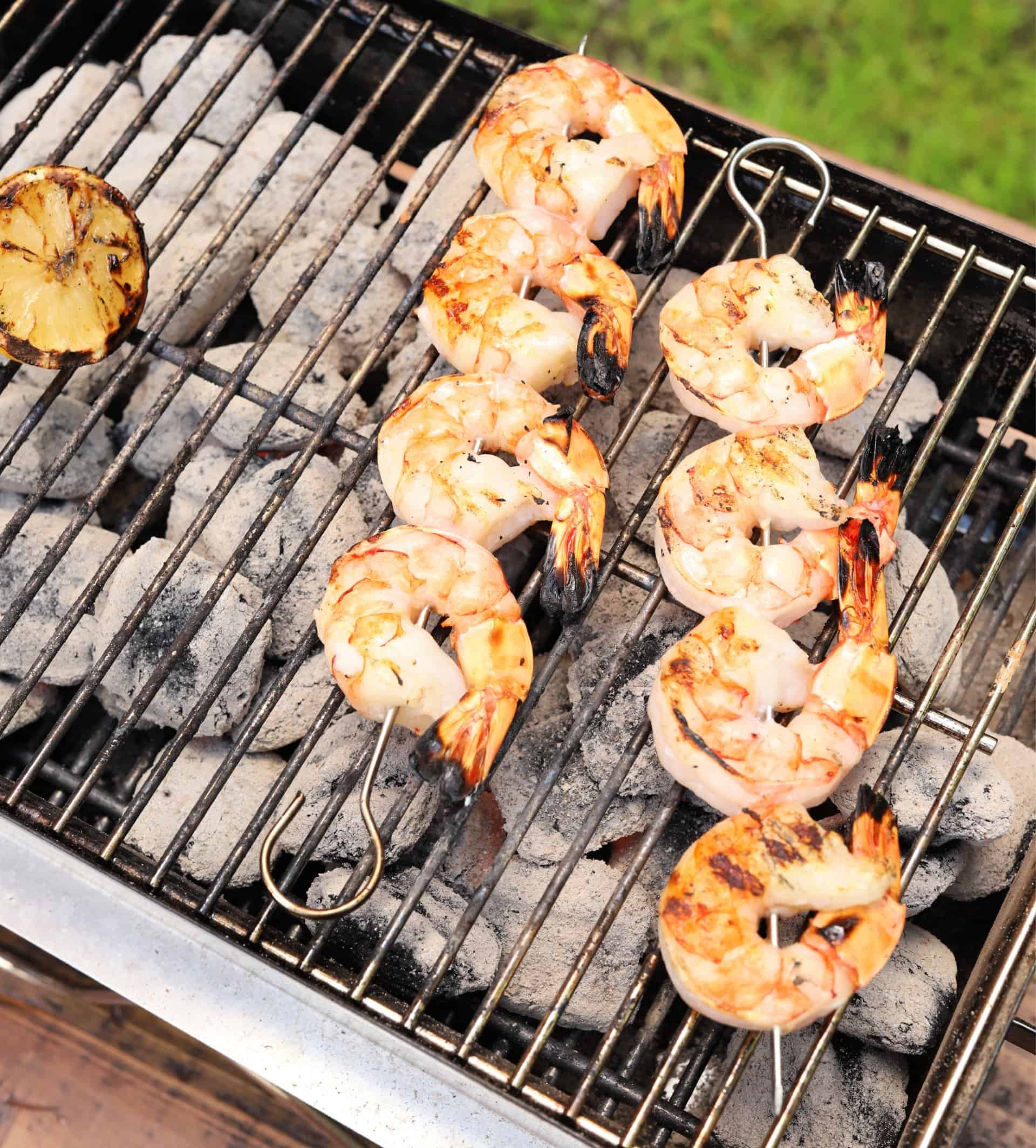
- Metal or heatproof wooden skewers soaked 30 minutes to avoid burning.
- A clean, stiff wire brush to oil grates and remove debris.
- Instant-read thermometer for checking shrimp temperature.
- Tongs and a wide spatula to flip shrimp without tearing.
Selecting and prepping shrimp
Choose shrimp size and prep to match your grill plan for perfect grilling shrimp on gas grill.
- Size matters: Use large or extra-large shrimp. They are easier to handle and less likely to overcook.
- Shell on or off: Shell-on gives flavor and protects flesh. Peeled and deveined shrimp grill faster and are easier to eat.
- Thaw safely: Thaw frozen shrimp overnight in the refrigerator or in cold water for 20–30 minutes.
- Pat dry: Excess moisture leads to steaming. Dry shrimp before seasoning or brining.
Personal note: I learned the hard way that wet shrimp don’t char. Patting dry changed my results overnight.
Marinades, rubs, and brines for flavor
Balancing time and flavor is key when grilling shrimp on gas grill. Shrimp absorb marinades quickly and can turn mushy if left too long.
- Quick marinades: Acid (citrus or vinegar), oil, and aromatics for 15–30 minutes.
- Brine option: 5% salt water for 15–30 minutes for juicier shrimp without masking flavor.
- Dry rubs: Use paprika, garlic powder, and a pinch of sugar for crust when grilled.
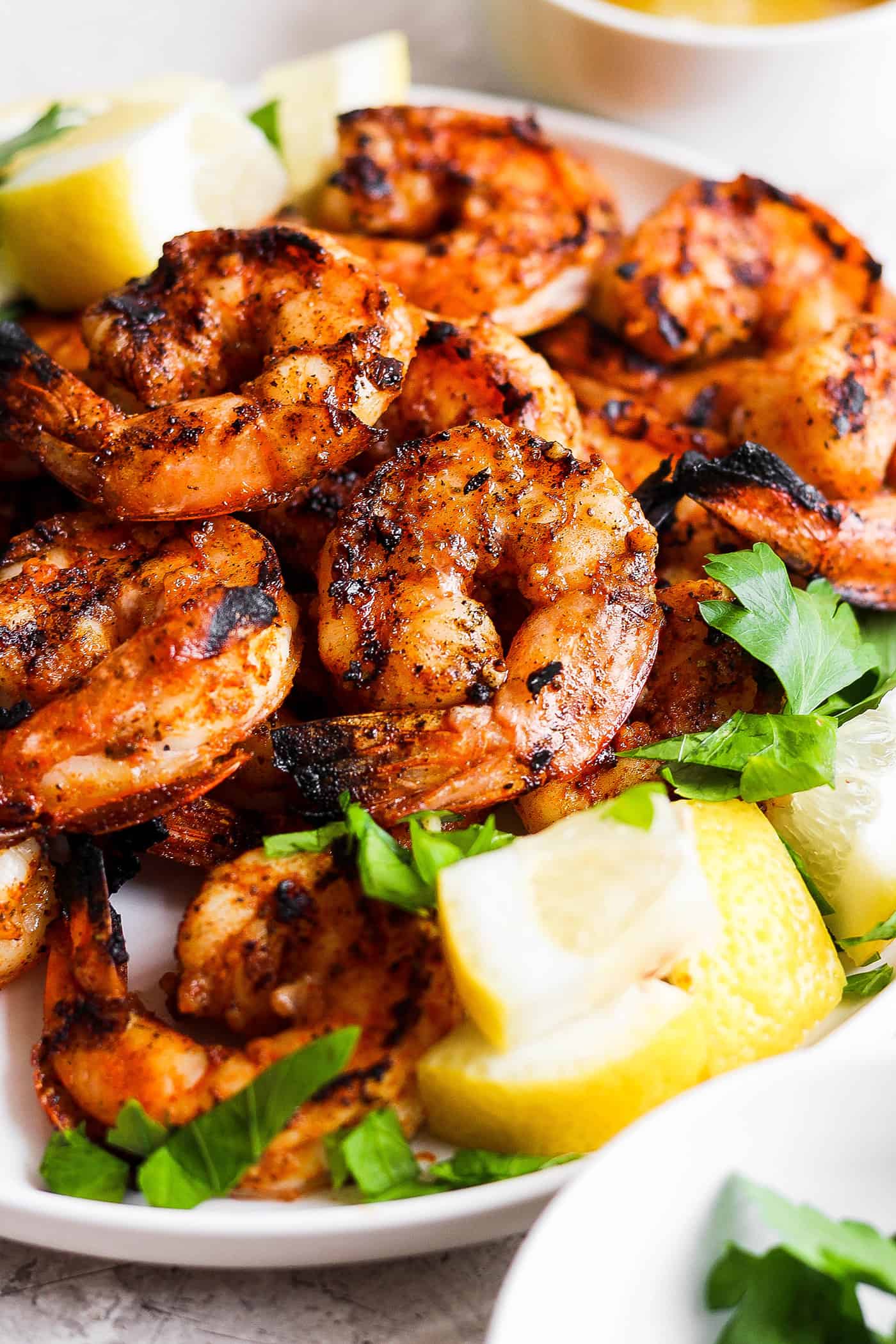
- Butter baste: Melted butter with garlic and lemon adds finish during or after grilling.
Tip from experience: I avoid long acidic marinades over 30 minutes. The texture softens and the shrimp lose bounce.

Step-by-step: How to grill shrimp on gas grill
Follow these steps to grill shrimp on gas grill with confidence.
- Preheat and oil
- Preheat grill to medium-high (about 400°F).
- Clean grates and oil with an oiled cloth held with tongs.
- Arrange burners
- Turn one burner to medium-high and leave the adjacent burner low or off to create an indirect zone.
- Skewer or use a grill basket
- Thread shrimp on skewers, keeping them snug but not crowded. Or use a basket for loose shrimp.
- Sear and rotate
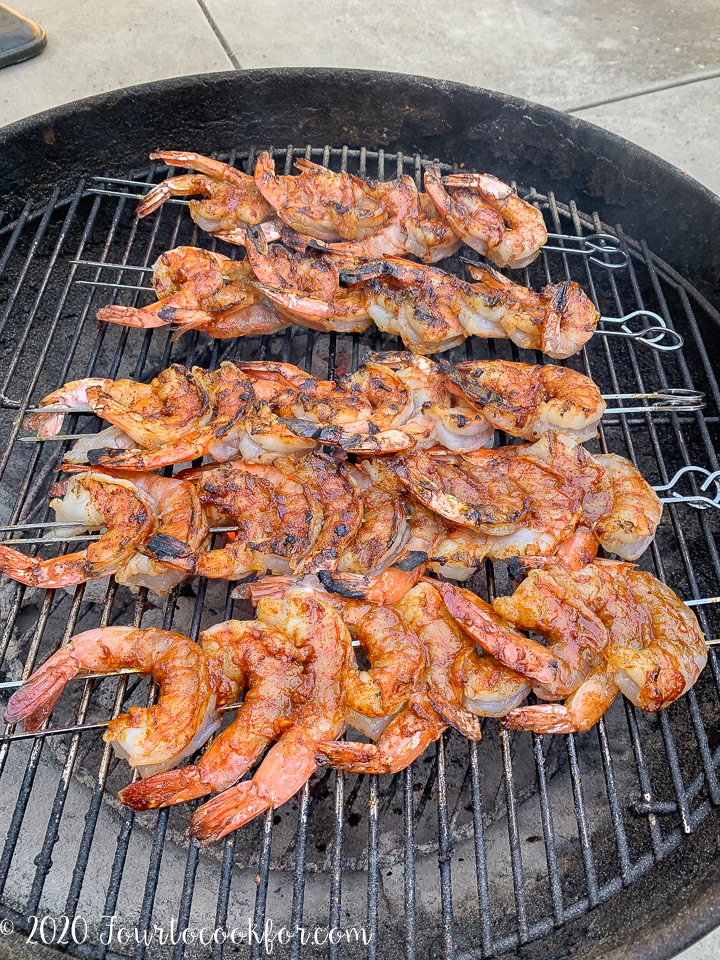
- Place shrimp over direct heat. Grill 1.5–2 minutes per side until opaque and slightly charred. Flip once.
- Move to indirect if finishing needed
- If shrimp need a little more time, move to the cooler zone to finish without burning.
- Rest and serve
- Remove shrimp at 120–125°F internal temperature for carryover to 130–135°F. Rest 2 minutes before serving.
I learned to flip only once. Too much flipping ruins the char and texture.
How to tell doneness and serve
Doneness is visual and by temperature when grilling shrimp on gas grill.
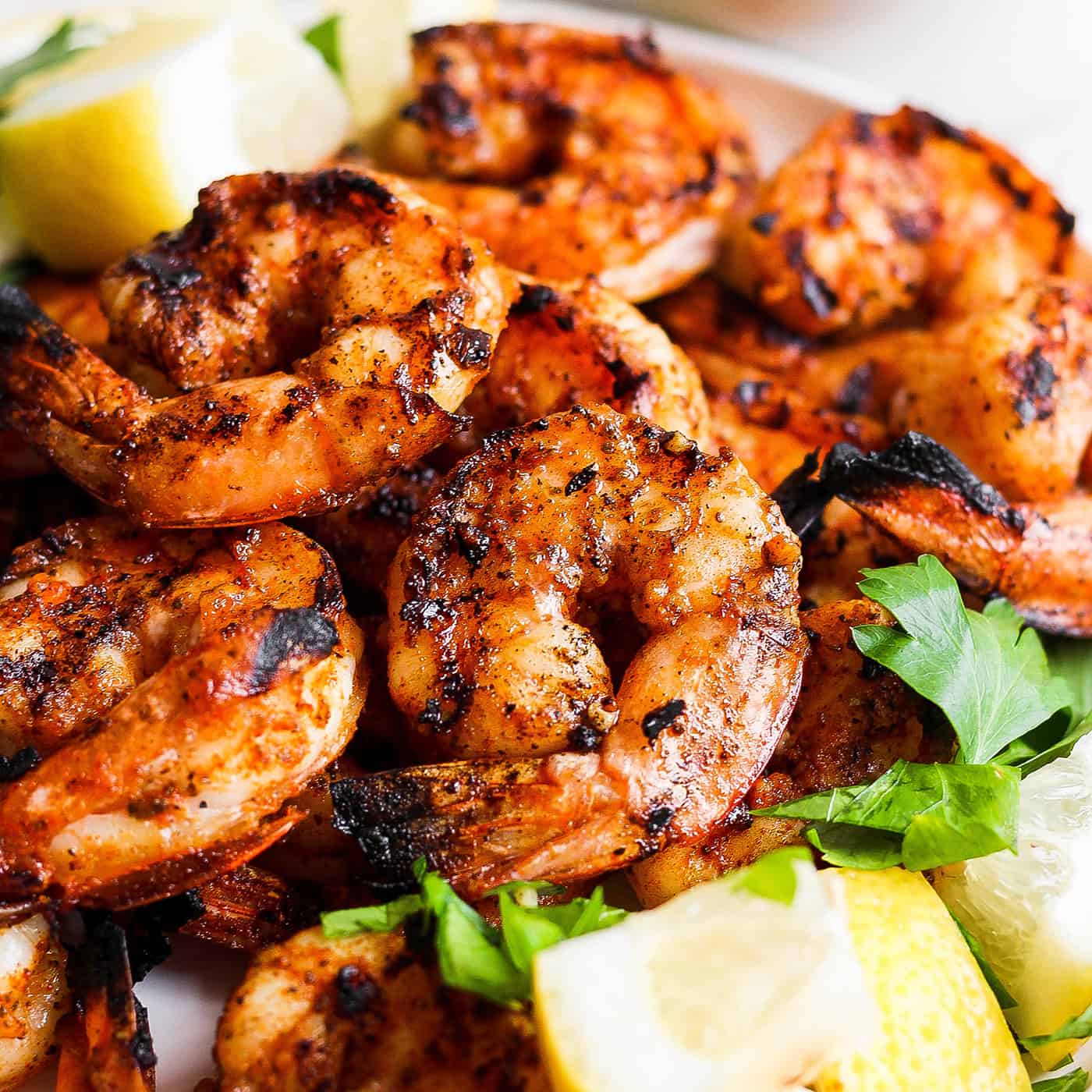
- Visual cues: Shrimp turn opaque, pink, and form a loose C-shape when done. A tight O-shape means overcooked.
- Temperature: Pull at 120–125°F for medium-rare carryover to 130–135°F. Use an instant-read thermometer for certainty.
- Serving ideas: Serve with lemon wedges, garlic butter, chimichurri, or a simple salsa. Shrimp work well in tacos, salads, or on skewers.
Quick tip: Remove shrimp a touch early. They keep cooking off the grill for a minute or two.
Common mistakes and troubleshooting
Avoid these pitfalls when grilling shrimp on gas grill.
- Mistake: Over-marinating. Solution: Limit acidic marinades to 30 minutes.
- Mistake: High heat without control. Solution: Create direct and indirect zones on your gas grill.
- Mistake: Crowding the grate. Solution: Give shrimp space to sear and char.
- Mistake: Not oiling the grates. Solution: Oil the grates or brush shrimp lightly with oil to prevent sticking.
- Mistake: Flipping too often. Solution: Flip once for the best crust and texture.
Personal anecdote: Once I overloaded the skewers and ended up steaming shrimp. Spacing fixed it.

Frequently Asked Questions of grilling shrimp on gas grill
How long should shrimp be on a gas grill?
Shrimp typically take 2–4 minutes total on a gas grill. Cook 1.5–2 minutes per side over medium-high heat until opaque and slightly charred.
Should I grill shrimp with shells on or off?
Shell-on adds flavor and shields the meat, while peeled shrimp cook faster and are easier to eat. Both work well when grilling shrimp on gas grill.
Can I use frozen shrimp for grilling?
Yes, but fully thaw and pat dry before seasoning. Thawed shrimp grill more evenly and will char rather than steam.
What temperature is best for grilling shrimp on gas grill?
Aim for medium-high heat around 375–425°F. This range gives a quick sear without burning the exterior.
How do I keep shrimp from sticking to the grill?
Dry the shrimp, oil the grates, and use a clean grill brush or oiled cloth before cooking. Also avoid moving shrimp too soon after placing them on the grate.
Conclusion
Grilling shrimp on gas grill is fast, forgiving, and rewarding when you control heat, timing, and preparation. Use proper prep, create direct and indirect zones, and pull shrimp early to avoid overcooking. Try a simple brine, quick marinade, or a garlic butter finish and practice a few times for perfect results. For more expert grilling techniques, check out our guide on grilling tuna steaks on gas grill. Now fire up your gas grill, pick your favorite seasoning, and share your best shrimp recipe in the comments or subscribe for more grilling tips.
