

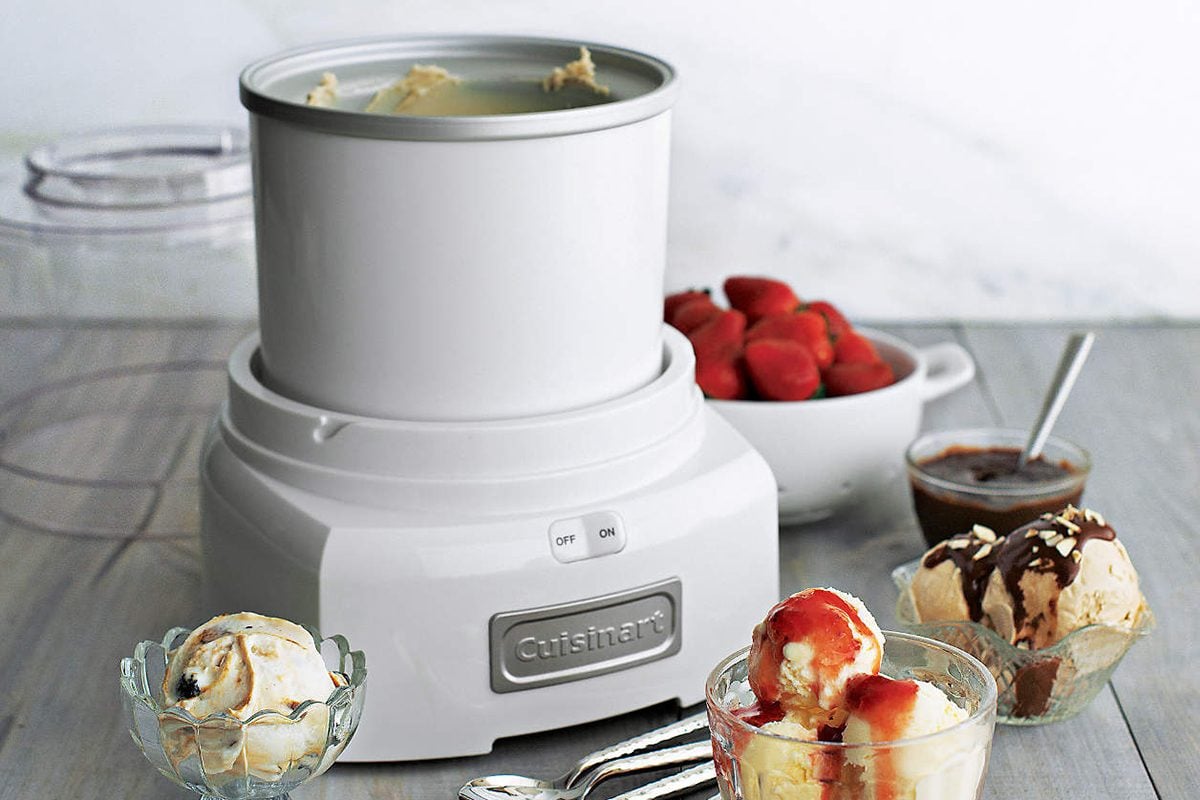
Most ice cream makers run between 20 and 60 minutes, depending on model and recipe.
I’ve made ice cream at home for years, testing many machines and recipes to learn exactly how long to run ice cream maker to get smooth, scoopable results. This guide breaks down timing by machine type, recipe, and batch size, shares troubleshooting tips from real tests, and helps you predict when your churn will be done. Read on to make perfectly churned ice cream every time.

How long to run ice cream maker: general guideline
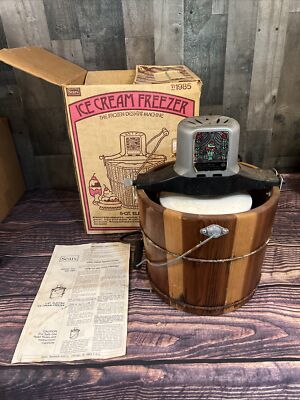
When you ask how long to run ice cream maker, the simple answer depends on the machine. Compressor ice cream makers usually finish in 20 to 40 minutes. Freezer-bowl (pre-frozen bowl) models typically need 30 to 60 minutes. Hand-crank and ice-and-salt machines can take 40 minutes to an hour or more.
Typical timing at a glance
- Compressor machine: 20 to 40 minutes.
- Freezer-bowl machine (pre-frozen bowl): 30 to 60 minutes.
- Hand-crank or ice-and-salt: 40 to 90 minutes.
- Small, low-power countertop machines: 30 to 70 minutes.
Remember that these are churning times. After churning, most recipes call for firming in the freezer for 2 to 4 hours. If you want to know how long to run ice cream maker for a firmer texture straight from the machine, plan on the longer end of the range for that machine type.

Factors that affect how long to run ice cream maker
Several things change how long to run ice cream maker. Understand them to get reliable results.
Batch size and fill level
- Larger batches take longer to thicken.
- Do not overfill; most machines work best at the recommended fill level.
Base temperature and recipe
- Warmer bases need more churn time to cool and incorporate air.
- Recipes with more sugar or alcohol freeze more slowly.
Machine type and power
- Compressor models have built-in cold and finish faster.
- Freezer-bowl units depend on how cold the bowl is. If it's not fully frozen, times lengthen.
- Older or low-power machines often need extra churn time.
Initial chilling of the base
- Chilling the custard or mix in the fridge overnight cuts churn time.
- Cold mix helps reach target texture faster.
Room temperature and humidity
- Hot kitchens cause slight delays. Humidity affects freeze rate and texture.
Stabilizers and mix-ins
- Heavy creams and stabilizers thicken faster. Large mix-ins (nuts, fruit) slow down churning.

Step-by-step timing by machine type
This section gives realistic steps and timing so you can plan.
Compressor models (best for consistency)
- Pre-chill ingredients in the fridge for at least 2 hours.
- Turn on the machine and pour the cold mix.
- Expect 20 to 40 minutes of churning until soft‑serve texture.
- For firmer ice cream, transfer to a container and freeze 2 to 4 hours.
Freezer-bowl machines (popular household type)
- Freeze the bowl for the recommended time (often 12–24 hours).
- Chill your mix well.
- Add mix and churn 30 to 60 minutes. If bowl wasn’t fully frozen, it can take longer.
- Finish in the freezer for 2 to 4 hours for scoopable consistency.
Hand-crank and ice-and-salt machines (traditional)
- Prepare mix and chill thoroughly.
- Churn manually or maintain ice/salt levels; expect 40 to 90 minutes depending on effort.
- Firm in freezer if desired.
Small countertop and single-serve machines
- These can take 30 to 70 minutes. Read the manual and avoid overfilling. Small units often produce the soft-serve stage only.
How long to run ice cream maker for sorbet and gelato
- Sorbet often needs 20 to 40 minutes in machines.
- Gelato churns faster than ice cream in some machines because of lower fat and different temperatures; expect 20 to 45 minutes.
Tips to shorten churn time and troubleshoot
Use these tricks from testing to control how long to run ice cream maker and avoid common problems.
Shorten churn time
- Fully chill the base overnight. Cold mix equals faster churning.
- Freeze bowls and parts to the coldest recommended temp.
- Use smaller batches if your machine struggles with large volumes.
If the mix never thickens
- Check bowl temperature and freezer depth. A partially frozen bowl is a common issue.
- Make sure the mix is properly chilled and not too thin; increase fat or reduce liquid if necessary.
- Clean the machine; old residue can interfere with churning.
If it freezes solid or clogs
- Stop early if motor strains. Remove and let soften in the fridge before re-churning.
- For very low-sugar or low-alcohol recipes, reduce freezing time after churning because they harden faster in the freezer.
Timing checklist for reliable results
- Chill mix overnight when possible.
- Pre-freeze bowls or use a compressor.
- Start timing when mix is added.
- Stop at soft-serve stage for sundaes; freeze for firmer scoops.

Personal experience, lessons learned, and mistakes to avoid
I’ve tested many machines and learned that predictable timing comes from routine. One memorable mistake: I once skipped freezing the bowl after a weekend trip. The machine took nearly double the usual time and never reached a smooth texture. Lesson: preparation matters more than power.
Practical tips I use every batch
- Always chill the base. It’s the single best time-saver.
- Use an instant-read thermometer. Aim for mix below 40°F before churning.
- Stir in add-ins during the last few minutes of churn to keep texture even.
Common mistakes
- Overfilling leads to slushy, uneven results and longer churn times.
- Repeatedly opening the lid wastes cold air and extends run time.
- Ignoring manufacturer’s fill and freeze instructions reduces consistency.

Frequently Asked Questions of how long to run ice cream maker
How long should I run a compressor ice cream maker?
Most compressor machines take 20 to 40 minutes to reach a soft-serve stage. For firmer ice cream, plan an additional 2 to 4 hours in the freezer.
My freezer bowl didn’t chill enough. How long should I run the machine?
If the bowl wasn’t fully frozen, expect 45 to 90 minutes, and results may be softer. Freeze the bowl 12–24 hours next time for normal run times.
When should I stop churning and freeze the ice cream?
Stop when the mix reaches a thick, soft-serve texture and holds shape on a spoon. Then put it in the freezer for 2 to 4 hours to firm.
Does the recipe change how long to run ice cream maker?
Yes. High-sugar or alcohol-rich recipes take longer to freeze, while higher-fat recipes often thicken faster. Chill the base well for any recipe.
Can I speed up churning by increasing motor speed?
No. Forcing a machine beyond its design can damage the motor and harm texture. Follow the machine’s instructions and improve preparation instead.
How do mix-ins affect churn time?
Large or frozen mix-ins slow the process. Add them in the last 2–5 minutes so you don’t interrupt churning or cool the base too quickly.
Conclusion
Understanding how long to run ice cream maker lets you plan batches confidently and get consistent texture from soft-serve to scoopable hard ice cream. Chill your base, follow your machine’s instructions, and watch for the soft-serve stage—then finish with a short freeze if you want firmer results. Try a small test batch, note the time, and adjust as you learn your machine’s rhythm. Share your favorite recipe or timing tips in the comments, or subscribe for more hands-on ice cream advice and recipes.
