

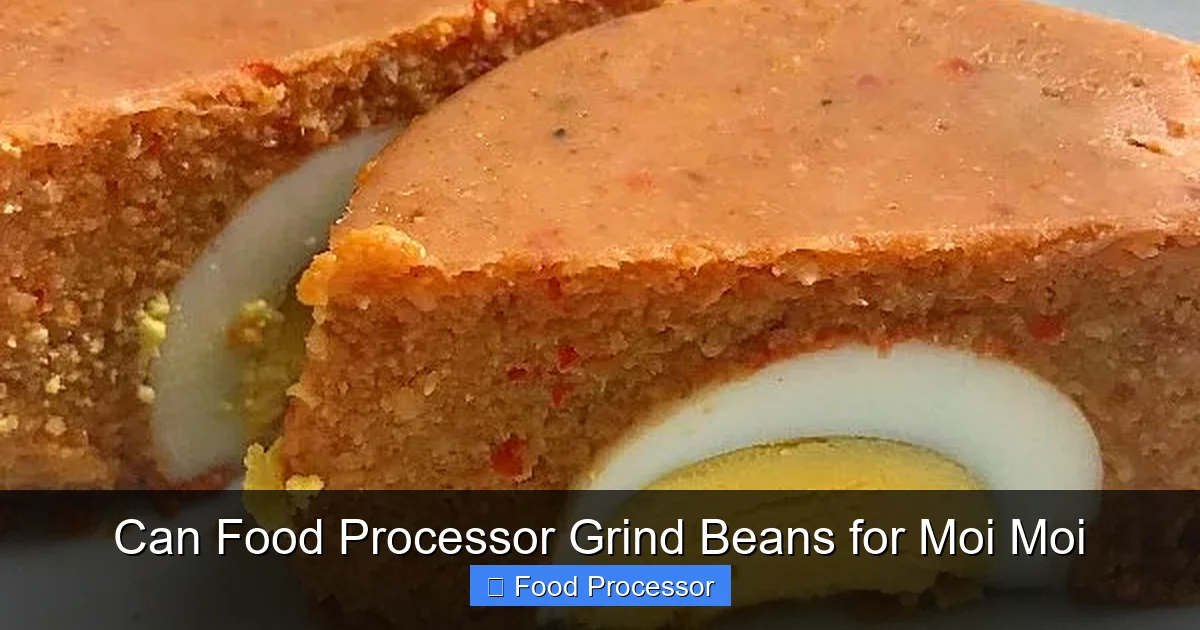
Yes, you absolutely can use a food processor to grind beans for moi moi! While traditional methods often involve specialized mills, a food processor offers a convenient and effective alternative for home cooks. With proper bean preparation, the right amount of water, and strategic pulsing, you can achieve a wonderfully smooth bean paste, perfect for delicious, fluffy moi moi. This guide will walk you through every step to ensure your success.
Can Food Processor Grind Beans for Moi Moi
Welcome, fellow food enthusiasts and moi moi lovers! If you’ve ever dreamt of making homemade moi moi but found yourself intimidated by the bean grinding process, you’re in the right place. Moi moi, that delicious, steamed Nigerian bean pudding, is a beloved dish known for its rich flavor and incredibly smooth texture. Traditionally, achieving that silky consistency required a powerful grinding machine or a trip to a local mill. But what if you could achieve similar fantastic results right in your own kitchen using a common appliance?
Yes, you absolutely can use a food processor to grind beans for moi moi! This guide will demystify the process, turning your kitchen counter into a moi moi production line. We’ll walk you through everything, from preparing your beans to achieving that perfect, smooth batter that will make your moi moi dreams a reality. No more excuses; let’s get grinding!
Key Takeaways
- Soaking is Non-Negotiable: Proper soaking softens the beans and helps in effortless skin removal, making them significantly easier for your food processor to grind into a silky-smooth paste.
- Water is Your Ally: Add water gradually and judiciously while processing. Too little will strain your food processor’s motor and yield a chunky paste; too much will result in an overly thin, runny batter.
- Pulse for Control: Avoid continuous running. Use short, controlled pulses. This technique prevents motor overheating and allows you to monitor and achieve an even, desired texture without over-processing.
- Scrape Down Sides Regularly: Beans tend to stick to the sides of the food processor bowl. Periodically stop, scrape down the sides with a spatula, and redistribute the mixture to ensure uniform grinding.
- Work in Manageable Batches: Overfilling your food processor is a recipe for disaster, leading to inconsistent grinding and unnecessary stress on your appliance. Process smaller quantities for better results.
- Thorough Skin Removal is Crucial: For the smoothest, most authentic moi moi texture, strive to remove as many bean skins as possible after soaking. This step makes a noticeable difference.
- Results May Vary (But Still Delicious): While a food processor can produce excellent moi moi batter, the texture might be subtly different from traditionally stone-ground beans. Rest assured, your moi moi will still be incredibly tasty!
Why Use a Food Processor for Moi Moi Beans?
Using a food processor to grind beans for moi moi offers several advantages, especially for home cooks who don’t have access to traditional grinding equipment.
Firstly, it’s about convenience. Most modern kitchens have a food processor, making it a readily available tool. You don’t need to invest in specialized machinery or travel to a commercial mill. Secondly, it offers control. You can dictate the consistency of your bean paste, pulsing until it reaches your desired smoothness. This is a huge plus compared to relying on someone else to grind your beans. While a food processor might require a bit more attention and a few extra steps compared to a heavy-duty mill, the end result is still a wonderfully smooth batter that’s perfect for moi moi.
It’s important to set expectations: while a food processor does a great job, it might not replicate the exact fine texture of a professional wet grinder. However, for delicious homemade moi moi, it’s more than sufficient. With the right technique, your moi moi will still be incredibly light, fluffy, and flavorful.
What You’ll Need
Before we dive into the grinding process, gather your tools and ingredients. Preparation is key to a smooth operation!

Visual guide about Can Food Processor Grind Beans for Moi Moi
Image source: 9jafoodie.com
Ingredients:
- Dry Brown or Black-Eyed Beans: The star of the show. Choose good quality, fresh beans.
- Water: For soaking and for grinding. Ensure it’s clean and fresh.
Equipment:
- A Reliable Food Processor: The more powerful, the better, but even a standard food processor can get the job done with patience. If you’re looking to upgrade or curious about what makes a good one, you might want to read our guide on what to look for when buying a food processor.
- Sharp Chopping Blade: Ensure your food processor is fitted with its standard S-blade (chopping blade).
- Large Bowl: For soaking the beans.
- Fine-Mesh Sieve or Colander: For draining and rinsing.
- Spatula: To scrape down the sides of the food processor bowl.
Step-by-Step Guide: How to Grind Beans for Moi Moi with a Food Processor
Now for the exciting part! Follow these steps carefully to transform your beans into the perfect moi moi batter.
Step 1: Prepare Your Beans – Soaking and Peeling
This is arguably the most critical step for achieving smooth moi moi. Do not skip or rush this part.
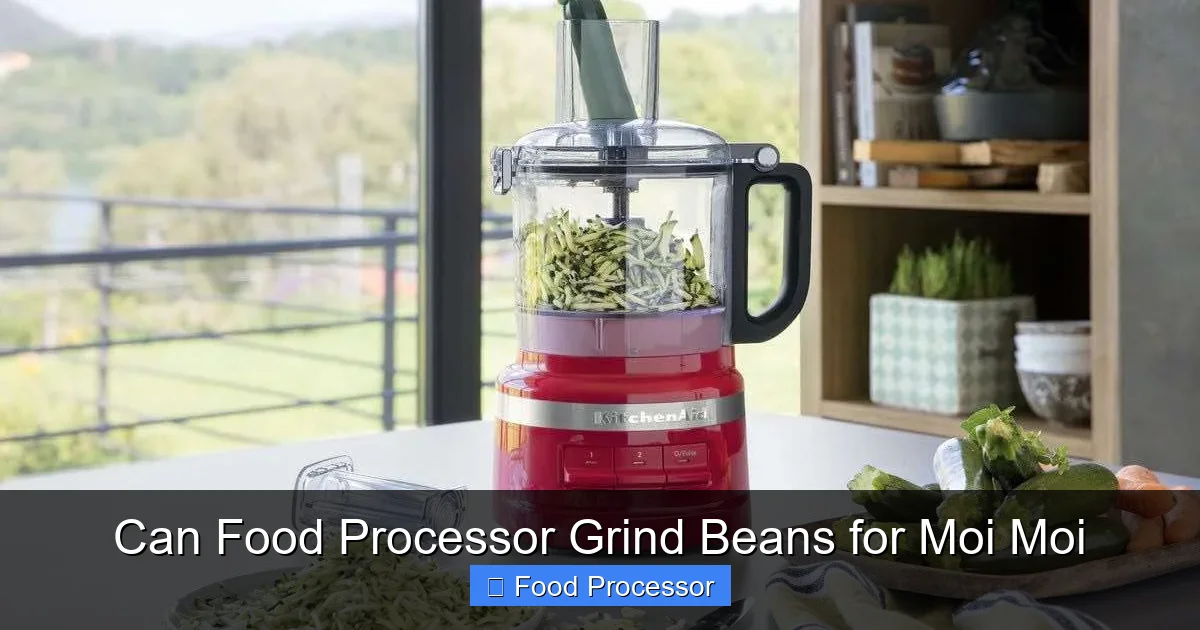
Visual guide about Can Food Processor Grind Beans for Moi Moi
Image source: brewingcoffees.com
- Rinse the Beans: Start by thoroughly rinsing your dry beans under cold running water to remove any dust or debris.
- Soak the Beans: Place the rinsed beans in a large bowl and cover them with plenty of cold water. The beans will expand significantly, so use a bowl much larger than you think you need.
- Soaking Time: Let the beans soak for at least 4-6 hours, or preferably overnight. The longer they soak, the softer they become, which makes them easier to peel and grind. For very dry or tough beans, an overnight soak is ideal.
- Peel the Beans: Once soaked, the skins should be easy to remove. There are a few methods:
- Hand Rubbing: Rub the beans vigorously between your palms under running water. The skins will loosen and float to the top.
- Food Processor Pulse (Carefully): You can use your food processor for a quick assist. Add the soaked beans to the food processor with just enough water to cover them. Pulse a few times (3-5 short pulses, no more) until you see the skins start to separate. Be very careful not to over-process, or you’ll start mashing the beans themselves.
- Rinse and Repeat: Drain the beans in a colander, then return them to the bowl. Cover with fresh water, rub again, and drain. Repeat this process until most of the skins are removed and the water runs clear. A fine-mesh sieve helps here to catch any stubborn skins. Aim to remove as many skins as possible for the smoothest moi moi.
Step 2: Set Up Your Food Processor
With your beans beautifully peeled and rinsed, it’s time to prepare your food processor.
- Ensure Cleanliness: Make sure your food processor bowl and blade are thoroughly clean and dry.
- Attach the Blade: Securely attach the standard S-blade (chopping blade) to the spindle in the food processor bowl.
- Don’t Overfill: Remember that a food processor works best when not overloaded. You’ll likely need to process your beans in batches, especially if you’re making a large quantity. A good rule of thumb is to fill the bowl no more than halfway with beans before adding water. For general advice on food processor usage, especially concerning motor longevity, consider reading our article on how long can you leave a food processor running.
Step 3: Begin the Grinding Process
Now, let’s turn those beans into a paste.
- Add First Batch of Beans: Spoon a manageable amount of peeled beans into the food processor bowl.
- Start with Short Pulses: Secure the lid and begin by using short, quick pulses. This initial pulsing helps to break down the beans and prevent them from clumping together. You’ll notice the beans starting to look coarsely chopped.
Step 4: Add Water Gradually
This is where precision comes in. Adding the right amount of water at the right time is crucial for a smooth paste.
- Begin Adding Water: With the food processor running (or pulsing), slowly drizzle in a small amount of cold water through the feed tube. Start with about 1/4 to 1/2 cup of water for every 2 cups of beans.
- Observe the Consistency: Continue to pulse and observe the consistency. The beans should start to form a thick, coarse paste. If the food processor sounds strained, add a little more water.
- Scrape Down Sides: Frequently stop the food processor and use your spatula to scrape down any beans clinging to the sides of the bowl. This ensures that all beans are evenly processed and no dry chunks are left behind.
Step 5: Achieve the Perfect Consistency
Patience and observation are your best friends here.
- Continue Pulsing and Adding Water: Keep pulsing and adding small amounts of water, a tablespoon or two at a time, until the mixture transforms into a smooth, creamy paste. The texture you’re aiming for is similar to a thick pancake batter or a very smooth peanut butter. Speaking of smooth pastes, if you enjoy making your own spreads, you might find our guide on the best food processor for peanut butter quite useful!
- Test for Smoothness: Rub a tiny bit of the paste between your fingers. It should feel smooth, with no discernible gritty pieces. If it’s still gritty, continue pulsing and adding a tiny bit more water if needed. Be careful not to add too much water, as this can make your moi moi watery and prevent it from setting properly.
Step 6: Empty and Repeat (If Necessary)
Once your first batch is perfectly smooth, you’re almost there!
- Transfer the Paste: Carefully remove the blade and transfer the smooth bean paste to a large mixing bowl.
- Repeat for Remaining Beans: If you have more beans to grind, clean out the food processor bowl (a quick rinse is usually enough) and repeat Steps 3-5 until all your beans are processed.
- Combine and Mix: Once all batches are ground, combine them in the large mixing bowl. At this stage, you would typically add other moi moi ingredients like chopped onions, bell peppers, Scotch bonnets, oil, fish, boiled eggs, seasoning cubes, and salt. Mix thoroughly until everything is well incorporated.
Tips for the Smoothest Moi Moi Batter
Grinding beans for moi moi with a food processor is definitely achievable, but a few expert tips can elevate your results from good to exceptional.
Don’t Rush the Soaking
Seriously, this cannot be stressed enough. The longer and more effectively your beans soak, the softer they become. Soft beans are much easier on your food processor’s motor and yield a significantly smoother paste. If you skimp on soaking, you’ll end up with a gritty texture and potentially a strained appliance.

Visual guide about Can Food Processor Grind Beans for Moi Moi
Image source: tastingtable.com
The Right Amount of Water is Crucial
This is a delicate balance. Too little water, and your beans won’t grind properly; your food processor will struggle, and the paste will be lumpy. Too much water, and your moi moi batter will be runny, leading to a loose, unset pudding. Start with a small amount, and add water gradually, a tablespoon at a time, until you reach the desired consistency – thick but pourable.
Pulse Power
Resist the urge to just turn on your food processor and let it run continuously. While processing other ingredients like coffee beans, continuous running might be okay depending on the desired grind (you can learn more about that in our article: Can You Use Food Processor To Grind Coffee Beans), for moi moi beans, short, controlled pulses are far more effective. Pulsing allows you to observe the consistency, scrape down the sides, and prevent the motor from overheating. It gives you greater control over the final texture.
Scrape, Scrape, Scrape
As you pulse, beans will invariably stick to the sides and lid of the food processor bowl. Stop frequently and use a rubber spatula to scrape everything back down towards the blade. This ensures all the beans are evenly processed and prevents dry, unground chunks from remaining in your paste.
Don’t Overfill
Food processors, especially home models, have their limits. Overfilling the bowl with beans will not only stress the motor but also result in uneven grinding. It’s far better to work in smaller batches – say, 1 to 2 cups of beans at a time, depending on your food processor’s capacity – than to try to cram everything in at once. This ensures efficient and consistent grinding. If you often find yourself needing to process smaller amounts, you might be interested in checking out our recommendations for the best food processor for small quantities.
Consider Your Food Processor Model
More powerful food processors (typically 700 watts and above) with larger capacities will handle grinding beans more efficiently and with less strain. If you have a smaller or less powerful model, simply be extra patient, work in even smaller batches, and give your appliance short breaks to prevent overheating.
Troubleshooting Common Issues
Even with the best intentions, you might run into a snag or two. Here are some common problems and their solutions:
Beans Aren’t Grinding Smoothly (Gritty Texture)
- Issue: Your bean paste still feels gritty even after extensive pulsing.
- Solution:
- Soaking: Did you soak the beans long enough? If not, next time, extend the soaking time, possibly overnight.
- Skins: Are there still too many bean skins? The more skins you remove, the smoother the result. Re-evaluate your peeling process.
- Water: Is there enough water? Gradually add a tablespoon or two more water and continue pulsing. The mixture needs liquid to become smooth.
- Patience: Keep pulsing and scraping. Sometimes it just takes a bit more time and persistence, especially with less powerful food processors.
Batter is Too Thick
- Issue: The bean paste is very thick and difficult to mix or pour.
- Solution: Slowly add a tablespoon of cold water at a time while pulsing until the desired consistency is reached. Remember, you can always add more water, but you can’t take it out!
Batter is Too Thin
- Issue: Your bean paste is too watery and runny, which will result in moi moi that won’t set.
- Solution: Unfortunately, this is harder to fix.
- Add More Dry Beans: If you have more soaked, peeled beans, you can grind them with minimal water and add them to thicken the mixture.
- Add Bean Flour: As a last resort, if you happen to have some bean flour (like a finely ground bean paste powder), you could try mixing in a small amount. This isn’t ideal for moi moi but might save the batch for a different bean dish.
- Adjust for Next Time: Make a mental note to be more cautious with water addition in the future, starting with very small amounts.
Food Processor Overheating
- Issue: Your food processor feels hot, emits a burning smell, or shuts off automatically.
- Solution:
- Unplug Immediately: Turn off and unplug the appliance.
- Reduce Load: You’ve likely overloaded it. Remove some of the beans, making sure to process in smaller batches.
- Let it Rest: Allow your food processor to cool down completely before attempting to use it again. This prevents damage to the motor.
- Pulse, Don’t Run: Ensure you are using short pulses rather than continuously running the motor, which puts less strain on the appliance.
Conclusion
So, can a food processor grind beans for moi moi? Absolutely! With the right approach and a little patience, your trusty food processor can transform humble beans into the smooth, silky paste needed for delectable moi moi. This guide has equipped you with all the knowledge and practical tips to master the process, ensuring your homemade moi moi is a resounding success.
From meticulous soaking and peeling to strategic pulsing and careful water addition, each step plays a vital role in achieving that coveted smooth texture. Don’t be afraid to experiment and adjust quantities based on your food processor’s power and your desired consistency. Embrace the convenience and control that your food processor offers, and get ready to enjoy incredibly flavorful, homemade moi moi that will impress family and friends alike. Happy cooking!
