

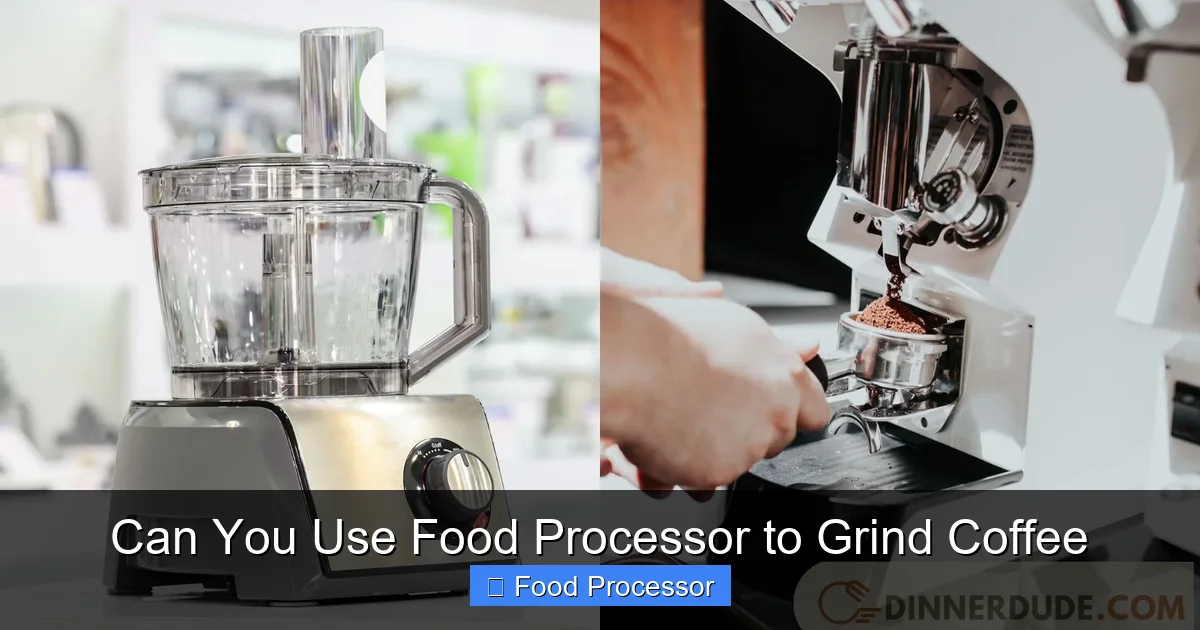
Yes, you *can* use a food processor to grind coffee beans, especially when you don’t have a dedicated coffee grinder. While it won’t achieve the ultra-fine, consistent grind of a burr grinder, a food processor is excellent for creating coarse to medium grinds suitable for French press or drip coffee. This guide will walk you through the process, ensuring you get the best possible results for a delicious cup of coffee.
Can You Use Food Processor to Grind Coffee
Ever found yourself craving a fresh cup of coffee, only to realize your coffee grinder is broken, missing, or you simply don’t own one? It’s a common dilemma for many coffee lovers. But don’t fret! Your trusty food processor might just be the hero you need in this caffeinated crisis. The good news is, yes, you absolutely *can* use a food processor to grind coffee.
While a dedicated burr grinder offers the most consistent and precise grind, a food processor is a perfectly capable alternative, especially for certain brewing methods. It might not produce the perfect espresso-fine powder, but it can certainly deliver a decent coarse to medium grind for your French press, drip machine, or percolator. In this comprehensive guide, we’ll walk you through everything you need to know about grinding coffee with your food processor, from preparation to troubleshooting, ensuring you can still enjoy a delicious, freshly brewed cup.
Why Grind Your Own Coffee?
Before we dive into the how-to, let’s quickly remember *why* grinding your own coffee beans is such a game-changer. Freshly ground coffee tastes undeniably better. When coffee beans are ground, their aromatic oils and compounds are exposed to the air, which quickly degrades their flavor. Grinding beans right before brewing locks in that rich aroma and robust taste that pre-ground coffee simply can’t match. It’s the first step to elevating your home coffee experience.
Understanding Coffee Grind Sizes
The type of grind you need largely depends on your brewing method. Different brew times and water contact require different particle sizes.
- Coarse Grind: Resembles sea salt. Ideal for French press, percolators, and cold brew. This requires longer brewing times.
- Medium Grind: Similar to regular sand. Works well for most drip coffee makers and pour-over methods. This is often a good target when using a food processor.
- Fine Grind: Feels like table salt. Suited for espresso machines, Moka pots, and Aeropress (with a shorter brew time). This is very difficult to achieve consistently with a food processor.
- Extra-Fine/Turkish Grind: Like flour or powdered sugar. Used for Turkish coffee. Nearly impossible with a food processor.
Your food processor will primarily excel at coarse to medium grinds. If you’re aiming for anything finer, manage your expectations, as achieving uniform consistency will be challenging.
Food Processor vs. Dedicated Coffee Grinder
It’s important to understand the differences. Dedicated coffee grinders come in two main types:
- Blade Grinders: Similar in mechanism to a food processor, they chop beans with spinning blades. They are inexpensive but produce an inconsistent grind with varying particle sizes.
- Burr Grinders: These crush beans between two abrasive surfaces (burrs). They offer a far more consistent and uniform grind, which is crucial for even extraction and superior flavor. They are generally more expensive but worth the investment for serious coffee enthusiasts.
A food processor falls into the “blade grinder” category. While it can get the job done, don’t expect burr grinder consistency. However, for a quick fix or if you usually make French press coffee, it’s a perfectly acceptable option. In fact, many people successfully grind coffee beans using a food processor for everyday use. If you’re wondering, can a food processor be used to grind coffee beans, the answer is a resounding yes!
Key Takeaways
- Food processors can grind coffee: They are a viable alternative for grinding coffee beans, especially if you don’t have a dedicated coffee grinder on hand.
- Best for coarse to medium grinds: Food processors excel at producing coarser grinds suitable for brewing methods like French press, percolators, or some drip coffee makers. Achieving a very fine, consistent grind for espresso is challenging.
- Pulsing is crucial: Short, controlled pulses are essential to prevent overheating the beans and to achieve a more uniform grind. Avoid continuous processing.
- Grind in small batches: Overfilling the food processor can lead to an uneven grind. Grind small quantities of beans at a time for better control and consistency.
- Check consistency frequently: Stop and check the grind size often to ensure you reach your desired consistency, as food processors can work quickly.
- Freshness matters: Grind only the amount of coffee you need right before brewing for the best flavor. Store whole beans in an airtight container.
- Expect some inconsistency: A food processor’s blade mechanism tends to produce a less uniform grind compared to a burr grinder, which might affect certain brewing methods.
Preparation: What You’ll Need
Gathering your tools before you start will make the process smoother.
- Whole Coffee Beans: Fresh is best!
- Food Processor: Any standard food processor with an S-blade attachment will work.
- Measuring Spoon/Scoop: To measure your beans accurately.
- Airtight Container: For storing any extra ground coffee (though we recommend grinding only what you need).
- Fine-Mesh Sieve (Optional): To separate finer particles from coarser ones if consistency is a major concern.
Step-by-Step Guide to Grinding Coffee in a Food Processor
Ready to make some fresh coffee? Let’s get started!
Get Your Beans Ready
First things first, you need your coffee beans. Make sure they are whole beans, not already ground. If you usually buy pre-ground coffee, this is your chance to taste the difference!
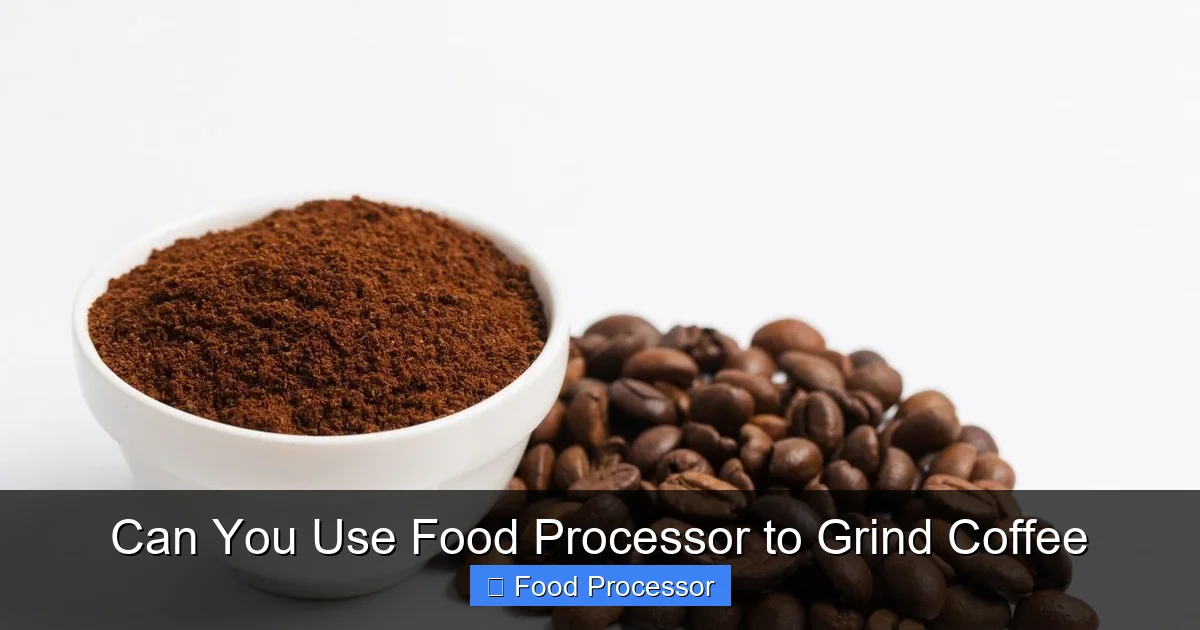
Visual guide about Can You Use Food Processor to Grind Coffee
Image source: helenacoffee.vn
Measure Your Beans
Measure out the amount of whole coffee beans you need for your desired number of cups. A good general guideline is 2 tablespoons of whole beans per 6 ounces of water. Remember, it’s always better to grind a smaller batch for consistency. Overfilling your food processor can lead to a less uniform grind.
Set Up Your Food Processor
Ensure your food processor is clean and dry. Any residual food particles or moisture can affect the taste of your coffee. If you need a refresher on how to use a food processor step by step, make sure all parts are assembled correctly and securely.
Choose the Right Blade
For grinding coffee, you’ll want to use the standard “S-blade” (also known as the universal blade or chopping blade). This is the blade that comes with most food processors and is designed for chopping, mixing, and pureeing.
Load the Beans
Carefully place your measured coffee beans into the food processor bowl. Do not fill the bowl more than one-third full. Small batches allow for better blade contact and a more even grind.
Pulse, Don’t Process Continuously
This is perhaps the most critical step. Unlike grinding spices or nuts, coffee beans can quickly overheat and release their oils if processed continuously, leading to a bitter taste. Pulsing is key.
The Pulsing Technique
Secure the lid on your food processor. Now, instead of turning it on and letting it run, you’re going to use short, quick pulses. Press the “Pulse” button (or turn the dial to “Pulse”) for 1-2 seconds, then release. Repeat this action.
Visual guide about Can You Use Food Processor to Grind Coffee
Image source: easylifeelectronic.com
Think of it like this: pulse, pause, pulse, pause. This technique gives the beans a chance to settle and redistributes them, allowing for a more even grind and preventing the blades from simply pushing them around.
It’s important to be mindful of how long you leave a food processor running, especially with harder items like coffee beans, as continuous operation can strain the motor or cause overheating. For best results, use short bursts.
Check Your Grind
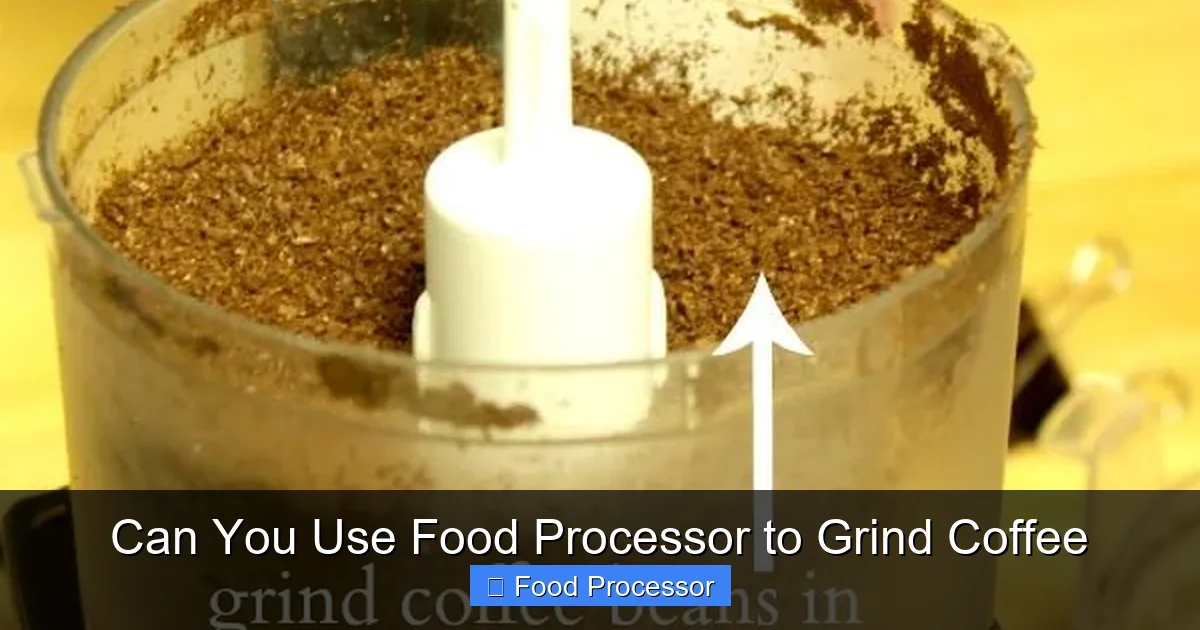
After about 10-15 pulses, stop the food processor. Carefully remove the lid and check the consistency of your coffee grounds. Use a spoon or your fingers to feel the texture. You’ll likely see some larger chunks and some finer particles at this stage.
Continue Pulsing to Desired Consistency
Put the lid back on and continue pulsing. Every 5-10 pulses, stop and check the grind. Gently shake the food processor bowl between checks to redistribute the beans. This helps ensure that all beans get an equal chance to be ground. Continue until you reach your desired grind size (coarse for French press, medium for drip coffee).
Remember, the goal isn’t necessarily perfect uniformity, but rather to get *most* of the grounds to your target size. If you’re aiming for a medium grind, you’ll still have some coarser and finer bits, which is normal for a food processor.
Remove and Store Your Coffee
Once you’re happy with the grind, it’s time to prepare your brew.
Carefully Remove Grounds
Unplug the food processor. Carefully remove the S-blade – it will likely have some grounds clinging to it. Then, pour your freshly ground coffee into your coffee maker’s filter or a separate container.
Visual guide about Can You Use Food Processor to Grind Coffee
Image source: images-na.ssl-images-amazon.com
Cleaning Up
Clean your food processor immediately after use. Coffee oils can leave a residue and impart a lingering smell. Most food processor bowls and blades are dishwasher safe, but always check your manufacturer’s instructions. If you’re wondering can you put food processor parts in the dishwasher, the answer is often yes, which makes cleanup a breeze!
Tips for Best Results
To get the most out of your food processor coffee grinding experience, keep these tips in mind:
- Grind in Small Batches: This cannot be stressed enough. Small batches ensure the blades have maximum contact with the beans and reduce the chance of uneven grinding.
- Use Fresh, Quality Beans: Even the best grinding method can’t salvage stale beans. Start with whole beans that are fresh and of good quality.
- Avoid Overheating: As mentioned, pulsing prevents the beans from getting too hot, which can “cook” them slightly and introduce bitterness. If you feel the bowl getting warm, take a break.
- Pulsing is Key: Don’t just turn it on and walk away. Constant vigilance with pulsing and checking is the secret to success with a food processor.
- Experiment: Don’t be afraid to try different pulsing durations and check intervals. Every food processor is a little different, and you’ll find what works best for yours.
- Consider a Sieve (Optional): If you find your grind is too inconsistent, you can pass the grounds through a fine-mesh sieve. The finer particles will fall through, and you can re-grind the coarser bits or use the sieved grounds for your brew. This extra step helps achieve better consistency, especially for pour-over methods.
Troubleshooting Common Issues
Even with the best intentions, you might run into a few snags. Here’s how to tackle them:
Uneven Grind
This is the most common complaint with food processors. You’ll likely see a mix of fine dust and larger chunks.
- Solution: Ensure you’re grinding in small batches. Use very short, controlled pulses and shake the bowl frequently to redistribute the beans. You can also try using a fine-mesh sieve to separate the fine dust from the coarser bits, then re-pulse the coarser bits.
Too Fine/Too Coarse
Sometimes you overshoot or undershoot your target grind size.
- Solution: For too fine, unfortunately, you can’t make it coarser! Just remember to check more frequently next time. For too coarse, simply continue pulsing in short bursts until you reach the desired consistency. It’s always easier to go finer than to make it coarser again.
Overheating Beans
If your grounds feel warm to the touch or smell burnt, your beans have overheated.
- Solution: This usually means you processed for too long continuously or pulsed too rapidly without breaks. Slow down, use shorter pulses, and take breaks between pulsing sessions to allow the motor and beans to cool down.
When NOT to Use a Food Processor for Coffee
While versatile, there are times when a food processor just isn’t the right tool for the job.
- Espresso or Turkish Coffee: These methods require an extremely fine and consistent grind. A food processor simply cannot achieve the uniformity needed for proper espresso extraction, often resulting in bitter or sour shots and potential damage to your espresso machine.
- Large Quantities: If you need to grind a large amount of coffee regularly, relying on a food processor will be tedious and inefficient. Investing in a proper burr grinder would be much more practical and beneficial in the long run.
- Ultimate Consistency is a Must: For coffee aficionados who obsess over every nuance of flavor and extraction, the inherent inconsistency of a blade grinder (like a food processor) will be a noticeable drawback.
Conclusion
So, can you use a food processor to grind coffee? Absolutely! While it might not be the ideal solution for every coffee aficionado or every brewing method, it’s a fantastic backup or primary option for getting fresh, coarse to medium-ground coffee. By following our step-by-step guide and keeping our tips and troubleshooting advice in mind, you can successfully turn whole beans into grounds ready for your favorite drip coffee maker or French press.
Don’t let the lack of a dedicated grinder stop you from enjoying the rich aroma and superior taste of freshly ground coffee. Your food processor is more capable than you think! Just remember to pulse, check, and enjoy the delicious results. Happy brewing!
