

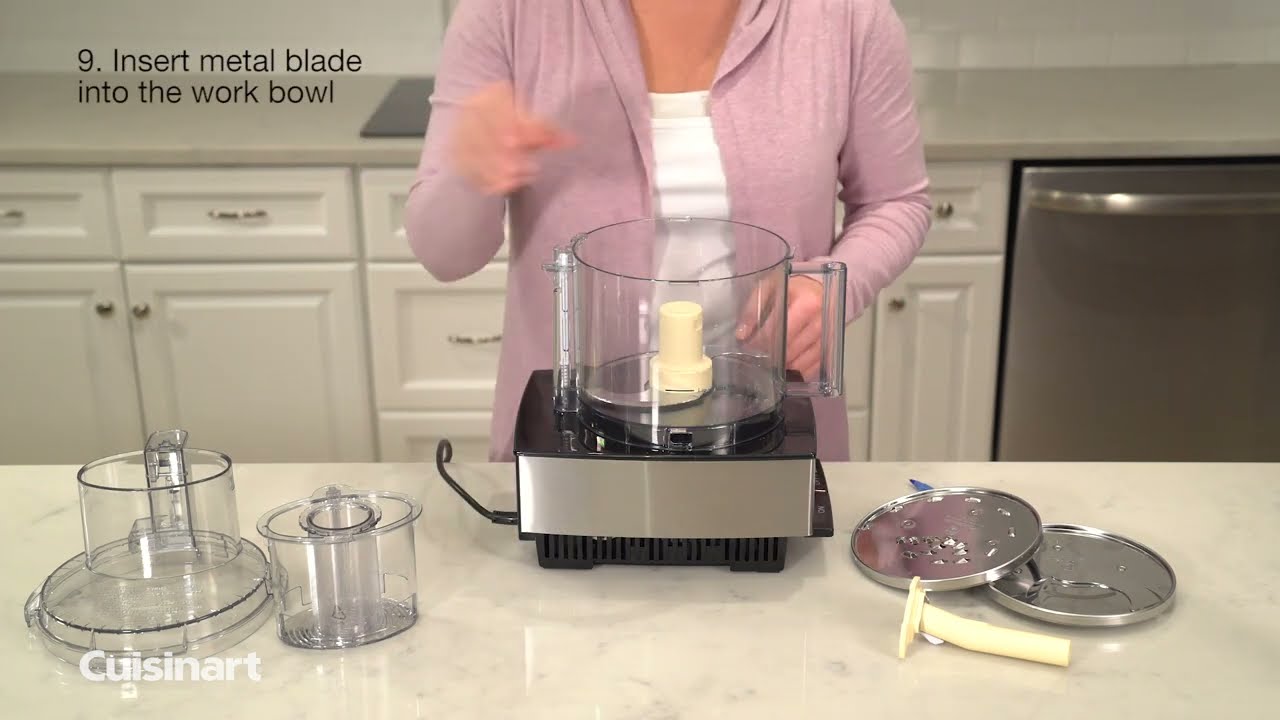
Check power, safety locks, and the motor reset first — most fixes are simple and quick.
I’ve repaired dozens of small kitchen appliances and know how to fix a food processor that is not turning on. This guide walks you through safe checks, step-by-step troubleshooting, common part failures, and when to call a pro. Read on to save time, avoid mistakes, and get your food processor running again.

How a food processor powers on
A food processor needs a working power source, a closed lid and bowl, and an intact switch or motor. If any of these fail, the unit will not start. Knowing how these pieces work together makes it easier to diagnose why your food processor is not turning on.
Basic power flow:
- Power cord and plug bring electricity to the unit.
- Internal fuse or thermal cutoff protects the motor from overload.
- The safety interlock detects the bowl and lid.
- The control switch or electronic board tells the motor to run.
I often seen users try to run a unit with the lid slightly off. That simple issue makes many people think the motor is broken. Check the small items first before opening the machine or calling for help.
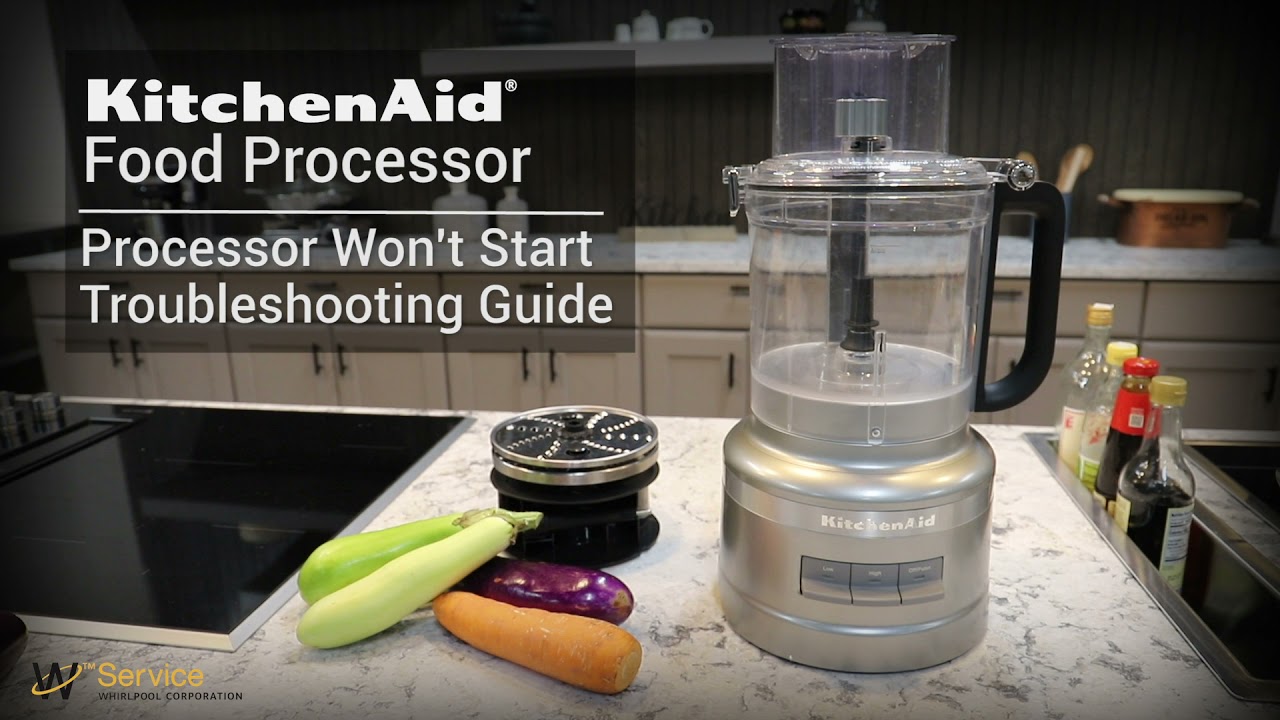
Quick safety checklist before you begin
Never skip safety. A simple shock or broken blade can cause injury. Follow this checklist every time you troubleshoot how to fix a food processor that is not turning on.
Safety steps:
- Unplug the food processor before inspecting or disassembling.
- Remove the blade and bowl carefully to avoid cuts.
- Wear gloves and eye protection if you will open the base.
- Work on a dry, flat surface and keep children away.
- If you smell burning, stop and do not plug the unit back in.
I blew a small fuse once by testing a motor while a blade was jammed. Lesson learned: always disconnect power and remove blades first.

Step-by-step troubleshooting: how to fix a food processor that is not turning on
Follow these steps in order. Each step is quick and safe. Stop when the unit starts working.
- Check the outlet and cord
- Plug a lamp or phone charger into the same outlet. If that device works, the outlet is fine.
- Inspect the food processor cord for cuts, frays, or bent prongs.
- Try a different outlet. Sometimes GFCI outlets need a reset.
- Verify power and reset buttons
- Look for a reset button on the base or under the unit. Press it if present.
- If your model has a fuse or thermal cutout, let the unit cool for 30 minutes and try again.
- Inspect the safety interlocks
- Put the bowl and lid in place. Many models will not start unless they are locked properly.
- Wiggle the lid and bowl while trying to turn it on. If it starts, a misaligned latch was the issue.
- Test the control switch
- Move the speed dial or control switch through its settings. Sometimes dust or crumbs block switch contacts.
- For mechanical switches, a quick spray of electronics cleaner (while unplugged and dry) can restore contact.
- Check for jammed blades or motor bind
- Remove the blade and try the motor briefly. If the motor spins without the blade, a jam caused the issue.
- Clear food debris from the blade shaft and bowl.
- Listen for faint sounds or humming
– If the motor hums but does not turn, the start circuit or capacitor may be bad.
- A humming motor that will not spin often needs service.
- Inspect internal fuses or thermal cutoffs
- Some units have a user-replaceable fuse near the power cord. Replace with the exact rating.
- If you find a thermal cutoff, it may need replacing; match part specs.
- Test the motor with a multimeter (advanced)
- If you have a multimeter and feel safe, test continuity across the motor terminals.
- No continuity often means a burned motor winding and likely replacement.
- Try a factory reset or consult the manual
- Some modern processors have electronic resets. Follow the manual steps if present.
- If none of the above works, note model and symptoms before contacting service.
I fixed a model once that wouldn’t start because a small piece of plastic from a previous repair blocked the lid latch. It took five minutes to spot and fix.
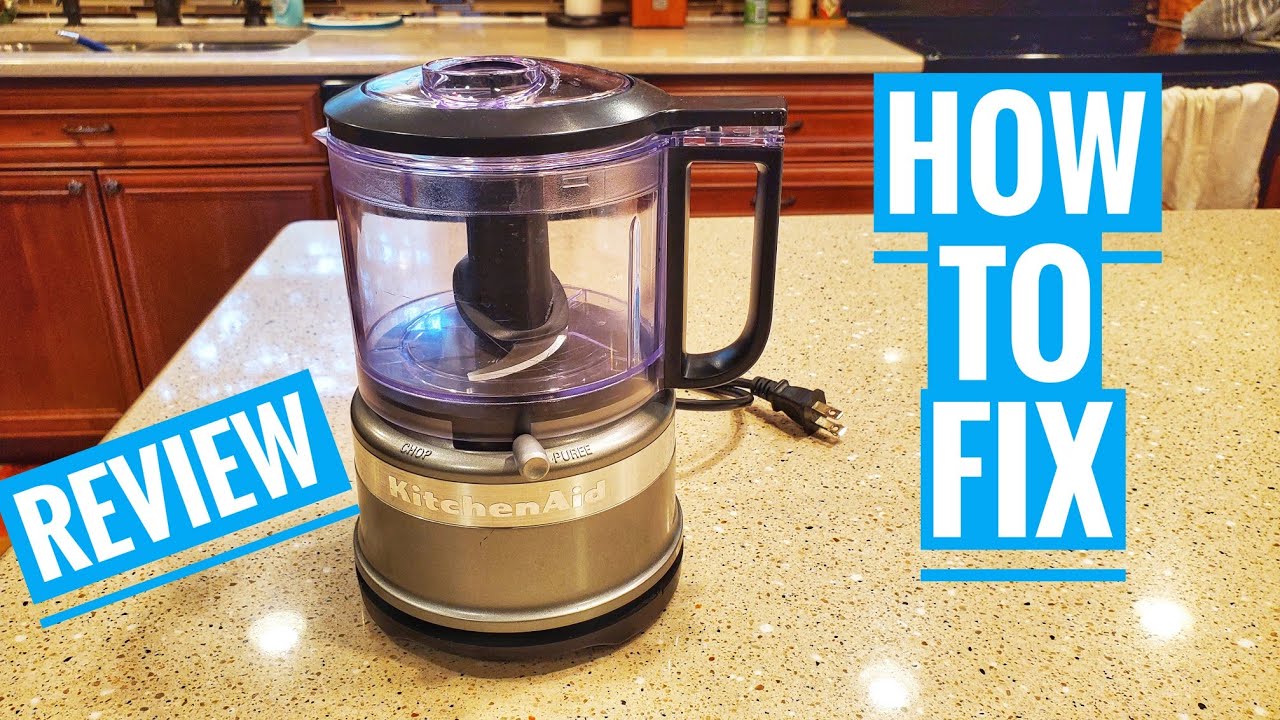
Common parts to check when your food processor is not turning on
Knowing which parts fail often saves time. Here are the usual suspects.
Parts to inspect:
- Power cord and plug: Look for damage and test continuity.
- Safety interlock switch: Check for broken tabs or misalignment.
- Thermal fuse or reset: These protect the motor and can blow.
- Control switch or electronic board: Worn switches or burnt boards stop the unit.
- Motor brushes (if applicable): Worn brushes will cut power to the motor.
- Capacitor/start device: On some models, a bad capacitor prevents motor startup.
If you find wear on parts, replace with OEM or exact-spec parts. Using wrong parts can cause further damage. For more troubleshooting help, see our guide on why your food processor might not be working.

When to seek professional repair or replace the unit
Knowing when to stop saves money and keeps you safe. These tips help decide whether to repair or replace.
Consider repair if:
- The unit is a mid-to-high-end model worth repairs.
- The issue is the cord, switch, fuse, or a simple replaceable part.
- You can access parts and the repair cost is less than half the price of a new unit.
Consider replacement if:
- The motor windings are burnt or the electronic board is fried.
- The repair cost approaches the price of a new processor.
- The unit is old and spare parts are scarce.
If you choose repair, use a certified technician or a trusted appliance repair shop. A pro can test motor windings, capacitors, and boards safely. For high-performance models like the Ninja vs Breville Sous Chef, professional servicing is often worth the investment.
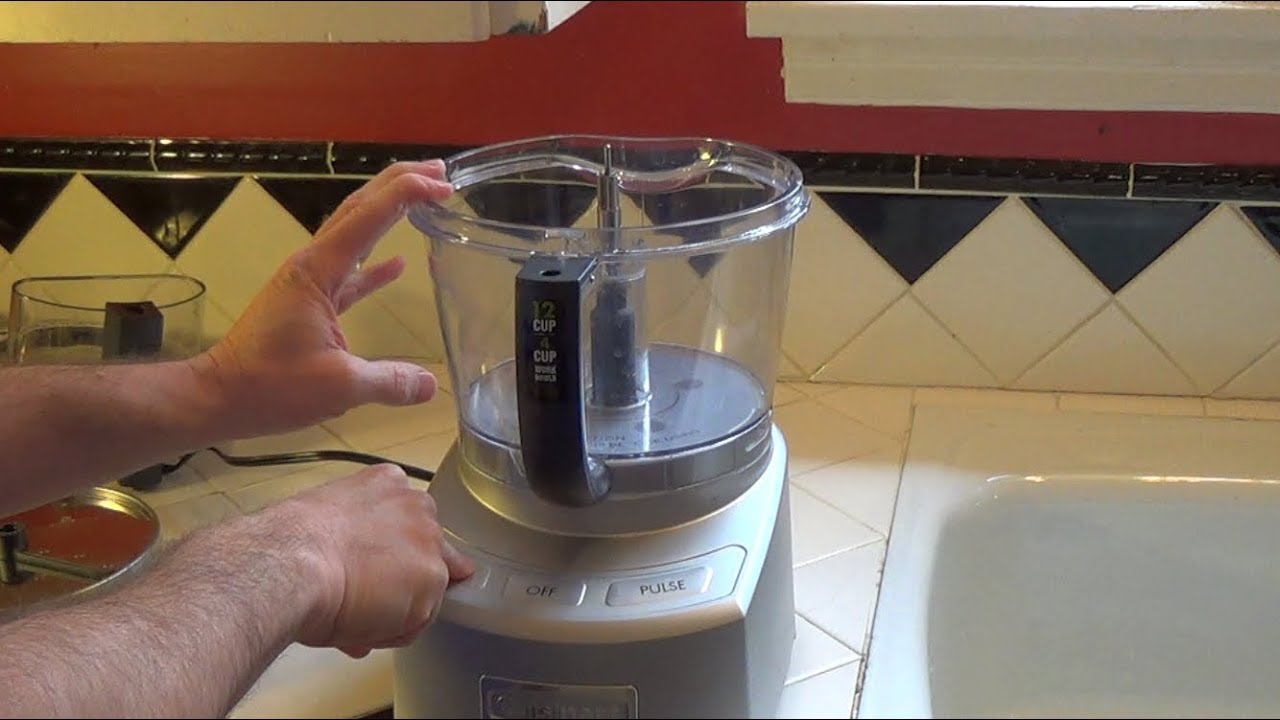
Preventive maintenance to avoid future power failures
A little care stops many problems. These simple habits reduce the chance your food processor is not turning on.
Maintenance tips:
- Clean the bowl, lid, and base regularly to keep latches clear.
- Store the cord safely to avoid kinks and cuts.
- Avoid overloading the motor and use pulse mode for tough jobs.
- Replace worn brushes and seals before they cause motor failure.
- Run the unit for short bursts rather than long, heavy runs.
I follow a monthly check routine. It keeps my processors working for years.
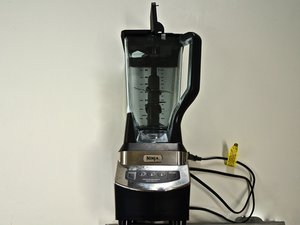
Frequently Asked Questions of how to fix a food processor that is not turning on
Why does my food processor hum but not spin?
A humming sound usually means the motor is getting power but can’t start. This can be due to a bad start capacitor, jammed blades, or a seized motor bearing.
Can a blown fuse be replaced at home?
Yes, if the fuse is accessible and you match the exact rating. Always unplug the unit and follow the manual or a parts diagram.
Will cleaning the interlock fix the problem?
Often yes. Food and crumbs can block the lid latch or switch. Cleaning and realigning the parts commonly restores function.
Is a bad power cord repairable?
A damaged cord can be replaced if you’re comfortable with basic wiring. If not, have a pro replace it to avoid safety risks.
How do I know if the motor is dead?
If multimeter tests show no continuity in the windings or the motor smells burnt, the motor is likely dead. A pro can confirm and advise on repair vs replace.
Can moisture cause a food processor to stop turning on?
Yes. Water inside the base can short electronic parts or corrode switches. Let the unit dry fully and have electronics checked if needed.
Is it worth repairing a cheap food processor?
Often no. Repair costs for motors or boards can exceed the price of a new unit. For budget models, replacement is usually the better choice.
Conclusion
You can fix many common issues that make a food processor not turning on by following safe, simple checks. Start with the outlet, cord, and safety interlocks, then move to switches, fuses, and motor checks. If the motor or electronic board is damaged, weigh repair costs versus replacement. Take action now: try the basic steps, note symptoms, and decide whether to repair or replace. If this guide helped, share your experience, subscribe for more tips, or leave a question below.
