

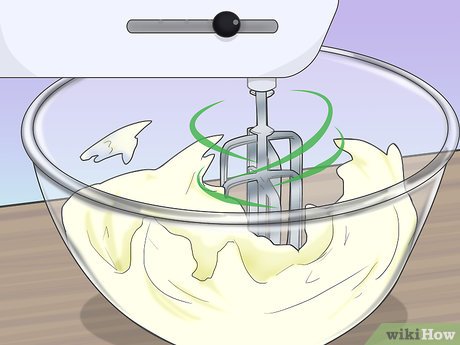
You can use blenders, immersion blenders, knives, mortar and pestle, graters, or a stand mixer.
I have spent years cooking without a food processor. I know which tools work and which frustrate. This article shows practical swaps and step‑by‑step methods for what can you use if you don’t have food processor. You will learn easy techniques to chop, puree, grind, and knead using items you likely already own. Read on for tested tips, safety notes, and quick recipes to save time and improve results.
Common kitchen tools to use when you don’t have a food processor
There are many simple tools that replace a food processor for most tasks. Each tool works best for certain jobs. Below I list tools and what they do well for when you ask what can you use if you don’t have food processor.
- Blender — Best for smoothies, soups, and some purees. Use pulse feature to avoid overprocessing.
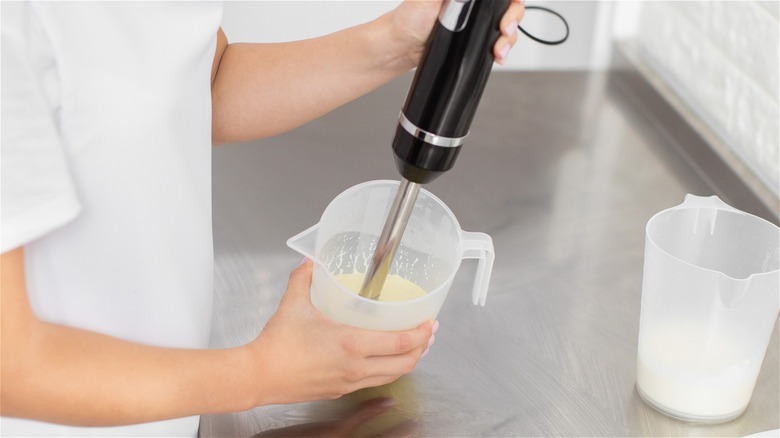
- Immersion blender — Great for hot soups and small purees. Easy and quick to clean.
- Stand mixer — Works well for dough and batters. Use dough hook for bread and pastries.
- Hand mixer — Good for whipping, light mixing, and small batters.
- Knife and cutting board — The most versatile tool. Use for chopping, mincing, and dicing.
- Mortar and pestle — Ideal for crushing herbs, spices, and making pesto by hand.
- Spice grinder or coffee grinder — Best for small dry jobs like seeds and spices.
- Box grater or microplane — Use for shredding cheese, zesting, and finely grating vegetables.
- Mandoline or slicer — For even thin slices of vegetables and fruits.
- Rolling pin and heavy pan — Crush nuts or crackers in a sealed bag.
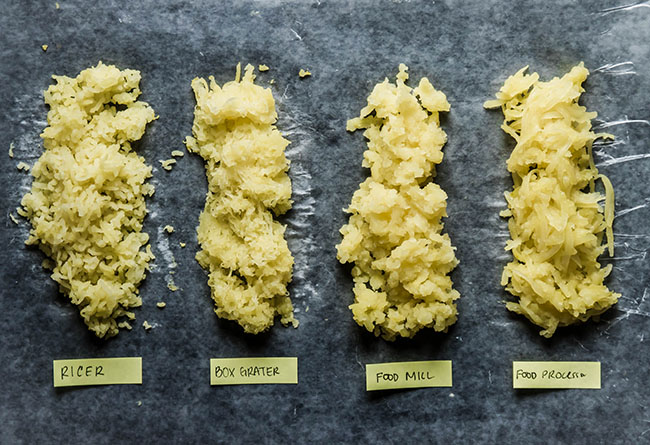
- Food mill — A classic alternative for pureeing cooked vegetables for sauces and baby food.
These options answer what can you use if you don’t have food processor for nearly every kitchen task. Pick the tool that fits your recipe and batch size.
How to replace a food processor for 10 common tasks
Below are step‑by‑step methods for common tasks that a food processor usually handles. Each entry says what can you use if you don’t have food processor and shows how to do it.
- Chopping onions and vegetables
- What to use: sharp chef’s knife and cutting board.
- Steps: trim, halve, then slice. Turn slices and dice. Keep knife tip steady and use a rocking motion.
- Tip: chill onions to reduce tears.
- Making pesto or herb paste
- What to use: mortar and pestle or blender.
- Steps for mortar: add salt, crush garlic, add leaves, grind while adding oil slowly. For blender, pulse until coarse.
- Tip: stop before it turns to a thin sauce if you want texture.
- Pureeing soups and sauces
- What to use: immersion blender or countertop blender.
- Steps: cool slightly if using a blender. Work in batches. Pulse until smooth.
- Tip: leave a small vent for hot liquids to avoid splatters.
- Making hummus and dips
- What to use: blender, food mill, or mortar and pestle.
- Steps for blender: add chickpeas, tahini, lemon, garlic, and oil. Pulse, scrape, and repeat. Add water to reach texture.
- Tip: peel a few chickpeas for extra creaminess if you have time.
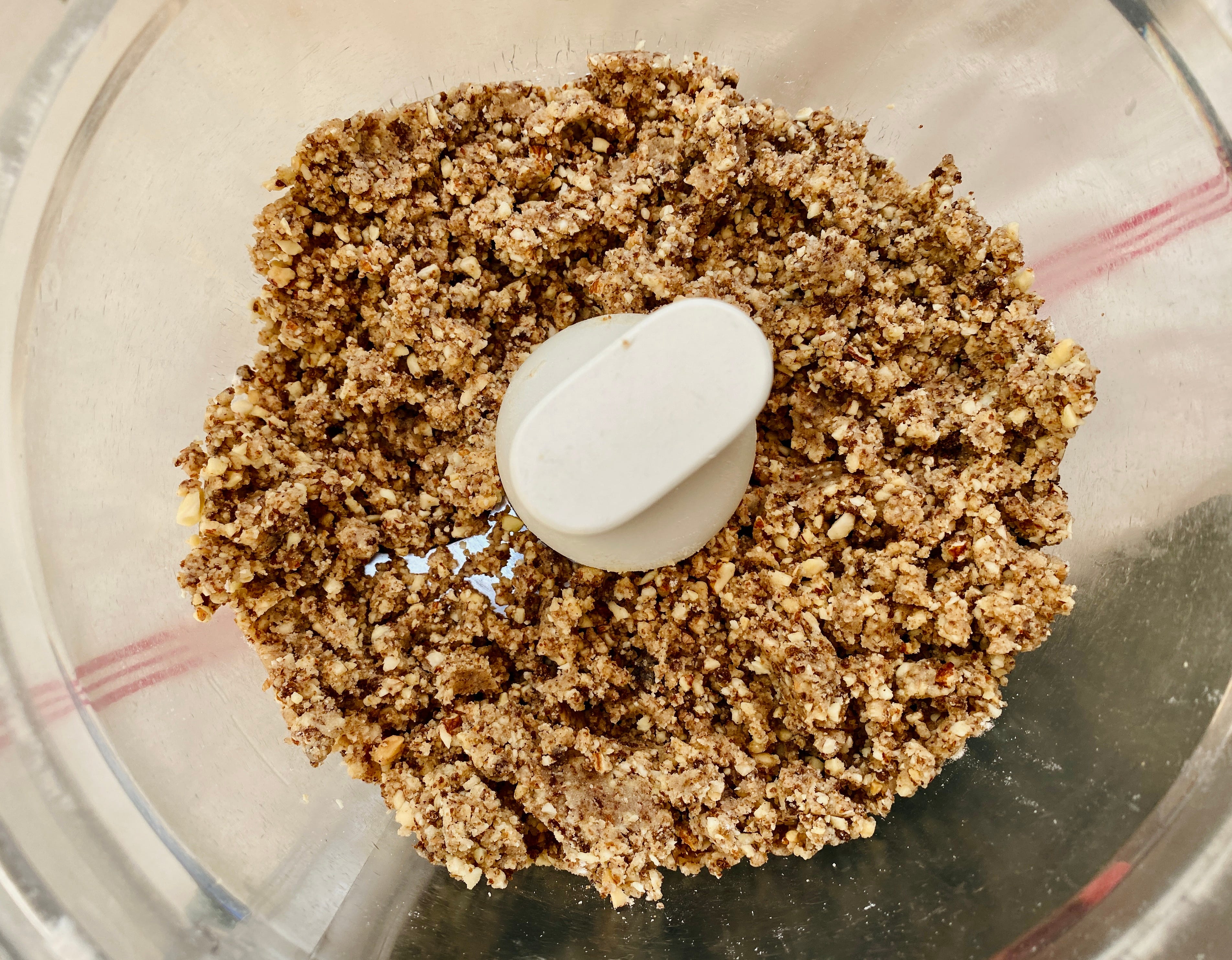
- Grinding nuts and seeds
- What to use: spice grinder, coffee grinder, or heavy-duty blender.
- Steps: work in small batches. Pulse and scrape. Stop before oils release unless making nut butter.
- Tip: chill nuts to reduce oil release.
- Making nut butter
- What to use: high-powered blender or food processor alternative like a strong blender.
- Steps: roast nuts, cool, blend in short bursts. Scrape sides and rest if motor gets hot.
- Tip: add neutral oil if needed to achieve spreadable texture.
- Shredding cheese or vegetables
- What to use: box grater or mandoline for consistent thickness.
- Steps: hold tool stable and use a guard to protect fingers. Work slowly for even shreds.
- Tip: freeze cheese slightly to ease grating.
- Slicing thin or even pieces
- What to use: mandoline or sharp knife and steady hand.
- Steps: use the hand guard. Slide produce in one smooth motion.
- Tip: practice with firmer items first.
- Making dough
- What to use: stand mixer with dough hook or hands.
- Steps by hand: mix flour and water, fold and knead for 8–10 minutes until elastic.
- Tip: use the windowpane test to check gluten.
- Grinding spices and coffee beans
- What to use: spice grinder or mortar and pestle.
- Steps: small batches, pulse or pound to desired coarseness.
- Tip: clean grinder between uses to avoid flavor transfer.
These methods answer what can you use if you don’t have food processor with clear, practical steps for home cooks.

Tips, tricks, and safety when you don’t have a food processor
A few habits make alternative tools work better. These tips come from years of cooking without a food processor. They make tasks easier and safer when you wonder what can you use if you don’t have food processor.
- Cut items into uniform sizes to ensure even chopping or blending.
- Work in small batches to avoid overloading blenders or grinders.
- Use ice water or chill ingredients to keep fats from melting while grinding.
- Pulse in short bursts rather than continuous blending to control texture.
- Protect your hands when using graters and mandolines with guards or towels.
- Clean tools promptly. Residue can dry and be hard to remove.
- Let heavy motors rest. Overheating reduces performance and shortens motor life.
- Use a towel under a cutting board to keep it from slipping.
Follow these tips to get better results and avoid common mistakes when replacing a food processor.
How to choose the best alternative for your kitchen
Choosing the right tool depends on what you cook and how often. Ask simple questions to decide what can you use if you don’t have food processor.
- What tasks do I do most? Choose a tool that covers those tasks.
- How much counter or storage space do I have? Pick compact tools for small kitchens.
- What is my budget? Small grinders and immersion blenders are cost efficient.
- Will I cook for one or many? Bigger blenders handle larger batches.
- How much cleaning do I want to do? Fewer parts mean faster cleanup.
If you mostly make soups, an immersion blender is ideal. If you bake often, a stand mixer helps. For spices and small jobs, get a spice grinder. These choices simplify life when you search for what can you use if you don’t have food processor.

My experience and lessons learned
I once made pesto for a dozen people with only a mortar and pestle. It took time. It tasted vibrant and fresh. That taught me that manual work gives control over texture and flavor.
I also used a blender for hummus many times. Early on I overfilled the jar. The motor stalled and I had a mess. Now I work in smaller batches and scrape often. That saves time and frustration.
Key lessons I learned about what can you use if you don’t have food processor:
- Patience matters. Some swaps need more time but yield great results.
- Small tools can outperform a food processor on texture control.
- Knowing tool limits prevents damage and accidents.
These experiences show practical tradeoffs. They also prove that thoughtful technique beats gadget dependence.

Quick swaps and shopping suggestions
If you want longer-term fixes, consider these compact tools. Each one answers what can you use if you don’t have food processor for specific jobs.
- Immersion blender — For soups and small purees.
- Compact blender or personal blender — For smoothies and small batches.
- Mini chopper — A cheap, space-saving alternative.
- Mortar and pestle — For herbs, pesto, and spices.
- Spice or coffee grinder — For seeds and small dry grinding jobs.
- Stand mixer — For dough and heavy mixing tasks.
- Food mill — For smooth sauces and baby food.
- Mandoline — For fast, even slicing.
These items are budget friendly and often easier to store than a full food processor.

Frequently Asked Questions of what can you use if you don’t have food processor
What is the best all‑around substitute when you don’t have a food processor?
An immersion blender is the most versatile for soups, sauces, and small purees. For chopping tasks, a sharp chef’s knife is the best all‑around substitute.
Can a blender replace a food processor for dough?
Blenders are not ideal for heavy dough. Use a stand mixer or knead by hand for best texture and gluten development.
How do I make hummus without a food processor?
Use a blender or mortar and pestle. Work in small batches, add liquid slowly, and scrape the sides often for a smooth result.
Is it safe to use a coffee grinder for spices and nuts?
Yes, for dry spices and small nuts. Clean well between uses to avoid flavor transfer and only grind small amounts at a time.
How can I grate cheese without a food processor?
Use a box grater or microplane. For large amounts, freeze the cheese slightly to make grating easier and more even.
Will a hand mixer work for making pie crust?
A hand mixer can mix fat into flour, but final texture often comes from finishing by hand. Use fingertips or a pastry cutter for best results.
Conclusion
You can do almost everything a food processor does with simple, common tools. Blenders, knives, mortars, graters, and mixers cover most tasks. Try different swaps for chopping, pureeing, grinding, and kneading. Practice and patience bring great results.
Takeaway: pick one or two tools that match your cooking style. Start with a sharp chef’s knife and an immersion blender if you need versatility. Try techniques from this article and tweak them to fit your kitchen.
If this helped, share your go‑to swap in the comments, subscribe for more tips, or explore related guides like what a food processor is actually used for and how to choose the best food processor for baby food to sharpen your skills.
