
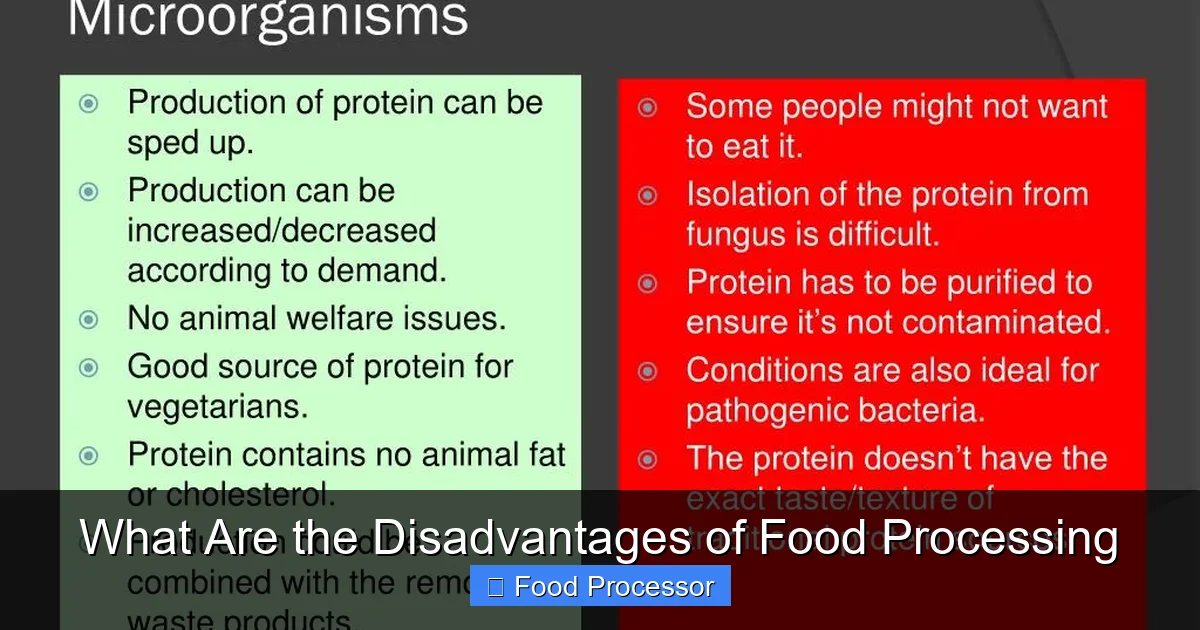
While food processing offers convenience and extended shelf life, it comes with significant drawbacks. This guide explores the many disadvantages of food processing, including nutritional degradation, the addition of unhealthy ingredients like excessive sugar, salt, and fats, and the presence of artificial additives. Understanding these issues is crucial for making informed dietary choices that protect your health and support a more sustainable lifestyle.
In our fast-paced world, convenience often dictates our food choices. Food processing, a broad term encompassing any alteration of food from its natural state, has revolutionized how we eat. From washing and cutting to cooking, freezing, and packaging, many foods undergo some form of processing. While some processing is minimal and even beneficial, modern industrial food processing goes much further, often transforming raw ingredients into products that bear little resemblance to their original form.
You might already be aware of some of the benefits of food processing, such as extended shelf life and reduced cooking times. But have you ever stopped to consider the other side of the coin? What are the disadvantages of food processing? In this comprehensive guide, we’re going to dive deep into the less talked about aspects of processed foods. We’ll explore how processing can impact your health, your wallet, and even the planet. Our goal is to empower you with the knowledge to make more informed decisions about the food you choose to eat.
Key Takeaways
- Nutritional Loss: Food processing often strips away essential vitamins, minerals, and fiber, reducing the overall nutritional value of foods and potentially impacting your health negatively.
- Unhealthy Additives: Processed foods frequently contain high levels of added sugars, unhealthy fats, and sodium, as well as artificial colors, flavors, and preservatives, which can contribute to various health problems.
- Increased Health Risks: Regular consumption of highly processed foods is linked to a higher risk of chronic diseases such as type 2 diabetes, heart disease, obesity, and certain cancers.
- Environmental Concerns: The industrial scale of food processing contributes to increased energy consumption, greenhouse gas emissions, and significant packaging waste, impacting the environment.
- Economic Burden: While appearing convenient, processed foods can be more expensive per serving when considering their nutritional density, and they may not provide lasting satiety, leading to more frequent purchases.
- Altered Taste and Texture: Processing can diminish the natural flavors and textures of ingredients, leading to a reliance on artificial enhancers and a potential decline in culinary appreciation for whole foods.
- Identifying Processed Foods: Learning to read food labels and ingredient lists is key to recognizing highly processed items and making healthier choices for yourself and your family.
Understanding Food Processing: A Quick Overview
Before we explore the downsides, let’s briefly define what food processing means in this context. Food processing refers to the transformation of agricultural products into food, or of one form of food into other forms. It includes a wide range of processes, from simple tasks like milling grain to complex methods involving multiple ingredients, chemicals, and high-tech machinery. Minimally processed foods, like pre-cut vegetables or roasted nuts, retain most of their natural nutritional value. However, the focus of this guide is on highly processed foods, often called ultra-processed foods, which typically contain many ingredients, including added sugars, salts, fats, and artificial substances.
These ultra-processed foods are designed to be convenient, highly palatable, and inexpensive. They often make up a significant portion of our daily diets, and understanding their potential drawbacks is crucial for maintaining good health.
The Hidden Costs: Nutritional Degradation
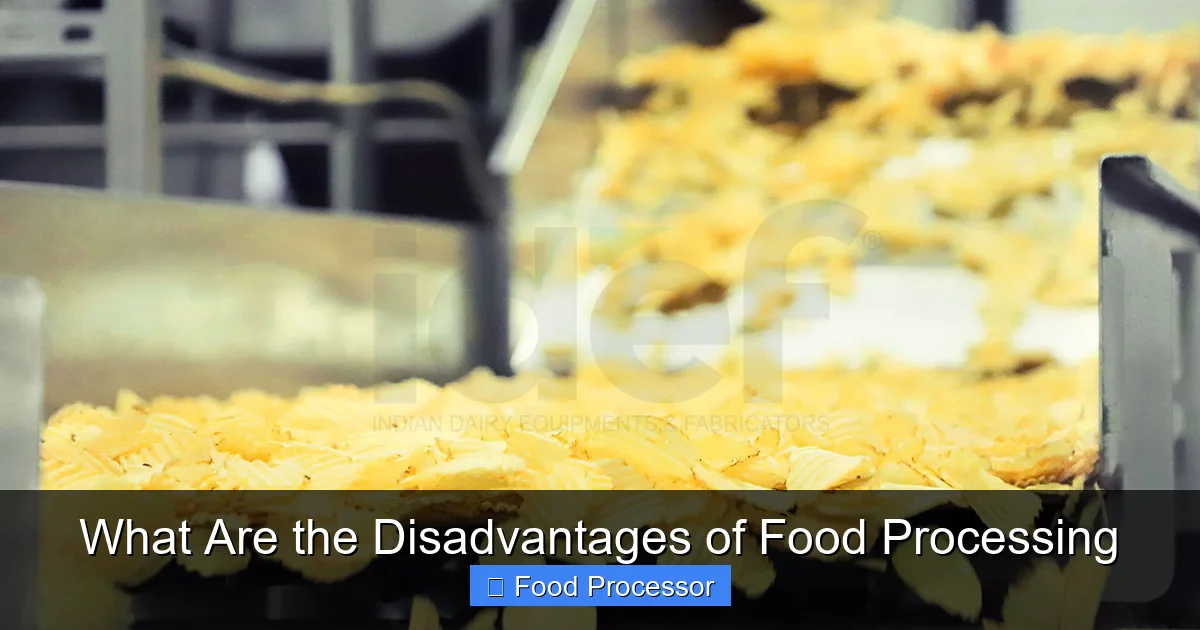
One of the most significant disadvantages of food processing is its impact on the nutritional content of our food. When foods undergo various industrial processes, many of their naturally occurring nutrients can be diminished or entirely lost.
Visual guide about What Are the Disadvantages of Food Processing
Image source: idef.in
Loss of Essential Vitamins and Minerals
Many vitamins, especially water-soluble ones like Vitamin C and B vitamins, are sensitive to heat, light, and air. Food processing methods such as blanching, canning, and high-temperature pasteurization can significantly reduce these vital nutrients. Minerals, though more stable, can also be lost through leaching into water during processing or refining. For example, the refining of whole grains into white flour removes the bran and germ, which are rich in B vitamins, iron, and dietary fiber.
Reduced Fiber Content
Fiber is a crucial component for digestive health, blood sugar regulation, and satiety. Whole foods like fruits, vegetables, and whole grains are naturally rich in fiber. However, processing often removes or breaks down this essential nutrient. Think about fruit juice versus whole fruit: the juice often lacks the fiber of the whole fruit. Similarly, highly refined grains have significantly less fiber than their whole grain counterparts. This reduction in fiber is a key reason why processed foods often don’t keep you feeling full for long and can lead to digestive issues.
Altered Macronutrient Profiles
Processing can also change the balance of macronutrients (carbohydrates, proteins, and fats). Often, processing aims to create a product that is shelf-stable and appealing to taste, which can involve adding unhealthy fats, sugars, and refined carbohydrates, while reducing the proportion of beneficial proteins and complex carbohydrates. This shift can lead to foods that are calorie-dense but nutrient-poor, contributing to an imbalanced diet.
Unwanted Additives and Their Impact
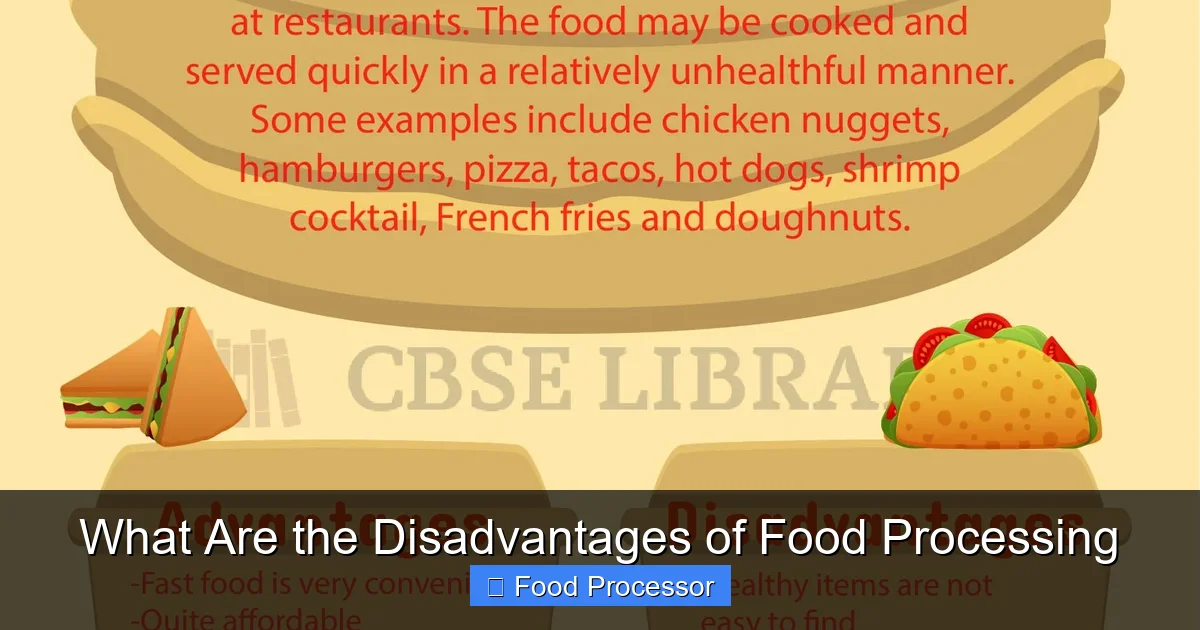
To improve taste, texture, appearance, and shelf life, food processors often add a variety of ingredients that are not typically found in a home kitchen. These additives contribute to many of the disadvantages of food processing.
Visual guide about What Are the Disadvantages of Food Processing
Image source: cbselibrary.com
High Levels of Sugar, Salt, and Unhealthy Fats
Ultra-processed foods are notorious for their high levels of added sugar, sodium, and unhealthy fats (like trans fats and saturated fats). These ingredients are often added in combination because they make food incredibly palatable and even addictive, encouraging overconsumption. Excessive sugar intake is linked to weight gain, type 2 diabetes, and heart disease. High sodium levels contribute to high blood pressure, while unhealthy fats can raise cholesterol levels and increase the risk of cardiovascular problems.
Artificial Colors, Flavors, and Preservatives
Beyond the “big three” (sugar, salt, fat), many processed foods contain a cocktail of artificial additives. Artificial colors are used to make foods look more appealing, while artificial flavors mimic natural tastes that might have been lost during processing. Preservatives extend shelf life by preventing spoilage. While food regulatory bodies approve these additives, concerns persist regarding their long-term health effects. Some studies suggest links between certain artificial colors and hyperactivity in children, while other preservatives have raised questions about their impact on gut health and overall well-being. It’s important to be aware of what you’re consuming.
Potential Health Risks Associated with Processed Foods
The cumulative effect of nutritional degradation and the presence of unwanted additives leads to a range of potential health risks that are significant disadvantages of food processing.
Increased Risk of Chronic Diseases
A diet rich in highly processed foods is a major contributor to the global rise in chronic diseases. Regular consumption of these foods is strongly associated with an increased risk of developing:
- Type 2 Diabetes: Due to high sugar and refined carbohydrate content, leading to rapid blood sugar spikes.
- Heart Disease: Linked to high sodium, unhealthy fats, and inflammatory ingredients.
- Obesity: Processed foods are often calorie-dense but lack fiber and protein, leading to less satiety and overeating.
- Certain Cancers: Some research suggests a correlation between ultra-processed food intake and an increased risk of specific cancers.
- Metabolic Syndrome: A cluster of conditions including high blood pressure, high blood sugar, excess body fat around the waist, and abnormal cholesterol levels.
Digestive Issues and Gut Health
The low fiber content and high levels of sugar and artificial ingredients in processed foods can negatively impact your digestive system and gut microbiome. A healthy gut relies on a diverse range of beneficial bacteria, which thrive on fiber from whole foods. Processed foods, lacking this fiber and sometimes containing problematic additives, can disrupt the balance of gut bacteria, potentially leading to issues like bloating, constipation, irritable bowel syndrome (IBS), and even impacting mood and immunity. If you’re looking for information on what is the importance of food processing for safety and preservation, it’s a different angle than its impact on gut health.
Weight Gain and Obesity
Processed foods are often engineered to be hyper-palatable, meaning they taste incredibly good and are easy to overeat. Their combination of sugar, salt, and fat, coupled with a lack of fiber and protein, makes them less satiating. This means you can consume a large number of calories without feeling full, leading to frequent snacking and overall higher calorie intake, which ultimately contributes to weight gain and obesity.
Environmental and Ethical Concerns
The disadvantages of food processing extend beyond individual health to broader environmental and ethical implications.
Energy Consumption and Carbon Footprint
Industrial food processing requires substantial amounts of energy for machinery, heating, cooling, and transportation. This high energy demand often relies on fossil fuels, contributing to greenhouse gas emissions and a larger carbon footprint. The more steps involved in processing a food item, the more energy is typically consumed.
Packaging Waste
Most processed foods come in extensive packaging, often made from plastics, non-recyclable multi-material composites, or excessive cardboard. This generates enormous amounts of waste that contribute to landfills and ocean pollution, posing a significant environmental challenge. Reducing your intake of processed foods is one way to lessen your personal waste footprint.
Sourcing and Ethical Labor
While not universally true, some large-scale food processing operations can be associated with less transparent supply chains. This can raise concerns about the ethical sourcing of ingredients and the labor practices involved in production. Consumers often have less visibility into these aspects when purchasing highly processed items compared to whole, locally sourced foods.
Economic Implications for Consumers
You might think processed foods are always cheaper, but let’s look closer at the economic disadvantages of food processing.
Higher Costs for “Convenience”
While many processed foods appear inexpensive at first glance, especially items like frozen dinners or snack packs, their cost-per-serving often doesn’t reflect true value when considering their nutritional density. You’re paying for the convenience, the processing, the packaging, and the marketing, not necessarily for high-quality ingredients or robust nutritional content. Often, buying whole ingredients and preparing meals at home can be more cost-effective in the long run.
False Sense of Savings
Because processed foods are less satiating, you might find yourself needing to eat more of them, or more frequently, to feel full. This can lead to a false sense of savings, as you end up buying more food overall than if you were consuming nutrient-dense whole foods that keep you satisfied for longer.
Impact on Taste, Texture, and Culinary Skills
Beyond health and environment, food processing also changes our relationship with food itself.
Diminished Natural Flavors
When foods are processed, their natural, subtle flavors can be lost or overshadowed. To compensate, manufacturers add artificial flavors, sugar, and salt to create intense, often uniform, tastes that appeal to a wide audience. This can lead to a palate that becomes accustomed to strong, artificial flavors, making plain, naturally delicious whole foods seem bland in comparison.
Altered Textures
Processing also modifies food textures. Think about the difference between a homemade bread and a mass-produced white bread, or fresh mashed potatoes versus instant flakes. While some textures might be intentionally created for appeal (e.g., crispy snacks), they often deviate significantly from natural textures, potentially impacting our sensory experience of eating.
Deskilling in the Kitchen
A reliance on highly processed, ready-to-eat meals can lead to a decline in culinary skills. When you don’t need to chop, season, or cook from scratch, you might lose the ability or confidence to prepare nutritious meals using raw ingredients. This “deskilling” can make it harder to transition to a healthier diet and contributes to the cycle of consuming more processed foods. Learning to cook from scratch with a food processor can actually be a great way to improve your skills. You can explore how to use your food processor efficiently with resources like how to get the most out of your food processor for preparing ingredients.
How to Identify Highly Processed Foods
Given all these disadvantages, how can you spot highly processed foods in the grocery store?
Reading Food Labels
The key to identifying processed foods is to become a savvy label reader. Don’t just look at the front of the package with its marketing claims. Turn it over and look at the nutrition facts and ingredient list. Pay attention to the serving size and the number of calories, sugar, sodium, and fat per serving. Foods high in saturated and trans fats, added sugars, and sodium are often highly processed.
Understanding Ingredient Lists
The ingredient list is your most powerful tool. Look for a long list of ingredients you don’t recognize or can’t pronounce. Ingredients are listed in order of quantity, so if sugar (or its many aliases like high-fructose corn syrup, dextrose, maltose, etc.), salt, or unhealthy oils (like partially hydrogenated oils) are among the first few ingredients, the food is likely highly processed. A good rule of thumb for how to know if a food has minimal processing is to look for short ingredient lists with recognizable whole foods.
Tips for Minimizing the Disadvantages of Food Processing
You don’t have to eliminate all processed foods, but you can definitely minimize their disadvantages by making conscious choices.
Prioritize Whole, Unprocessed Foods
Build your diet around whole, unprocessed foods like fresh fruits, vegetables, whole grains, lean proteins, and healthy fats. These foods are packed with natural nutrients, fiber, and beneficial compounds that processed foods lack. They form the foundation of a healthy diet.
Cook More at Home
Preparing meals at home gives you complete control over the ingredients. You can avoid excessive sugar, salt, unhealthy fats, and artificial additives. Home cooking also allows you to enjoy the natural flavors and textures of food, and it can be a rewarding way to reconnect with your food. Consider exploring food purchasing, processing, and preservation strategies to optimize your home cooking.
Choose Minimally Processed Options
When you do buy processed foods, opt for minimally processed versions. For example, choose plain yogurt over flavored, unsweetened rolled oats over instant oatmeal packets, and whole-wheat bread over white bread. Look for foods with short ingredient lists and no added sugars, artificial colors, or preservatives.
Be Mindful of Portion Sizes
Even with healthier processed options, portion control is important. Read nutrition labels to understand serving sizes and be mindful of how much you’re consuming. This can help prevent overeating and manage your intake of calories, fats, and sugars.
Stay Hydrated with Water
Often, thirst can be mistaken for hunger, leading to unnecessary snacking on processed foods. Drinking plenty of water throughout the day can help manage appetite and reduce the temptation to reach for convenient, but unhealthy, snacks.
Conclusion
The journey through the disadvantages of food processing reveals a complex landscape of health, environmental, and economic concerns. From the erosion of vital nutrients and the influx of harmful additives to the environmental burden of production and packaging, and even the subtle shift in our culinary traditions, the impact of industrial processing is profound. While modern food processing certainly offers conveniences that have shaped our lifestyles, it’s clear that a heavy reliance on highly processed foods comes at a significant cost.
Understanding these drawbacks isn’t about shunning all convenience; it’s about empowerment. It’s about knowing how to navigate the grocery aisles with greater awareness, how to read labels critically, and how to prioritize whole, nourishing foods. By making conscious choices to reduce your intake of ultra-processed items and embrace more home cooking and minimally processed alternatives, you can significantly mitigate these disadvantages. You’ll not only invest in your own long-term health and well-being but also contribute to a more sustainable food system. Let this guide serve as a stepping stone toward a more wholesome and informed approach to eating.
