
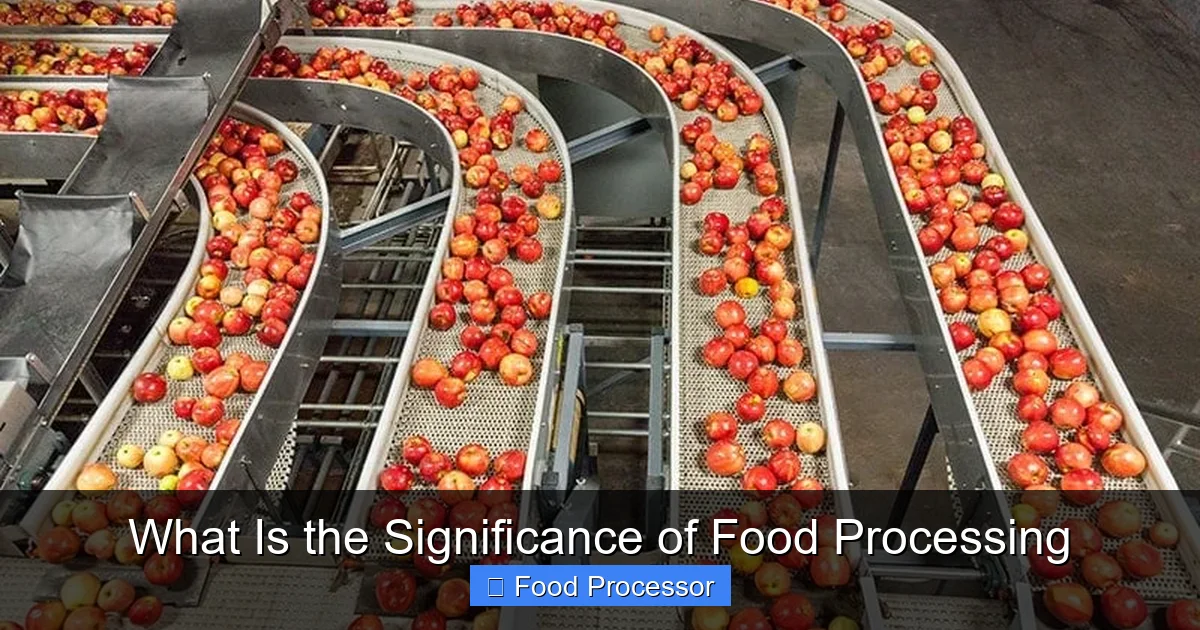
Food processing is a critical series of steps that transforms raw agricultural products into the items we consume daily. Its significance lies in ensuring food safety, extending shelf life, and making diverse foods readily available and affordable. This comprehensive guide will explore how food processing enhances nutritional value, provides immense convenience, and plays a foundational role in modern society’s food supply and economy, benefiting everyone from consumers to producers.
What Is the Significance of Food Processing
Have you ever stopped to think about where your food comes from, or how it gets from the farm to your plate? It’s a fascinating journey, and a major part of that journey involves something called food processing. Often, “processed food” gets a bad rap, conjuring images of unhealthy, artificial ingredients. But the truth is, food processing is a vast and essential field that impacts nearly every bite we take.
This guide will take you on a journey to understand the true significance of food processing. We’ll explore its many roles, from keeping us safe and healthy to making our lives more convenient. By the end, you’ll have a much clearer picture of why food processing is not just important, but absolutely vital to our modern world.
Key Takeaways
- Ensures Food Safety: Food processing methods like pasteurization and sterilization eliminate harmful pathogens, making food safe to eat and preventing foodborne illnesses.
- Extends Shelf Life: Techniques such as canning, freezing, drying, and fermentation preserve food, reducing waste and making various products available year-round, even in regions where they aren’t grown.
- Enhances Nutritional Value: Processing can improve nutrient availability, remove harmful compounds, and allow for fortification with essential vitamins and minerals, addressing widespread nutritional deficiencies.
- Increases Food Accessibility & Affordability: By enabling efficient mass production, transportation, and storage, food processing makes a wide variety of foods more accessible and often more affordable for diverse populations.
- Offers Convenience & Versatility: Processed foods provide convenient options like pre-cut vegetables, ready-to-eat meals, and ingredients that save preparation time, fitting into modern busy lifestyles and expanding culinary possibilities.
- Drives Economic Growth: The food processing industry creates jobs, stimulates agricultural production, fosters innovation in food science, and contributes significantly to national and global economies.
- Reduces Food Waste: By transforming perishable raw materials into stable products, processing significantly minimizes post-harvest losses, optimizing the use of agricultural resources.
Understanding the Fundamentals of Food Processing
Before we dive into the “why,” let’s clarify “what.” What exactly is food processing?
What is Food Processing?
Simply put, food processing involves any activity that changes a fresh food product into something else. This can range from very simple steps to complex industrial operations. Think about it: slicing a vegetable, grinding wheat into flour, or cooking meat are all forms of food processing.
Food processing can be categorized into different levels:
- Minimal Processing: This includes washing, trimming, chopping, chilling, or roasting. These methods prepare food for convenience or to improve quality without significantly altering its nutritional profile. Examples include pre-cut salad mixes or roasted nuts.
- Basic Processing: These are processes like milling grains, pressing fruits for juice, or fermenting dairy into yogurt. These change the food’s form but often keep its core identity.
- Complex Processing: This involves combining ingredients, cooking, preserving, and often fortifying foods. Examples include making bread, canning vegetables, or creating ready-to-eat meals.
Understanding these distinctions helps us appreciate the broad spectrum of activities under the umbrella of food processing. If you want to learn more about different levels, you might be interested in how to know if a food has minimal processing.
Why is Food Processing Important?
The importance of food processing extends far beyond just making things taste good. It’s fundamental to public health, global food security, and modern lifestyles. We’re talking about everything from preventing deadly diseases to ensuring you can enjoy strawberries in winter. This foundational role explains why food processing is important to our daily lives.
The Core Significance: Key Benefits of Food Processing
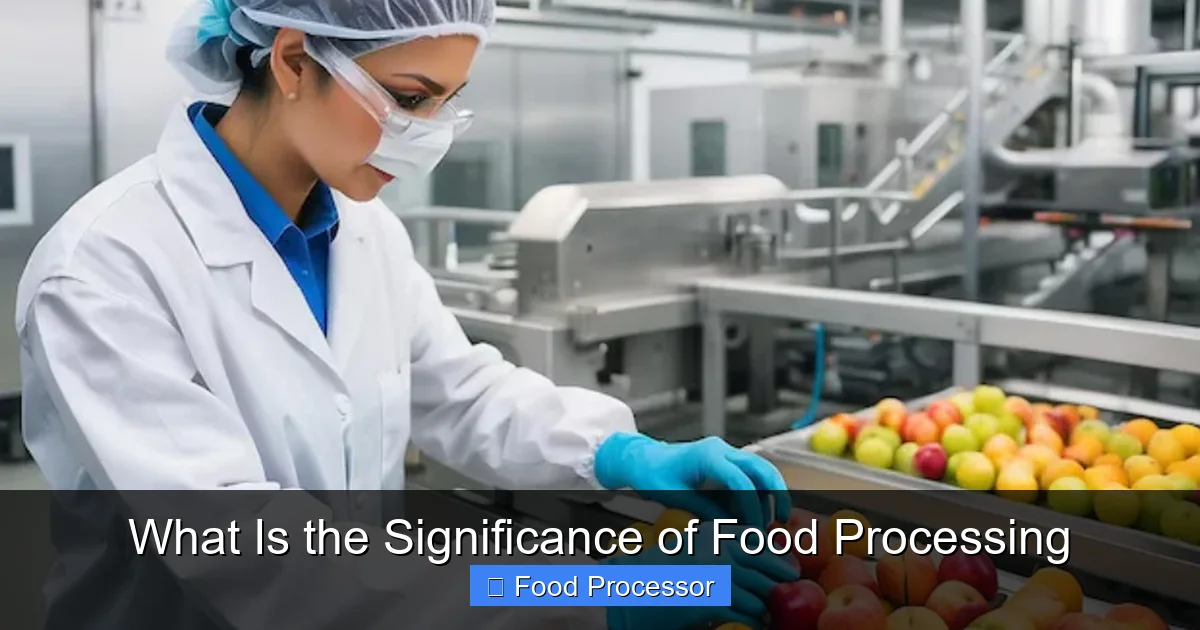
Visual guide about What Is the Significance of Food Processing
Image source: hydrobenz.com
Let’s break down the major ways food processing benefits us.
Ensuring Food Safety and Hygiene
One of the most critical aspects of food processing is guaranteeing that the food we eat is safe. Raw foods can harbor harmful bacteria, viruses, and parasites.
Eliminating Pathogens
Processing methods like pasteurization (heating liquids to kill harmful microbes), sterilization (using high heat to destroy all microorganisms), and proper cooking are vital. These steps dramatically reduce the risk of foodborne illnesses, which can range from uncomfortable stomach upsets to life-threatening conditions. Without these processes, many foods would be too risky to consume.
Reducing Spoilage
Processing also helps control the growth of spoilage microorganisms like mold and yeast. By doing so, it keeps food fresh and edible for longer, reducing waste and ensuring quality.
Extending Shelf Life and Reducing Waste
Imagine a world where milk spoils in a day and fresh produce only lasts a few days. That was largely the reality before modern food processing.
Preservation Methods
Food processing employs numerous preservation techniques:
- Canning: Heating food in sealed containers to destroy microbes.
- Freezing: Lowering temperatures to stop microbial growth and enzymatic activity.
- Drying: Removing water to inhibit microbial growth.
- Fermentation: Using beneficial microorganisms to transform food and preserve it, like in yogurt or pickles.
- Vacuum Packaging: Removing air to prevent oxidation and microbial growth.
These methods allow us to store food for weeks, months, or even years. This is crucial for food purchasing, processing, and preservation, ensuring a stable food supply.
Global Food Supply
Extended shelf life means food can be transported over long distances, making exotic fruits available globally or ensuring humanitarian aid can reach remote areas. It also helps manage food surpluses, storing them for times of scarcity.
Enhancing Nutritional Value and Bioavailability
While some perceive processing as stripping away nutrients, it can actually enhance them in several ways.
Fortification
Many staple foods are fortified with essential vitamins and minerals that might be lacking in people’s diets. Think of milk fortified with Vitamin D, cereals with iron and B vitamins, or salt with iodine. This public health strategy has eradicated widespread deficiencies in many parts of the world.
Removing Anti-nutrients
Some raw foods contain compounds that inhibit nutrient absorption. Processing, such as soaking or cooking legumes, can break down these “anti-nutrients,” making the inherent nutrients more available to our bodies.
Improving Digestibility
Certain processes can “pre-digest” food, making nutrients easier for our bodies to absorb. Fermentation, for instance, can break down complex carbohydrates and proteins.
Improving Food Accessibility and Affordability
Food processing plays a key role in making food available to everyone, regardless of season or location, and often at a lower cost.
Year-Round Availability
No longer are we limited to seasonal produce. Thanks to freezing, canning, and other methods, we can enjoy fruits, vegetables, and other ingredients all year. This diversity in diet is a direct result of effective food processing.
Cost Reduction through Efficiency
Industrial-scale food processing allows for efficiency in production, packaging, and distribution. This often translates to lower prices for consumers compared to fresh, seasonal, or artisanal products. It helps ensure that nutritious food is accessible across different income levels.
Boosting Convenience and Culinary Versatility
In our fast-paced lives, convenience is king. Food processing delivers this in spades.
Ready-to-Eat Meals
From instant noodles to microwave dinners and pre-made sauces, processed foods save immense amounts of time in the kitchen. They cater to busy professionals, students, and anyone looking for a quick and easy meal.
Ingredient Preparation
Think of pre-chopped vegetables, peeled potatoes, or pre-measured flours. These processed ingredients drastically reduce prep time for home cooks. Even a simple act like grinding coffee beans is a form of processing for convenience. If you’re looking to save time in your own kitchen, understanding what are the advantages of using a food processor can be really beneficial for quickly chopping, shredding, and pureeing ingredients.
New Food Products
Food processing enables the creation of entirely new food products and textures, from plant-based meat alternatives to innovative snacks and specialized ingredients for diverse cuisines.
Driving Economic Growth and Innovation
The food processing industry is a massive global sector that creates jobs and fuels technological advancement.
Job Creation
From farmers and scientists to factory workers, transporters, and marketers, millions of people are employed within the food processing supply chain.
Research and Development
The industry constantly invests in R&D to develop safer, more nutritious, and more sustainable processing methods and products. This drives innovation in areas like packaging, preservation, and ingredient sourcing.
How Food Processing Transforms Raw Ingredients (Practical Examples)
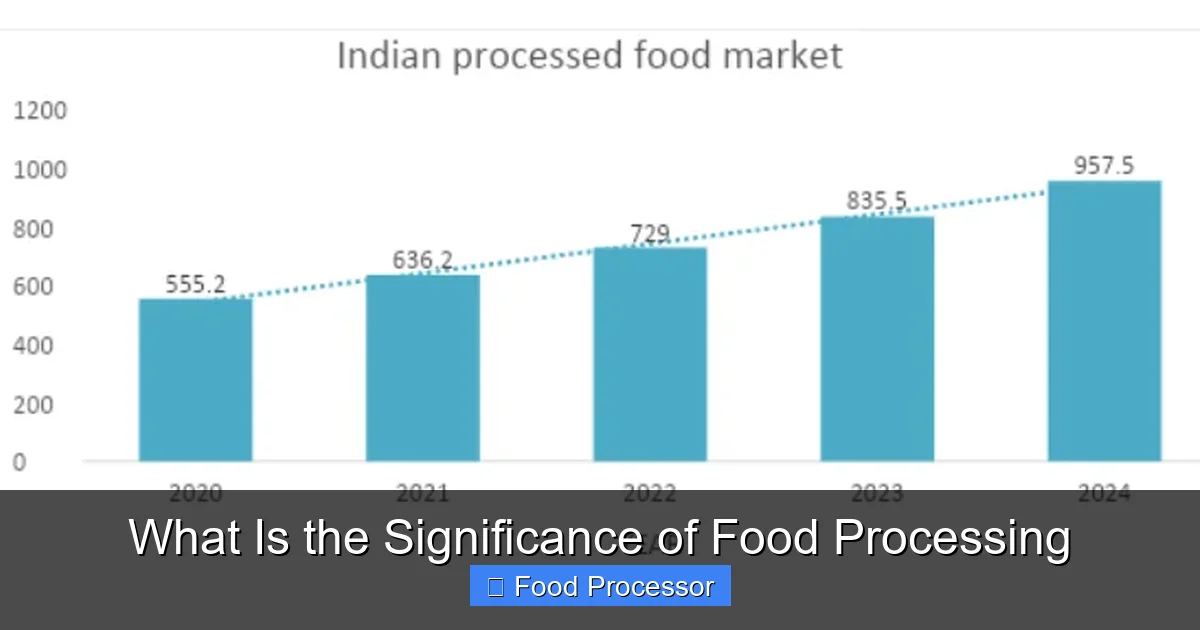
Visual guide about What Is the Significance of Food Processing
Image source: i0.wp.com
Let’s look at a few common examples to see food processing in action.
From Farm to Table: A Journey
The transformation of raw ingredients is a testament to the ingenuity behind food processing.
Grain to Bread
Raw wheat grain is harvested, cleaned, and then milled into flour. This flour is then mixed with water, yeast, salt, and other ingredients, kneaded, allowed to rise, and baked. Each step is a form of food processing, creating a staple food that’s nutritious and delicious.
Milk to Dairy Products
Fresh milk is pasteurized to kill harmful bacteria. From there, it can be processed into a multitude of products:
- Yogurt: Fermented with beneficial bacteria.
- Cheese: Curdled, pressed, and aged.
- Butter: Churned from cream.
- Powdered Milk: Dried to extend shelf life and ease transport.
Fruits/Vegetables to Juices/Canned Goods
Fresh fruits are washed, sorted, pressed, and then the juice is pasteurized and packaged. Vegetables are blanched, canned, and heat-treated to ensure safety and long shelf life. These processes allow us to enjoy the taste and nutrients of produce long after their harvest season.
Addressing Common Concerns About Food Processing
It’s important to acknowledge that not all food processing is created equal, and some concerns are valid.
Navigating the “Processed Food” Stigma
The term “processed food” often carries negative connotations. However, it’s crucial to differentiate between minimally processed foods (like chopped vegetables or whole-wheat flour) and ultra-processed foods (like sugary cereals or fast food items often high in unhealthy fats, sugar, and salt). The key is to understand the *level* and *type* of processing. Focusing on a balanced diet rich in whole foods, regardless of processing, is always the best approach.
Understanding Additives and Preservatives
Food additives and preservatives are common in processed foods. They serve various purposes, such as enhancing flavor, improving texture, or extending shelf life. While some have raised concerns about certain additives, most are rigorously tested and regulated by food safety authorities worldwide. The goal is to ensure they are safe for consumption in the amounts used. Educating yourself on common additives and their roles can help make informed choices.
The Importance of Balanced Choices
Ultimately, the significance of food processing lies in its ability to provide a safe, diverse, and convenient food supply. However, consumers should still make informed choices. Reading labels, understanding ingredient lists, and balancing processed foods with fresh, whole ingredients is key to a healthy diet.
The Role of Technology in Modern Food Processing
Technology has revolutionized food processing, making it more efficient, safer, and more innovative.
Automation and Efficiency
Modern food processing plants use advanced machinery and automation to handle large volumes of food efficiently. This reduces labor costs, increases output, and ensures consistency in quality.
Advanced Preservation Techniques
Beyond traditional methods, new technologies like high-pressure processing (HPP), pulsed electric fields (PEF), and advanced packaging materials are being developed. These methods can preserve food with minimal heat, often retaining more nutrients and fresh qualities.
Quality Control
Sophisticated sensors, analytical tools, and computer systems are used to monitor every stage of food processing. This ensures product quality, consistency, and strict adherence to safety standards, from raw material inspection to final product packaging.
Conclusion
Food processing is a fundamental pillar of our modern food system. It’s not just about creating convenience foods, but about ensuring the very safety, accessibility, and nutritional value of what we eat every day. From the simplest act of washing produce to complex industrial transformations, food processing extends shelf life, reduces waste, prevents illness, and provides us with an incredible diversity of food options.
While it’s important to be mindful of the types of processed foods we choose for a healthy diet, it’s equally crucial to recognize and appreciate the immense benefits and sophisticated science behind this vital industry. Food processing allows us to feed a growing global population, support diverse economies, and enjoy a safe, varied, and convenient diet that would otherwise be impossible. Understanding its significance helps us make more informed choices and appreciate the complex journey our food takes before it reaches our plates.
