

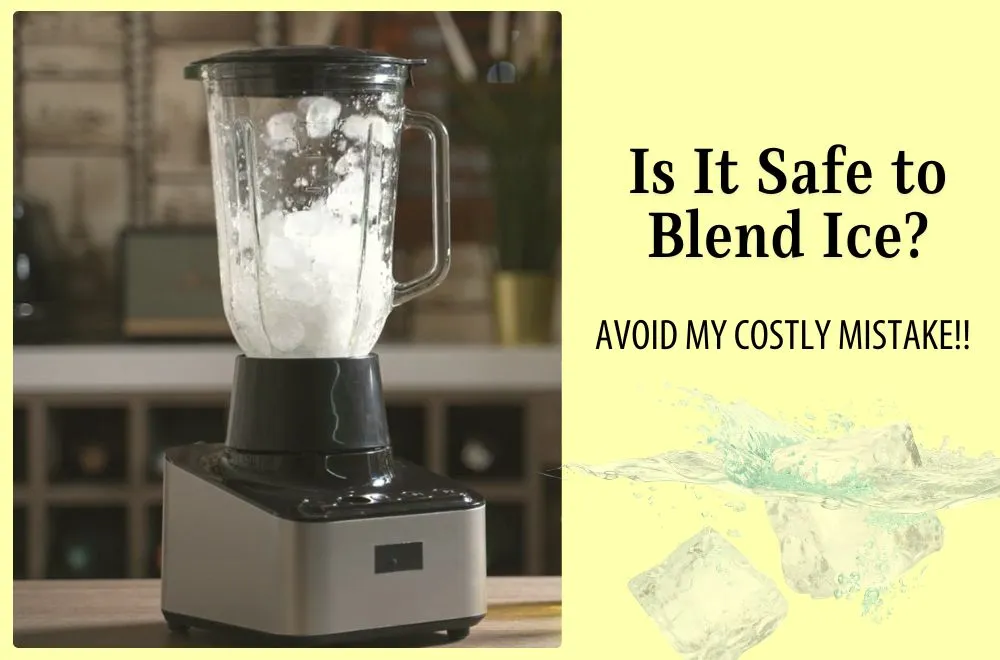
Short answer: Generally yes for small, pulsed amounts, but use caution to avoid damage.
I have tested food processors and used them in kitchens for years, so I know the common pitfalls and best practices. This article explains whether is it safe to put ice in a food processor, what risks to watch for, and how to do it right. Read on for clear guidance, practical tips, and real-world experience to help you decide when to crush ice in your machine and when to use a better tool.
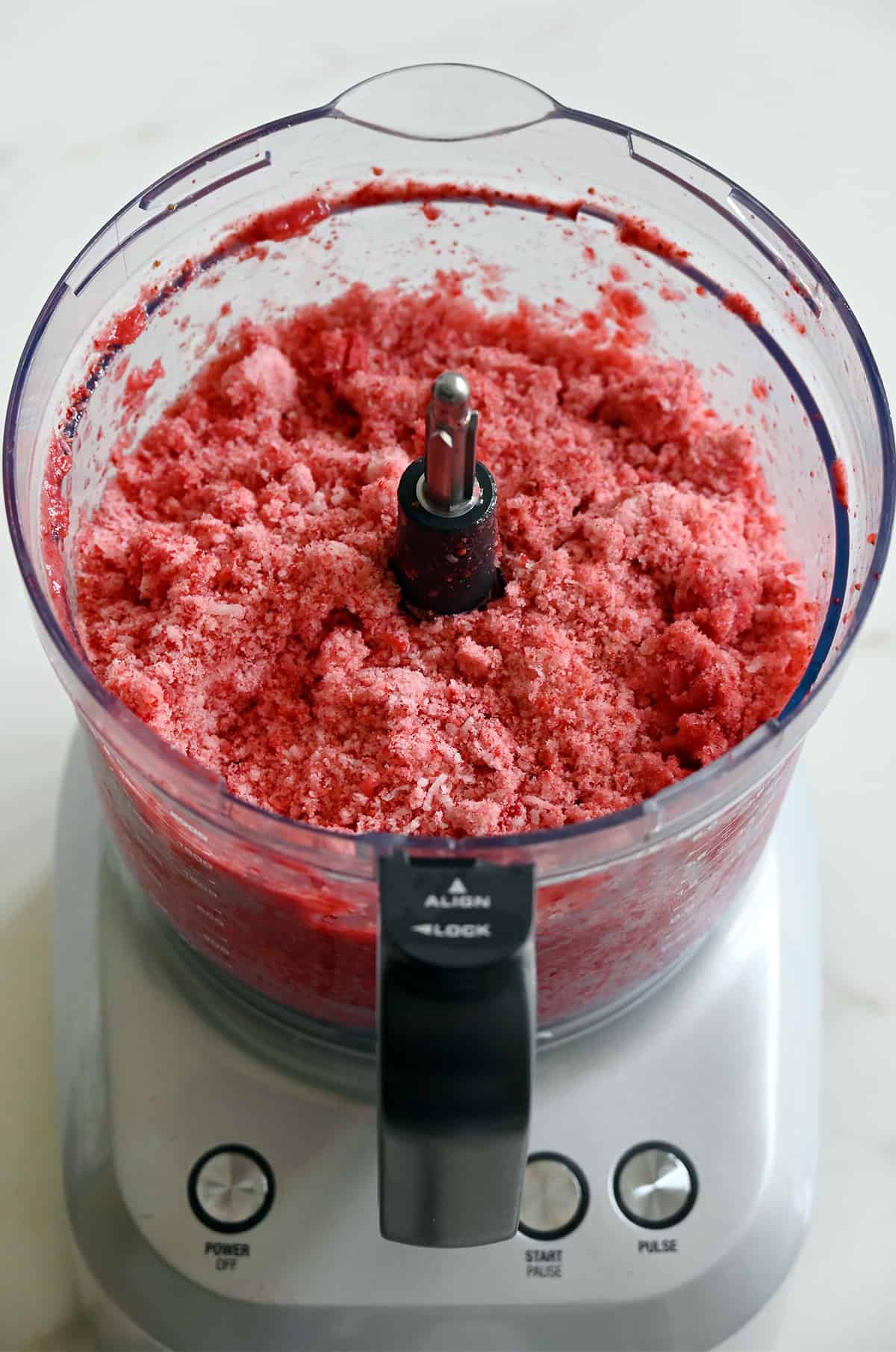
Why people ask "is it safe to put ice in a food processor"
Many cooks wonder if is it safe to put ice in a food processor because ice is hard and can stress blades and motors. Food processors are great at chopping and mixing, but they were not always designed for hard, dense items. Knowing the limits of your model prevents broken bowls, dulled blades, and burned motors. I’ll explain common risks and how to avoid them.
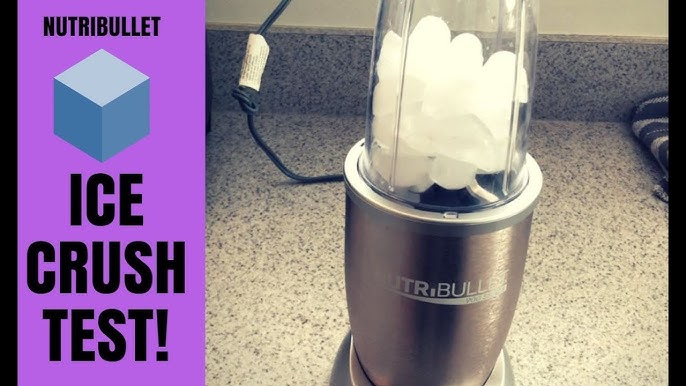
What happens when you put ice in a food processor
When you ask is it safe to put ice in a food processor, consider three mechanical realities: blades, motor load, and container strength. Blades can chip or dull if they hit very hard ice edges. Motors can overheat if they stall while trying to crush dense blocks. Bowls made from glass or thin plastic can crack under sudden stress or temperature shock. Use small batches and short pulses to reduce these risks.

Safety tips and best practices
If you decide to see if is it safe to put ice in a food processor, follow these simple rules to protect your appliance and your food.
- Check the manual first. Look for any warnings about crushing ice or hard foods.
- Use small ice cubes. Large blocks put more stress on blades and motor.
- Pulse in short bursts. This limits continuous strain and prevents overheating.
- Add a little liquid. A splash of water or juice lets ice move and reduces jamming.
- Hold a steady pace. Let the motor rest between runs to cool down.
- Avoid glass bowls. Use a sturdy plastic or metal bowl rated by the maker.
These steps helped me crush ice for smoothies without damage. I ruined one blade early on by trying to pulverize large frozen blocks. After switching to pulses and smaller cubes, the processor worked well and lasted longer.

When you should avoid putting ice in a food processor
There are clear cases when asking is it safe to put ice in a food processor leads to a no. Avoid using ice if:
- Your food processor manual warns against it.
- The ice is glued together in a thick block.
- The bowl is glass or the blade shows any chips.
- The motor is underpowered or older and has run hot before.
In these scenarios, crushing ice can chip blades or burn the motor. Choosing a safer method will save repair costs and headaches.

Alternatives to using a food processor for ice
If you decide that is it safe to put ice in a food processor is too risky for your model, try these alternatives.
- Use a blender with an ice-crush function. Many blenders are built to handle ice.
- Buy or use a dedicated ice crusher. These are designed for repeated use.
- Freeze liquids in smaller portions. Smaller cubes crush more easily.
- Use a heavy-duty mallet and a towel. This manual method is low-tech and reliable.
- Let ice sit at room temperature for a few minutes. Slight thawing makes crushing easier.
Personally, I keep a compact blender handy for frozen cocktails. It saves wear on my food processor and gives consistent results.

Cleaning and maintenance after crushing ice
Even if is it safe to put ice in a food processor for your unit, cleaning and inspection matter.
- Inspect blades after each use for chips or bends.
- Remove any trapped pieces from the bowl rim and blade hub.
- Dry completely to avoid rust on metal parts.
- Run the motor only when dry and correctly assembled.
- Schedule blade sharpening or replacement if performance drops.
Regular maintenance extended the life of my processor. A quick check after every ice job prevented a hard lesson later.

Frequently Asked Questions of is it safe to put ice in a food processor
Can every food processor crush ice?
No. Not every food processor is built for ice. Check the manual and use only models rated for hard foods.
Will crushing ice damage blades?
Crushing large or dense ice can chip or dull blades over time. Use small cubes and pulse to reduce wear.
Is a blender better for ice than a food processor?
Often yes. Many blenders are specifically designed for ice and frozen drinks and handle the shock better.
How do I protect the motor when crushing ice?
Use short pulses, small batches, and let the motor rest between cycles to prevent overheating and stalling.
Can thawing ice help?
Yes. Letting ice soften for a few minutes makes it easier to crush and reduces stress on blades and motor.
Conclusion
Putting ice into a food processor can be safe if you follow the machine’s instructions and use smart technique. Use small cubes, pulse rather than run continuously, and inspect blades and bowl before and after use. If your model is not rated for ice, choose a blender or crusher instead to avoid damage. Try one small test batch, watch and listen to the motor, and adjust your approach as needed. If this guide helped, leave a comment with your experiences, subscribe for more kitchen tips, or explore related articles to learn more.
