

Understanding if your food processor blades are dishwasher safe is crucial for their longevity and performance. Always check your appliance’s user manual first, as manufacturers provide specific guidelines for materials like stainless steel and plastic components. While many modern blades are top-rack dishwasher safe, hand washing can often extend their sharpness and prevent potential damage from high heat or harsh detergents. Prioritizing proper cleaning ensures your food processor remains a safe and efficient kitchen tool.
Are Food Processor Blades Dishwasher Safe?
Ah, the humble food processor! It’s a true kitchen hero, effortlessly chopping, slicing, shredding, and pureeing ingredients that would take ages by hand. From quickly dicing onions to whipping up a batch of pesto, the advantages of using a food processor are immense. But once the culinary magic is done, a common question arises: “Are food processor blades dishwasher safe?” This seemingly simple query can cause a bit of a headache for many home cooks. You want to clean them thoroughly and conveniently, but you certainly don’t want to damage those incredibly sharp edges.
Getting the cleaning process right is crucial not only for hygiene but also for preserving the life and performance of your appliance. Dishwashers offer undeniable convenience, but not all kitchen tools are created equal when it comes to standing up to their hot water, powerful jets, and strong detergents. Putting the wrong item in can lead to dull blades, discoloration, rust, or even irreversible damage.
In this comprehensive guide, we’ll dive deep into the world of food processor blade cleaning. We’ll help you understand the “dishwasher safe” label, identify factors that influence blade safety, and provide clear, step-by-step instructions for both dishwasher and hand washing methods. Our goal is to empower you with the knowledge to keep your food processor blades sharp, hygienic, and ready for countless meals to come. Let’s get those blades sparkling safely!
Key Takeaways
- Consult Your Manual First: The absolute most important step is to check your food processor’s user manual. It contains specific instructions on whether your particular food processor blades are dishwasher safe and any special care requirements.
- Understand “Dishwasher Safe”: This label often means the item can withstand typical dishwasher cycles, but it doesn’t always guarantee protection against dulling or discoloration, especially with high heat or harsh detergents.
- Top Rack is Usually Best: If your food processor blades are dishwasher safe, placing them on the top rack is generally recommended. This area experiences less intense heat and water pressure, which can be gentler on the blades.
- Hand Washing Extends Life: Even if dishwasher safe, hand washing with warm, soapy water can significantly extend the sharpness and lifespan of your food processor blades, preventing potential dulling or corrosion over time.
- Beware of Rust and Damage: Exposure to certain detergents, excessive heat, or prolonged contact with other metals in the dishwasher can lead to rust spots, dulling, or damage to the blade’s finish.
- Safety First: Regardless of cleaning method, always handle food processor blades with extreme caution due to their sharpness. Use appropriate tools or sponges and keep fingers away from cutting edges.
Understanding Your Food Processor Blades
Before we talk about cleaning, it’s helpful to understand what makes up your food processor blades. Knowing a bit about their construction will help you make informed decisions about how to care for them.
Types of Blades
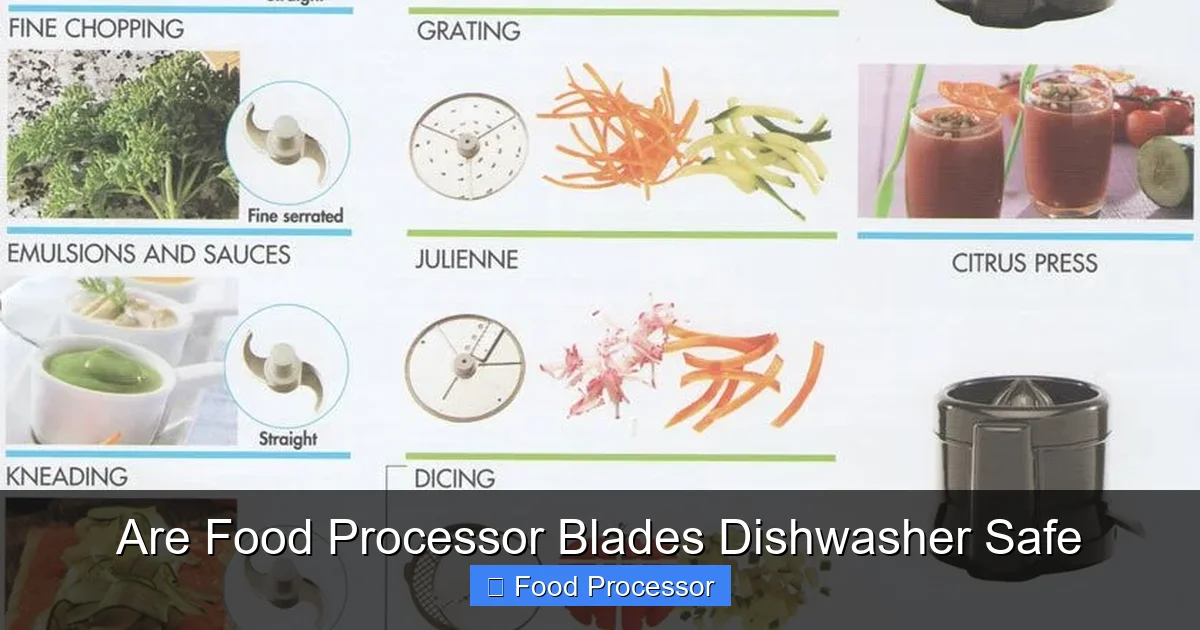
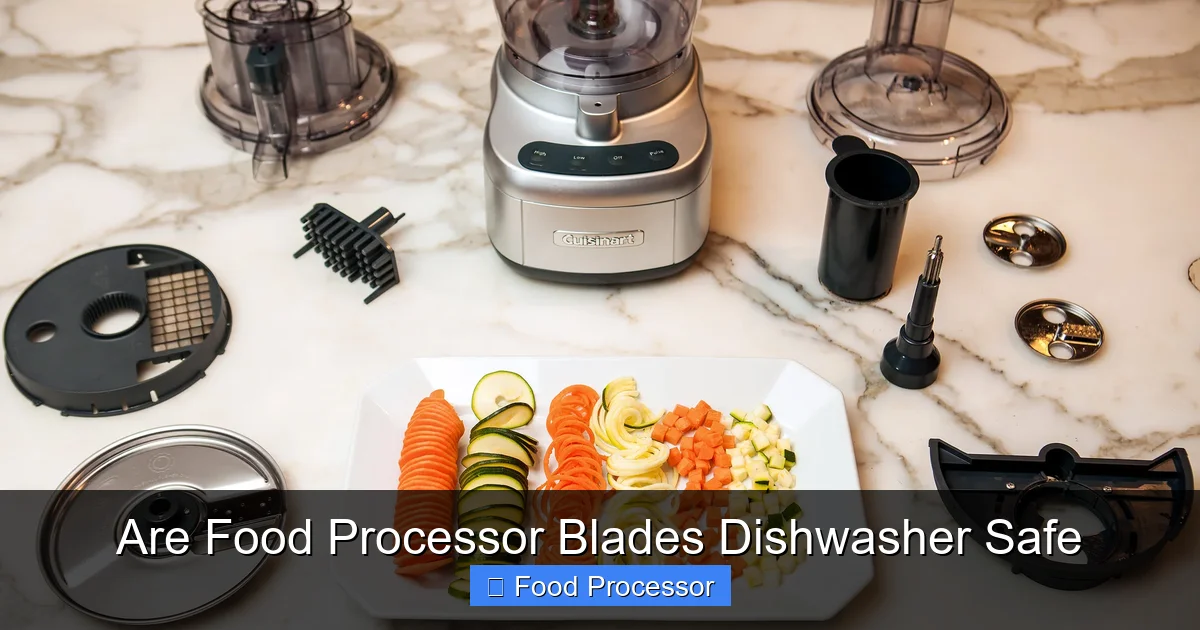
Food processors come with a variety of blades and discs, each designed for a specific task:
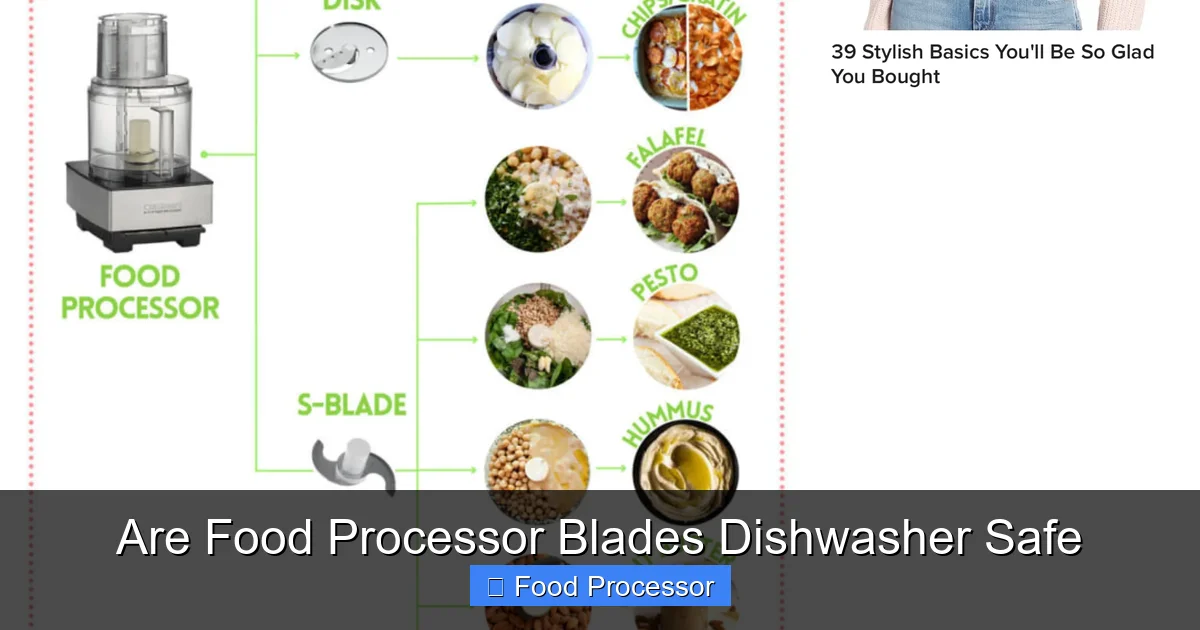
- S-Blade (or Chopping Blade): This is the most common blade, resembling an “S” shape. It sits at the bottom of the work bowl and is used for chopping, mincing, pureeing, and mixing. It’s often made entirely of stainless steel.
- Slicing Discs: These flat discs have sharp edges that slice ingredients uniformly. They come in various thicknesses.
- Shredding Discs: Similar to slicing discs, but with grated holes to shred ingredients like cheese or vegetables.
- Dough Blades: Often made of plastic, these are designed to mix dough without over-processing.
Our focus here is primarily on the sharp, metallic blades – the S-blade, slicing, and shredding discs – as these are most susceptible to damage in a dishwasher.
Blade Materials
Most food processor blades are made from stainless steel. Stainless steel is chosen for its durability, resistance to corrosion, and ability to hold a sharp edge. However, not all stainless steel is created equal. The quality and specific alloy can vary, affecting how well it stands up to harsh conditions. Some blades might also have plastic components, such as the central hub or a protective casing, which can react differently to heat.
The Manufacturer’s Word is Gold
Above all, the most critical factor in determining if your food processor blades are dishwasher safe is the manufacturer’s instructions. Each brand and model can have slightly different materials and finishes, meaning what’s safe for one might not be for another. Ignoring these guidelines can void your warranty and, more importantly, damage your valuable kitchen tool. If you’re also wondering can you put food processor parts in the dishwasher, the answer is often tied to the specific material and model, so checking the manual is always the best first step for all components.
The “Dishwasher Safe” Label Explained
What exactly does “dishwasher safe” mean when it’s stamped or printed on your food processor blades? It’s not always a blanket guarantee for indefinite perfection.
What it Generally Implies
When a manufacturer labels an item “dishwasher safe,” it typically means the material has been tested to withstand the temperatures, detergents, and water pressure of a standard dishwashing cycle without significant damage. For food processor blades, this often means they won’t corrode, rust, or warp during normal use in a dishwasher.
Potential Risks Even with “Dishwasher Safe” Blades
However, “dishwasher safe” doesn’t necessarily mean “dishwasher proof against all wear and tear.” Here’s why:
- Dulling: The high heat, strong detergents, and abrasive action of dishwasher cycles can, over time, dull the very fine edge of your food processor blades. This is less about corrosion and more about microscopic wear. A dull blade is less efficient and can even be more dangerous than a sharp one.
- Corrosion and Rust: While stainless steel is rust-resistant, it’s not rust-proof. Exposure to certain harsh detergents, prolonged contact with other metals (like carbon steel knives or silver), or even highly mineralized water can sometimes lead to superficial rust spots or pitting.
- Discoloration/Finish Damage: Some blade finishes or plastic components attached to blades can discolor or become cloudy due to high heat and harsh chemicals.
- Wear on Plastic Parts: If the blade has a plastic hub, excessive heat can cause it to crack, warp, or become brittle, potentially leading to the blade not fitting correctly or even breaking during use. This could be one reason why a food processor blade might not be spinning properly if the central mechanism is compromised.
Factors Affecting Dishwasher Safety of Blades
Several factors play a role in whether your food processor blades can safely endure a trip through the dishwasher.
Blade Material and Quality
High-quality stainless steel blades with a polished finish tend to fare better than lower-grade steel. The manufacturing process, including how the blade is hardened and finished, also contributes to its durability in a dishwasher.
Construction and Design
Blades with multiple parts, especially those where metal meets plastic, can be more vulnerable. The seals and bonds between different materials can weaken over time with repeated exposure to high heat and detergents.
Dishwasher Settings and Detergents
Your dishwasher’s settings matter a lot.
- Heat: High-temperature wash and dry cycles are more likely to cause damage, dulling, and wear than cooler, gentler cycles.
- Detergent: Harsh, abrasive detergents, especially those with strong bleaches or highly alkaline formulas, can accelerate wear on blade edges and finishes.
- Water Quality: Hard water with high mineral content can sometimes leave deposits or contribute to spotting, even on “dishwasher safe” items.
Age and Frequency of Dishwashing
Even the most robust food processor blades can show signs of wear over time. Frequently putting them through intense dishwasher cycles will likely show wear faster than occasional dishwashing or consistent hand washing.
Step-by-Step Guide to Cleaning Food Processor Blades
Let’s get down to the practical steps for keeping your food processor blades clean and pristine, whether you choose the dishwasher or hand washing.
Step 1: Always Consult Your User Manual
This cannot be stressed enough. Your user manual is the definitive guide for your specific appliance.
Locating the Manual
If you don’t have the physical manual, most manufacturers provide digital versions on their websites. A quick search for ” [Your Food Processor Brand] [Model Number] manual” should lead you right to it.
Understanding the Symbols
Look for sections on cleaning and care. You’ll often find symbols indicating dishwasher safety (e.g., a dishwasher icon) and specific instructions for which parts are safe for the top rack versus the bottom rack, or if hand washing is recommended. This applies not just to the blades, but other components too.
Step 2: Preparing Blades for Dishwashing (If Applicable)
If your manual confirms that your food processor blades are dishwasher safe, here’s how to prepare them for the wash.
Rinsing Off Large Debris
Before placing any food processor blades in the dishwasher, always give them a quick rinse under running water to remove any large food particles. This prevents food from hardening and makes the dishwasher’s job easier, reducing the need for intensive cycles. Be extremely careful when rinsing – those blades are sharp!
Proper Placement in the Dishwasher
- Top Rack Only: Most manufacturers recommend placing food processor blades on the top rack of the dishwasher. The top rack generally has lower temperatures and less aggressive water jets, which are gentler on delicate items and sharp edges.
- Secure Position: Ensure the blades are securely placed and won’t move around during the wash cycle. Loose blades can fall, get damaged, or damage other items. Lay them flat or secure them in a dedicated utensil basket if possible, with the sharp edges facing down to prevent injury when unloading.
- Avoid Overcrowding: Give the blades enough space for water and detergent to reach all surfaces effectively. Overcrowding can lead to inefficient cleaning and potential damage.
Avoiding Contact with Other Metals
To minimize the risk of rust spots (especially from a chemical reaction known as galvanic corrosion), try to keep stainless steel blades from touching other types of metal, particularly cast iron or items that aren’t stainless steel, during the wash cycle.
Step 3: Choosing the Right Dishwasher Cycle and Detergent
Even if your food processor blades are dishwasher safe, using the right settings can make a big difference.
Gentle Cycles are Best
If your dishwasher has a “delicate,” “light wash,” or “eco” setting, these are usually preferable. They use lower temperatures and gentler water pressure, which helps preserve the sharpness and finish of the blades. Avoid “heavy duty” or “sanitize” cycles if possible.
Mild Detergents
Opt for a mild, non-abrasive dishwasher detergent. Avoid detergents with harsh bleach or strong acidic/alkaline compounds, as these can be more aggressive on metal finishes over time.
Step 4: When to Hand Wash Food Processor Blades
Sometimes, hand washing is the best, or only, option.
For Delicate or Non-Dishwasher Safe Blades
If your manual says your food processor blades are NOT dishwasher safe, or if you simply want to extend their life, hand washing is the way to go.
The Hand Washing Process (Safety First!)
Cleaning food processor blades by hand requires extreme caution. Those edges are razor-sharp!
Visual guide about Are Food Processor Blades Dishwasher Safe
Image source: i.pinimg.com
Visual guide about Are Food Processor Blades Dishwasher Safe
Image source: static01.nyt.com
- Wear Protective Gloves (Optional but Recommended): Thick rubber gloves can offer an extra layer of protection against accidental cuts.
- Disassemble Safely: Carefully remove the blade from the food processor bowl. If it has a removable hub or handle, do so cautiously. For tips on how to assemble your food processor after cleaning, make sure to remember the steps in reverse.
- Use Warm, Soapy Water: Fill your sink with warm water and a good quality dish soap.
- Use a Brush or Sponge with a Handle: Never use your bare hands to scrub the cutting edge directly. A bottle brush, a dish brush with a sturdy handle, or a sponge with a gripping handle is ideal for scrubbing the blades without putting your fingers at risk.
- Clean All Surfaces: Thoroughly scrub both sides of the blades and any associated plastic components to remove all food residue.
- Rinse Thoroughly: Rinse the blades under clean, running water to remove all soap residue.
Dealing with Stubborn Food Residue
For dried-on food or sticky substances, a good soak in warm, soapy water for 10-15 minutes can often loosen them up, making cleaning much easier and safer.
Step 5: Drying and Storing Your Blades
Proper drying and storage are just as important as washing.
Air Drying vs. Hand Drying
- Air Drying: After washing, allow your blades to air dry completely on a dish rack. This prevents water spots and ensures no moisture is left to encourage rust.
- Hand Drying: If you’re in a hurry, carefully hand dry the blades with a clean, soft cloth immediately after washing. Again, use extreme caution around the sharp edges. Ensure they are bone-dry before storing.
Safe Storage Practices
Store your food processor blades in a safe place where their sharp edges won’t pose a hazard and won’t get dulled by rubbing against other utensils. Many food processors come with dedicated storage trays or compartments for their blades. Use them! This is also important for prolonging the life of your food processor.
Troubleshooting Common Issues
Even with the best care, sometimes issues arise. Here’s how to address a few common problems related to food processor blades.
Blade Dulling
If your food processor blades feel less effective, they might be dull.
Solution: Professional sharpening services exist for high-quality blades. For many home food processor blades, replacement is often more cost-effective if they become too dull. To prevent dulling, always hand wash or use gentle dishwasher cycles, and avoid abrasive cleaning pads.
Rust Spots
Small orange or brown spots on your stainless steel blades are usually rust.
Solution: Try cleaning with a paste of baking soda and a little water, applied with a soft cloth or brush. For tougher spots, a mild stainless steel cleaner can work. Always rinse thoroughly and dry immediately. To prevent recurrence, ensure blades are dry before storing and avoid prolonged contact with other metals in the dishwasher.
Plastic Discoloration
If the plastic parts of your blade or the blade’s hub become stained or discolored (e.g., from tomato sauce), it can be unsightly.
Solution: A paste of baking soda and water can sometimes lift stains. Sunlight can also surprisingly help fade some plastic stains, so leaving the stained plastic part in direct sunlight for a few hours might work. Preventative measures include rinsing immediately after use and avoiding high-heat dishwasher cycles.
Tips for Extending Blade Life
Want to get the most out of your food processor blades? Here are some additional tips.
Proper Use
Use your food processor for its intended purpose. Avoid processing extremely hard items like whole coffee beans (unless specifically designed for it, which is rare for standard blades) or very large chunks of ice, as these can stress and dull the blades. If you’re wondering is it safe to put ice in a food processor, check your manual – some are designed for it, others are not.
Regular Maintenance
Beyond cleaning, ensure all parts of your food processor are in good working order. If you notice any wobbling or unusual sounds, investigate.
Avoid Harsh Chemicals
Stick to mild dish soaps and detergents. Strong chemicals can degrade the materials of your blades and other components over time.
Consider Hand Washing as the Default
Even if your food processor blades are technically dishwasher safe, making hand washing your default method for the sharp S-blade and discs will likely keep them sharper, shinier, and lasting longer.
Conclusion
So, are food processor blades dishwasher safe? The answer is often “yes,” but with a crucial caveat: always check your specific appliance’s user manual. While the convenience of a dishwasher is tempting, the long-term health of your blades might benefit from a little extra care. High heat, harsh detergents, and abrasive washing cycles can slowly dull edges, cause discoloration, and even lead to rust over time.
By understanding your blade’s materials, adhering to manufacturer guidelines, and practicing careful hand washing (especially for the primary S-blade), you can ensure your food processor remains a high-performing and safe tool in your kitchen for years to come. A sharp, well-maintained food processor blade isn’t just about efficiency; it’s about safety and getting the best results from all your culinary endeavors. Keep those blades sharp, clean, and ready for your next kitchen adventure!
