

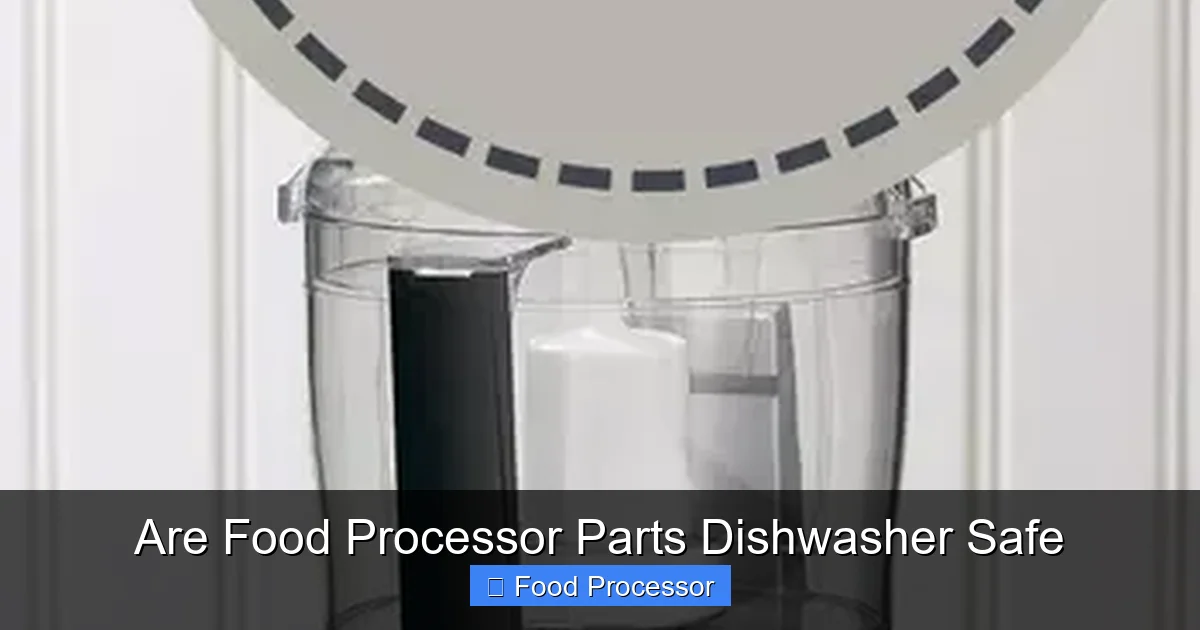
Figuring out which food processor parts are dishwasher safe can save you time and prevent damage. Generally, bowls, lids, and blades made from sturdy plastic or stainless steel are top-rack safe, but the motor base and electrical components must always be hand-washed. Always check your appliance’s manual or look for “dishwasher safe” markings to ensure proper care and longevity for your food processor.
Are Food Processor Parts Dishwasher Safe?
Ah, the trusty food processor! It’s a kitchen workhorse that chops, slices, dices, and purees with incredible speed, saving you precious time and effort. But once the culinary magic is done, the thought of cleaning all those intricate parts often makes people pause. Can you just toss those food processor parts into the dishwasher and call it a day, or are you setting yourself up for a mishap? This is a common question, and understanding which food processor parts are dishwasher safe is crucial for maintaining your appliance and ensuring its longevity.
Nobody wants to ruin a perfectly good kitchen gadget, especially one that makes meal prep so much easier. The good news is that many modern food processor parts are designed with convenience in mind, meaning they can often withstand the rigors of your dishwasher. However, there are important caveats, specific parts to avoid, and best practices to follow. In this comprehensive guide, we’ll walk you through everything you need to know about cleaning your food processor, helping you determine exactly which food processor parts are dishwasher safe and how to care for them properly.
You’ll learn how to identify dishwasher-safe components, understand the potential risks of incorrect washing, and discover tips for both machine and hand washing to keep your food processor in pristine condition for years to come. Let’s dive in!
Key Takeaways
- Check Your Manual First: The most reliable source for determining if your specific food processor parts are dishwasher safe is the manufacturer’s instruction manual.
- Motor Base is Never Dishwasher Safe: The electrical components in the motor base are extremely sensitive to water and must always be wiped clean with a damp cloth, never submerged or put in the dishwasher.
- Top Rack is Key for Plastics: Most plastic food processor bowls and lids are only safe on the top rack of the dishwasher, where water temperatures are generally lower, preventing warping and damage.
- Handle Blades with Care: While some blades are dishwasher safe, it’s often safer to hand wash them due to their sharp edges and potential for dulling from harsh detergents or high heat.
- Look for “Dishwasher Safe” Markings: Many components will have a symbol or text indicating their dishwasher compatibility, typically found on the bottom or underside of the part.
- Pre-Rinse and Disassemble: Always rinse off large food debris and completely disassemble your food processor before placing parts in the dishwasher to ensure thorough cleaning.
- Consider Hand Washing for Longevity: Even “dishwasher safe” parts can benefit from hand washing, especially if you want to preserve their appearance and integrity over a longer period, avoiding potential clouding or wear.
Understanding “Dishwasher Safe” for Food Processor Parts
The term “dishwasher safe” isn’t a one-size-fits-all guarantee. It implies that a product can withstand the high temperatures, strong detergents, and powerful water jets inside a dishwasher without getting damaged, warping, or discoloring. However, for food processor parts, this often comes with specific conditions.
What “Dishwasher Safe” Really Means
When a manufacturer labels food processor parts as dishwasher safe, they’re typically referring to the material’s ability to endure a standard wash cycle. For plastics, this usually means they can handle temperatures up to a certain point without melting or becoming brittle. For stainless steel, it means resistance to rust and dulling. Yet, even with this label, factors like the age of the appliance, the specific dishwasher cycle used, and the type of detergent can impact the outcome. Many consumers wonder, “Can you put food processor parts in the dishwasher?” The answer is often yes, but with careful consideration.
Common Materials and Their Dishwasher Compatibility
- Plastics (Polycarbonate, Tritan): Most food processor bowls and lids are made from durable, clear plastics like polycarbonate or BPA-free Tritan. These are generally dishwasher safe, but almost always recommended for the top rack only. The bottom rack exposes items to higher temperatures, which can cause warping, clouding, or cracking over time.
- Stainless Steel (Blades, Discs): Food processor blades and grating/slicing discs are typically made from stainless steel. High-quality stainless steel is usually dishwasher safe and resistant to rust. However, prolonged exposure to harsh detergents or very high heat can sometimes dull the sharp edges or cause cosmetic etching.
- Rubber/Silicone Seals: Seals and gaskets on lids are often made of silicone or rubber. These are usually dishwasher safe and can handle the heat, but they might need occasional deep cleaning by hand to remove food particles trapped underneath.
- Motor Base (Electrical Components): This is the most crucial part to remember: the motor base and any components with electrical connections are NEVER dishwasher safe. Water will damage the motor, void your warranty, and create a serious safety hazard.
Identifying Dishwasher Safe Food Processor Parts
Before you load your dishwasher, take a moment to identify which parts are safe for machine washing and which require a different approach.
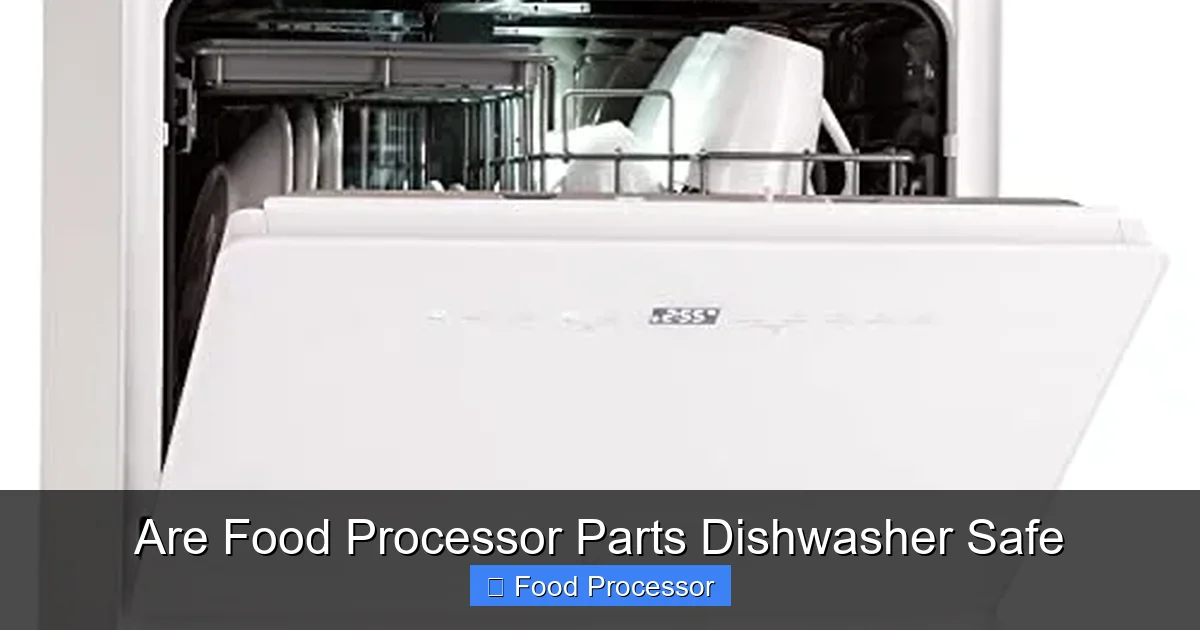
Visual guide about Are Food Processor Parts Dishwasher Safe
Image source: m.media-amazon.com
Consult Your Owner’s Manual
This is your primary and most reliable source of information. Every food processor comes with an instruction manual that details the care and cleaning for each specific component. It will clearly state which food processor parts are dishwasher safe and which are not. If you’ve misplaced your manual, you can usually find a digital version on the manufacturer’s website by searching for your model number.
Look for “Dishwasher Safe” Markings
Many food processor parts will have a small symbol or text molded into the plastic or etched onto the metal, indicating if they are dishwasher safe. Common symbols include a plate and fork icon with water droplets, sometimes accompanied by text like “dishwasher safe” or “top rack only.” If you see a “hand wash only” symbol (a hand reaching into water), then it’s clear.
Parts Generally Considered Dishwasher Safe (Top Rack Recommended):
- Work Bowl: The main bowl where food is processed.
- Lid: The cover for the work bowl, often with a feed tube.
- Pusher/Food Pusher: Used to guide food down the feed tube.
- Blades (S-blade, Dough Blade): While many are safe, some experts recommend hand washing to preserve sharpness.
- Slicing/Shredding Discs: These flat discs used for grating and slicing.
Parts That Are NEVER Dishwasher Safe:
- Motor Base: As mentioned, this is electrical. Wipe it clean with a damp cloth only.
- Any Electrical Cords or Plugs: Keep these far away from water.
- Specific Attachments Not Labeled: If an attachment isn’t explicitly marked as dishwasher safe, it’s safer to hand wash it.
How to Safely Wash Food Processor Parts in a Dishwasher
Once you’ve identified which food processor parts are dishwasher safe, follow these steps for a safe and effective clean:
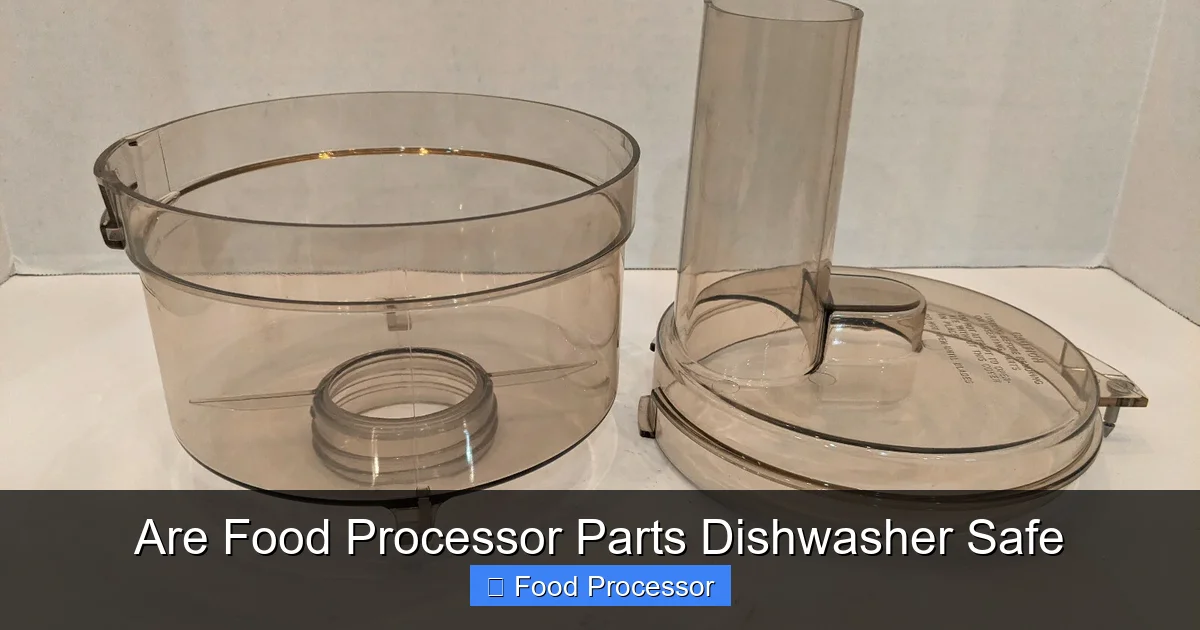
Visual guide about Are Food Processor Parts Dishwasher Safe
Image source: i.ebayimg.com
Step 1: Disassemble Your Food Processor Completely
Before any cleaning begins, ensure your food processor is unplugged and fully disassembled. This means removing the lid, bowl, blades, discs, and any other removable accessories. Refer to your manual if you’re unsure how to properly assemble food processor parts, as the reverse will be true for disassembly.
Step 2: Scrape Off Large Food Debris
Rinse or scrape off any large chunks of food from the parts before placing them in the dishwasher. This prevents food particles from clogging your dishwasher’s filter or redepositing onto other dishes during the wash cycle. A quick rinse under running water is usually sufficient.
Step 3: Load Parts onto the Top Rack Only (for most plastics)
Plastic bowls, lids, and pushers should almost always go on the top rack of your dishwasher. The heating element is typically at the bottom, and the highest temperatures are reached there. Placing plastics on the bottom rack can lead to warping, melting, or discoloration. Ensure parts are securely placed and won’t flip over, collecting water.
Step 4: Place Blades and Discs Carefully
Blades and discs are sharp! Place them in the cutlery basket with the sharp edge pointing downwards, or in a designated compartment for small items, ensuring they don’t pose a risk when unloading. If your dishwasher has a separate top basket for small items, that’s often the safest spot. Be mindful that even if they are dishwasher safe, blades can sometimes dull slightly over time with repeated machine washing.
Step 5: Choose a Gentle Cycle and Avoid High Heat Drying
Select a gentle or eco-friendly cycle if your dishwasher offers one. Use a standard dishwasher detergent. For plastic food processor parts, it’s best to avoid the heated dry cycle if possible. High heat can cause plastics to warp or become cloudy over time. Opt for an air-dry setting or simply open the dishwasher door after the wash cycle and let the parts air dry naturally.
Step 6: Inspect and Store
Once dry, inspect all food processor parts for any remaining food residue or damage. Ensure everything is completely dry before reassembling or storing to prevent mildew or odors. Store your food processor parts properly to protect them from damage until their next use.
When to Hand Wash Food Processor Parts (and How)
Even if your food processor parts are dishwasher safe, there are times when hand washing is the better option or is absolutely necessary.
For Non-Dishwasher Safe Parts
As covered, the motor base is a prime example. Wipe it clean with a damp cloth, then dry it thoroughly. Never immerse it in water.
To Preserve Sharpness and Appearance
For blades, hand washing can help maintain their sharpness longer. Harsh detergents and high heat can, over time, dull the cutting edge or etch the surface of stainless steel. Hand washing is also ideal for clear plastic bowls and lids if you want to prevent the slight clouding that can sometimes occur after many dishwasher cycles.
How to Hand Wash Food Processor Parts Effectively:
- Warm, Soapy Water: Fill your sink with warm water and a few drops of dish soap.
- Handle Blades with Extreme Caution: Use a brush with a handle (like a bottle brush or a dedicated cleaning brush for sharp objects) to scrub blades, rather than your bare hands. This greatly reduces the risk of cuts.
- Clean Crevices: Use a small brush or even a toothpick to get into tight spots and crevices where food can get stuck, especially around seals and under blade assemblies.
- Rinse Thoroughly: Rinse all parts under clean running water to remove all soap residue.
- Dry Completely: Air dry on a dish rack or use a clean towel to dry everything completely before reassembling or storing. This prevents water spots and mold growth.
Troubleshooting Common Issues with Food Processor Parts and Cleaning
Even with careful cleaning, you might encounter some common issues. Here’s how to address them:
Cloudy or Discolored Plastic
If your clear plastic bowl or lid becomes cloudy or yellowed, it might be due to hard water, harsh detergents, or repeated high-heat drying in the dishwasher. To help mitigate this, try soaking the part in a solution of warm water and white vinegar (1:1 ratio) for an hour, then hand wash. Always use the top rack and air-dry for future washes. Unfortunately, severe clouding often cannot be fully reversed.
Dull Blades
Over time, even the best blades can lose some of their edge. Dishwashing can sometimes accelerate this. If you notice why your food processor blade might not be spinning or struggling to cut effectively, it might be dull. Most food processor blades are not designed to be sharpened at home. If hand washing doesn’t resolve the issue, you might need to purchase a replacement blade.
Stains and Odors
Processing strong-smelling foods like garlic, onions, or turmeric can leave lingering odors and stains. For odors, try placing a cut lemon half or a handful of baking soda in the bowl, sealing it with the lid, and letting it sit overnight. For stains, a paste of baking soda and water applied to the stained area for a few hours can help. Always follow up with a thorough wash.
Rubber Seals Deteriorating
If rubber or silicone seals become brittle, cracked, or loose, they can affect the performance of your food processor, potentially leading to leaks. This can be caused by excessive heat or harsh chemicals. It’s often best to replace these seals if they show signs of wear. Check your manufacturer’s website for replacement parts.
Tips for Longevity of Your Food Processor
Beyond cleaning, a few general practices can significantly extend the life of your food processor:
- Don’t Overload: Avoid packing the work bowl beyond the “max fill” line. Overloading stresses the motor and can lead to inefficient processing and premature wear.
- Process in Batches: If you have a large quantity of ingredients, process them in smaller batches.
- Proper Storage: Store your food processor parts in a way that prevents them from getting scratched or damaged. Many models come with smart storage solutions for blades and discs.
- Regular Maintenance: Periodically check the base for any food debris buildup, especially around the spindle where the bowl connects. Keep the motor’s air vents clear.
- Consider Durability When Buying: When it comes time to buy a new one, consider what to consider when buying a food processor. Models with higher quality materials often last longer and may have more robust dishwasher-safe parts.
Conclusion
Cleaning your food processor doesn’t have to be a chore, nor does it have to be a gamble. By understanding which food processor parts are dishwasher safe and following the guidelines outlined above, you can confidently clean your appliance, ensuring it remains a reliable tool in your kitchen for years to come. Always prioritize safety, consult your manual, and when in doubt, hand wash. A little extra care goes a long way in protecting your investment and keeping your culinary adventures smooth and hassle-free!
