

Yes, you *can* sharpen food processor blades, and it can significantly improve your appliance’s performance. While professional sharpening is an option, many users can achieve good results at home using simple methods like the aluminum foil technique. Always prioritize safety, clean your blades thoroughly, and understand when it might be time for a replacement instead of sharpening to ensure your food processor operates efficiently and safely.
Can You Sharpen Food Processor Blades?
Have you ever found yourself wrestling with your food processor, wondering why it’s not chopping or dicing as cleanly as it used to? Maybe your vegetables are getting mashed instead of finely chopped, or your nuts are turning into paste too quickly. The culprit is often dull blades. Just like kitchen knives, the blades in your trusty food processor lose their edge over time with regular use.
The good news is, yes, you absolutely *can* sharpen food processor blades! Giving them a fresh edge can breathe new life into your appliance, making your food prep quicker, easier, and more enjoyable. In this comprehensive guide, we’ll walk you through everything you need to know about sharpening food processor blades. We’ll cover how to tell if your blades are dull, practical DIY sharpening methods, when to consider professional help, and crucial safety tips to keep you protected throughout the process. By the end, you’ll be well-equipped to get your food processor back to its peak performance.
Key Takeaways
- Most Food Processor Blades Are Sharpenable: The main S-blade of your food processor can typically be sharpened, though some specialized or plastic blades might not be suitable.
- Dull Blades Reduce Efficiency: A dull blade tears and mashes food instead of cleanly cutting it, leading to uneven results and a longer processing time.
- DIY Methods Exist: Simple home methods, like using an aluminum foil ball, can offer a temporary and noticeable improvement for moderately dull blades. More advanced users might try a whetstone.
- Safety is Paramount: Always unplug your food processor and handle blades with extreme caution, preferably wearing cut-resistant gloves, to prevent injury.
- Know When to Replace: If your blade is chipped, bent, or severely damaged, or if sharpening doesn’t yield satisfactory results, it’s often safer and more effective to purchase a replacement blade or a new food processor.
- Proper Maintenance Extends Life: Regular cleaning by hand, avoiding overly hard ingredients, and careful storage can help maintain blade sharpness and prolong its lifespan.
Recognizing Dull Food Processor Blades
Before you even think about sharpening, how do you know if your food processor blades are actually dull? Here are some tell-tale signs:
Signs Your Blades Need Sharpening
- Mashing, Not Chopping: Instead of cleanly slicing through ingredients like onions, carrots, or herbs, the blades seem to mash or tear them. You’ll notice a pulpy consistency rather than distinct pieces.
- Uneven Results: Some pieces are perfectly chopped, while others remain large or are completely pulverized. A sharp blade ensures consistent results throughout the batch.
- Longer Processing Time: You find yourself running the food processor for much longer than you used to, needing more pulses or continuous blending to achieve the desired texture.
- Struggling with Harder Foods: Ingredients like nuts, hard cheeses, or root vegetables become a real challenge. The motor might seem to strain more, and the results are unsatisfactory.
- Visual Inspection: Carefully examine the edge of your blade. A sharp blade will have a crisp, fine edge. A dull one might look rounded, nicked, or simply not as keen.
Understanding Your Food Processor Blades
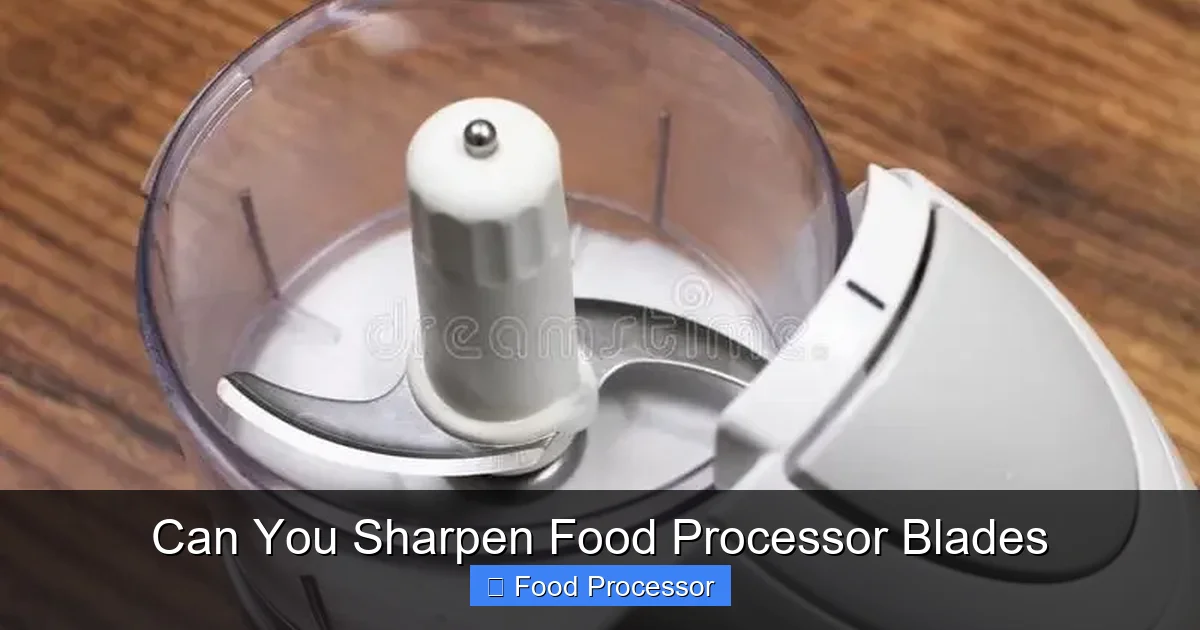
Most food processors come with various blades. When we talk about sharpening, we are primarily referring to the main “S-blade” (also known as the universal blade or chopping blade). This is the workhorse blade used for most chopping, pureeing, and mixing tasks. Other blades, like slicing or shredding discs, often have specific cutting edges that are more complex and typically not designed for home sharpening. Some blades, especially those made of plastic or with serrated edges, are also not suitable for sharpening. Focus on the metal S-blade for this process.
Safety First: Before You Start Sharpening
Visual guide about Can You Sharpen Food Processor Blades
Image source: thekitcheneye.com
Working with sharp objects, or objects that *will become* sharp, requires utmost caution. Please read and follow these safety guidelines carefully.
Always Unplug Your Appliance
This is the golden rule. Before you even think about touching the blade assembly, make sure your food processor is completely unplugged from the power outlet. This prevents any accidental activation of the motor, which could lead to severe injury.
Handle Blades with Extreme Care
Food processor blades, even when dull, can still cause cuts. Once sharpened, they become even more dangerous.
- Wear Cut-Resistant Gloves: Investing in a pair of cut-resistant gloves (often found in kitchen supply or hardware stores) is highly recommended. These provide an extra layer of protection for your hands.
- Hold by the Hub: Always handle the blade by its central plastic or metal hub, never by the sharp edges themselves.
- Keep Away from Body: Keep the blade away from your body while handling, especially when cleaning or sharpening.
Clean the Blade Thoroughly
Before sharpening, ensure your blade is spotless. Food residue can interfere with the sharpening process and make handling less safe.
- Wash with Soap and Water: Use warm, soapy water and a sponge or brush to remove any food particles. Be extra careful around the edges.
- Dry Completely: Make sure the blade is completely dry before you begin sharpening. Moisture can affect sharpening tools and potentially lead to rust. For tips on cleaning various parts, you might find our guide on can you put food processor parts in the dishwasher helpful, though hand washing is often recommended for blades to preserve their edge.
DIY Method 1: The Aluminum Foil Ball Technique (Easy & Effective for Mild Dullness)
Visual guide about Can You Sharpen Food Processor Blades
Image source: thekitcheneye.com
This is by far the most popular and easiest DIY method for home cooks. It won’t give you a razor-sharp edge, but it can significantly improve the performance of moderately dull food processor blades.
Gather Your Supplies
- Aluminum foil
- Water (a few drops)
- Mild dish soap
- Cut-resistant gloves (optional, but highly recommended)
Prepare the Foil
Take several sheets of aluminum foil (about 4-5 sheets, roughly 12×12 inches each). Crumple them tightly into a compact, golf-ball to tennis-ball sized sphere. Make sure it’s dense and firm. The abrasive nature of the crumpled foil is what helps to hone the blade’s edge.
The Sharpening Process
Step 1: Assemble Your Food Processor Safely
With the food processor unplugged, carefully place the clean, dry blade onto the central spindle inside the bowl. Secure the lid in place as you normally would when operating the appliance.
Step 2: Add the Foil Ball
Drop the crumpled aluminum foil ball into the food processor bowl.
Step 3: Pulse the Processor
Plug in your food processor. Use the “pulse” function to process the aluminum foil. Pulse it in short bursts, for about 30 seconds to a minute total. The foil will be chopped into smaller and smaller pieces. The friction and cutting action against the foil will help to abrade and refine the blade’s edge.
Step 4: Inspect and Repeat if Necessary
Unplug the food processor. Carefully remove the lid and then the blade (remember to handle it by the hub!). Observe the blade’s edge. Does it feel sharper? Has it lost some of its dullness? If you feel it could be sharper, you can repeat the process with a fresh ball of foil.
Clean and Test
After sharpening, unplug the machine, remove the blade, and dispose of the aluminum foil pieces. Wash the blade thoroughly again to remove any tiny metal particles. Dry it completely. Then, test your newly sharpened blade with some common ingredients like parsley or onions. You should notice a significant improvement in how cleanly and efficiently it processes food.
Tips for the Foil Ball Method
- This method is best for maintaining sharpness or bringing a moderately dull blade back to life. It’s not ideal for severely damaged or chipped blades.
- The results are temporary. You might need to repeat this process every few months, depending on how often you use your food processor.
- For a general understanding of how your appliance operates, you might review our guide on how do you use a food processor step-by-step to ensure you’re comfortable with its assembly and operation.
DIY Method 2: Manual Sharpening with a Whetstone or Sharpening Steel (Advanced)
This method requires more skill, patience, and specialized tools. It can achieve a much finer and more durable edge than the foil ball method, but it also carries a higher risk of injury or damaging the blade if done incorrectly. This is generally recommended only for those experienced in sharpening knives.
Necessary Tools
- Whetstone (combination coarse and fine grit) or sharpening steel
- Water or honing oil (if using a whetstone)
- Cut-resistant gloves
- Non-slip mat or towel
Preparing the Whetstone
If using a whetstone, soak it in water for 5-10 minutes until no more bubbles appear (for water stones), or apply honing oil (for oil stones) according to the manufacturer’s instructions. Place the whetstone on a non-slip surface, coarse grit side up initially.
Finding the Right Angle
This is the trickiest part. Food processor blades typically have a bevelled edge, similar to a kitchen knife. You need to identify this original angle and try to maintain it consistently throughout the sharpening process. This is usually between 15-25 degrees. Practice on an old knife first if you’re unsure.
Sharpening the Blade
Step 1: Secure the Blade
While wearing cut-resistant gloves, hold the food processor blade firmly by the hub. Position one of the cutting edges against the coarse side of the whetstone at the correct angle.
Step 2: Grind the Edge
With steady, even pressure, push the blade away from you and then pull it back, maintaining the angle. Use long, smooth strokes. Focus on sharpening one side of the blade at a time. Repeat this 10-20 times, or until you feel a slight burr (a tiny ridge of metal) forming on the opposite side of the edge.
Step 3: Switch Sides and Grit
Flip the blade over and repeat the process on the other side of the cutting edge to remove the burr and sharpen evenly. Once you’ve achieved a burr on both sides with the coarse grit, switch to the fine grit side of the whetstone. Repeat the same push-pull motions, using lighter pressure, to refine the edge and remove any remaining burr.
Step 4: Finish with a Stropping Motion
For a truly refined edge, you can finish by ‘stropping’ the blade. With very light pressure, pull the blade across the fine grit stone, leading with the spine (back of the blade) rather than the edge. This polishes the edge.
Cleaning and Testing
Thoroughly clean the blade to remove any metal filings. Carefully test its sharpness on a piece of paper or by trying to chop some soft herbs.
Warnings for Manual Sharpening
- Improper angle or excessive pressure can damage the blade or create an uneven edge.
- The risk of cutting yourself is significantly higher with this method. Proceed with extreme caution.
- If you’re unsure, it’s safer to stick to the foil method or seek professional help.
When to Consider Professional Sharpening
Sometimes, a DIY approach just isn’t enough, or you might prefer to leave it to the experts. Professional sharpening services are a great option for several reasons:
- Severely Dull Blades: If your blades are extremely dull or have minor nicks, a professional can restore them much more effectively.
- Complex Blade Designs: While we focus on the S-blade, some food processors have more intricate blade designs that are difficult to sharpen at home.
- Lack of Confidence or Tools: If you’re uncomfortable with manual sharpening or don’t have the right tools, a professional service is safer and more reliable.
- Time-Saving: It’s convenient! Just drop off your blade and pick it up when it’s ready.
Check with local knife sharpening services, hardware stores, or kitchen specialty shops. They often have the expertise and equipment to properly sharpen food processor blades.
When to Replace Your Food Processor Blades
There comes a point when sharpening is no longer the best solution, or even possible. Here’s when you should consider replacing your food processor blades:
- Chipped or Bent Blades: Any visible damage like chips, cracks, or bends compromises the blade’s integrity and safety. A damaged blade can splinter during use, contaminating food or causing further damage to your machine.
- Plastic Blades: Some smaller food processors or specialty attachments come with plastic blades. These are not designed to be sharpened and should be replaced if they become ineffective.
- Excessive Wear and Tear: Over many years of use, the metal itself can wear down, or the blade’s mounting point might become loose. At this stage, a new blade is your best bet.
- Unsatisfactory Sharpening Results: If you’ve tried sharpening (either DIY or professionally) and your food processor still isn’t performing well, it might be beyond saving.
- Cost vs. Replacement: Compare the cost of a new blade to the cost of professional sharpening. Sometimes, a new blade is a more economical and effective long-term solution. When considering a full replacement, think about what to consider when buying a food processor to ensure you get the best fit for your needs.
Replacement blades can usually be purchased directly from the food processor manufacturer’s website or authorized retailers. Always ensure you get the correct model-specific blade for your appliance.
Maintaining Sharpness and Extending Blade Life
Prevention is often better than cure! By following good practices, you can keep your food processor blades sharper for longer.
Hand Washing is Best
While some food processor parts are dishwasher safe, frequent high-heat cycles and harsh detergents in a dishwasher can dull blades faster than hand washing. Hand wash your blades with warm, soapy water immediately after use.
Avoid Processing Overly Hard Items
Repeatedly processing extremely hard ingredients like ice, frozen fruits (without adequate liquid), or very dense nuts can put excessive strain on the blades and cause them to dull or even chip more quickly. If your food processor is struggling, it might be a sign it’s not meant for that task, or you’re pushing it too hard.
Store Blades Safely
When not in use, store your food processor blades in a safe place where their edges won’t rub against other metal objects. Many food processor bowls have dedicated storage for the blades, or you can use a blade cover.
Regular Cleaning
A clean blade performs better. Regularly cleaning your food processor parts, including the blade, ensures no residue builds up that could affect its efficiency. After cleaning, it’s also helpful to know how to assemble a food processor step-by-step to ensure everything is put back together correctly for safe operation.
Troubleshooting Common Sharpening Issues
Even with the best intentions, you might run into some hiccups when you sharpen food processor blades.
Blade Still Feels Dull After Sharpening
- Not Enough Repetitions: If using the foil method, you might need more pulses or a fresh ball of foil. For manual sharpening, you might not have done enough passes on the whetstone.
- Incorrect Angle (Manual Method): If you didn’t maintain the correct angle with a whetstone, you might have just polished the sides of the blade rather than sharpening the actual cutting edge.
- Blade is Too Damaged: The blade might be too chipped or worn to be effectively sharpened by DIY methods. Consider professional sharpening or replacement.
Blade Feels Rough or Uneven
- Burr Not Removed: With manual sharpening, a rough edge often indicates that the burr (the tiny ridge of metal formed during sharpening) was not fully removed or refined. Use the fine grit side of the whetstone with lighter pressure or a stropping motion to smooth it out.
- Uneven Pressure: Inconsistent pressure during manual sharpening can lead to an uneven edge. Try to apply even pressure throughout your strokes.
Scratches on the Blade
This is more common with the manual whetstone method. While some cosmetic scratches are normal during sharpening, deep gouges indicate too much pressure or an incorrect angle. It’s usually cosmetic, but extreme gouges can weaken the blade.
Conclusion
A sharp food processor blade is the secret to efficient and enjoyable cooking. Instead of struggling with dull tools, you now know that you can sharpen food processor blades yourself, or seek professional help when needed. Whether you opt for the simple aluminum foil trick or take on the challenge of a whetstone, bringing your blade back to life will significantly improve your food processor’s performance. Remember to always prioritize safety, keep your blades clean, and know when it’s time to replace them. With a little care and attention, your food processor will continue to be a powerful and reliable kitchen companion for years to come! Happy chopping!
