

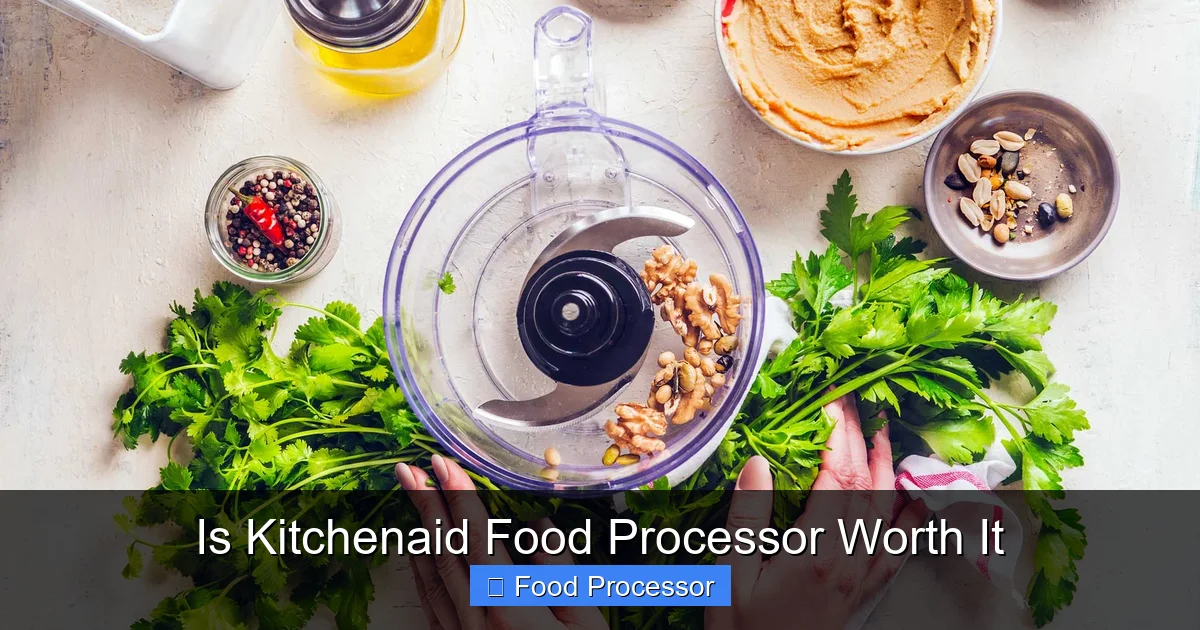
Deciding if a Kitchenaid food processor is worth it involves weighing its renowned power, versatility, and durability against its price point and your specific kitchen needs. Known for their robust motors and array of attachments, these appliances can significantly streamline meal prep, but their value truly shines for those who regularly tackle tasks like kneading dough, shredding cheese, or pureeing ingredients, making them a significant investment that often pays off in convenience and quality.
Is Kitchenaid Food Processor Worth It?
Are you standing at the crossroads of kitchen appliance decisions, pondering whether to invest in a Kitchenaid food processor? It’s a common dilemma. With so many options out there, from budget-friendly models to high-end machines, figuring out if a particular brand and its offerings are truly worth your hard-earned money can be tough. Kitchenaid has a long-standing reputation for quality and performance, especially with their iconic stand mixers. But does that same reputation extend to their food processors?
In this comprehensive guide, we’re going to dive deep into the world of Kitchenaid food processors. We’ll explore their features, performance, durability, and versatility to help you decide if a Kitchenaid food processor is the right culinary companion for your kitchen. By the end, you’ll have a clear understanding of what to expect, who benefits most, and whether this investment aligns with your cooking style and budget. Let’s get chopping!
Key Takeaways
- Powerful Performance: Kitchenaid food processors are known for their strong motors and efficient processing, handling tough ingredients with ease, from kneading dough to shredding hard cheeses.
- Versatility and Attachments: Most models come with a variety of blades and discs for chopping, slicing, shredding, pureeing, and kneading, making them a multi-functional kitchen workhorse.
- Durability and Build Quality: Kitchenaid appliances are generally built to last, featuring sturdy construction that justifies their higher price point for many users seeking long-term reliability.
- Consider Your Usage: The “worth” factor largely depends on how frequently you’ll use it and for what tasks. If you often engage in extensive meal prep, baking, or cooking from scratch, it’s likely a valuable investment.
- Cost vs. Features: While pricier than some competitors, the investment often reflects superior performance, advanced features, and the brand’s reputation, offering good long-term value.
- Different Models & Sizes: Kitchenaid offers various food processor sizes and models, from compact choppers to large-capacity units, allowing you to choose one that perfectly fits your kitchen space and cooking demands.
- Ease of Cleaning: Many Kitchenaid food processor components are dishwasher-safe, which adds to the convenience and overall positive user experience, making cleanup less of a chore.
Understanding the Kitchenaid Food Processor Landscape
Before we decide if a Kitchenaid food processor is worth it, let’s understand what they offer. Kitchenaid produces a range of food processors, from compact models perfect for small tasks to large, powerful machines designed for serious cooking.
Models and Capacities
Kitchenaid offers various food processor models, typically categorized by their bowl capacity.
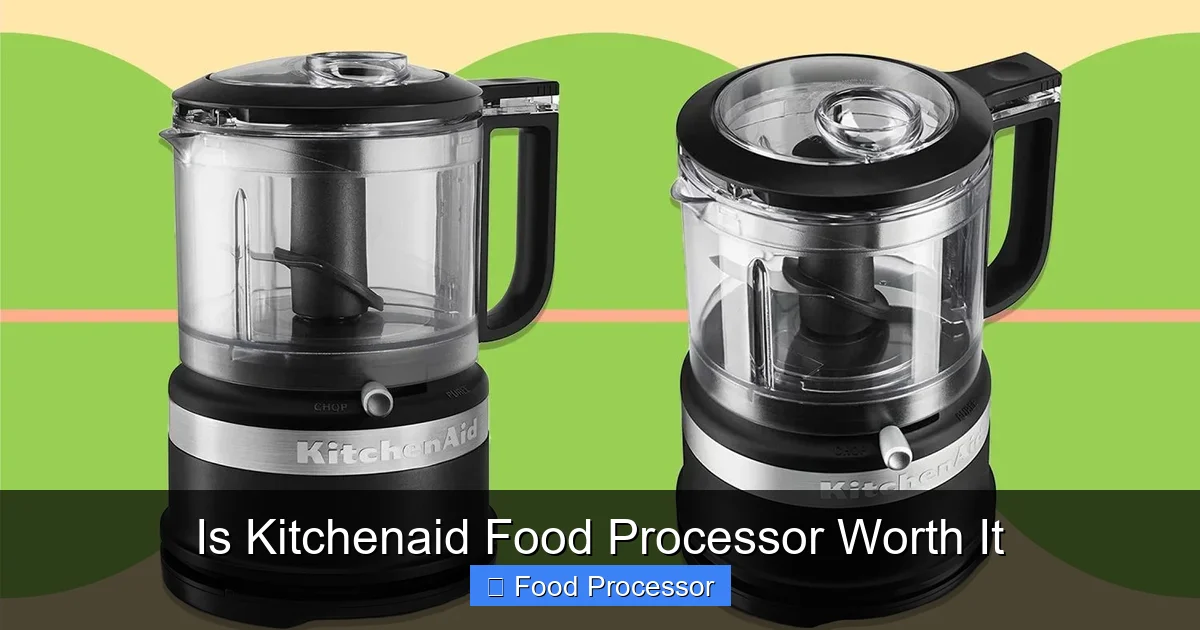
- Mini Food Choppers (3.5 cups): These are great for small tasks like chopping nuts, herbs, or making dips for one or two people.
- Compact Food Processors (7-9 cups): A good middle-ground for everyday meal prep, handling everything from slicing vegetables to making sauces.
- Full-Size Food Processors (11-14 cups and above): Ideal for larger families, frequent entertainers, or serious home cooks who often prepare big batches, knead dough, or shred large quantities of ingredients.
Each size caters to different needs, so thinking about your typical cooking volume is a crucial first step.
Key Features Across Models
While features vary by model, common aspects of a Kitchenaid food processor often include:
- Powerful Induction Motors: These motors are designed for durability and efficient processing, handling tough ingredients without bogging down.
- Multiple Speed Settings: Often including “Chop,” “Puree,” and “Pulse” functions for precise control over consistency.
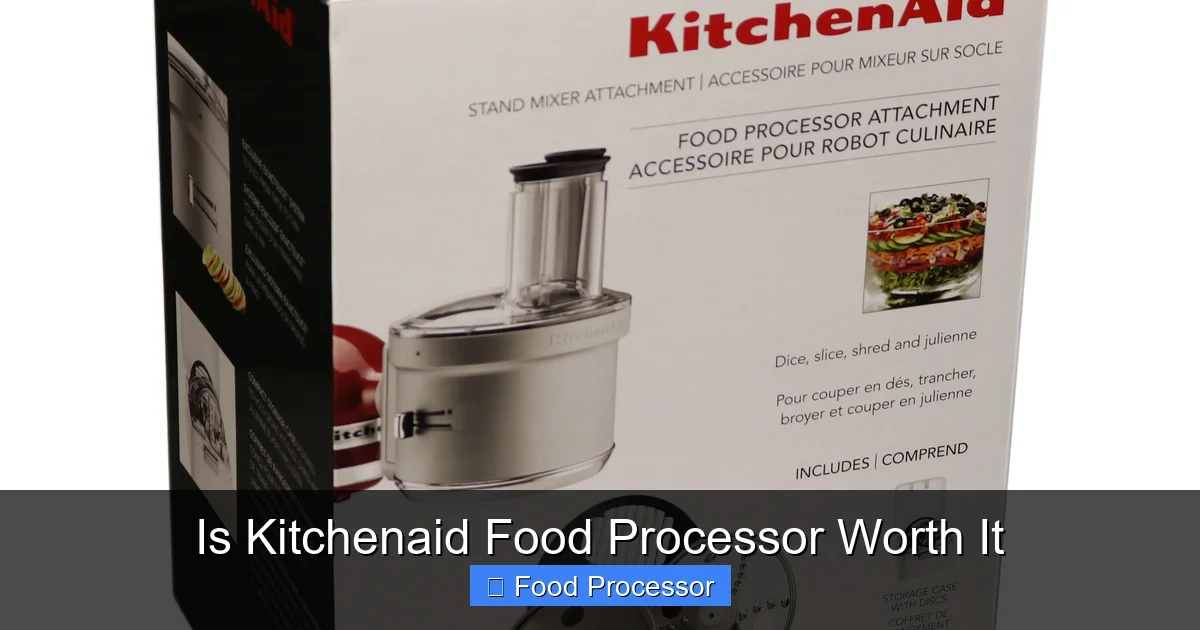
- Versatile Blades and Discs: Standard S-blades for chopping and pureeing, along with reversible slicing/shredding discs, are common. Some models include specialized dough blades, julienne discs, or even dicing kits.
- Wide Feed Tubes: Making it easier to process larger items like potatoes or cucumbers without pre-cutting them into tiny pieces.
- Durable Construction: Kitchenaid is known for its sturdy build, often incorporating heavy bases and robust materials.
The Pros: Why a Kitchenaid Food Processor Might Be Worth It
Let’s look at the advantages that make a Kitchenaid food processor a compelling choice for many kitchens.
1. Exceptional Performance and Power
One of the most praised aspects of a Kitchenaid food processor is its performance. They are built with powerful motors that can tackle a wide range of tasks with ease.
- Handles Tough Ingredients: From shredding hard cheeses like Parmesan to kneading stiff bread dough, these processors rarely struggle. The powerful motor ensures consistent results without overheating.
- Efficient Processing: Whether you’re chopping onions, pureeing soups, or making nut butter, the blades are designed for efficiency, delivering uniform results quickly. You’ll find that tasks that once took minutes by hand are done in seconds.
This power and efficiency can significantly cut down on prep time, which is a huge benefit for busy individuals.
2. Versatility and Multi-Functionality
A Kitchenaid food processor isn’t just for chopping. It’s a multi-talented appliance that can replace several single-task kitchen tools.
- Chopping and Mincing: Perfect for garlic, onions, herbs, and other vegetables.
- Slicing and Shredding: With various discs, you can perfectly slice vegetables for salads or gratins, and shred cheese or cabbage for coleslaw. For example, you can effortlessly make a batch of coleslaw.
- Pureeing and Blending: Create smooth soups, sauces, baby food, hummus, or even homemade nut butter.
- Kneading Dough: Many larger Kitchenaid food processor models come with a dough blade, making quick work of pizza dough, pie crusts, or bread dough. This is a significant time-saver for bakers.
- Emulsifying: Make mayonnaise, vinaigrettes, or other creamy dressings with ease.
This versatility means you can do more with one appliance, freeing up counter space and simplifying your cooking process. If you’re often asking, why is a food processor better than a blender for certain tasks, it’s often due to this broad range of functions.
3. Durability and Build Quality
Kitchenaid is synonymous with durability, and their food processors generally uphold this standard.
- Robust Construction: They often feature heavy-duty bases and bowls made from durable plastics or glass. This solid build contributes to stability during operation and longevity.
- Long-Lasting Motors: The motors are typically designed for years of reliable use, a common hallmark of Kitchenaid products.
- Reputable Brand: Investing in a Kitchenaid food processor often means investing in a brand with a strong track record and customer support, giving buyers peace of mind.
Many users report their Kitchenaid food processors lasting for a decade or more, making the initial investment seem more reasonable over time.
4. Design and Aesthetics
Kitchenaid appliances are often admired for their classic, timeless design.
- Stylish Appearance: Kitchenaid food processors often come in a range of colors, allowing them to complement various kitchen decors.
- Coordinated Look: If you already own other Kitchenaid appliances, a food processor from the same brand can help create a cohesive and attractive kitchen aesthetic.
5. Ease of Cleaning
While any food processor requires some cleaning, Kitchenaid models generally make it as easy as possible.
- Dishwasher-Safe Parts: Most bowls, lids, and blades are top-rack dishwasher safe, significantly simplifying cleanup.
- Minimal Crevices: Designs often minimize hard-to-reach spots where food can get stuck, making hand-washing less tedious if needed.
The Cons: Where a Kitchenaid Food Processor Might Not Be Worth It
No appliance is perfect for everyone. Here are some potential downsides to consider.
1. Price Point
Kitchenaid food processors are generally more expensive than many competing brands.
- Higher Initial Investment: Prices can range from $100 for a compact chopper to $300-$500 or more for larger, feature-rich models.
- Budget Considerations: If you’re on a tight budget or only plan to use a food processor occasionally, a less expensive brand might be a more practical choice.
It’s important to evaluate if the cost aligns with your budget and perceived value.
2. Size and Storage
While advantageous for processing large quantities, full-size food processors can be bulky.
- Counter Space: Larger models take up considerable counter space, which can be an issue in smaller kitchens.
- Storage Challenges: Storing the main unit, bowl, lid, and multiple attachments can require significant cabinet space. If you’re wondering how to choose the right size food processor, storage should definitely be a factor.
3. Noise Level
Like most powerful kitchen appliances, Kitchenaid food processors can be noisy during operation, especially when processing tough ingredients. While generally not excessively loud, it’s something to consider if noise sensitivity is an issue.
4. Learning Curve for Specific Tasks
While generally user-friendly, getting the perfect consistency for specific tasks (like finely minced herbs without pureeing them) might require a bit of practice with the pulse function and knowing how long to process.
Who Is a Kitchenaid Food Processor For?
To determine if a Kitchenaid food processor is worth it for *you*, consider your lifestyle and cooking habits.
The Avid Home Cook
If you love cooking from scratch, experimenting with recipes, and preparing meals regularly for a family, a Kitchenaid food processor will be an invaluable tool. It will save you significant time on chopping, slicing, and dicing.
The Baker
For those who frequently bake, a food processor with a dough blade is a game-changer for making pie crusts, cookie dough, or even small batches of bread dough quickly and efficiently.
The Health-Conscious Individual
If you prioritize homemade, whole-food meals, a Kitchenaid food processor makes it easier to prepare fresh ingredients, make healthy dips, sauces, veggie burgers, or even homemade baby food.
The Entertainer
If you often host gatherings, a large-capacity Kitchenaid food processor can make light work of preparing appetizers, salads, and components for main courses, allowing you to focus on your guests.
Someone Seeking Durability and Reliability
If you’ve had frustrating experiences with less durable appliances and are willing to pay more for a machine that will last, a Kitchenaid food processor is a strong contender.
What to Consider Before Buying
Before making your final decision, take these points into account. Ultimately, for a more detailed approach, you might want to look into what to consider when buying a food processor.
1. Your Budget
Set a realistic budget. Remember that the cheapest option isn’t always the best long-term value, but don’t overspend on features you won’t use.
2. Your Cooking Habits
How often will you truly use it? What tasks will you use it for? If it’s just for occasional chopping, a smaller, less expensive model or even a mini chopper might suffice. If you’re making large batches of pesto, shredding huge amounts of vegetables, or kneading dough often, a full-size Kitchenaid food processor makes more sense.
3. Available Space
Measure your counter and cabinet space. Ensure you have room for the unit itself and all its attachments.
4. Desired Features
Do you need a dough blade? A dicing kit? Adjustable slicing discs? Look at specific models to see which features align with your needs.
5. Reviews and Ratings
Always check recent user reviews for the specific model you’re considering. They can provide real-world insights into performance, durability, and any common issues.
Tips for Getting the Most Out of Your Kitchenaid Food Processor
If you decide that a Kitchenaid food processor is worth it for you, here are some tips to maximize your investment:
1. Read the Manual
Yes, it sounds boring, but the manual provides crucial information on assembly, specific functions, and care for your particular model. It will help you use it safely and effectively.
2. Master the Pulse Function
The pulse button is your best friend for achieving precise results. Use short pulses for chopping to avoid over-processing and turning ingredients into a puree when you only want a coarse chop.
3. Cut Ingredients to Size
While wide feed tubes are convenient, cutting larger ingredients into pieces that fit comfortably and evenly through the tube will result in more uniform slicing or shredding.
4. Don’t Overfill the Bowl
Overfilling can strain the motor and lead to uneven processing. Follow the capacity guidelines in your manual.
5. Use the Right Blade/Disc for the Task
Using the correct attachment is key to getting the best results. The S-blade is for chopping, pureeing, and mixing. Discs are for slicing and shredding.
Troubleshooting Common Concerns (Making It Worth It)
Sometimes, an appliance might seem “not worth it” if it’s not performing as expected. Here are some quick tips to ensure your Kitchenaid food processor lives up to its potential:
My Food Processor Isn’t Turning On!
This is a common frustration. First, check that the unit is properly assembled. Food processors, especially Kitchenaid models, have safety interlocks. The bowl must be locked onto the base, and the lid must be securely locked onto the bowl, with the pusher often needing to be in place as well. Ensure it’s plugged into a working outlet. If you find your food processor stopped working, how to fix it often involves these basic checks.
Visual guide about Is Kitchenaid Food Processor Worth It
Image source: images.heb.com
Visual guide about Is Kitchenaid Food Processor Worth It
Image source: jodysbakery.com
Uneven Chopping or Processing
If some pieces are perfectly chopped while others are still large, you might be overfilling the bowl or not using the pulse function effectively. Process in smaller batches, use short pulses, and scrape down the sides of the bowl between pulses to redistribute ingredients.
Motor Seems Strained or Slow
This could be due to processing ingredients that are too hard or trying to process too much at once. Cut ingredients into smaller pieces, process in batches, or ensure you’re not trying to do something the machine isn’t designed for (e.g., trying to grind very dense, fibrous ingredients for too long without enough liquid).
Food Gets Stuck Under the Blade
This often happens with smaller quantities of certain ingredients. Try adding a bit more of the ingredient, or a small amount of liquid, to help create a vortex that pulls the food into the blades. For sticky ingredients, pause and scrape down the sides.
Conclusion: Is a Kitchenaid Food Processor Worth It?
So, after all this, is a Kitchenaid food processor worth it? The answer, as with many investments, depends heavily on your individual needs, cooking habits, and budget.
For the casual cook who only needs to chop an onion once a week, a cheaper, smaller model from another brand might suffice. However, for the passionate home chef, the avid baker, the health-conscious individual, or anyone who frequently prepares meals from scratch and values efficiency, durability, and versatility, a Kitchenaid food processor is often an excellent investment.
You’re paying for a powerful motor, robust construction, and a range of attachments that can genuinely transform your meal prep. It’s an appliance designed to save you time and effort for years to come, making it a valuable addition to many kitchens. Consider your personal culinary journey and how much you value these benefits. If they align with your needs, then yes, a Kitchenaid food processor is very much worth it.
