

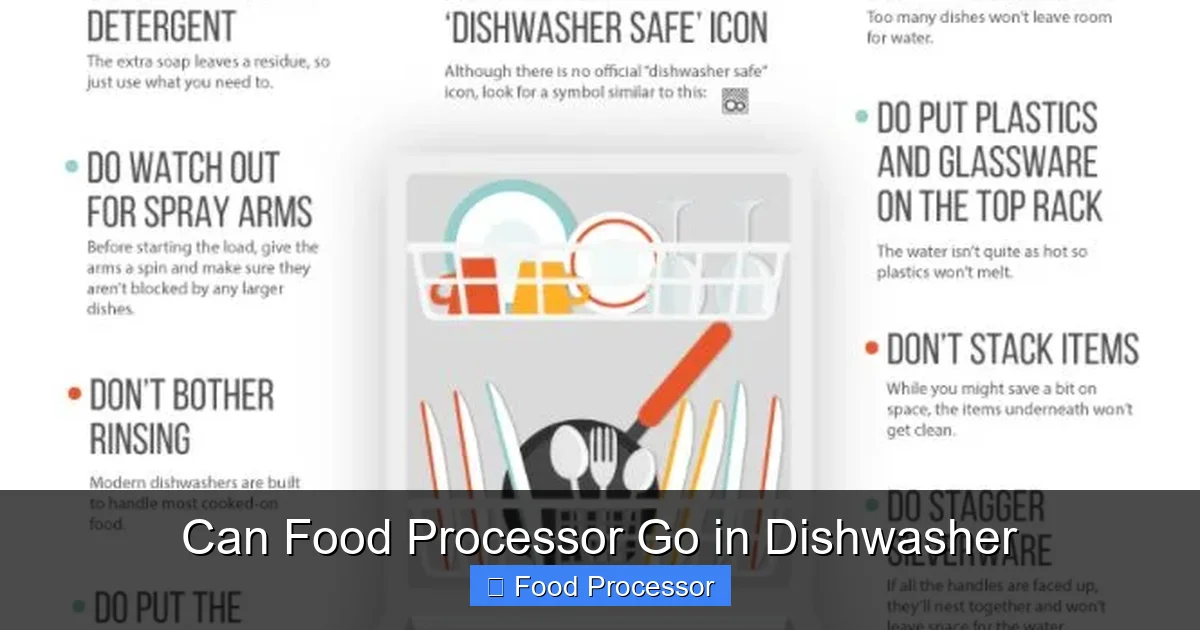
Wondering, “Can food processor go in dishwasher?” The answer is often yes, but with important caveats. Most food processor bowls, lids, and blades are designed to be dishwasher safe, but the motor base absolutely is not. Always check your appliance’s user manual for specific care instructions, as materials and construction can vary greatly between brands and models. Proper placement in the dishwasher and understanding material limitations are key to ensuring your food processor stays functional and damage-free for years to come.
Can Food Processor Go in Dishwasher?
Ah, the trusty food processor! It’s a culinary workhorse that saves us countless hours of chopping, dicing, and pureeing. From making perfect pesto to shredding cheese in a flash, a good food processor is an invaluable kitchen companion. But once the culinary magic is done, the inevitable question arises: “Can food processor go in dishwasher?” It’s a common query, and thankfully, the answer is often a resounding “yes!” However, like many kitchen appliances, there are crucial nuances and exceptions you need to understand to ensure your food processor remains in top working condition for years to come.
This comprehensive guide will walk you through everything you need to know about cleaning your food processor, specifically addressing what parts are safe for the dishwasher, how to load them correctly, and vital tips to prevent damage. We’ll cover everything from interpreting your user manual to understanding material limitations, ensuring you can clean your food processor efficiently and safely.
Key Takeaways
- Check Your Manual First: Always consult your food processor’s user manual for definitive dishwasher safety instructions specific to your model.
- Motor Base is Never Dishwasher Safe: The electronic motor base must never be submerged in water or placed in a dishwasher; clean it with a damp cloth only.
- Most Removable Parts Are Dishwasher Safe: Typically, the work bowl, lid, pushers, and blades are safe for the top rack of your dishwasher.
- Prioritize Top Rack & Lower Temperatures: For plastic components, using the top rack and a gentler, lower-heat wash cycle helps prevent warping and damage.
- Pre-Rinse to Avoid Etching: Rinsing off food residue before dishwashing prevents hard-to-remove stains and potential etching from prolonged exposure to harsh detergents.
- Handle Blades with Extreme Care: Always be cautious when handling sharp food processor blades, even when loading and unloading them from the dishwasher.
- Hand Washing Can Prolong Lifespan: If in doubt, or for maximum longevity, hand washing food processor parts with warm, soapy water is always the safest option.
Understanding Your Food Processor: The Basics of Dishwasher Safety
Before you toss everything into the dishwasher, it’s essential to understand the different components of your food processor and their individual cleaning requirements. A food processor typically consists of several key parts, and not all are created equal when it comes to heat and water exposure.
The Motor Base: Hand Wash Only
Let’s get this out of the way first: the motor base of your food processor is never dishwasher safe. This is the heavy part that contains the electrical components and the motor itself. Submerging it in water or exposing it to the high heat and moisture of a dishwasher will undoubtedly damage it beyond repair and could pose an electrical hazard. Always clean the motor base by wiping it down with a damp cloth, ensuring it’s unplugged first.
Removable Parts: Often Dishwasher Safe
Most of the removable parts of your food processor are designed for easy cleaning, and many are indeed dishwasher safe. These usually include:
- The work bowl (the main container)
- The lid
- The food pusher/feed tube components
- Blades and discs (e.g., S-blade, shredding disc, slicing disc)
However, “often” doesn’t mean “always.” This is where your user manual becomes your best friend.
Step-by-Step Guide: Cleaning Your Food Processor in the Dishwasher
If your manual confirms that your food processor parts are dishwasher safe, follow these steps for a safe and effective clean.
Visual guide about Can Food Processor Go in Dishwasher
Image source: howdykitchen.com
Step 1: Unplug and Disassemble Your Food Processor
Safety first! Always unplug your food processor from the power outlet before you begin cleaning. Once unplugged, carefully disassemble all the removable parts.
-
Remove the Blade First:
This is crucial. The blades are extremely sharp. Grasp the plastic hub of the blade (never the metal part) and lift it straight up off the motor shaft. Place it carefully in a safe spot, away from curious hands, while you continue to disassemble the rest of the unit.
-
Separate All Components:
Take off the lid, remove the work bowl from the motor base, and detach any other accessories like shredding discs, slicing discs, or the pusher. Ensure every piece that came into contact with food is separated.
Step 2: Scrape and Pre-Rinse Off Excess Food
This step is often overlooked but incredibly important for effective cleaning and maintaining the longevity of your food processor parts.
-
Scrape Off Large Residue:
Use a spatula or a brush to scrape off any large pieces of food from the work bowl, lid, and blades. This prevents food from clogging your dishwasher filter or redepositing onto other dishes.
-
Quick Rinse:
Give all the removable parts a quick rinse under running water. This helps remove smaller food particles and prevents food from drying onto the surfaces, which can lead to stubborn stains or etching, especially with acidic foods. Many people wonder can you put food processor parts in the dishwasher directly with food residue, and the answer is it’s much better to rinse them first.
Step 3: Load Food Processor Parts into the Dishwasher Correctly
Proper loading is key to ensuring a thorough clean and preventing damage.
-
Top Rack for Plastic Parts:
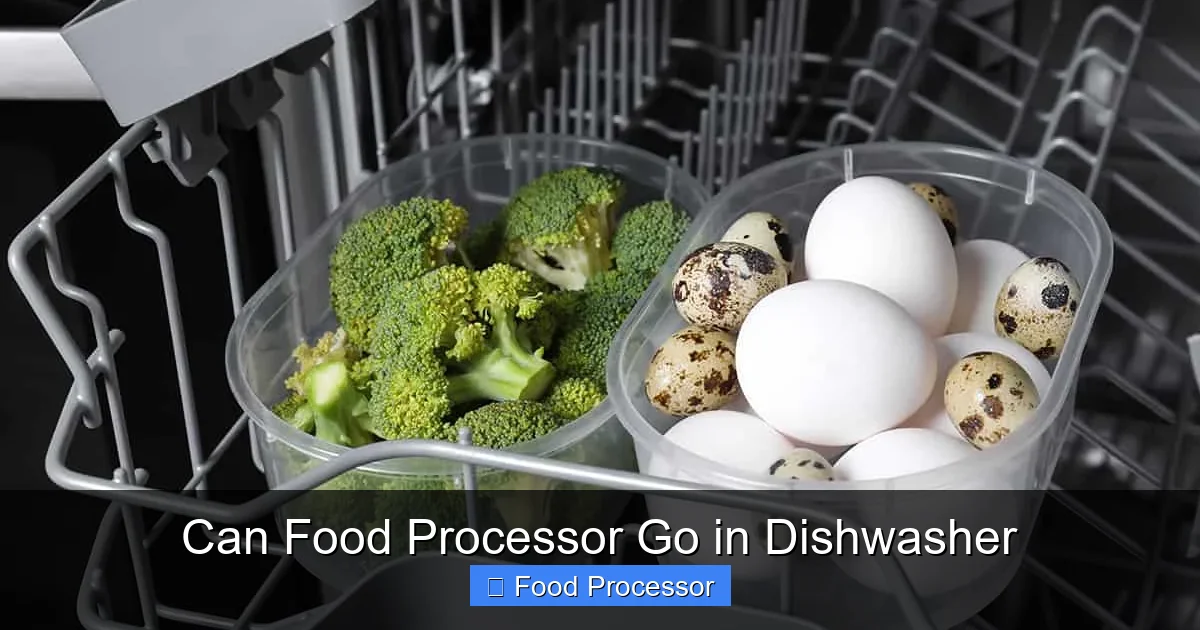
Always place plastic food processor bowls, lids, and pushers on the top rack of your dishwasher. The heating element in most dishwashers is located at the bottom. The intense direct heat from the lower element can cause plastic components to warp, crack, or melt over time, especially during the drying cycle.
-
Secure Blades and Discs:
Blades and discs need careful placement. They are sharp and can move around during the wash cycle, potentially damaging themselves, other dishes, or even the dishwasher’s interior. Place them securely in the utensil basket or lay them flat on the top rack, ensuring the sharp edges are pointing downwards and away from anything they could snag or cut. Some dishwasher utensil baskets have dedicated slots for knives or sharp objects, which are ideal for food processor blades.
-
Avoid Overcrowding:
Don’t jam your food processor parts in with too many other dishes. Ensure water and detergent can circulate freely around each component for an effective clean.
Step 4: Select the Right Dishwasher Cycle
The cycle you choose can impact the longevity of your food processor parts.
-
Gentle or Normal Cycle:
A standard “normal” wash cycle is usually sufficient. If your dishwasher has a “plastics” or “gentle” cycle, that’s even better, especially for plastic bowls and lids. These cycles typically use lower water temperatures and less aggressive spray action.
-
Avoid High-Heat or Sanitizing Cycles:
Unless specifically recommended by your manual, steer clear of high-heat wash cycles or “sanitize” options. The extreme heat can be detrimental to plastic, leading to warping, clouding, or premature aging of your food processor’s components.
-
Air Dry if Possible:
If your dishwasher has an air-dry option, use it. High-heat drying cycles are the biggest culprit for plastic warping. If not, open the dishwasher door after the wash cycle to allow parts to air dry naturally, or remove them and hand dry.
Step 5: Inspect and Reassemble Your Food Processor
Once the cycle is complete, carefully remove all the food processor parts from the dishwasher.
-
Check for Cleanliness:
Ensure all food residue is gone. If anything remains, wash it by hand. Sometimes, stubborn spots require a quick scrub.
-
Ensure Parts are Dry:
Make sure all components are completely dry before reassembling or storing. Moisture can lead to mildew or affect electrical contacts if it finds its way into crevices. You can learn how to assemble your food processor step by step after cleaning.
When to Hand Wash Your Food Processor Parts (Even If They’re Dishwasher Safe)
While the dishwasher offers convenience, there are times when hand washing is the better or only option.
Visual guide about Can Food Processor Go in Dishwasher
Image source: i.ytimg.com
-
To Prolong Lifespan:
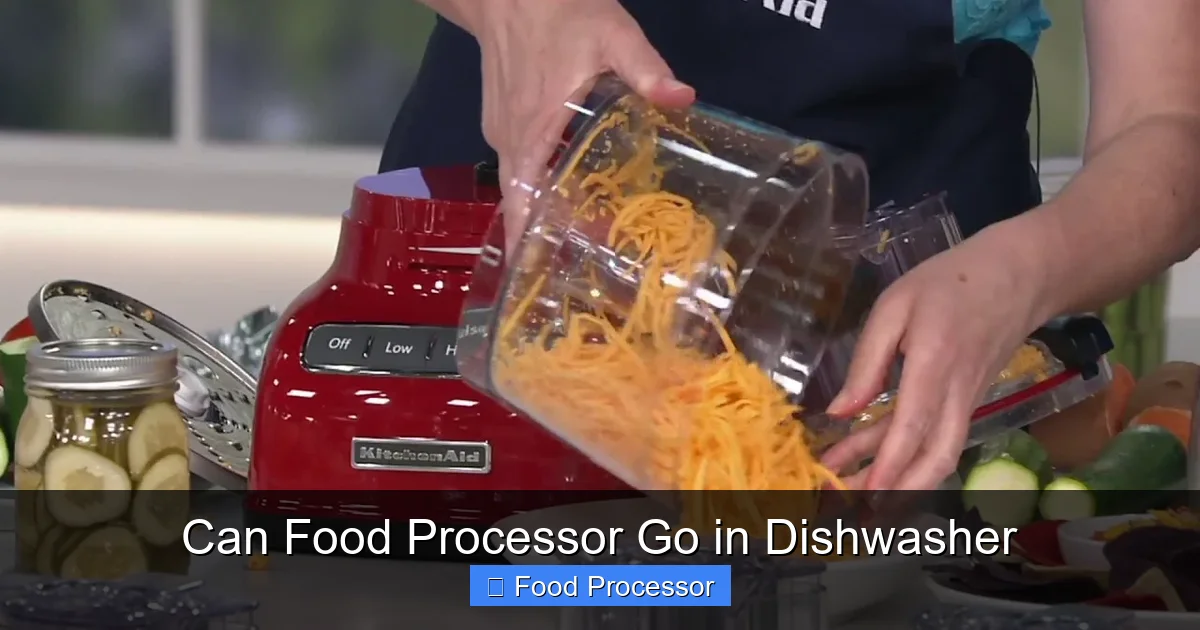
Constant exposure to harsh detergents and high heat in a dishwasher can, over time, cause plastic to become brittle, cloudy, or discolored. Hand washing is gentler and can significantly extend the life of your food processor’s components.
-
For Certain Materials:
Some food processor parts might have rubber gaskets or seals. While many are designed to withstand dishwashing, repeated exposure can degrade them faster. If you notice any signs of wear on these, consider hand washing.
-
Small Nooks and Crannies:
Sometimes, intricate parts like the lid’s locking mechanism or certain feed tube components might have small areas that the dishwasher spray can’t effectively reach. A quick hand scrub ensures every crevice is clean.
-
If Your Manual Says So:
Again, if your user manual explicitly states hand washing, follow that instruction.
Practical Tips for Food Processor Care and Longevity
Beyond dishwashing, here are some general tips to keep your food processor in prime condition:
-
Read the User Manual:
This cannot be stressed enough. Every food processor model is different. The user manual provides specific care instructions, including whether parts are dishwasher safe, what cycle to use, and any parts that require special handling. This is also key to understanding what to consider when buying a food processor – looking for dishwasher-safe components.
-
Handle Blades with Extreme Care:
Food processor blades are incredibly sharp. Always handle them by the plastic hub. Use a brush for cleaning instead of your bare hands. When storing, keep them in their designated spot or a blade cover to prevent accidental cuts.
-
Clean Immediately After Use:
Don’t let food dry and harden on the parts. Cleaning immediately after use makes the job much easier, whether hand washing or dishwashing. Dried-on food is much harder to remove and may require soaking.
-
For Stubborn Stains:
If your plastic bowl gets stained by foods like carrots or tomatoes, try wiping it with a cloth dampened with a little vegetable oil or rubbing it with lemon juice, then washing as usual. Sunlight can also sometimes help fade tough stains on plastic.
-
Check for Wear and Tear:
Periodically inspect your food processor parts for cracks, chips, or dull blades. Damaged parts can affect performance and potentially be unsafe. Replace them as needed.
-
Deep Cleaning the Lid:
Some food processor lids have gaskets or seals that can accumulate grime. If your lid can be disassembled further (check the manual!), take it apart for a thorough cleaning from time to time.
Troubleshooting Common Dishwashing Issues with Food Processor Parts
Even with care, you might encounter issues. Here’s how to troubleshoot them:
-
Issue: Plastic Parts are Cloudy or Have Water Spots.
Solution: This can be due to hard water or residual detergent. Try using a rinse aid in your dishwasher. If parts are already cloudy, a wipe with white vinegar or a specialty plastic cleaner might help. To prevent future clouding, ensure adequate pre-rinsing and consider air drying.
-
Issue: Plastic Parts Warped.
Solution: Unfortunately, warped plastic is usually permanent. This almost always happens due to excessive heat, typically from the lower rack or a high-heat drying cycle. Ensure all plastic parts are on the top rack and consider using an air-dry setting or removing items before the heated dry cycle starts.
-
Issue: Food Residue Remains After Dishwashing.
Solution: This could be due to several factors: not pre-rinsing enough, overcrowding the dishwasher, incorrect loading, or a malfunctioning dishwasher. Ensure you scrape and rinse thoroughly, load items properly, and check your dishwasher’s spray arms for clogs.
-
Issue: Blades are Dull After Dishwashing.
Solution: Dishwashing itself typically doesn’t dull blades significantly, but prolonged exposure to harsh detergents can degrade the metal over time. If your blades feel dull, they might need sharpening (by a professional) or replacement. Always ensure blades are rinsed clean promptly to prevent acidic food from sitting on the metal.
Conclusion
So, can your food processor go in the dishwasher? For the most part, yes – its removable parts certainly can, making cleanup much less of a chore. By understanding which components are safe (and critically, which aren’t, like the motor base), following proper loading techniques, and choosing the right wash cycle, you can enjoy the convenience of your dishwasher without risking damage to your valuable kitchen appliance. Always remember to prioritize safety when handling sharp blades and consult your user manual for the most accurate and specific care instructions for your particular food processor model. A little care goes a long way in ensuring your food processor continues to power through your culinary tasks for years to come!
