
Food processors chop, slice, and puree; mixers beat, whip, and knead — each excels at different tasks.
I have cooked, tested, and written about kitchen gear for years. I know what is the difference between food processor and mixer, and I will walk you through the real-world tasks each machine handles best. This guide explains how they work, when to buy one or both, what to expect in performance, and how to avoid common mistakes. Read on to make a smart choice for your kitchen and cooking style.
Core functional differences explained
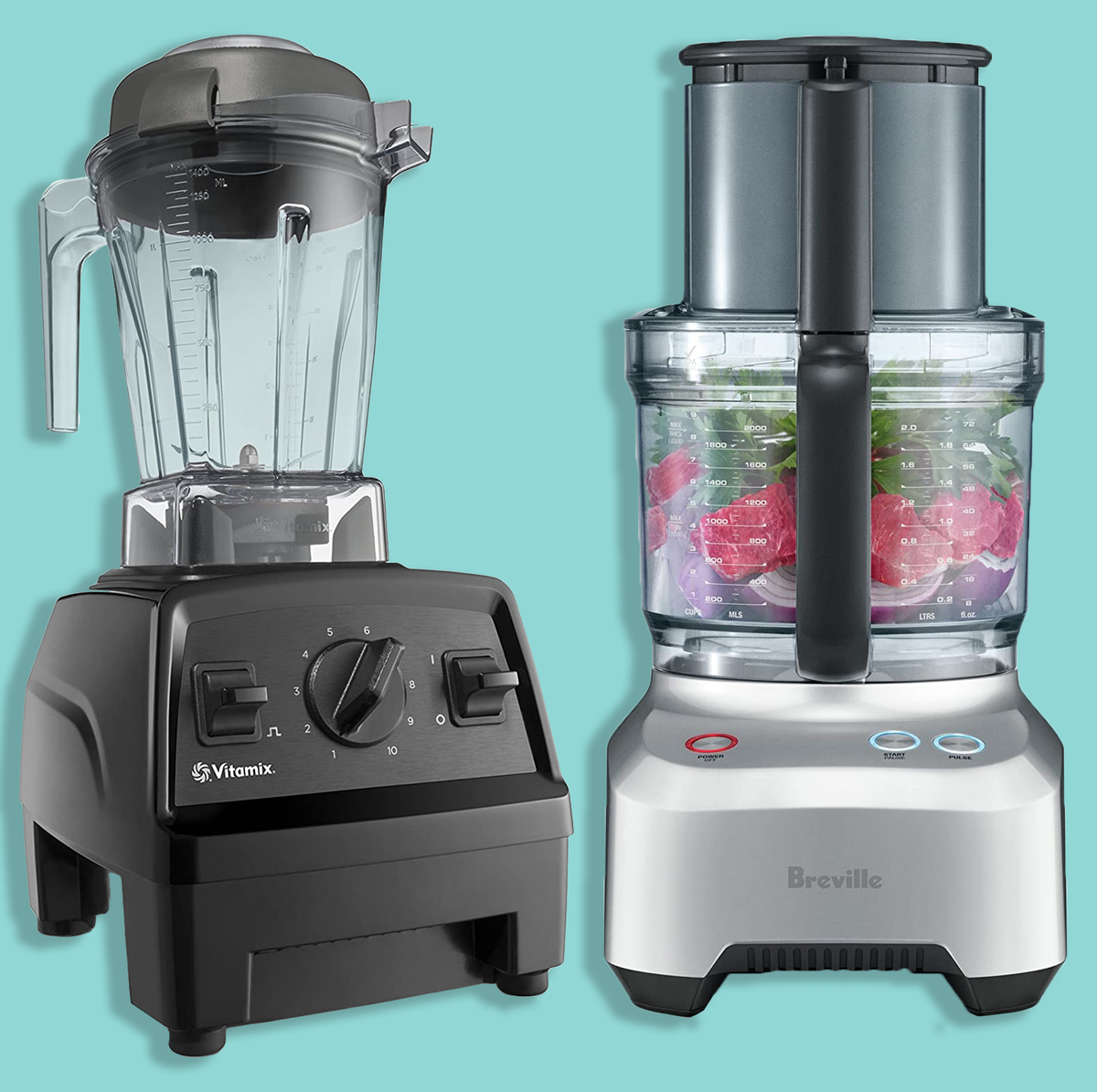
A food processor is built for chopping, slicing, shredding, and pureeing. A mixer is built to combine, whip, and knead ingredients. Knowing what is the difference between food processor and mixer helps you match appliance to recipe needs.
Food processors use sharp blades and feed tubes. They can make salsa, shred cheese, and puree soups fast. Mixers use beaters, whisks, or dough hooks. They are ideal for batters, whipped cream, and bread dough.

Design, parts, and how they work
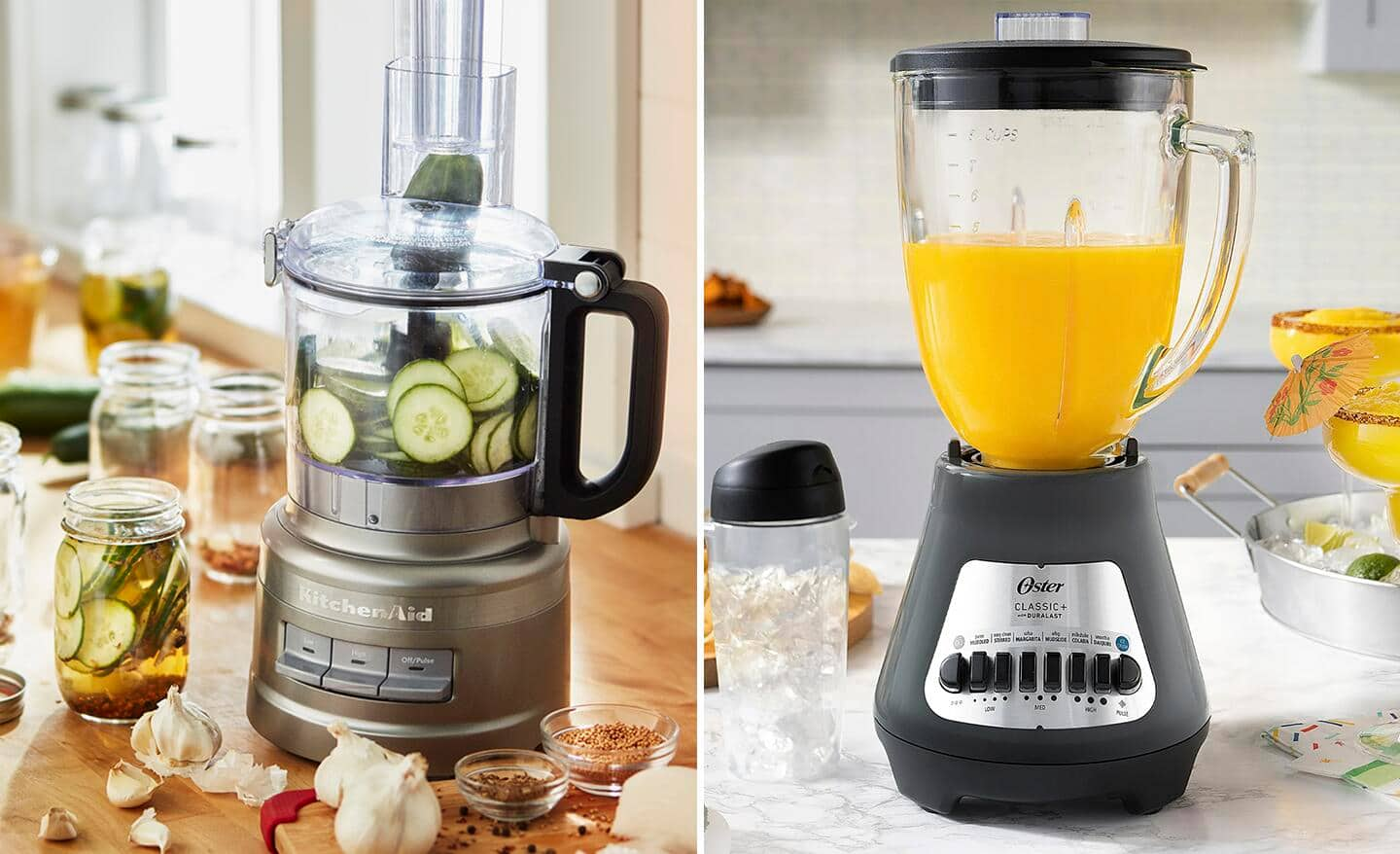
Food processors have a wide bowl, a central blade, and stackable discs for slicing and shredding. Mixers have a base motor and either a handheld wand or a stand with attachments like whisks and hooks.
Key parts and functions:
- Food processor bowl for solid and semi-solid foods with a sharp blade to chop quickly.
- Slicer and shredder discs to create uniform cuts without knives.
- Stand mixer bowl with beaters for wet mixes and a dough hook for kneading.
- Whisk attachment to aerate cream and egg whites for volume.
Understanding what is the difference between food processor and mixer begins with these parts. The blade shape and bowl design determine what each appliance can do.
Typical tasks: what to use when
Here are common kitchen tasks and which machine usually does them best.
Common tasks and best appliance:
- Chopping vegetables: food processor
- Making pesto or hummus: food processor
- Slicing vegetables thinly: food processor
- Mixing cookie dough: mixer or food processor for short mix
- Kneading bread dough: mixer (dough hook) or by hand
- Whipping cream or egg whites: mixer
- Shredding cheese: food processor
If you ask what is the difference between food processor and mixer when making dough, the mixer is your go-to. For prep work and quick chopping, the food processor saves time.
:max_bytes(150000):strip_icc()/Cuisinart-Vs-Vitamix-7fe65962cd9e475f960402240a580a0a.png)
Performance: power, capacity, and speed
Power and capacity influence real use. Food processors often run at high torque for chopping. Stand mixers have higher horsepower for heavy dough and long mixing.
Consider these specs:
- Motor power: mixers often have stronger motors for long runs and dense dough.
- Bowl size: food processors come in many bowl sizes for prep volume.
- Speed control: mixers have finer speed steps for delicate whipping.
- Continuous run: food processors handle short, high-speed bursts better.
When you compare what is the difference between food processor and mixer, remember that one is tuned for short, intense work and the other for steady, controlled mixing.

Choosing the right appliance for your kitchen
Start with how you cook and where you live. If you do lots of baking, a stand mixer is priceless. If you prep many meals, a food processor wins time back.
Decision tips:
- If you bake weekly, invest in a stand mixer.
- If you prep sauces, salads, and veggie-heavy meals, buy a food processor.
- If space is limited, choose the machine you will use most often.
- If budget allows, get both for a flexible kitchen.
I once bought a food processor first and later added a mixer. That saved me time on prep and improved my bread. Knowing what is the difference between food processor and mixer helped me avoid a second purchase for wrong reasons.

Maintenance, safety, and common mistakes
Both machines need simple care. Clean blades and attachments right away. Store discs and hooks safely.
Maintenance tips:
- Clean immediately to prevent food from drying on parts.
- Handle blades with care; they are sharp.
- Check seals and gaskets for wear to avoid leaks.
- Avoid overloading either machine to prevent motor strain.
Common mistakes I saw while testing: using a food processor for long kneading, which overheats the motor, and using a mixer bowl with very hot liquids. Knowing what is the difference between food processor and mixer prevents these errors.
Practical examples and recipes that show the difference
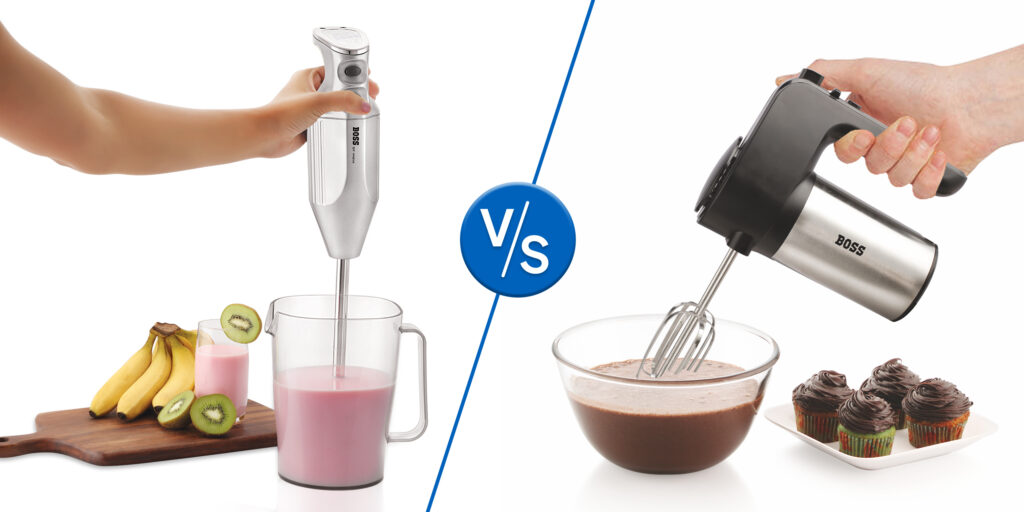
Here are quick examples that make the difference clear in practice.
Real-use examples:
- Salsa in under two minutes: food processor pulsing gives even texture.
- Whipped ganache: mixer with whisk attachment makes it light and glossy.
- Quick pastry dough: pulse in food processor to keep butter cold.
- Pizza dough: stand mixer kneads to a smooth elastic dough.
I tested these steps in my home kitchen. The results showed that each machine has jobs it does faster and cleaner. That hands-on work taught me to pair tools with tasks rather than hope one machine does everything.

Cost and space considerations
Budget and storage matter. Mixers and food processors vary from compact to full-size. Think long term.
Buying considerations:
- Compare warranty and service options.
- Check for included attachments to avoid extra purchases.
- Measure counter and cabinet space before buying.
- Consider refurbished or well-reviewed mid-range models for value.
Understanding what is the difference between food processor and mixer early helps you choose the model that fits your budget and life.
Frequently Asked Questions of what is the difference between food processor and mixer
What tasks can a food processor do that a mixer cannot?
A food processor can chop, slice, and shred solids quickly. It handles firm vegetables, nuts, and makes purees that a mixer cannot.
Can a stand mixer replace a food processor?
A stand mixer can replace a food processor for some tasks, like mixing and light chopping, but it cannot slice, shred, or pulverize solids efficiently.
Is a food processor good for making dough?
Some food processors can mix small amounts of dough, but long kneading can overheat the motor. A mixer with a dough hook is better for large or heavy doughs.
Which appliance is better for small kitchens?
If you only want one, pick the appliance you use most. For bakers pick a mixer. For heavy prep cooks pick a food processor. Both can be found in compact sizes.
How do I maintain blades and attachments safely?
Wash parts by hand or in the dishwasher if allowed, and dry immediately. Store blades in a blade guard or separate box to avoid cuts.
Can I use a food processor to whip cream?
You can lightly whip cream in a food processor, but a mixer gives better volume and control for stable peaks.
Conclusion
You now know what is the difference between food processor and mixer and how that difference affects everyday cooking. Choose a food processor for chopping, slicing, and quick prep. Choose a mixer for whipping, mixing, and kneading. If you cook a bit of everything, owning both can transform your kitchen work and save time.
Try one task with each machine this week and notice the result. Share what you make or ask a question to get personalized advice.
