

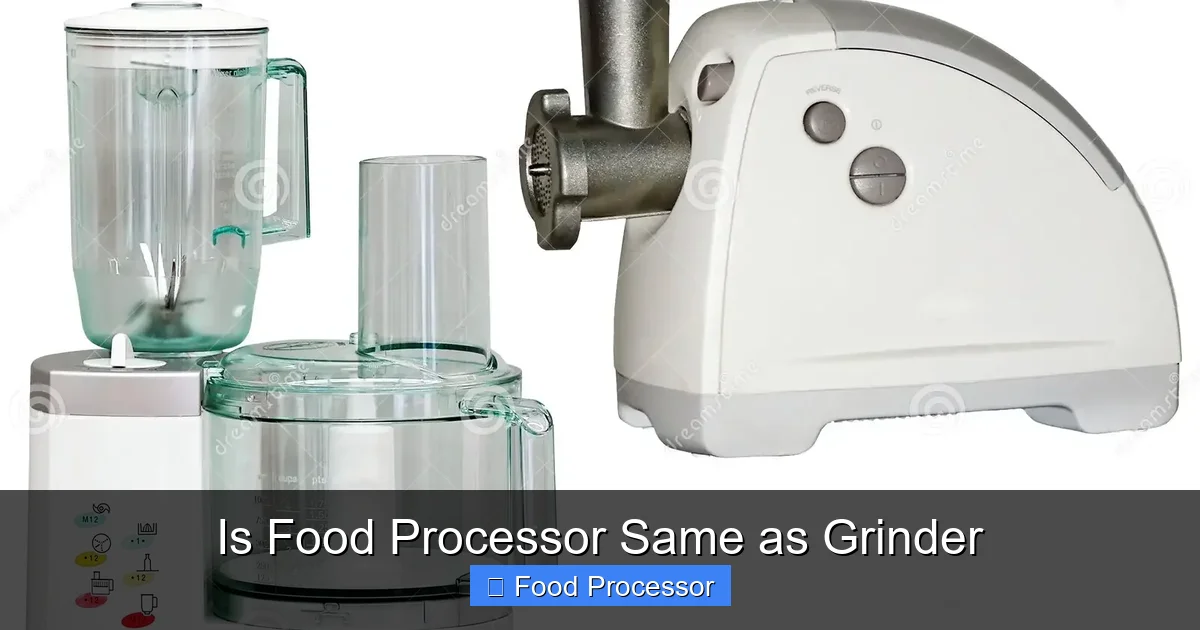
Many home cooks wonder, “is food processor same as grinder?” While both kitchen appliances process food, they are designed for different tasks and achieve distinct results. A food processor excels at chopping, slicing, shredding, and pureeing, while a grinder is specialized for fine, consistent pulverization of harder ingredients like coffee beans or spices. While there’s some overlap for coarse textures, a dedicated grinder offers superior precision for true grinding needs.
Is Food Processor Same as Grinder?
Ever stood in your kitchen, looking at your trusty food processor, and wondered if it could handle that bag of coffee beans or those whole spices? It’s a common question that many home cooks ponder: “is food processor same as grinder?” On the surface, both machines seem to break down food, but beneath the lid, they operate on different principles to achieve distinct results.
In this comprehensive guide, we’re going to dive deep into the world of kitchen appliances. We’ll explore the fundamental differences between a food processor and a grinder, discuss their unique capabilities, and pinpoint where their functions might – or might not – overlap. By the end, you’ll have a clear understanding of when to reach for your food processor and when a dedicated grinder is the absolute best tool for the job. Get ready to unlock the secrets to perfect texture and consistency in all your culinary adventures!
Key Takeaways
- Fundamental Difference: Food processors use sharp S-blades for chopping and various discs for slicing/shredding, producing varied textures from coarse to pureed. Grinders, typically, use burrs or specific rotating blades for fine, consistent pulverization.
- Output Texture: A food processor yields a chopped or minced texture, often with some inconsistency. A grinder is designed for a much finer, uniform, and consistent powder or grind, ideal for items like coffee or spices.
- Ideal Applications: Food processors are best for vegetables, dough, sauces, and coarse nuts. Grinders are perfect for coffee beans, hard spices, and some grains where a powdery consistency is desired.
- Limited Overlap: A food processor can perform some coarse grinding tasks, like making breadcrumbs, nut butter, or coarsely mincing meat. However, it will not achieve the fine, even consistency of a specialized grinder.
- Risk of Damage/Overheating: Attempting to consistently grind very hard ingredients to a fine powder in a food processor can overheat the motor, dull the blades, or lead to an unsatisfactory result.
- Power and Precision: Dedicated grinders are engineered with motors and mechanisms specifically for the demanding task of fine grinding, offering better power delivery and precision for hard ingredients.
Understanding the Food Processor: Your Kitchen Workhorse
Let’s start with the versatile food processor. This appliance is a true marvel in the modern kitchen, designed to simplify a wide array of prep tasks.
What a Food Processor Does Best
A food processor is primarily built for speed and efficiency in chopping, slicing, shredding, pureeing, and mixing. Think of it as your extra pair of hands for tedious kitchen work. It can turn a pile of vegetables into uniformly chopped pieces in seconds, shred cheese faster than a grater, or whip up a smooth hummus.
How a Food Processor Works
At its core, a food processor typically uses an S-shaped blade (sometimes called a Sabatier blade) that spins rapidly at the bottom of a work bowl. This blade chops and mixes ingredients. Many food processors also come with various interchangeable discs for different tasks:
- Slicing discs: For uniform slices of vegetables or fruits.
- Shredding discs: For cheese, cabbage, or carrots.
- Dough blades: For kneading dough.
The action is generally a cutting and pulverizing motion, breaking down ingredients into smaller pieces based on blade speed and processing time. The key here is chopping and reducing, not necessarily pulverizing to a fine powder.
Understanding the Grinder: The Specialist in Fine Textures
Now, let’s turn our attention to the grinder. Unlike the generalist food processor, a grinder is a specialist, designed for a very specific type of processing.
What a Grinder Does Best
A grinder’s primary purpose is to pulverize hard ingredients into a very fine, consistent powder or granular form. This is crucial for tasks where texture significantly impacts flavor and use, such as freshly ground coffee or finely powdered spices.
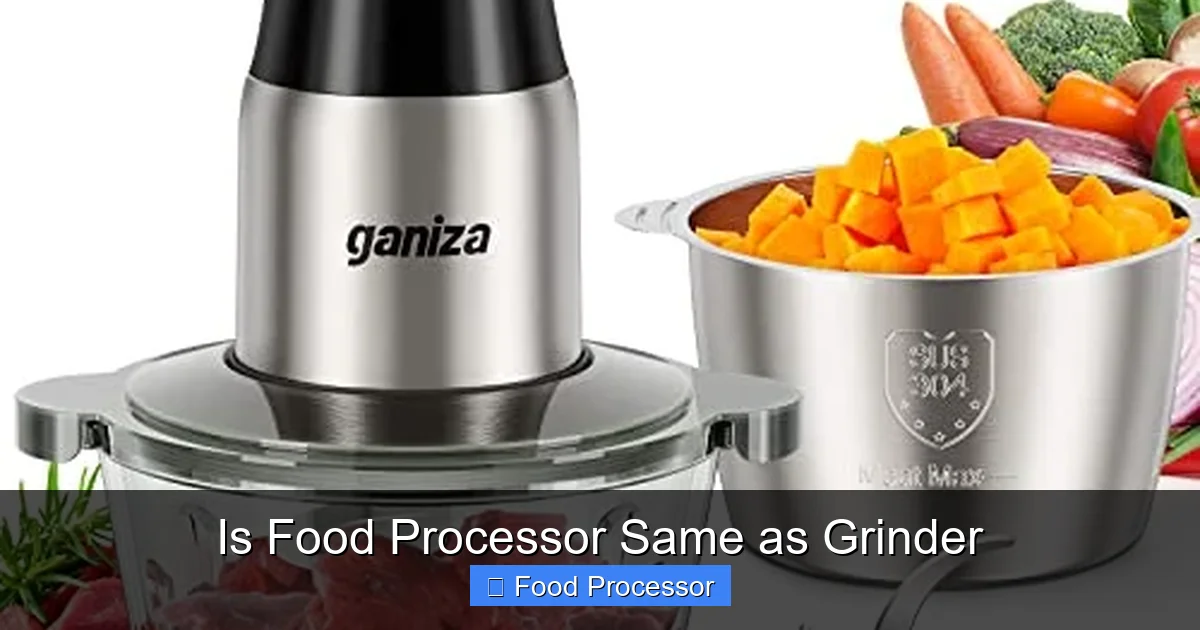
Visual guide about Is Food Processor Same as Grinder
Image source: m.media-amazon.com
How Different Grinders Work
There isn’t just one type of grinder; they often specialize further:
-
Coffee Grinders
Most quality coffee grinders use burr grinders. These work by crushing coffee beans between two abrasive surfaces (burrs) set at a precise distance. This method ensures a uniform grind size, which is essential for consistent coffee extraction. Blade grinders for coffee exist, but they function more like a small food processor or spice grinder, chopping the beans rather than grinding them, leading to an inconsistent result.
-
Spice Grinders
Spice grinders often use a small, fast-spinning blade, similar to a mini food processor or a blade coffee grinder. While they chop, their high speed and design are optimized for breaking down small, hard spices into a fine powder. The goal here is usually a very fine consistency for maximum flavor release.
-
Meat Grinders
Dedicated meat grinders use a completely different mechanism. They typically force meat through a series of plates with holes of varying sizes using a rotating auger. This extrudes the meat, producing a uniform grind for sausages, patties, or ground meat dishes. This is very different from the chopping action of a food processor.
The common thread among true grinders is their ability to achieve a precise, consistent, and often very fine particle size, which a food processor typically cannot match.
Key Differences Between Food Processors and Grinders
To truly answer “is food processor same as grinder,” we need to highlight their fundamental distinctions.
Mechanism and Blade Design
- Food Processor: Relies on a multi-purpose S-blade or various discs that chop, slice, or shred ingredients. The action is primarily cutting.
- Grinder: Uses specialized mechanisms. Burr grinders crush, blade grinders (for spices) rapidly pulverize, and meat grinders extrude. Each is optimized for a specific form of ‘grinding’.
Output Texture and Consistency
- Food Processor: Produces a chopped, minced, or pureed texture. Consistency can vary, especially with harder ingredients, often resulting in some larger chunks alongside finer bits.
- Grinder: Delivers a highly consistent and often very fine particle size. This uniformity is critical for certain culinary applications, such as even coffee extraction or smooth spice blends.
Ideal Ingredients and Uses
- Food Processor: Best for soft to medium-hard ingredients like vegetables, fruits, cooked meats (for shredding), cheese, nuts (for butter or coarse meal), and dough. It’s excellent for making salsas, hummus, pestos, and pie crusts.
- Grinder: Best for very hard ingredients that require fine pulverization, such as whole coffee beans, dried spices, or specific grains. Meat grinders are, of course, for raw meats.
Power and Speed
While food processors are powerful, grinders often have motors specifically engineered for the high torque needed to crush or pulverize very hard items without overheating or stalling. The blade speed and design in a food processor are geared for general processing, not intense fine grinding.
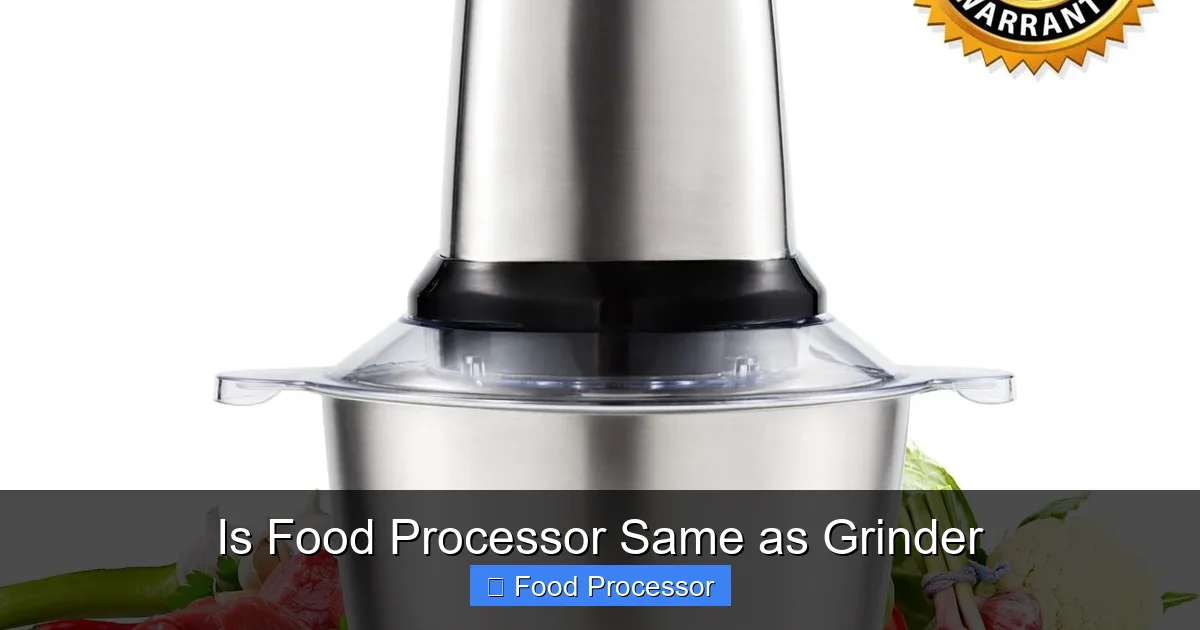
Visual guide about Is Food Processor Same as Grinder
Image source: images-na.ssl-images-amazon.com
When Can a Food Processor Act Like a Grinder? (The Overlap)
Despite their differences, there’s a gray area where a food processor can perform tasks that resemble grinding, particularly for coarser results.
Coarse Grinding Tasks a Food Processor Can Handle
-
Breadcrumbs
Transforming stale bread into coarse or fine breadcrumbs is one of the food processor’s strong suits. It does an excellent job of breaking down the bread into a consistent, crumbly texture.
-
Nut Meals and Butters
For making nut flours (like almond flour, though it might be coarser than store-bought) or homemade nut butter, a food processor works very well. The S-blade efficiently breaks down nuts, releasing their oils to create a creamy spread.
-
Roughly Ground Spices (Limited)
If you need a very coarse grind for certain spices, like coriander seeds for a rub, a food processor can handle it. However, it won’t achieve the fine, powdery consistency of a dedicated spice grinder.
-
Mincing Meat
While not a true grinder, a food processor can effectively mince or finely chop meat. If you’re wondering can a food processor be used as a meat grinder, the answer is yes, but with limitations. It will produce a texture closer to finely chopped meat rather than the uniform extrusion from a dedicated meat grinder. Use short pulses and ensure the meat is very cold and cut into small pieces.
-
Grinding Beans for Moi-Moi
For dishes like Nigerian moi-moi, where a smooth bean paste is needed, a food processor can indeed do the job. If you’re interested in whether a food processor can grind beans for moi-moi, the answer is a resounding yes, producing a wonderfully smooth batter.
Limitations of Using a Food Processor as a Grinder
While your food processor offers some versatility, there are definite boundaries where it falls short of a dedicated grinder.
Uneven Texture for Fine Grinding
The biggest limitation is the inability to achieve a consistently fine grind for hard ingredients. The S-blade’s chopping action will often leave you with a mix of finely ground particles and larger chunks, which is undesirable for things like espresso or delicate spice blends.
Overheating and Potential Damage
Attempting to grind very hard ingredients, like roasted coffee beans, for extended periods in a food processor can cause the motor to overheat. This can not only damage the appliance but also affect the flavor of your ingredients due to heat friction.
Specific Tasks Require Specialized Tools
For truly fine coffee grounds, especially for specific brewing methods, a burr grinder is indispensable. Similarly, for converting whole peppercorns into a consistent fine powder for baking or delicate sauces, a dedicated spice grinder will always outperform a food processor. You might wonder, can you use a food processor to grind coffee? While technically possible for a coarse grind, it’s not recommended for fine, consistent results.
When to Use a Dedicated Grinder
For certain tasks, there’s simply no substitute for a specialized grinder.
Coffee Enthusiasts
If you appreciate good coffee, a burr grinder is a non-negotiable item. It ensures a uniform grind size, which is critical for proper extraction and a delicious cup, whether you’re making French press, drip coffee, or espresso.
Spice Connoisseurs
Freshly ground spices offer a superior aroma and flavor profile compared to pre-ground varieties. A spice grinder allows you to grind whole spices just before use, unleashing their full potential. This is especially true for harder spices like cinnamon sticks, star anise, or dried chilies.
Homemade Ground Meat
For making your own sausages, ground beef, or specialty meat blends, a dedicated meat grinder provides the texture and consistency that a food processor simply cannot replicate. It ensures uniform processing without turning the meat into a paste.
Tips for Maximizing Your Food Processor’s “Grinding” Potential
If you absolutely must use your food processor for a task that borders on grinding, here are some tips to get the best possible results:
Use the Pulse Function
Instead of continuous processing, use short, sharp pulses. This gives you more control over the consistency and prevents ingredients from overheating. Process for a few seconds, then check the texture, and repeat.
Work in Small Batches
Overfilling the work bowl can lead to uneven results and strain the motor. Process smaller quantities at a time to allow the blades to work efficiently and ensure even processing.
Chill Ingredients
For tasks like “grinding” meat or making nut butter, chilling the ingredients beforehand can help them break down more cleanly without becoming a mushy paste. For nuts, freezing them for 15-30 minutes can also help prevent them from turning oily too quickly.
Keep Blades Sharp
Sharp blades are essential for any cutting or chopping task. Dull blades will bruise ingredients rather than cut them, leading to poorer results and increased processing time. If your food processor blade is not spinning correctly, it could affect its ability to process ingredients effectively.
Choosing the Right Tool for the Job
Ultimately, the choice between using a food processor or a dedicated grinder comes down to your specific needs and the desired outcome.
Consider Your Culinary Habits
If you occasionally need coarse breadcrumbs or a quick batch of pesto, your food processor is perfect. However, if you’re a daily coffee drinker who enjoys specialty brews, or if you frequently cook with whole spices, investing in a dedicated grinder will significantly elevate your results and cooking experience.
Desired Consistency is Key
Always ask yourself: what texture do I need? If “finely pulverized” or “uniformly granular” is the answer, lean towards a grinder. If “chopped,” “minced,” “shredded,” or “pureed” is the goal, the food processor is your go-to.
Troubleshooting Your Food Processor for Grinding Tasks
Even with the best techniques, your food processor might face challenges with “grinding” tasks. Here’s what to do:
Uneven Results
If your ingredients are inconsistently processed (some fine, some chunky), it’s usually due to overloading or insufficient pulsing. Remove some ingredients, and use very short, sharp pulses. Also, make sure all ingredients are cut to a similar, manageable size before adding them.
Motor Stalling or Overheating
This is a clear sign that the task is too demanding for your food processor. Stop immediately, let the motor cool down, and consider if a dedicated grinder would be more appropriate for the task. If not, try reducing batch size significantly and using shorter pulses.
Ingredients Becoming a Paste
This often happens with nuts or meat if processed continuously for too long. Over-processing generates heat and breaks down the structure too much. Use quick pulses and scrape down the sides of the bowl frequently to ensure even processing without overdoing it.
Conclusion: Two Distinct Tools with Some Overlap
So, “is food processor same as grinder?” The answer is a nuanced no, with a significant “but it can sometimes do a similar job, just not as well.” While both appliances break down food, their design, mechanism, and ultimately, the consistency of their output are fundamentally different.
Your food processor is a versatile, all-in-one kitchen assistant that excels at a broad range of tasks, from chopping vegetables to mixing dough. It can handle some coarse “grinding” tasks adequately, making it a great option for many home cooks. However, for true fine grinding – whether it’s achieving the perfect coffee grounds, pulverizing hard spices into a consistent powder, or producing uniformly ground meat – a dedicated grinder is the superior tool.
Understanding these differences empowers you to choose the right appliance for each task, ensuring better results, extending the life of your equipment, and ultimately, making your time in the kitchen more efficient and enjoyable. Happy cooking!
