

Yes. A food processor can grind coffee beans, but it offers uneven grounds and extra heat.
I have ground coffee with a food processor and studied gear differences enough to guide you. This article answers can you use food processor to grind coffee beans with clear, practical steps, pros and cons, and tips to get better results. Read on for tested advice, simple how-to steps, and mistakes to avoid.

How a food processor works versus a coffee grinder
A food processor uses fast-spinning hands or blades. The blades chop by impact. A blade pulse gives random particle sizes. A burr grinder crushes beans slowly and gives the same size. That is why burrs are preferred for coffee.
When people ask can you use food processor to grind coffee beans they mean: will it make coffee that tastes good? The short answer is yes, but texture and heat are the main problems. Expect uneven grinds, some fines, and some larger bits.

Pros and cons of using a food processor to grind coffee beans
Pros
- Easy and common tool in many kitchens.
- Can process large batches quickly.
- Good for coarse coffee like French press in a pinch.
Cons
- Uneven grind size can cause weak or bitter coffee.
- Blades create heat that may change flavor.
- Hard to get fine grind for espresso or AeroPress.
- Possible lingering smells if not cleaned well.
When you wonder can you use food processor to grind coffee beans keep these trade-offs in mind. Use it for drip or French press only if you must.
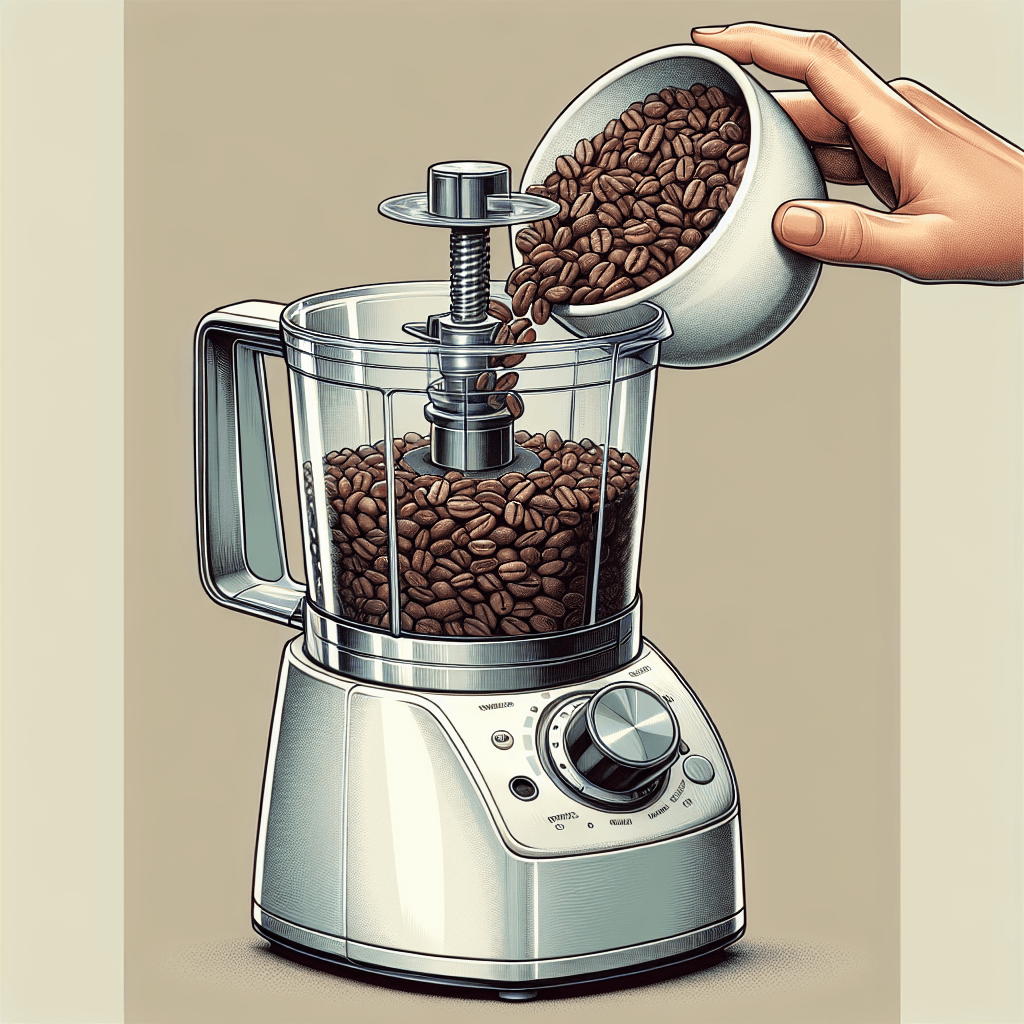
How to grind coffee beans in a food processor — step by step
- Measure beans. Use slightly more beans than you need to allow for uneven grind.
- Add small amounts. Fill the bowl no more than one-quarter full.
- Pulse in short bursts. Pulse 1 second on, 1–2 seconds off. Repeat until you see mostly coarse crumbs.
- Shake or tap the bowl. Settle large pieces down and pulse again if needed.
- Sift the grounds. Use a fine mesh sieve to remove large chunks. Re-grind large pieces briefly.
Tips for better results
- Cool the bowl before use to reduce heat build-up.
- Use short pulses. Longer runs increase heat and fines.
- Grind in small batches to reduce inconsistency.
These steps help when you ask can you use food processor to grind coffee beans and want usable grounds for French press or pour-over.
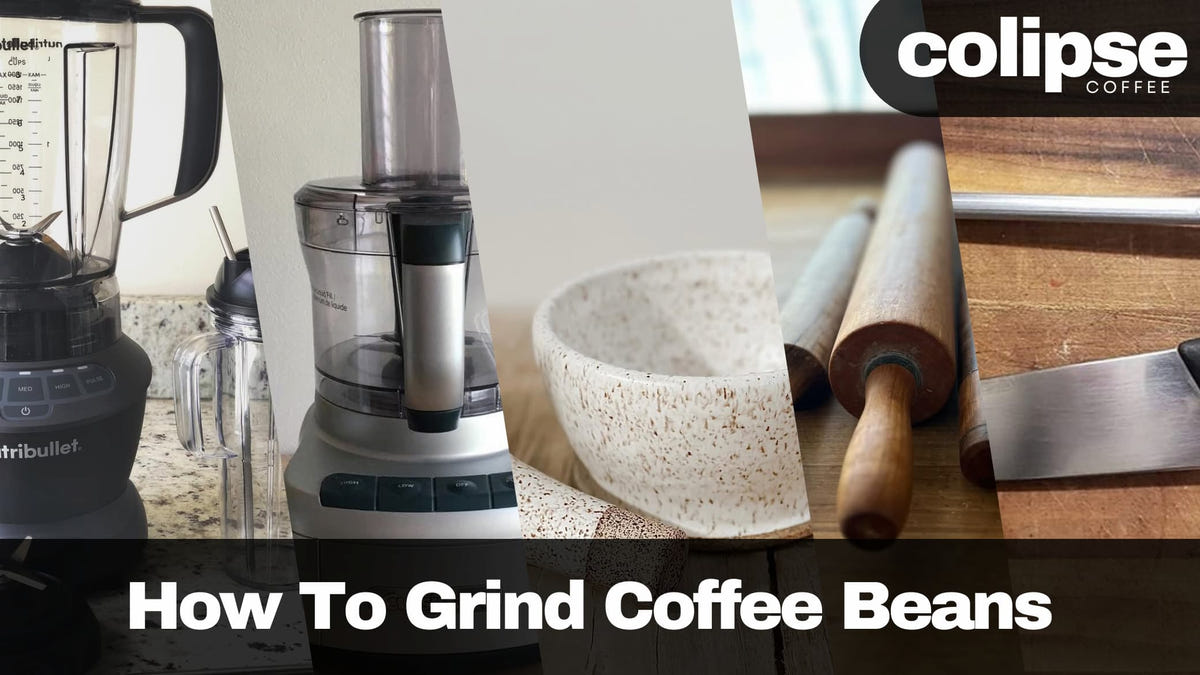
Grind size, brew methods, and troubleshooting
Coarse grind for French press
- Use short, fewer pulses and stop when most particles look like coarse sand.
Medium grind for drip or pour-over
- Pulse more, but watch for fines. Sift if needed to remove very fine bits.
Fine grind for espresso
- A food processor cannot reliably make a true fine espresso grind. It will create too many fines and too much heat.
Common problems and fixes
- Bitter or over-extracted coffee — too many fines. Sift or discard fines.
- Sour or under-extracted coffee — too many large pieces. Re-grind large chunks.
- Burnt or flat flavor — heat from long runs. Pulse less and let the motor cool.
If you search can you use food processor to grind coffee beans, keep brew method in mind. It works best for coarse and some medium grinds but fails for fine demands.
:max_bytes(150000):strip_icc()/How-to-Grind-Coffee-Without-a-Grinder-3x2-1-cb7169c257894b75a485ff898d34740b.jpg)
Cleaning, maintenance, and safety
Cleaning tips
- Wash the bowl and blade promptly to avoid coffee oil build-up.
- Use a mild detergent and soft brush to remove oils.
- Run a few bread crumbs in the bowl and discard to help absorb odors, then wash.
Safety and care
- Unplug before removing the blade.
- Handle the blade by the base to avoid cuts.
- Do not run the processor continuously for long times. Let it rest to avoid motor stress.
These steps reduce flavor transfer and keep your machine safe when you try can you use food processor to grind coffee beans.
My experience: lessons learned and real tests
I tried can you use food processor to grind coffee beans across several brew methods. French press coffee improved after I sifted out fines. Pour-over needed more consistent medium grounds than the processor gave. Espresso never worked well.
Lessons I learned
- Small batches and lots of pulsing help.
- Sifting is a must for better flavor.
- Expect to upgrade to a burr grinder for regular coffee lovers.
I share this as friendly advice from real tests, not theory. The food processor is handy, but it is a stopgap, not a replacement.
Final verdict: should you use a food processor for coffee?
A food processor can grind beans when needed. It is best for coarse brews and occasional use. For daily quality coffee, buy a burr grinder.
If you must use a food processor, follow the steps above and accept limits on flavor and consistency. This will get you a decent cup in a pinch.

Frequently Asked Questions of can you use food processor to grind coffee beans
Can a food processor make espresso grounds?
A food processor cannot reliably make the fine, uniform grind needed for espresso. You will end up with too many fines and variable particle sizes, which hurts extraction.
Will a food processor heat the beans and ruin flavor?
Yes. Long runs create heat that can change coffee flavor. Use short pulses and let the motor cool to reduce heat.
Can I use a food processor for French press coffee?
Yes. French press is the best match for a food processor. Aim for coarse, even chunks and sift out fines.
How do I reduce uneven grounds from a food processor?
Pulse in short bursts, grind small batches, and sift the grounds. Repeat short pulses for larger pieces.
Will coffee beans leave a smell in my food processor?
Coffee oils can linger. Clean promptly with warm soapy water and use absorbents like baking soda or bread crumbs to remove odors.
Is a blade grinder the same as a food processor?
A blade grinder and a food processor both use blades, but blade grinders spin faster and are designed for smaller amounts. Food processors handle larger volumes but give less control.
Conclusion
A food processor can work to grind coffee beans for coarse brews and emergencies, but it is not a perfect tool. Expect uneven grinds, heat build-up, and the need to sift. If you enjoy great coffee every day, invest in a burr grinder. Try the steps here, learn from the mistakes I shared, and decide based on how often you brew. If this guide helped, leave a comment or subscribe for more simple, tested coffee tips.