

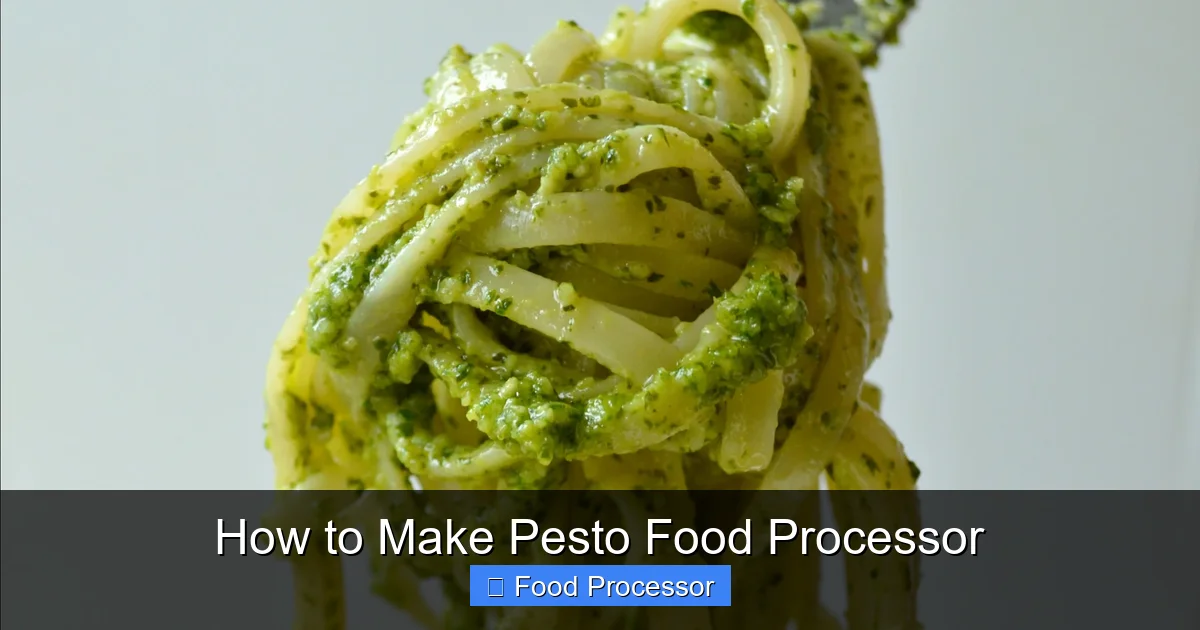
Discover the effortless way to make fresh, flavorful pesto right in your kitchen using a food processor. This guide walks you through every step, from selecting the best ingredients to achieving the perfect consistency. You’ll learn how to master this versatile sauce, ensuring a delicious result every time. Get ready to transform simple basil into a culinary masterpiece with ease, making the process of how to make pesto food processor-style a breeze.
How to Make Pesto Food Processor
Hello there, fellow food lover! Are you ready to whip up some truly delicious, fresh, and vibrant pesto right in your own kitchen? If you’ve got a food processor, you’re already halfway to a homemade culinary masterpiece. Making pesto in a food processor is not just easy; it’s incredibly satisfying and yields a much fresher taste than anything you’ll find in a jar.
This comprehensive guide will walk you through every single step of how to make pesto food processor style. We’ll cover everything from selecting the best ingredients to achieving that perfect texture, complete with practical tips and troubleshooting advice. By the end of this article, you’ll be a pesto-making pro, ready to impress your family and friends with this versatile and flavorful Italian sauce. Let’s get started!
Key Takeaways
- Ingredient Quality is Key: Always choose the freshest basil, high-quality extra virgin olive oil, and real Parmesan cheese. These ingredients are the soul of your pesto and significantly impact its flavor and aroma.
- Proper Food Processor Setup: Before you begin, ensure your food processor is correctly assembled with the S-blade (also known as the universal or chopping blade) in place. This blade is crucial for achieving the right texture when you make pesto in a food processor.
- Add Ingredients in Stages: Start by processing harder ingredients like nuts and garlic first, then add basil, and finally the cheese. This staggered approach helps ensure everything is evenly chopped and blended before you introduce the liquid.
- Control Consistency with Oil: The amount of olive oil you add dictates your pesto’s texture. Drizzle it in slowly through the feed tube while the processor is running, allowing you to stop when you reach your desired consistency – from a chunky, rustic sauce to a smooth, creamy one.
- Pulsing for Perfection: Avoid continuously running your food processor. Instead, use short, controlled pulses. This technique prevents the basil from bruising and becoming bitter, keeps the pesto from overheating, and gives you better control over the final texture.
- Season to Taste: Don’t forget to taste your pesto before serving! Add salt and freshly ground black pepper as needed. A final seasoning step ensures your homemade pesto has a perfectly balanced flavor profile.
- Smart Storage Solutions: To maintain the vibrant green color and fresh taste of your pesto, store it in an airtight container in the refrigerator, topped with a thin layer of olive oil. For longer storage, freeze it in ice cube trays or small containers.
What is Pesto, Anyway?
Before we dive into the “how-to,” let’s briefly talk about pesto. Originating from Genoa, Italy, traditional pesto (Pesto alla Genovese) is a vibrant green sauce primarily made from basil, pine nuts, garlic, Parmesan cheese (Parmigiano-Reggiano), Pecorino Sardo cheese, and extra virgin olive oil. Traditionally, it’s made using a mortar and pestle, which gently bruises the basil and releases its aromatic oils. However, for speed and convenience, a food processor is an excellent tool that can achieve fantastic results with just a few adjustments.
Pesto is incredibly versatile. It’s fantastic tossed with pasta, spread on sandwiches, mixed into soups, dolloped on grilled chicken or fish, or simply enjoyed with crusty bread. Learning how to make pesto food processor style opens up a world of culinary possibilities!
Gather Your Ingredients: The Heart of Your Pesto
The secret to outstanding pesto lies in the quality of your ingredients. There aren’t many, so make each one count! For a standard batch (enough for 4-6 servings of pasta), you will need:
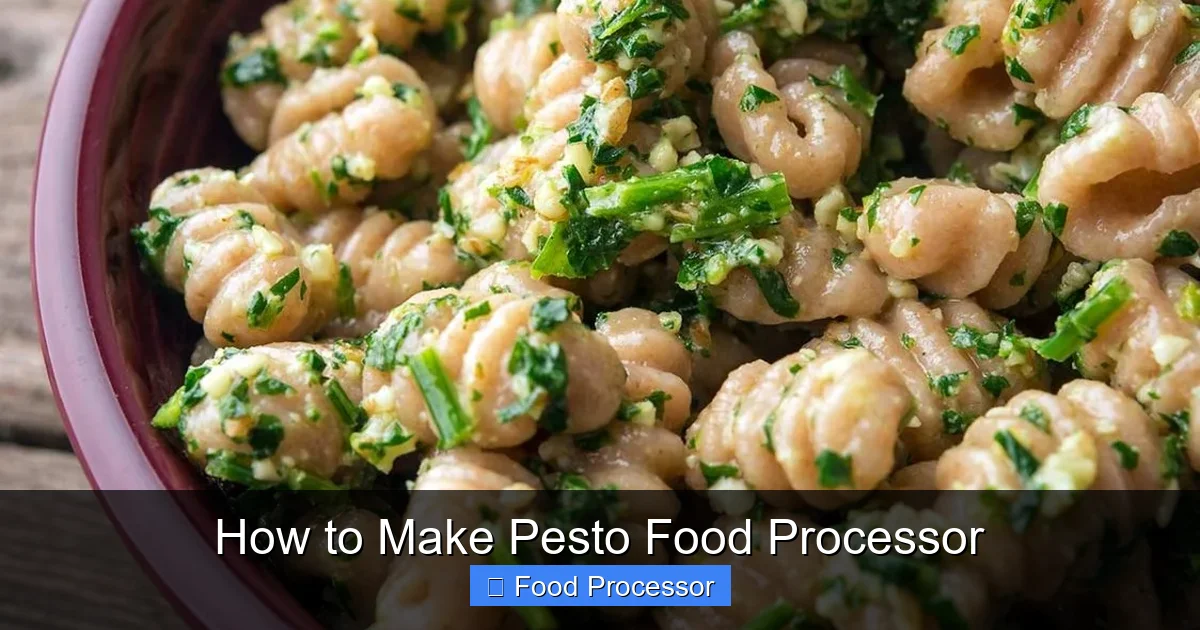
Visual guide about How to Make Pesto Food Processor
Image source: honest-food.net
- Fresh Basil Leaves: About 2 cups, packed tightly (roughly 4-5 ounces). Look for bright green, unblemished leaves.
- Pine Nuts: 1/4 cup. These add a creamy texture and a subtle nutty flavor.
- Garlic: 2-3 medium cloves, peeled. Adjust to your taste – some like more, some less!
- Parmesan Cheese (Parmigiano-Reggiano): 1/2 cup, freshly grated. This provides a salty, umami depth.
- Extra Virgin Olive Oil: 1/2 cup, or more, as needed. Use a good quality, fruity olive oil.
- Salt: 1/2 teaspoon, or to taste.
- Black Pepper: A pinch, freshly ground.
Equipment Essentials for Making Pesto
You don’t need much, which is part of the beauty of learning how to make pesto food processor style:
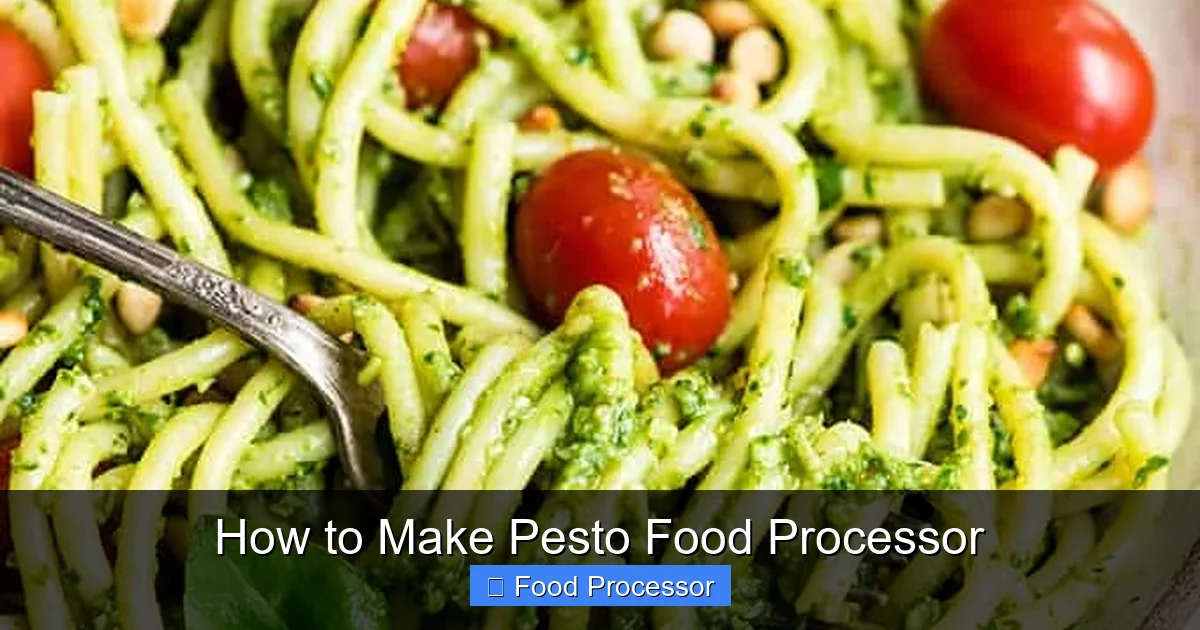
Visual guide about How to Make Pesto Food Processor
Image source: joyfoodsunshine.com
- Food Processor: A standard size (8-12 cup) is ideal, but a mini food processor can work for smaller batches. If you’re still deciding which one is right for you, consider reading our guide on how to choose the right size food processor to ensure you have the perfect fit for all your culinary adventures.
- S-Blade: This is the metal chopping blade that comes with your food processor.
- Spatula: For scraping down the sides of the bowl.
- Measuring Cups and Spoons: For accurate ingredient amounts.
Step-by-Step Instructions: How to Make Pesto Food Processor
Step 1: Prepare Your Food Processor
First things first, let’s get your food processor ready. Ensure it’s clean and properly assembled. The S-blade (sometimes called the chopping blade) is the one you want to use for pesto. If you’re new to using your appliance, understanding how to assemble a food processor step-by-step can be incredibly helpful for a smooth start.
Once assembled, place the work bowl onto the base and insert the S-blade securely. Make sure the lid fits snugly and the safety interlocks are engaged, as most food processors won’t operate otherwise.
Step 2: Toast the Pine Nuts (Optional, but Recommended!)
While this step is optional, toasting your pine nuts beforehand truly elevates the flavor of your pesto. It brings out their natural oils and deepens their nutty taste.
-
Lightly Toast the Pine Nuts
Place the 1/4 cup of pine nuts in a dry skillet over medium-low heat. Toast them for 2-5 minutes, stirring frequently, until they are lightly golden brown and fragrant. Be careful, as they can burn quickly! Once toasted, immediately remove them from the pan and let them cool completely. This prevents them from cooking further and adds a delightful depth to your homemade pesto.
Step 3: Combine Harder Ingredients First
When you make pesto food processor style, it’s best to process the harder ingredients first to ensure they are finely chopped before adding the more delicate basil.
-
Add Garlic and Pine Nuts
Place the peeled garlic cloves and the cooled, toasted pine nuts (if using) into the bowl of your food processor. Secure the lid.
-
Pulse to Chop
Use the “pulse” function in short bursts, about 5-10 times, until the garlic and pine nuts are finely minced. Scrape down the sides of the bowl with a spatula if necessary to ensure even chopping.
Step 4: Add the Basil
Now it’s time for the star of the show – the basil!
-
Introduce Basil Leaves
Add the 2 cups of packed fresh basil leaves to the food processor bowl with the garlic and pine nuts. If your basil leaves are particularly large, you might want to tear them roughly first. Try not to overfill the bowl, as this can prevent even processing. If you have a smaller food processor, you might need to do this in two batches.
-
Pulse Until Finely Chopped
Again, use the “pulse” function. Process the basil until it’s finely chopped, but not puréed. This should take about 10-15 short pulses. Scrape down the sides of the bowl periodically to ensure all the basil is incorporated. The goal here is a uniform chop, not a paste, before we add the cheese and oil.
Step 5: Incorporate the Parmesan Cheese
The cheese adds that essential salty, savory dimension to your pesto.
-
Add Grated Parmesan
Add the 1/2 cup of freshly grated Parmesan cheese to the food processor bowl. If you’re feeling adventurous, you can also add a tablespoon or two of Pecorino Sardo for a sharper, saltier kick, though it’s optional.
-
Pulse to Combine
Pulse a few more times (about 5-7 short pulses) until the cheese is well combined with the basil mixture. The mixture should still be somewhat textured, not completely smooth. Make sure everything is evenly distributed.
Step 6: Drizzle in the Olive Oil
This is where your pesto starts to transform into a smooth, emulsified sauce.
-
Slowly Add Olive Oil
With the food processor running on a continuous low setting (if available) or pulsing very rapidly, slowly drizzle in the 1/2 cup of extra virgin olive oil through the feed tube in the lid. The slow addition helps create a beautiful emulsion. If you have a larger batch or a powerful food processor, this process should be quite quick. Watch the mixture carefully as you add the oil.
-
Achieve Desired Consistency
Continue to process until the pesto reaches your desired consistency. Some people prefer a chunkier, more rustic pesto, while others like it very smooth. Add a little more olive oil, a tablespoon at a time, if you want a thinner consistency. Don’t be afraid to stop the machine, scrape down the sides, and taste as you go along. This way, you can tailor your how to make pesto food processor experience exactly to your liking.
Step 7: Season and Taste
The final crucial step is to taste and adjust the seasoning.
-
Add Salt and Pepper
Add 1/2 teaspoon of salt and a pinch of black pepper to the pesto. Pulse a couple more times to combine. Then, taste a small spoonful.
-
Adjust Flavors
Does it need more salt? A little more pepper? Perhaps another splash of olive oil to loosen it up? Adjust according to your preference. Remember, the flavor of your pesto will be most vibrant when fresh.
Practical Tips for Perfect Pesto Every Time
- Don’t Over-Process: This is a common mistake when you make pesto food processor style. Over-processing can overheat the basil, causing it to oxidize and turn brown, and can also make the pesto bitter. Use short pulses for better control.
- Chill Your Ingredients: Some chefs recommend chilling your food processor bowl and blade, and even the basil, beforehand. This helps keep the basil cool and vibrant, preventing it from “cooking” or turning dark green/brown during processing.
- Substitute Nuts: If you don’t have pine nuts, or prefer a different flavor, feel free to use walnuts, cashews, or even almonds. Just be aware that the flavor profile will change slightly.
- Experiment with Greens: While basil is traditional, you can make variations using spinach, arugula, kale, or a mix of greens.
- Use Good Quality Olive Oil: Since olive oil is such a prominent ingredient, choose a good quality extra virgin olive oil. It makes a noticeable difference in flavor.
- Wash and Dry Basil Thoroughly: Any excess water on the basil can dilute your pesto and affect its texture and shelf life. Use a salad spinner or paper towels to ensure your basil is completely dry.
- Consider Blanching Basil (for vibrant color): For an extra vibrant green pesto, some people blanch their basil leaves in boiling water for 10-15 seconds, then immediately plunge them into an ice bath. This sets the color. Drain and dry thoroughly before using.
- Getting the Most Out of Your Food Processor: To ensure you’re making the most of your kitchen appliance beyond just pesto, check out our guide on how to get the most out of your food processor for more tips and tricks.
Troubleshooting Common Pesto Problems
Even with the best instructions, sometimes things can go a little awry. Here are some solutions to common pesto issues:
-
Pesto is Too Thick:
Simply add more olive oil, a tablespoon at a time, and pulse until you reach your desired consistency. You can also add a tiny splash of water if you prefer, but oil is generally better for flavor and emulsification.
-
Pesto is Too Thin:
This is harder to fix. You can try adding a few more basil leaves, a handful of nuts, or a bit more Parmesan cheese and pulsing to thicken. Next time, be more conservative with the olive oil.
-
Pesto Tastes Bitter:
Bitterness can come from over-processing (overheating the basil), old or poor-quality olive oil, or sometimes too much raw garlic. To balance the bitterness, you can try adding a pinch of sugar, a squeeze of lemon juice, or a little more Parmesan cheese. Toasting your pine nuts can also help reduce bitterness from the nuts themselves.
-
Pesto Turns Brown:
Basil oxidizes quickly when exposed to air. To prevent this, work quickly, avoid over-processing, and store your pesto properly (see next section). Chilling ingredients can also help maintain color. If your food processor blade isn’t spinning as expected, preventing you from quickly processing, you might need to refer to a guide on how to fix food processor blade not spinning.
-
Pesto is Too Garlicky:
If the garlic flavor is too overpowering, you can try blanching the garlic cloves for 10-15 seconds in boiling water before adding them. This mellows their pungency. Alternatively, balance it with more basil, nuts, and cheese, and a squeeze of lemon juice.
Storing Your Homemade Pesto
Once you’ve mastered how to make pesto food processor style, you’ll want to store it correctly to maintain its freshness and vibrant color.
-
Short-Term Storage (Refrigerator)
Transfer your pesto to an airtight container. To prevent oxidation and keep that beautiful green color, pour a thin layer of extra virgin olive oil over the surface of the pesto before sealing the container. This creates a barrier against the air. Store in the refrigerator for up to 5-7 days.
-
Long-Term Storage (Freezer)
Pesto freezes beautifully! This is a great way to preserve a large batch or enjoy summer basil all year long.
- Ice Cube Trays: Spoon the pesto into ice cube trays. You can add a thin layer of olive oil on top of each cube for extra protection.
- Freeze Solid: Place the trays in the freezer until the pesto cubes are completely solid (a few hours).
- Transfer to Bags: Once frozen, pop the pesto cubes out of the trays and transfer them to a freezer-safe zip-top bag or airtight container.
- Label and Date: Label the container with the date. Frozen pesto will keep well for 6 months to a year.
When you’re ready to use it, simply thaw the desired number of pesto cubes in the refrigerator or add them directly to hot pasta or sauces.
Conclusion
And there you have it! A complete guide on how to make pesto food processor style. With a few simple ingredients and your trusty kitchen appliance, you can create a fresh, flavorful, and incredibly versatile sauce that will elevate countless meals. This process is quick, efficient, and delivers delicious results every time.
Don’t be afraid to experiment with the amounts of garlic, nuts, and even the type of cheese to find your perfect pesto. The beauty of homemade food is that you can always tailor it to your exact preferences. So go ahead, gather your ingredients, fire up your food processor, and enjoy the wonderful world of homemade pesto!
