

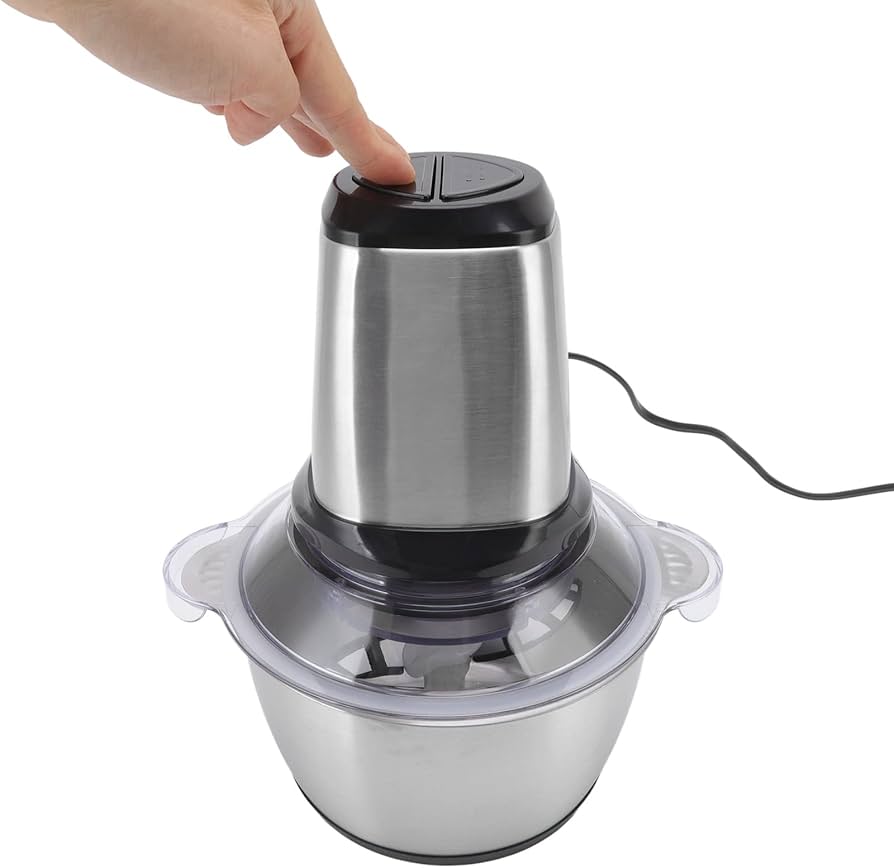
Most home food processors should run only 1–2 minutes continuously before resting.
I’ve tested dozens of kitchen machines and lived with a few that burned out early. In this guide I’ll explain how long can you leave a food processor running, why manufacturers set limits, and practical tips to get more life from your unit without risking damage. Read on for clear, hands‑on advice drawn from experience and appliance guidance.

Why run time matters for food processors
Your food processor has a motor, gears, and safety parts. Heat from the motor builds fast when you run the machine. Knowing how long can you leave a food processor running helps you avoid burns, smells, or permanent motor damage.
Manufacturers design most home units for short bursts. Running beyond limits triggers thermal cutouts or shortens motor life. I’ve learned this the hard way after overworking a midrange unit when making nut butter. The machine smelled faintly of burning and needed long cool-downs after that.

Typical recommended run times and duty cycles
Most user manuals give duty-cycle guidance. For many consumer machines the advice is:
- Run 30 seconds to 1 minute for heavy tasks like nut butter, then rest 5–10 minutes.
- Run 1–2 minutes for chopping, pureeing, and dough tasks, then rest 10–15 minutes.
- Use pulse mode for short bursts under 10 seconds to prevent overload.
How long can you leave a food processor running varies by model. High-power models (800–1200 W) can handle longer bursts than low-power (300–600 W) units. But even powerful home machines are not made for continuous commercial use.

What happens if you run a processor too long
Heat buildup is the main risk. Excessive run time can cause:
- Motor overheating and tripped thermal protectors
- Burning smells from winding insulation
- Melted plastic components or warped bowls
- Shortened motor lifespan and costly repairs
When I ran a basic processor for several continuous minutes while making hummus, the unit shut off mid-blend. The thermal protector had engaged. That taught me to break long tasks into short cycles.

How to safely run a food processor for longer jobs
You can extend workable run time with safe habits:
- Use pulse mode and short bursts to avoid continuous strain.
- Let the motor rest 1–2 minutes after each long run. This helps cooling.
- Process in smaller batches so the motor works less hard.
- Use higher wattage or professional models for frequent heavy jobs.
- Keep vents clear and avoid running with a full, wet bowl that drags blades.
If you must run longer, pause after every 60–120 seconds. Check the base for warmth and the smell of burning. If you detect either, stop and cool the machine.

Commercial vs home food processors: what’s different
Commercial processors are built for long, continuous use. They have stronger motors, better cooling, and heavier-duty bearings. Home units prioritize compact size and cost, so they use less robust motors.
If you wonder how long can you leave a food processor running in a professional kitchen, the answer is often hours under load for commercial models. For home machines, stick to short cycles. Matching the machine to your workload prevents frustration and saves money.
:max_bytes(150000):strip_icc()/faw-mini-food-processors-primary-rkilgore-0828-1-ef83ffc1910f4bc29b822ca52c5ee722.jpeg)
Signs your food processor is overheating or failing
Watch for clear warning signs:
- Burning or plastic smells during or after use.
- The motor slows or stalls under load.
- The base is very hot to the touch.
- The unit trips a circuit breaker or the motor cuts out frequently.
If you see these signs, stop using the machine until it cools. Repeated overheating can cause irreversible damage.

Maintenance and habits that extend life
Regular care helps your processor handle longer jobs safely:
- Clean blades and bowl after each use to prevent drag.
- Lubricate or service bearings if the manual suggests it.
- Replace worn or cracked parts promptly.
- Store in a dry, cool place and avoid overfilling the bowl.
- Read the user manual and follow suggested duty cycles.
From my experience, small habits like not overfilling and using the right blade save motors. A little care goes a long way.
Frequently Asked Questions of how long can you leave a food processor running
What is the safe continuous run time for a home food processor?
Most home food processors are safe for 1–2 minutes of continuous use, followed by a rest period. Check your manual for model-specific guidance.
Can I make nut butter without damaging my processor?
Yes, but do it in short bursts and allow cooling breaks. Heavy tasks like nut butter are high-stress and need intermittent rest.
What does the thermal cutout do and how long until it resets?
The thermal cutout stops the motor when it overheats to prevent damage and typically resets after 10–30 minutes of cooling. Times vary by model.
Is it OK to leave a food processor running while unattended?
No. Leaving a food processor running unattended increases the risk of overheating, fire, or mechanical failure. Always supervise appliances when in use.
How do I tell if my processor needs repair after overheating?
Look for persistent smells, frequent cutouts, or loss of power. If problems persist after cooling, have a technician inspect the motor and wiring.
Conclusion
Respecting how long can you leave a food processor running keeps your kitchen safe and extends the life of your appliance. Use short bursts, cool-down periods, and the right machine for heavy work. Try these habits today: read your manual, process in batches, and consider a higher-powered or commercial model if you often need long runs. If this post helped, leave a comment, subscribe for more appliance tips, or share your own food processor stories.
