
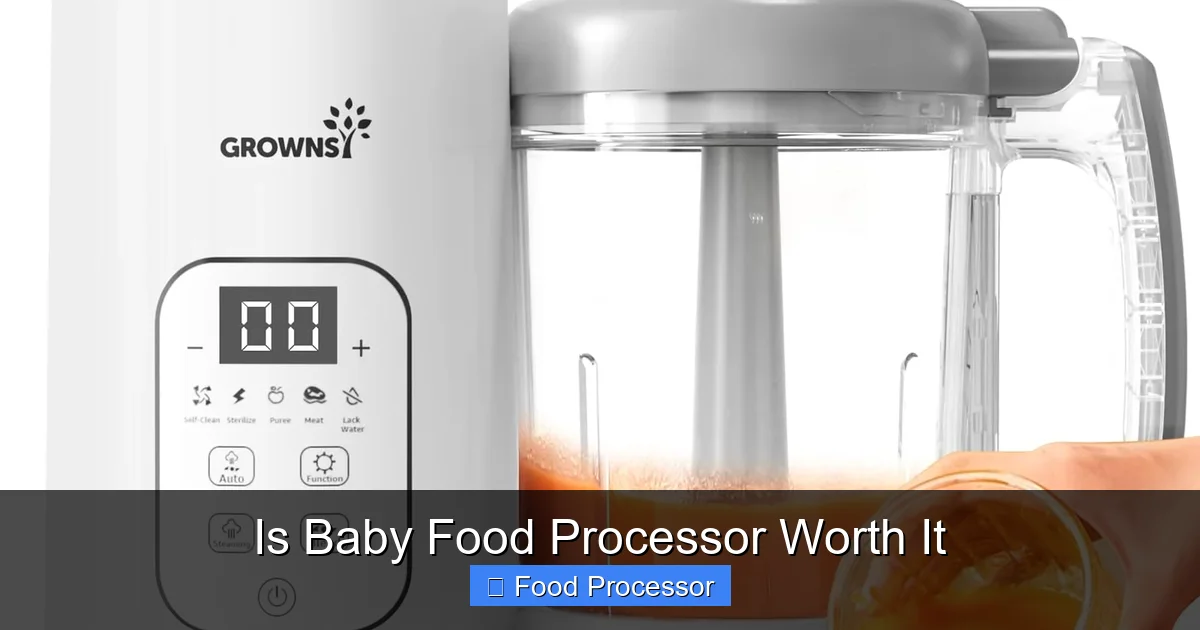
A baby food processor can be a game-changer for parents wanting to make fresh, homemade baby food. It offers unmatched convenience, precise control over ingredients, and ensures healthier meals for your little one. While there’s an initial cost and the need for counter space, the long-term benefits of nutrient-rich, custom purees often make it a worthwhile investment for many families. Ultimately, its value hinges on your commitment to preparing your baby’s food from scratch and the desire for simplicity in the kitchen.
Is Baby Food Processor Worth It?
Welcoming a baby into your life is an incredible journey filled with firsts. One of the most exciting (and sometimes daunting) milestones is introducing solid foods. As parents, we all want to give our little ones the best start possible. This often leads to the question: “Should I buy a dedicated baby food processor, or can I just use what I already have?”
It’s a common dilemma. Store shelves are packed with adorable, specialized baby food machines promising to make your life easier. But are they truly worth the investment? This comprehensive guide will help you understand what a baby food processor does, explore its advantages and disadvantages, and provide practical tips to help you decide if it’s the right choice for your family. We’ll walk through everything you need to know, from choosing the right model to making your first batch of delicious, nutritious purees.
Key Takeaways
- Convenience is Key: Baby food processors, especially all-in-one models, significantly streamline the process of steaming and blending, saving time for busy parents.
- Control Over Ingredients: Making your own baby food allows you complete control over what goes into your baby’s meals, avoiding unwanted additives, sugars, and preservatives found in store-bought options.
- Cost-Effective in the Long Run: While there’s an initial investment, homemade baby food often proves more economical than consistently buying pre-packaged jars or pouches.
- Healthier and Fresher: Preparing food at home ensures maximum freshness and nutrient retention, offering your baby the best possible start with solid foods.
- Versatility and Texture Control: These machines help you easily adjust food textures from smooth purees to chunkier mashes, adapting to your baby’s developmental stages.
- Consider Alternatives: A regular food processor can also be used for baby food. The “worth it” factor for a dedicated baby food processor often comes down to the convenience of steaming and blending in one unit.
Understanding What a Baby Food Processor Does
Before we dive into the “worth it” debate, let’s clarify what a baby food processor actually is. Unlike a standard food processor that primarily chops, slices, and grates, a specialized baby food processor is designed with one main goal: transforming whole ingredients into baby-friendly meals.
Many of these machines are “all-in-one” units. This means they can steam raw fruits, vegetables, and even meats directly in the same bowl, and then, with the flip of a switch or a simple blade change, blend them into a smooth puree. Some models also offer warming functions or the ability to defrost frozen portions.
The core idea behind these devices is convenience. They aim to simplify the multi-step process of preparing baby food – cooking, transferring, blending, and cleaning – into a single, compact operation. This convenience is often the primary reason parents consider investing in one.
The Big Question: Is a Baby Food Processor Worth the Investment?
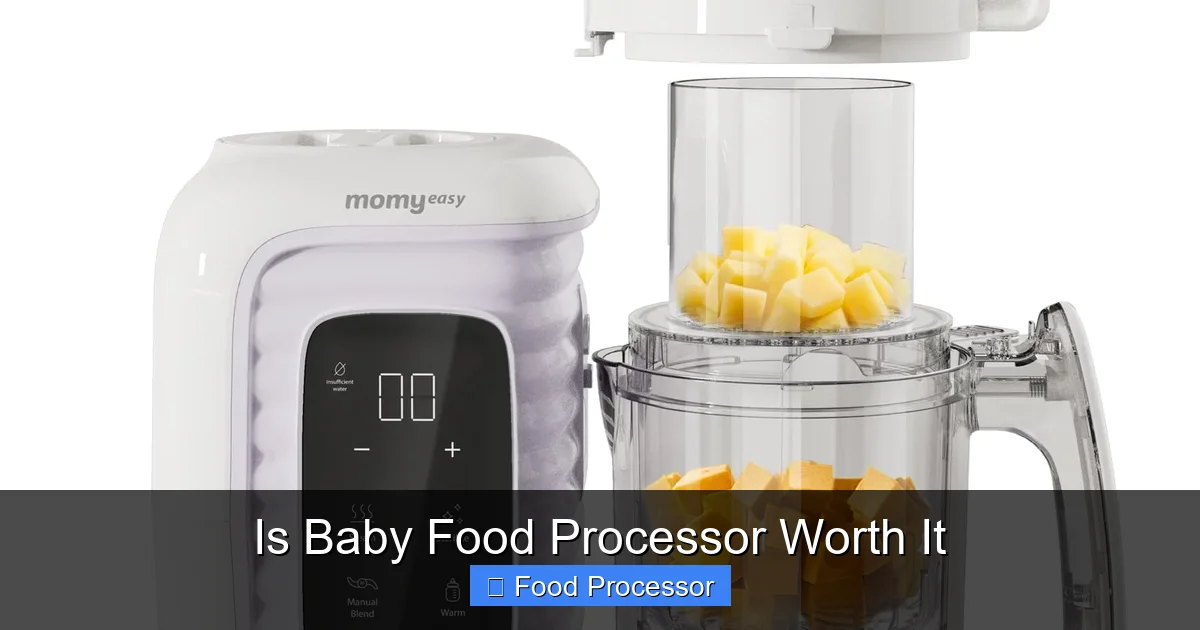
Visual guide about Is Baby Food Processor Worth It
Image source: images-na.ssl-images-amazon.com
This is where the rubber meets the road. Let’s weigh the pros and cons to help you make an informed decision.
The Advantages (Pros)
There are many compelling reasons why a baby food processor might be a fantastic addition to your kitchen.
Unmatched Convenience and Time-Saving
One of the biggest selling points of an all-in-one baby food processor is its ability to steam and blend in the same container. Imagine this: you chop up some carrots, put them in the machine, press a button to steam, wait for it to cook, then flip a switch to blend. No transferring hot food, no extra pots and pans to wash. This streamlined process saves significant time and effort, which is priceless when you have a baby. For parents with demanding schedules, this convenience can be a game-changer.
Complete Control Over Ingredients
When you make baby food at home, you know exactly what your little one is eating. You can choose fresh, organic produce, avoid artificial colors, flavors, preservatives, added sugars, and excess salt. This control is invaluable, especially if your baby has allergies, sensitivities, or specific dietary needs. You can tailor meals to their exact requirements, giving you peace of mind.
Healthier and Fresher Meals
Homemade baby food is inherently fresher than store-bought options. You’re using whole ingredients, often cooked just minutes before serving or freezing. Steaming, a common feature in these processors, is a gentle cooking method that helps preserve more nutrients compared to boiling. This means your baby is getting the maximum nutritional benefit from every spoonful.
Cost-Effectiveness in the Long Run
While there’s an initial outlay for the machine itself, making your own baby food can be significantly cheaper than buying pre-packaged jars and pouches. Fruits, vegetables, and grains are generally more affordable when purchased raw. Over months and years, especially if you have more than one child, the savings can really add up, making the best food processor for making baby puree at home a wise financial choice.
Texture Control for Developing Eaters
A baby food processor allows you to easily adjust the consistency of your baby’s food. You can start with super smooth purees for newborns, then gradually introduce lumpier textures as your baby grows and develops their chewing skills. This progression is crucial for healthy oral motor development and helps prevent picky eating down the line. It’s much harder to achieve such precise texture control with a fork and masher.
Multipurpose Potential
Some parents find their baby food processor useful even after their child outgrows purees. Many models can steam vegetables for the whole family, blend smoothies, or even create sauces and dips. While not their primary function, this added versatility can extend the life and value of your appliance.
The Disadvantages and Considerations (Cons)
It’s not all sunshine and purees. There are a few downsides to consider before you commit.
Initial Cost
Dedicated baby food processors can range from moderately priced to quite expensive. This initial investment might be a barrier for some families, especially if you’re already on a tight budget with a new baby. You’ll need to weigh this against the potential long-term savings on store-bought food.
Countertop Space and Storage
Many baby food processors, particularly the all-in-one steam and blend units, can be bulky. If you have a small kitchen with limited counter or cabinet space, finding a permanent home for another appliance might be a challenge. Consider the dimensions of the machine and your available space.
Cleaning and Maintenance
While many models boast “easy cleaning,” you still have to disassemble, wash, and dry multiple parts – the blade, the bowl, the lid, and sometimes the water reservoir for steaming. While often dishwasher-safe, it’s still a task. For some, even a few extra pieces to clean can feel like a chore during a busy day.
Is a Regular Food Processor Enough?
This is a critical question. If you already own a good quality standard food processor or blender, you might be able to make baby food without needing a specialized appliance. A regular food processor can effectively puree cooked fruits and vegetables. The main thing you’d be missing is the integrated steaming function. You’d need to steam or boil ingredients separately on the stovetop before transferring them to your existing machine. For some, this two-step process isn’t a big deal, especially if they have plenty of pots and pans.
Types of Baby Food Processors
Not all baby food processors are created equal. Understanding the different types can help you decide which, if any, is right for you.
All-in-One Steam and Blend Units
These are the most popular and often what people mean when they refer to a “baby food processor.” They typically feature a steaming basket and a blade in the same bowl. You add water to a reservoir, put your chopped ingredients in, steam them, and then blend. Some also have warming or defrosting functions. Brands like Beaba Babycook, Philips Avent, and Baby Brezza are well-known in this category.
Dedicated Mini Blenders/Food Processors
These are smaller versions of standard blenders or food processors, designed to handle smaller quantities. They don’t usually include a steaming function, so you’d still need to cook ingredients separately. However, they are compact and perfect for pureeing small batches, making them ideal for single servings or if you have limited space.
Multi-Function Kitchen Machines
Some high-end kitchen appliances, like certain stand mixers or large food processors, come with attachments or settings specifically designed for making purees. While not strictly “baby food processors,” they can certainly get the job done if you already own one or are looking for a highly versatile kitchen tool.
How to Choose the Right Baby Food Processor for Your Family
If you’ve decided that a dedicated baby food processor aligns with your needs, here’s what to look for when buying one.
Consider Your Needs: Capacity and Features
How much food do you plan to make at once? If you want to batch cook for the week, a larger capacity bowl (e.g., 4 cups or more) will be beneficial. If you prefer to make fresh meals daily, a smaller unit might suffice. Think about features like steaming, blending, warming, and defrosting. Do you need all of them, or just steam and blend?
Ease of Cleaning and Assembly
Look for models with easily detachable parts that are dishwasher safe. Fewer nooks and crannies mean quicker cleanup. Check reviews for comments on how easy the unit is to assemble and disassemble. A complex machine will quickly become frustrating.
Safety Features
Ensure the baby food processor has proper safety locks and automatic shut-off features. It’s also important to check that all food-contacting parts are BPA-free. This is paramount for your baby’s health.
Budget and Brand Reputation
Set a budget and stick to it. While expensive models might have more bells and whistles, many mid-range options perform excellently. Read reviews from other parents and choose a reputable brand known for durability and good customer service. For general advice on choosing kitchen appliances, you might find our guide on what to consider when buying a food processor helpful.
Making Baby Food with Your Processor: A Simple Guide
Once you have your baby food processor, making nutritious meals is straightforward.
Step 1: Prepare Your Ingredients
Wash all fruits, vegetables, or meats thoroughly. Peel and core as necessary. Cut ingredients into 1-inch pieces. This ensures even cooking and blending. Remove any seeds or tough skins.
Step 2: Cook (Steam, Boil, or Roast)
If your baby food processor has a steaming function, add the chopped ingredients to the steaming basket and fill the water reservoir. Steam according to the machine’s instructions or until the food is fork-tender. If you’re using a separate cooking method or a processor without steaming, cook your ingredients by boiling, roasting, or baking until soft. Remember, it’s safe to put hot food in a food processor for immediate blending, but exercise caution.
Step 3: Process to Desired Consistency
Once cooked, transfer the food (if needed) to the blending bowl. Add a little liquid – breast milk, formula, or the cooking liquid/water – to help achieve a smooth consistency. Start blending in short pulses, then hold for longer if a smoother puree is desired. Adjust the liquid amount until you get the perfect texture for your baby’s stage.
Step 4: Cool and Store
Allow the freshly made baby food to cool completely before portioning it into ice cube trays, small containers, or baby food pouches. Label with the date and type of food. Store in the refrigerator for 2-3 days or freeze for up to 3 months.
Tips for Success with Homemade Baby Food
A few pointers can make your baby food journey even smoother.
Start Simple and Single-Ingredient
When introducing solids, begin with single-ingredient purees like sweet potato, pea, or apple. This helps you identify any potential allergies or sensitivities. Introduce new foods one at a time, waiting a few days between each new food.
Batch Cook for Efficiency
One of the greatest benefits of a baby food processor is its ability to handle larger quantities. Dedicate an hour or two once a week to prepare several different purees. Freeze portions, and you’ll have healthy meals ready to go for days or weeks.
Adjust Texture as Your Baby Grows
As your baby gets older and develops more oral skills, gradually increase the texture of their food. Start with smooth purees, then move to thicker purees, then mashes with soft lumps, and eventually small, soft finger foods. Your baby food processor can help you achieve these different textures.
Food Safety is Key
Always follow proper food safety guidelines. Wash your hands, utensils, and the processor thoroughly. Ensure food is cooked to the appropriate temperature. Cool food quickly after cooking and never refreeze thawed baby food.
When a Regular Food Processor Might Be a Better Alternative
It’s important to acknowledge that a dedicated baby food processor isn’t for everyone. Here are scenarios where a standard food processor or blender might be a more practical choice:
If You Already Own a Capable Machine
If you have a powerful blender or a full-sized food processor that you love and use regularly, you might not need another appliance. These machines are perfectly capable of pureeing cooked ingredients. While they lack the integrated steaming function, if you’re comfortable steaming on the stovetop, you’ll save money and counter space. A food processor can offer more versatility in terms of chopping and dicing beyond just pureeing. You might want to consider why a food processor is better than a blender for certain textures.
For Larger Batches or Family Meals
Standard food processors often have larger capacities than baby-specific models. If you plan to make big batches of baby food or regularly adapt family meals into baby-friendly portions, a larger food processor might be more efficient. It can handle more ingredients at once, reducing the number of processing cycles.
If Steaming Isn’t a Priority for You
Some parents prefer to boil, roast, or bake their baby’s food, or they might already have a separate steamer basket or appliance they love. If the all-in-one steaming function isn’t a must-have for you, then the main advantage of a dedicated baby food processor diminishes, making a regular processor a perfectly good alternative.
Troubleshooting Common Baby Food Processor Issues
Even with the best intentions, you might run into minor hiccups. Here are a few common issues and how to address them:
My Food Isn’t Pureeing Smoothly
* Add More Liquid: This is the most common reason. Try adding a tablespoon or two of breast milk, formula, cooking liquid, or water at a time until you reach the desired consistency.
* Ensure Food is Cooked Properly: If ingredients are too firm, they won’t blend smoothly. Make sure fruits and vegetables are fork-tender after steaming or cooking.
* Don’t Overfill: Processing too much food at once can strain the motor and prevent proper blending. Work in smaller batches if needed.
The Machine is Leaking
* Check Assembly: Ensure all parts, especially the lid and blade assembly, are correctly seated and locked into place. Gaskets or seals might be misaligned.
* Don’t Overfill Liquid: If you’re adding too much liquid, it might spill out during blending, especially if the capacity limit is exceeded.
* Inspect Seals: Over time, seals can wear out. Check for any cracks or damage and replace if necessary.
Unusual Noises or Motor Stops
* Overheating: Some baby food processors have thermal protection that shuts them off if they get too hot. Let the machine cool down for 15-20 minutes before trying again. Avoid continuous blending for too long.
* Overloading: Processing very hard or too much food can strain the motor. Reduce the quantity or cut ingredients into smaller pieces.
* Blade Obstruction: Turn off and unplug the unit. Carefully check if anything is jammed around the blade. If your general food processor blade isn’t spinning, it might be due to similar issues, such as obstructions or incorrect assembly.
Conclusion: Making the Decision
So, is a baby food processor worth it? The answer truly depends on your individual needs, lifestyle, and priorities.
If you value convenience, want complete control over ingredients, prioritize freshness, and see yourself making baby food regularly, then an all-in-one baby food processor can be an invaluable tool. It simplifies the process, saves time, and encourages you to provide healthy, homemade meals for your little one, potentially saving money in the long run.
However, if budget is a major concern, counter space is tight, or you already own a capable standard food processor or blender and don’t mind the separate cooking step, then you might find that a dedicated baby food processor isn’t a necessity. Your existing kitchen appliances can likely handle the pureeing duties perfectly well.
Ultimately, the best baby food processor is the one that fits seamlessly into your life and helps you achieve your goal of nurturing your baby with delicious, homemade food. Consider your commitment to the process, your budget, and your kitchen setup, and you’ll be able to make the best decision for your family.
