

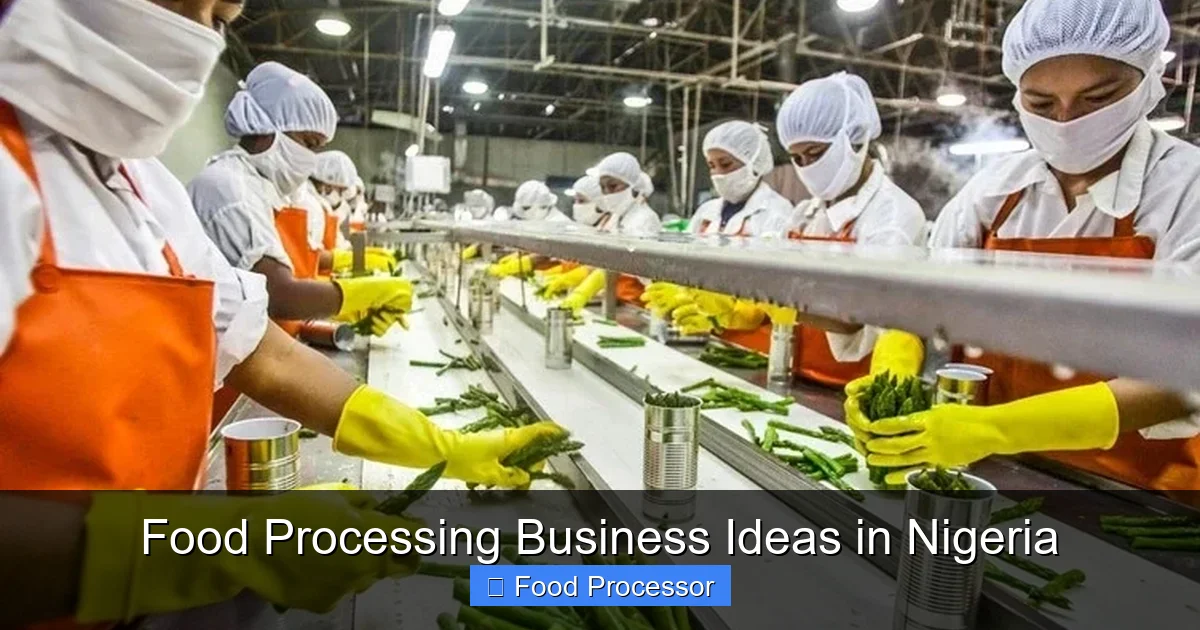
Starting a food processing business in Nigeria offers immense potential due to a large population, abundant raw materials, and increasing demand for packaged foods. This guide provides a step-by-step approach, from identifying profitable ideas like grain milling and fruit processing, to securing funding, navigating regulations, and effective marketing. Learn how to transform Nigeria’s agricultural wealth into a thriving enterprise, ensuring quality and meeting consumer needs.
Food Processing Business Ideas in Nigeria
Welcome! Are you thinking about starting a business in Nigeria? If so, the food sector offers some truly amazing opportunities. Nigeria is a country blessed with a huge population and a vibrant agricultural landscape. This means there’s a constant, growing demand for food products. But more than just raw food, there’s a huge gap in the market for processed, packaged, and value-added foods. This guide is all about exploring profitable food processing business ideas in Nigeria.
We’ll walk you through everything you need to know. You’ll learn about identifying the best opportunities, the step-by-step process to get started, essential equipment, and how to overcome common challenges. By the end of this guide, you’ll have a clear roadmap to turn your food processing business idea into a successful reality in Nigeria.
Key Takeaways
- High Market Potential: Nigeria’s growing population and rising middle class create a huge demand for processed and packaged food products, offering significant opportunities for entrepreneurs.
- Abundant Raw Materials: The country’s rich agricultural landscape provides a consistent and diverse supply of raw materials, which is crucial for a sustainable food processing business.
- Diversify Your Ideas: Explore various profitable niches like grain processing (garri, rice flour), fruit/vegetable processing (juices, purees), spices, or snacks to find what best suits your resources and market demand.
- Prioritize Legal Compliance: Strict adherence to NAFDAC regulations and proper business registration (CAC) is non-negotiable for building trust and ensuring the legitimacy and safety of your products.
- Focus on Quality and Hygiene: Maintaining high standards of hygiene, quality control, and proper packaging is vital for consumer confidence, brand reputation, and long-term success in the competitive food industry.
- Strategic Planning is Key: A robust business plan, thorough market research, and a clear funding strategy are essential foundations for navigating challenges and achieving growth in the Nigerian food processing sector.
Why Start a Food Processing Business in Nigeria?
There are several compelling reasons why investing in a food processing business in Nigeria is a smart move.
Untapped Market Potential
Nigeria has over 200 million people, and this number is still growing. As more people move to cities and lifestyles get busier, the demand for convenient, packaged, and ready-to-eat foods skyrockets. Many consumers are looking for locally produced, high-quality processed foods. This is a massive market waiting to be served.
Abundant Raw Materials
Nigeria is an agricultural powerhouse. From cassava, yam, maize, and rice to various fruits, vegetables, and livestock, the country has a rich supply of raw materials. This abundance means you can source your ingredients locally, which helps keep costs down and supports local farmers. It’s a win-win situation!
Job Creation and Economic Impact
A thriving food processing business does more than just make profit for you. It creates jobs, both directly in your factory and indirectly in farming, logistics, and retail. It also adds value to agricultural produce, reducing post-harvest losses and boosting the economy. It’s an industry with a significant positive impact.
Identifying Profitable Food Processing Business Ideas in Nigeria
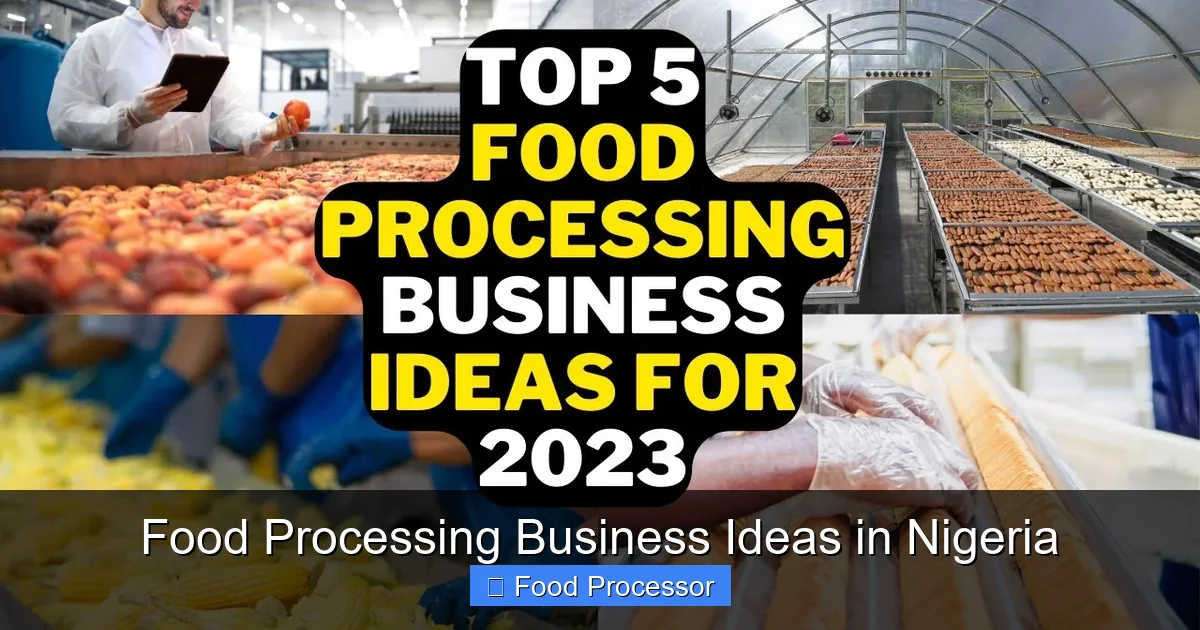
Visual guide about Food Processing Business Ideas in Nigeria
Image source: i.ytimg.com
Choosing the right product is critical. Here are some of the most promising food processing business ideas in Nigeria, considering local demand and raw material availability:
Grains and Legumes Processing
This is a cornerstone of Nigerian diets.
- Garri Production: Cassava is widely available. Processing it into garri (a staple food) is a highly profitable venture. You can produce various forms: Ijebu garri, yellow garri, or even packaged garri flakes.
- Rice Milling and Packaging: With local rice consumption increasing, setting up a small to medium-scale rice mill and packaging facility can be very lucrative.
- Bean Flour and Akara/Moi-Moi Mix: Many people want convenience. Processing beans into ready-to-use flour or pre-mixed ingredients for akara (bean cakes) or moi-moi (steamed bean pudding) saves time for consumers. A good food processor can even grind beans for moi-moi effectively, if you choose the right model.
- Maize Flour: Used for various local dishes, packaged maize flour is always in demand.
Fruit and Vegetable Processing
Minimizing waste and adding value to fresh produce.
- Fruit Juice Production: Nigeria produces a variety of fruits like oranges, mangoes, pineapples, and soursop. Turning these into natural, packaged fruit juices is a popular idea.
- Tomato Paste/Puree: Tomatoes are seasonal and often go to waste during harvest. Processing them into paste or puree for year-round use addresses a significant market need.
- Dried Fruits and Vegetables: Think dried plantain chips, dried mango slices, or vegetable flakes. These have longer shelf lives and appeal to health-conscious consumers.
Dairy and Meat Processing
These require more capital but have high returns.
- Yogurt and Cultured Milk: With a growing health awareness, packaged yogurt and other dairy products are gaining popularity.
- Packaged Meat Products: Sausages, minced meat, or smoked fish products offer convenience and extended shelf life.
Spices and Condiments Production
Nigeria is rich in local spices.
- Ground Spices: Processing fresh ginger, garlic, turmeric, and local peppers into hygienically packaged ground spices is a great idea.
- Seasoning Blends: Creating unique seasoning blends for different dishes can attract a loyal customer base.
Snacks and Confectioneries
Always a hit with all age groups.
- Plantain Chips: A ubiquitous Nigerian snack, but quality, packaging, and branding can set you apart.
- Chin-Chin Production: This crunchy fried snack is loved by many. Scaled-up production and attractive packaging can lead to success.
- Baked Goods: Specializing in unique bread, cakes, or pastries can also be profitable.
Oil Seed Processing
Essential for cooking.
- Palm Oil Processing: From fresh palm fruits to refined palm oil. This is a very essential commodity in every Nigerian home.
- Groundnut Oil Production: Extracting and refining groundnut oil for cooking.
- Shea Butter Processing: For culinary and cosmetic uses, especially popular in northern Nigeria.
Step-by-Step Guide to Starting Your Food Processing Business
Visual guide about Food Processing Business Ideas in Nigeria
Image source: cpimg.tistatic.com
Starting any business requires careful planning. Here’s a structured approach for your food processing business ideas in Nigeria.
Step 1: Market Research and Feasibility Study
Before you do anything else, dive deep into research.
- Identify Your Niche: Which of the food processing business ideas in Nigeria excites you most? What specific product will you focus on?
- Understand Your Target Market: Who are your customers? What are their needs, preferences, and purchasing power?
- Analyze Competition: Who else is selling similar products? What are their strengths and weaknesses? How can you differentiate your product?
- Assess Raw Material Availability: Can you consistently source quality raw materials at a good price?
Step 2: Develop a Comprehensive Business Plan
A business plan is your roadmap. It helps you clarify your vision and secure funding.
- Executive Summary: A brief overview of your business.
- Company Description: What your business does, its mission, and vision.
- Market Analysis: Details from your feasibility study.
- Organization and Management: Your business structure and key personnel.
- Products and Services: Detailed description of what you’ll produce.
- Marketing and Sales Strategy: How you’ll reach customers.
- Financial Projections: Startup costs, operational costs, revenue forecasts, break-even analysis.
Step 3: Secure Funding
Many food processing business ideas in Nigeria require capital.
- Personal Savings: A common starting point for many entrepreneurs.
- Loans: Look into commercial bank loans, microfinance banks, or government agricultural loans (e.g., CBN Anchor Borrowers’ Programme, BOI loans).
- Grants: Keep an eye out for grants from government agencies, NGOs, or international organizations supporting agribusiness.
- Investors: Pitch your idea to angel investors or venture capitalists if you have a compelling plan.
Step 4: Legal Registration and Compliance
This is non-negotiable for legitimacy and safety.
- Business Registration (CAC): Register your business name or company with the Corporate Affairs Commission (CAC). This is the first official step.
- NAFDAC Approval: The National Agency for Food and Drug Administration and Control (NAFDAC) regulates all processed food products in Nigeria. You MUST get NAFDAC approval for your products. This involves product testing, facility inspection, and adherence to strict hygiene and quality standards. This crucial step directly relates to why food processing is important, as it ensures consumer safety and product integrity.
- Other Permits: Obtain local government permits, environmental health permits, and potentially a factory license.
Step 5: Source Raw Materials and Equipment
Quality inputs lead to quality outputs.
- Reliable Suppliers: Establish strong relationships with farmers or aggregators for a consistent supply of fresh, high-quality raw materials.
- Equipment Procurement: This is a major investment.
- Consider the scale of your operation. For small-scale, manual or semi-automatic machines might suffice. As you grow, you’ll need more automated solutions.
- Research the cost of a food processor in Nigeria or larger industrial machines. Prices can vary widely depending on capacity and brand.
- Essential equipment could include industrial blenders, grinders, dryers, ovens, packaging machines, and various types of food processors.
Step 6: Set Up Your Processing Facility
Location and layout are key for efficiency and hygiene.
- Location: Choose a location with good access to raw materials, markets, utilities (water, electricity), and transport networks.
- Facility Layout: Design your facility for efficient workflow, minimizing cross-contamination, and maximizing hygiene. Ensure proper ventilation, waste disposal systems, and washable surfaces. This ties into the broader topic of food purchasing, processing, and preservation, emphasizing the need for a clean and efficient environment.
- Utilities: Invest in alternative power solutions like generators or solar panels, given Nigeria’s erratic power supply. Ensure a clean and reliable water source.
Step 7: Product Development and Quality Control
Your product needs to be good and safe.
- Formulation: Perfect your recipes. Ensure consistency in taste, texture, and appearance.
- Testing: Conduct taste tests and shelf-life studies. Ensure your product meets NAFDAC’s microbiological and chemical standards.
- Packaging: Choose attractive, durable, and food-safe packaging that protects your product and appeals to consumers. Ensure clear labeling with ingredients, nutritional information, production date, expiry date, and NAFDAC registration number.
Step 8: Marketing and Distribution
How will customers find your amazing products?
- Branding: Create a memorable brand name, logo, and story.
- Pricing Strategy: Price competitively while ensuring profitability.
- Sales Channels:
- Wholesale: Sell to distributors, supermarkets, hotels, and restaurants.
- Retail: Open your own store, or sell directly at markets.
- Online: Utilize social media, e-commerce platforms, and your own website.
- Promotions: Offer samples, run promotions, and engage with customers.
Step 9: Staffing and Training
Your team is your asset.
- Recruitment: Hire skilled workers for processing, quality control, packaging, and sales.
- Training: Provide thorough training, especially on hygiene, food safety protocols, and the proper operation of equipment. Continuous training is important for maintaining standards.
Essential Equipment for Food Processing Businesses
The type of equipment depends on your specific product, but here are general categories:
Basic Tools
These are often needed regardless of the scale.
- Stainless steel work tables, sinks, and utensils.
- Weighing scales for accuracy.
- Cutting boards and knives.
- Storage containers.
Specialized Machinery
These directly relate to your processing method.
- Grinders/Mills: For grains, spices, or making flour.
- Blenders/Mixers: For juices, purees, or mixing ingredients.
- Dehydrators/Dryers: For drying fruits, vegetables, or snacks.
- Ovens/Fryers: For baked goods or fried snacks.
- Pulping/Extracting Machines: For fruit juices.
- Packaging Machines: Sealing machines, labeling machines.
- Food Processors: These versatile machines can chop, slice, shred, and puree, making them invaluable for various tasks, from preparing vegetables for dehydration to making pastes. Understanding the advantages of a food processor can help you decide which model is best for your specific processing needs.
Overcoming Challenges in the Nigerian Food Processing Sector
Starting a food processing business in Nigeria isn’t without its hurdles, but they can be overcome with smart planning.
Power Supply Issues
Erratic electricity is a major challenge.
- Solution: Budget for backup power sources like generators, inverters, or solar energy systems. Consider energy-efficient equipment.
Access to Finance
Getting capital can be difficult, especially for startups.
- Solution: Develop a robust business plan to attract investors. Explore government grants and microfinance options specifically for SMEs in agriculture. Start small and reinvest profits.
Regulatory Hurdles
NAFDAC approval and other permits can be daunting.
- Solution: Start the registration process early. Seek guidance from consultants specializing in NAFDAC compliance. Ensure all documentation is complete and your facility meets required standards.
Logistics and Infrastructure
Poor roads and transport can affect raw material supply and product distribution.
- Solution: Build strong relationships with reliable logistics partners. Focus on local sourcing of raw materials to reduce transport costs and risks.
Competition
You’ll face competition from both local and imported brands.
- Solution: Differentiate your product through unique recipes, superior quality, attractive packaging, and strong branding. Focus on excellent customer service.
Tips for Success
To truly thrive with your food processing business ideas in Nigeria:
- Focus on Quality: Never compromise on the quality and safety of your products. This builds trust and customer loyalty.
- Innovate and Diversify: Continuously research new product ideas or improve existing ones. Offer varieties or seasonal products to keep your customers engaged.
- Build Strong Networks: Connect with farmers, distributors, retailers, and other entrepreneurs. Networking can open doors to new opportunities and partnerships.
- Embrace Technology: While starting small, look for ways to integrate technology to improve efficiency, reduce waste, and enhance product quality.
- Prioritize Hygiene and Food Safety: This cannot be stressed enough. A single lapse can destroy your business. Train your staff rigorously and ensure your facility adheres to the highest standards.
Conclusion
The food processing sector in Nigeria is brimming with potential for entrepreneurs. With a massive market, abundant raw materials, and increasing demand for value-added products, your food processing business ideas in Nigeria can flourish. While challenges exist, with thorough planning, adherence to regulations, a focus on quality, and a commitment to innovation, you can build a successful and impactful enterprise. Start your research today, refine your business plan, and take the first steps towards a rewarding journey in Nigeria’s vibrant food industry!
