
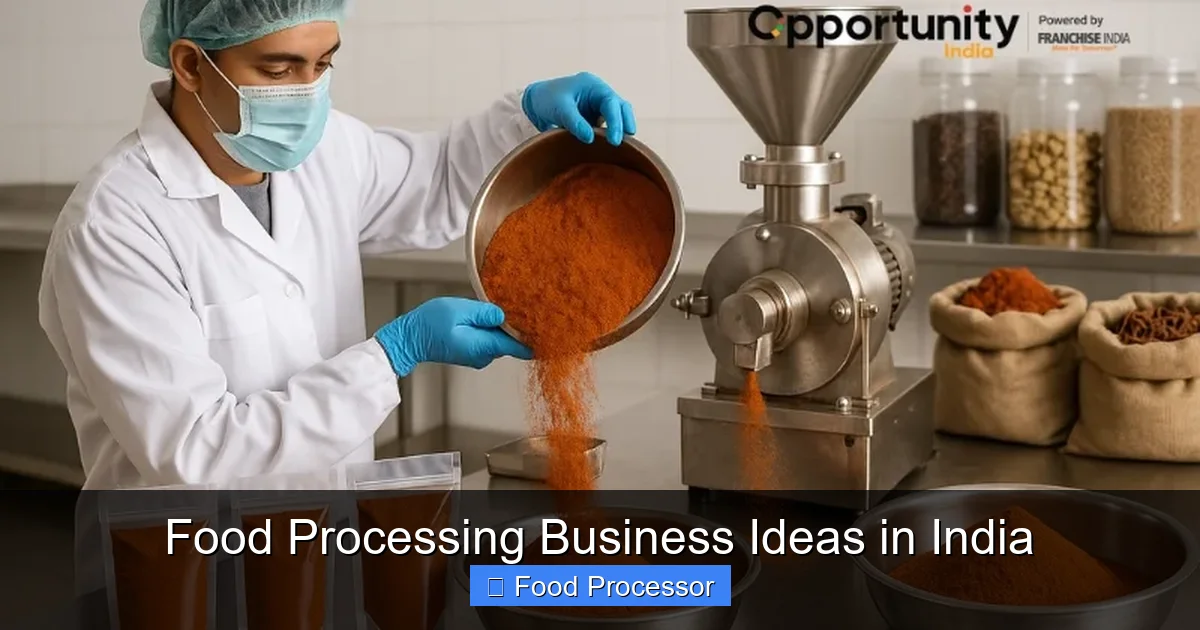
Starting a food processing business in India presents a massive opportunity due to its vast agricultural produce and growing consumer demand. This guide provides a comprehensive roadmap, covering everything from identifying the right niche and developing a robust business plan to navigating legal compliance, sourcing equipment, and executing effective marketing strategies. With careful planning and execution, entrepreneurs can successfully tap into India’s dynamic food market.
Food Processing Business Ideas in India
The food processing sector in India is booming, and for good reason! With a massive agricultural base and a rapidly growing population that’s looking for convenience, variety, and quality, there’s an incredible opportunity for entrepreneurs. If you’ve been dreaming of starting your own venture, exploring food processing business ideas in India could be your path to success. This guide will walk you through everything you need to know, from understanding the market to launching your product, ensuring you have a clear roadmap.
India is often called the “food basket of the world,” producing a vast array of fruits, vegetables, grains, milk, and more. Yet, a significant portion of this produce goes to waste due to a lack of proper processing and preservation infrastructure. This is where food processing comes in. It not only reduces wastage but also adds value, creates jobs, and contributes to the economy. We’re talking about turning raw ingredients into delicious, convenient, and shelf-stable products that consumers love.
In this comprehensive guide, you’ll learn how to identify promising food processing business ideas in India, navigate the regulatory landscape, plan your operations, and market your products effectively. So, let’s dive in and unlock the potential of India’s vibrant food industry!
Key Takeaways
- Immense Market Potential: India’s diverse agriculture and large population create a fertile ground for numerous food processing business ideas, catering to local and export markets.
- Strategic Niche Identification: Success hinges on identifying a specific product or market gap, such as organic, ready-to-eat, regional specialties, or value-added agricultural products.
- Comprehensive Business Planning: A detailed business plan covering market analysis, financial projections, operational strategies, and funding acquisition is crucial for a strong foundation.
- Navigating Regulatory Frameworks: Strict adherence to FSSAI regulations, business registration, and other permits is non-negotiable for legal and safe operations.
- Quality Sourcing & Modern Equipment: Ensuring high-quality raw materials and investing in appropriate processing and packaging machinery are key to product excellence and efficiency.
- Effective Marketing & Distribution: Developing a strong brand, smart packaging, and a multi-channel distribution strategy are vital for reaching target consumers and achieving sales goals.
- Focus on Value Addition: Transforming raw produce into higher-value products like jams, pickles, juices, or ready-to-cook mixes offers better margins and sustainability.
Step 1: Understand the Indian Market & Identify Your Niche
Before you even think about a specific product, it’s vital to understand the landscape. India is incredibly diverse, with varying tastes, cultures, and consumption patterns across regions.
H3: Conduct Thorough Market Research
Start by looking at what’s already out there. What kinds of processed foods are popular? Are there any gaps in the market? Look at consumer trends:
- Health and Wellness: People are increasingly seeking organic, natural, low-sugar, and gluten-free options.
- Convenience: Busy lifestyles mean a high demand for ready-to-eat (RTE) and ready-to-cook (RTC) meals and snacks.
- Regional Delicacies: There’s a strong desire for traditional Indian foods, but often with a modern twist or in a more convenient format.
- Sustainable and Ethical Products: Consumers are becoming more conscious about where their food comes from and how it’s produced.
Understanding why food processing is important beyond just profit can also help you identify areas where your business can make a real impact. Think about rural employment, reducing food waste, and improving food security.
H3: Pinpoint Your Niche
Once you have a grasp of the market, narrow down your focus. Trying to cater to everyone often means catering to no one effectively. A niche can be based on:
- Specific Raw Materials: Are you near a region famous for a particular fruit (e.g., Alphonso mangoes, Nagpur oranges) or spice?
- Demographic: Are you targeting children, working professionals, health-conscious individuals, or a specific cultural group?
- Product Category: Pickles, jams, snacks, dairy, frozen foods, beverages – the options are endless.
- Technology: Could you use a unique processing method to create a distinct product?
Identifying your niche early will help you focus your resources and create a strong brand identity.
Step 2: Choose Your Food Processing Business Idea
Visual guide about Food Processing Business Ideas in India
Image source: franchiseindia.com
Now for the exciting part – deciding what to make! Here are several promising food processing business ideas in India, categorized for easier selection:
H3: Fruits & Vegetable Processing
India produces a massive amount of fruits and vegetables. Turning them into value-added products can prevent spoilage and fetch better prices.
- Jams, Jellies & Squashes: Classic products with consistent demand. Seasonal fruits can be processed year-round.
- Pickles & Chutneys: A staple in Indian households. Regional varieties offer great scope for differentiation.
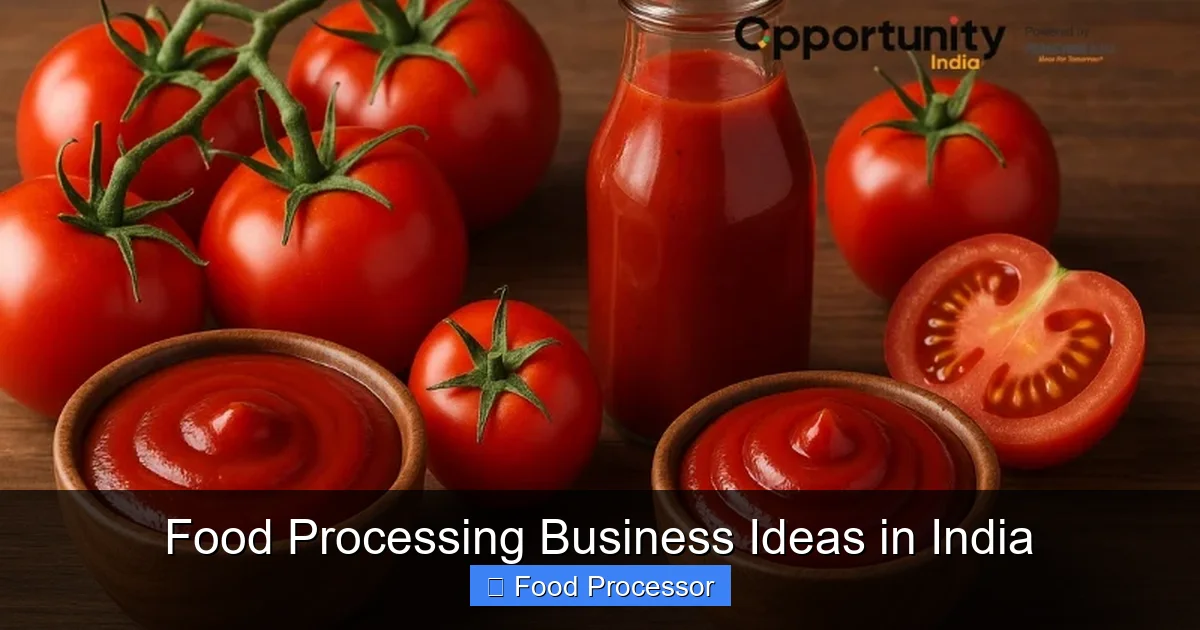
- Fruit Juices & Pulps: Fresh, packaged juices or concentrated pulps for industrial use.
- Dehydrated Fruits & Vegetables: Snacks, soup ingredients, or ready-to-use cooking components. Think sun-dried tomatoes, onion flakes, or fruit leathers.
- Frozen Vegetables/Fruits: Peas, corn, mixed vegetables, or fruit segments for convenience.
H3: Cereal, Pulse & Grain Processing
Staple foods in India offer diverse processing opportunities.
- Flour Mills: Producing various types of flour (wheat, rice, multi-grain) for different culinary needs.
- Ready-to-Cook Mixes: Idli/Dosa batter, upma mix, poha mix, multi-grain atta. These cater to the convenience trend.
- Breakfast Cereals: Granola, muesli, fortified flakes.
- Bakery Products: Breads, biscuits, cookies, rusks. Can be artisanal or mass-produced.
H3: Dairy Products
India is the world’s largest milk producer.
- Paneer & Ghee: High demand across India.
- Yogurt & Flavored Milk: Health-conscious consumers are driving demand for fermented dairy.
- Ice Cream & Kulfi: A universal favorite, with scope for unique Indian flavors.
- Cheese Production: While a niche, artisanal and specialized cheeses are gaining popularity. You might even use specific tools, for example, to shred cheese in a food processor for certain recipes or industrial applications.
H3: Bakery & Confectionery
Always a popular choice, especially with modern twists.
- Specialty Breads: Sourdough, whole wheat, multi-grain, gluten-free.
- Cookies & Biscuits: Health-focused or premium varieties.
- Cakes & Pastries: Targeting events, cafes, or everyday indulgence.
- Indian Sweets (Value-added): Packaged gulab jamuns, rasgullas, or innovative takes on traditional mithai.
H3: Spices & Condiments
India is known globally for its spices.
- Spice Powders: Turmeric, chili, coriander, cumin, garam masala. Focus on purity and aroma.
- Blended Spices: Ready-to-use mixes for specific dishes (e.g., biryani masala, chole masala).
- Herbal Powders: Ayurvedic ingredients, health supplements.
H3: Ready-to-Eat/Cook Meals & Snacks
The urban population’s demand for convenience is a massive driver.
- Instant Curries & Gravies: Heat-and-eat options.
- Packaged Snacks: Traditional namkeens, chips, healthy roasted snacks, energy bars.
- Frozen Meals: Biryanis, parathas, curries – just heat and serve.
Consider the process of food purchasing, processing, and preservation as you choose your product, as these aspects directly impact shelf life and quality.
Step 3: Develop Your Business Plan
Visual guide about Food Processing Business Ideas in India
Image source: cdn.shortpixel.ai
A well-structured business plan is your roadmap to success. It will help you secure funding, attract partners, and guide your operations.
H3: Market Analysis
Detail your target market, competitors, their strengths and weaknesses, and your unique selling proposition (USP). What makes your product different or better?
H3: Financial Projections
This is critical. Include:
- Startup Costs: Equipment, rent, licenses, initial inventory.
- Operating Costs: Raw materials, labor, utilities, marketing.
- Revenue Projections: Sales forecasts for the first 3-5 years.
- Funding Requirements: How much capital do you need and where will it come from (self-funding, bank loans, government schemes like PM FME, MUDRA)?
H3: Operational Plan
Outline how your business will function day-to-day:
- Production Process: From raw material intake to finished product.
- Supply Chain: Sourcing, storage, logistics.
- Staffing: Roles, responsibilities, hiring plan.
- Quality Control: How will you ensure product safety and consistency?
Step 4: Legal & Regulatory Compliance
This is a non-negotiable step. The food industry is highly regulated to ensure consumer safety.
H3: Business Registration
Register your business as a sole proprietorship, partnership, LLP, or private limited company, depending on your scale and goals.
H3: FSSAI Licensing (Food Safety and Standards Authority of India)
This is the most crucial license for any food business in India. You will need to obtain a basic registration, state license, or central license based on your turnover and production capacity. The FSSAI license covers everything from hygiene standards to labeling requirements.
H3: Other Essential Permits & Registrations
- GST Registration: Mandatory for most businesses.
- MSME/Udyam Registration: Optional but offers benefits and subsidies.
- Local Municipal Licenses: Health trade license, factory license (if applicable).
- Pollution Control Board (PCB) NOC: Required if your processing unit generates waste.
- BIS Certification: For certain packaged food products, ensuring quality standards.
Step 5: Sourcing Raw Materials & Equipment
The quality of your raw materials and the efficiency of your equipment will directly impact your final product.
H3: Quality Sourcing of Raw Materials
Establish reliable relationships with farmers, aggregators, or suppliers. Focus on consistent quality, freshness, and competitive pricing. Consider organic certification if that’s your niche. It’s important to understand how do you know if a food has minimal processing if that’s part of your brand promise, as your sourcing and processing methods will reflect this.
H3: Essential Equipment
The specific machinery will depend on your chosen product, but common equipment includes:
- Cleaning & Washing Machines: For fruits, vegetables, grains.
- Cutting & Slicing Machines: Manual or automatic, for uniform product preparation.
- Processing Equipment: Grinders, blenders, pulverizers, mixers, cookers, ovens, industrial food processors. For a commercial setup, considering a best food processor for commercial kitchen use will be vital for efficiency and durability.
- Packaging Machines: Filling, sealing, labeling machines to ensure hygiene and extend shelf life.
- Storage Solutions: Cold storage, dry storage, freezers.
- Quality Control Equipment: pH meters, refractometers, lab testing kits for basic checks.
Start with essential machinery and scale up as your business grows.
Step 6: Setting Up Your Manufacturing Unit
The physical space where you process food needs careful planning.
H3: Location Selection
Choose a location that offers:
- Proximity to Raw Materials: Reduces transportation costs and ensures freshness.
- Good Connectivity: For distribution of finished goods.
- Availability of Utilities: Water, electricity, waste disposal.
- Compliance with Zoning Laws: Ensure the area is zoned for industrial or commercial activity.
H3: Layout & Hygiene Standards
Design your unit for efficient workflow and strict hygiene.
- Separation: Raw material receiving, processing, packaging, and storage areas should be separate to prevent cross-contamination.
- Sanitation: Easy-to-clean surfaces, proper ventilation, pest control measures.
- Staff Facilities: Changing rooms, washrooms, handwashing stations.
Adherence to Good Manufacturing Practices (GMP) is paramount.
Step 7: Marketing & Distribution
You’ve made a great product, now how do you get it into the hands of consumers?
H3: Branding & Packaging
Your brand story and attractive, functional packaging are crucial.
- Brand Identity: Create a memorable name, logo, and story that resonates with your target audience.
- Packaging: Must be practical (protects product, easy to open), informative (ingredients, nutritional info, FSSAI logo), and appealing. Consider eco-friendly packaging options.
H3: Sales & Distribution Channels
Choose channels that best suit your product and target market.
- Direct Sales: Farmers’ markets, local events, your own store or website.
- Retailers: Local kirana stores, supermarkets, hypermarkets.
- E-commerce: Your own website, Amazon, Flipkart, specialty food platforms.
- Food Service: Supply to restaurants, cafes, hotels, caterers.
- Exports: If your product has international appeal, explore export opportunities.
Build strong relationships with distributors and retailers. Offer samples, run promotions, and engage with customers on social media.
Challenges and Solutions in Food Processing Business Ideas in India
Starting any business comes with hurdles. For food processing business ideas in India, some common challenges include:
H3: Funding and Capital
Challenge: Securing sufficient capital for machinery, infrastructure, and working capital.
Solution: Prepare a robust business plan for bank loans. Explore government schemes like Pradhan Mantri Kisan Sampada Yojana (PMKSY) or the Ministry of Food Processing Industries (MOFPI) schemes, which offer subsidies and financial assistance. Don’t shy away from angel investors or venture capitalists if your idea has high growth potential.
H3: Quality Control and Standardization
Challenge: Maintaining consistent quality and hygiene, especially with varying raw material quality.
Solution: Implement strict Good Manufacturing Practices (GMP). Invest in quality testing equipment and regular lab checks. Train your staff thoroughly on hygiene protocols and processing standards. Source from certified suppliers when possible.
H3: Competition
Challenge: The market can be crowded with established players and new entrants.
Solution: Focus on your unique selling proposition (USP). Innovate with flavors, ingredients, or packaging. Target niche markets that larger players might overlook. Build strong customer loyalty through consistent quality and excellent service.
H3: Supply Chain and Logistics
Challenge: Managing the procurement of raw materials and efficient distribution across India’s vast geography.
Solution: Develop strong relationships with a network of suppliers. Invest in efficient storage and transportation, especially for perishable goods. Consider third-party logistics (3PL) providers for wider distribution.
H3: Marketing and Branding
Challenge: Standing out in a crowded market and building brand recognition.
Solution: Invest in professional branding and packaging. Utilize digital marketing (social media, influencer marketing, SEO) to reach a wider audience. Participate in food exhibitions and trade fairs. Offer attractive promotions and build a loyal customer base.
Conclusion
The landscape for food processing business ideas in India is ripe with potential. From leveraging India’s rich agricultural diversity to meeting the evolving demands of its massive consumer base, the opportunities are vast and varied. While the journey involves careful planning, adherence to regulations, and persistent effort, the rewards can be substantial. By identifying your niche, creating a solid business plan, ensuring quality at every step, and implementing effective marketing strategies, you can build a successful and sustainable food processing venture. Remember, innovation and a deep understanding of your customer are your biggest assets. So, take the leap, embrace the challenge, and contribute to India’s thriving food industry!
