
Food processing significantly affects our health, both positively and negatively. While it ensures food safety and extends shelf life, it can also lead to nutrient loss, increased unhealthy ingredients like sugar, salt, and unhealthy fats, and the addition of various additives. Understanding these impacts helps us make smarter dietary choices for better well-being by prioritizing whole foods and reading labels carefully.
How Does Food Processing Affect Health?
Have you ever wondered about the journey your food takes from the farm to your plate? Most of the food we eat today undergoes some form of processing. But what exactly is food processing, and more importantly, how does food processing affect health? This guide will break down the complexities, helping you understand the good, the bad, and the sometimes confusing aspects of processed foods. We’ll explore everything from nutrient changes to hidden additives, empowering you to make healthier choices for yourself and your family. Let’s dive in!
Key Takeaways
- Spectrum of Processing: Not all food processing is bad. It ranges from minimal (washing, cutting) to ultra-processed (ready-to-eat meals, sugary drinks), each with different health implications.
- Nutrient Loss: Extensive food processing often reduces essential vitamins, minerals, and dietary fiber, which are vital for overall health and proper digestion.
- Hidden Unhealthy Ingredients: Many processed foods are high in added sugars, unhealthy fats (like trans and saturated fats), and excessive sodium, contributing to chronic diseases.
- Food Additives: Preservatives, artificial colors, and flavors are common in processed foods. While generally deemed safe in small amounts, their long-term health effects are still a subject of ongoing research and concern for some individuals.
- Impact on Satiety and Gut Health: Ultra-processed foods often lack fiber and protein, making them less filling and potentially disruptive to the gut microbiome, leading to overeating.
- Crucial Benefits: Food processing also provides significant benefits, including enhanced food safety by eliminating pathogens, extended shelf life, and increased accessibility to a wider variety of foods.
- Empowered Choices: By reading food labels, prioritizing whole foods, cooking at home, and understanding what constitutes “minimal processing,” you can make healthier decisions about the foods you consume.
Understanding Food Processing: What Is It Exactly?
Food processing refers to any method used to turn fresh food into food products. It can be as simple as washing vegetables or as complex as manufacturing a frozen dinner. The main goals of food processing are to make food safer, extend its shelf life, and often, to make it more palatable or convenient.
Think about it: bread is processed from wheat, cheese from milk, and even your morning orange juice goes through processing. Without it, many foods wouldn’t be available year-round, nor would they be safe to consume for extended periods.
The Spectrum of Processing
It’s important to understand that “processed food” isn’t a single category. Instead, it exists on a spectrum.
- Minimally Processed Foods: These foods are usually just cleaned, trimmed, chopped, or perhaps pasteurized. Examples include bagged spinach, roasted nuts, pasteurized milk, or pre-cut fruits. These types of processing often don’t significantly alter the food’s nutritional content and can even make healthy eating more convenient. If you’re wondering how do you know if a food has minimal processing, look for short ingredient lists and foods that retain their original form.
- Basic Processed Foods: These foods involve a few steps, like canning, freezing, or milling. Think canned vegetables, frozen fruit, flour, or simple bread. These methods often preserve nutrients or make foods accessible.
- Moderately Processed Foods: These foods contain multiple ingredients, including sweeteners, oils, and additives, but still have a recognizable food base. Examples include some breakfast cereals, sauces, or flavored yogurts.
- Ultra-Processed Foods (UPFs): This category raises the most health concerns. UPFs are industrial formulations made mostly from ingredients extracted from foods (like sugars, starches, fats, proteins), or synthesized in labs (like hydrogenated oils, modified starches, flavor enhancers, artificial colors). They are designed to be highly palatable, convenient, and have long shelf lives. Think sugary drinks, most packaged snacks, instant noodles, and ready-to-eat meals.
Understanding this spectrum is key to grasping how food processing affects health differently based on the level of intervention.
How Processing Changes Nutritional Value
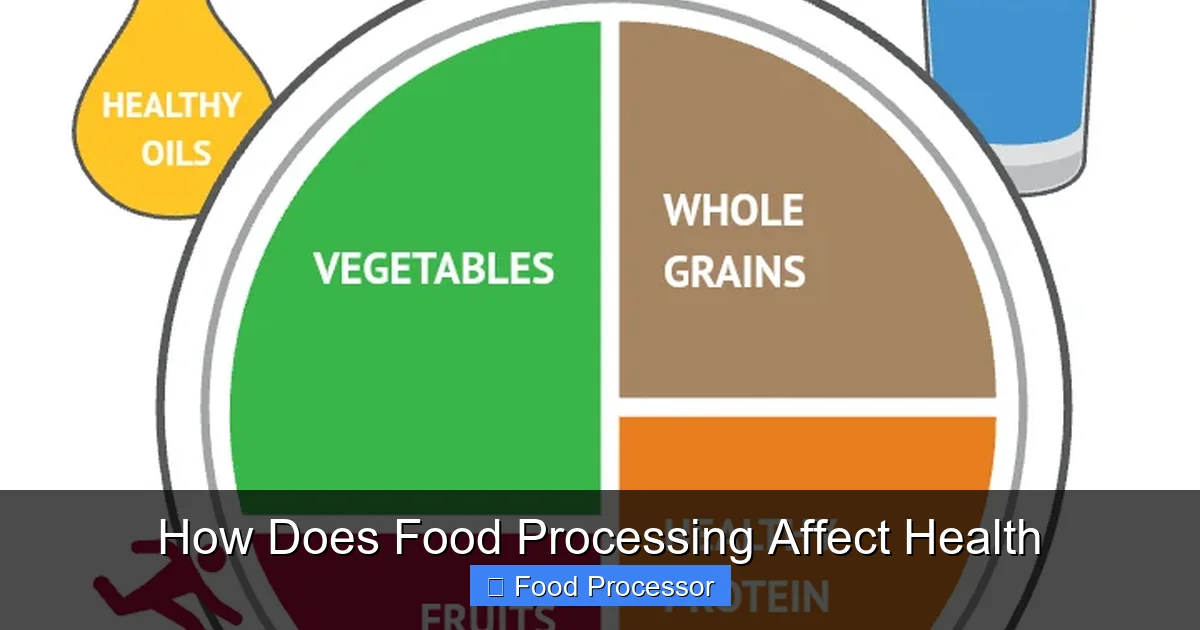
Visual guide about How Does Food Processing Affect Health
Image source: augustahealth.com
One of the most significant ways food processing affects health is through its impact on a food’s nutritional profile. While some processing can lock in nutrients, extensive processing often leads to a considerable loss.
The Loss of Essential Nutrients
Many vitamins and minerals are sensitive to heat, light, and air. When foods undergo extensive processing, such as high-temperature cooking, refining, or long storage, these vital nutrients can be diminished.
For example, milling grains into white flour removes the bran and germ, which are rich in B vitamins, iron, and fiber. While some nutrients might be added back (“fortification”), this doesn’t always fully restore the original nutritional richness of whole grains. Similarly, vitamin C and some B vitamins can be lost during the canning or extensive cooking of vegetables.
The Decline in Fiber
Dietary fiber is crucial for digestive health, blood sugar control, and satiety. Unfortunately, highly processed foods are often stripped of their natural fiber content. This is particularly true for refined grains and many fruit juices, where the pulp and skin (major sources of fiber) are removed. A diet low in fiber can contribute to digestive issues, increased risk of type 2 diabetes, and difficulty managing weight.
The Rise of Unhealthy Ingredients in Processed Foods
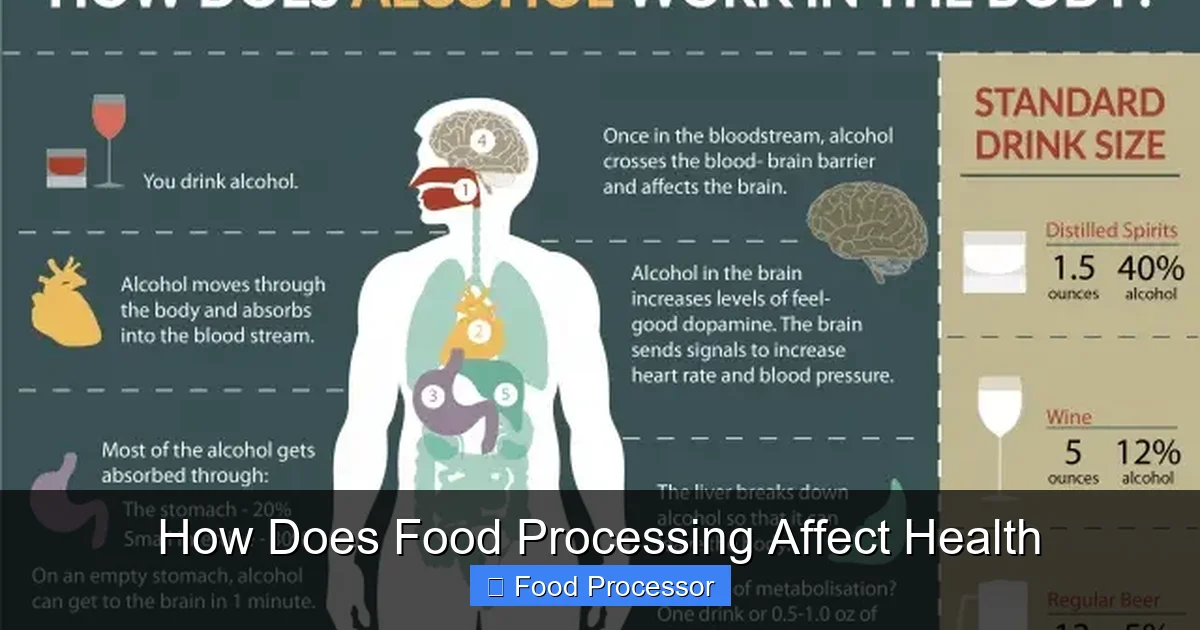
Visual guide about How Does Food Processing Affect Health
Image source: healthy-food-near-me.com
Beyond nutrient loss, a major concern about how food processing affects health is the addition of ingredients that can negatively impact our well-being. Ultra-processed foods, in particular, are notorious for being high in added sugars, unhealthy fats, and excessive sodium.
The Sugar Surge
Added sugar is rampant in processed foods, often under various names like high-fructose corn syrup, dextrose, or maltose. These sugars are not naturally occurring in the food but are added during processing to enhance flavor, texture, and shelf life. Consuming too much added sugar is linked to weight gain, increased risk of type 2 diabetes, heart disease, and dental problems. Many people are unaware of just how much sugar is in their everyday processed items, from breakfast cereals to seemingly savory sauces.
Sodium – A Silent Culprit
Sodium (salt) is another ingredient frequently added in large quantities during food processing. It acts as a preservative, a flavor enhancer, and also adds texture. While our bodies need some sodium, most processed foods contain far more than the recommended daily limit. High sodium intake is a leading cause of high blood pressure, which increases the risk of heart attack and stroke.
Unhealthy Fats and Oils
Processed foods often contain unhealthy fats, such as trans fats (partially hydrogenated oils) and excessive saturated fats. Trans fats are particularly harmful, raising “bad” cholesterol (LDL) and lowering “good” cholesterol (HDL), significantly increasing the risk of heart disease. While many countries have banned or restricted trans fats, saturated fats are still common in processed snacks, baked goods, and fast foods, contributing to similar health risks when consumed in excess.
Navigating the World of Food Additives
Food additives are substances added to food to maintain or improve its safety, freshness, taste, texture, or appearance. While regulatory bodies approve these additives, concerns persist about how their long-term consumption in combination might affect health, particularly for sensitive individuals.
Preservatives: Good or Bad?
Preservatives are used to prevent spoilage from bacteria, molds, fungi, or yeast, thereby extending shelf life. Common examples include nitrates/nitrites in cured meats, sulfites in dried fruits and wine, and BHA/BHT in cereals. While they help prevent foodborne illnesses and reduce waste, some studies suggest potential links between certain preservatives and allergic reactions or other health issues in sensitive individuals, though more research is always ongoing.
Artificial Colors and Flavors: What’s the Impact?
Artificial colors and flavors are added to make food more appealing and consistent. For instance, that vibrant orange cheese puff or bright red candy often owes its color to synthetic dyes. While deemed safe by regulatory bodies, some artificial colors, particularly in children, have been linked to hyperactivity. The long-term effects of consuming a cocktail of various artificial flavors remain a subject of debate among health experts.
Emulsifiers and Thickeners: More Than Just Texture
Emulsifiers (like lecithin) and thickeners (like guar gum, carrageenan) are used to improve the texture, consistency, and stability of processed foods, preventing ingredients from separating. Some recent research suggests a potential link between certain emulsifiers and changes in gut bacteria and inflammation, which could have broader implications for gut health and chronic diseases. This area is still actively being researched.
Beyond Nutrients: How Processing Affects Digestion and Satiety
The way food processing affects health isn’t just about what’s added or removed; it also impacts how our bodies interact with the food.
Easier to Consume, Harder to Feel Full
Ultra-processed foods are often designed to be “hyper-palatable” – incredibly tasty and easy to eat quickly. They often lack the fiber and protein found in whole foods, which are crucial for feeling full and satisfied. This means you can eat a lot of ultra-processed food without feeling satiated, leading to overconsumption and weight gain. Their soft texture also means less chewing, which can bypass some of the early signals our body sends to the brain about fullness.
Potential Effects on Gut Microbiome
Our gut microbiome – the trillions of bacteria living in our intestines – plays a vital role in our health, influencing everything from digestion to immunity. Diets high in ultra-processed foods, which are low in fiber and high in sugar, unhealthy fats, and certain additives, may negatively alter the balance of gut bacteria. This imbalance, known as dysbiosis, is linked to inflammation and an increased risk of various health conditions, including obesity, irritable bowel syndrome, and even mental health issues.
The Essential Role and Benefits of Food Processing
Despite the potential downsides, it’s crucial to acknowledge the vital importance of food processing. It plays an indispensable role in our modern food system and offers significant advantages. Many of these points highlight why food processing is important for societies worldwide.
Ensuring Food Safety
Perhaps the most critical benefit of food processing is its role in food safety. Processes like pasteurization (for milk and juices), sterilization (for canned goods), and cooking destroy harmful bacteria, viruses, and parasites that can cause foodborne illnesses. This drastically reduces the risk of serious health problems and widespread outbreaks.
Boosting Shelf Life and Availability
Food processing allows us to store food for longer periods, reducing spoilage and waste. Techniques like freezing, canning, drying, and fermentation ensure that perishable foods can be preserved and consumed months later. This extended shelf life makes a wider variety of foods available year-round, regardless of season or geographic location, contributing to global food security. A broader understanding of food purchasing processing and preservation helps illustrate this point.
Making Food More Accessible
Processed foods, especially minimally or basic processed options, offer convenience and affordability. Pre-cut vegetables, canned beans, or frozen berries make healthy eating easier for busy individuals or those with limited cooking skills or time. This accessibility can be a significant factor in helping people meet their nutritional needs.
Making Smarter Choices: Practical Tips for Healthier Eating
Now that you understand how food processing affects health, both positively and negatively, you might be wondering how to navigate your diet. The goal isn’t necessarily to eliminate all processed foods, but to make informed choices that support your health.
Become a Label Detective
The nutrition label is your best friend when it comes to processed foods. Take the time to read it!
- Check the Ingredient List: A shorter list generally means less processing. Look for whole, recognizable ingredients at the top of the list. Be wary of long lists with unfamiliar names.
- Spot Added Sugars: Look for sugar, high-fructose corn syrup, dextrose, maltose, sucrose, and other “ose” words. The higher up on the list they are, the more sugar the product contains.
- Monitor Sodium: Aim for foods with lower sodium content. The daily recommended intake is generally around 2,300 mg, but many processed foods can contribute a significant portion in a single serving.
- Evaluate Fats: Look for healthy fats (like those from nuts, seeds, olives) and minimize unhealthy fats (trans fats, hydrogenated oils, excessive saturated fats).
- Fiber Content: Choose products with higher fiber content, especially for grain-based foods.
Prioritize Whole, Unprocessed Foods
The simplest way to minimize the negative impacts of food processing on health is to build your diet around whole, unprocessed foods. These include:
- Fresh fruits and vegetables
- Whole grains (oats, brown rice, quinoa, whole wheat bread)
- Lean proteins (chicken, fish, eggs, legumes, tofu)
- Nuts and seeds
These foods naturally contain the vitamins, minerals, and fiber your body needs without added sugars, unhealthy fats, or artificial additives.
Embrace Home Cooking
Cooking at home gives you full control over your ingredients. You decide how much salt, sugar, and fat goes into your meals. It’s a fantastic way to ensure you’re eating nutritious, minimally processed meals. Even simple cooking like chopping vegetables for a stir-fry can make a big difference.
Understand “Minimally Processed”
Don’t be afraid of foods that have undergone some minimal processing for convenience or safety. Bagged salads, frozen vegetables, canned beans (rinsed to reduce sodium), and plain yogurt are all examples of minimally processed foods that can be valuable additions to a healthy diet. They make it easier to incorporate nutritious options into busy schedules.
Conclusion
Food processing is a vast and intricate topic with both profound benefits and potential drawbacks for our health. It’s not a black-and-white issue where all processed food is inherently bad. From ensuring food safety and extending availability to providing convenience, processing plays an undeniable and often positive role in our daily lives.
However, understanding how food processing affects health means recognizing the significant differences between minimally processed whole foods and ultra-processed items. By becoming informed consumers, reading labels carefully, and prioritizing a diet rich in whole, unprocessed foods, you can navigate the modern food landscape effectively. Empower yourself with knowledge, make conscious choices, and enjoy a healthier, more balanced approach to eating.
