


Keeping your food processor clean is essential, and knowing if it’s dishwasher safe can save you time and effort. While the motor base should never be submerged or put in the dishwasher, many modern food processor bowls, lids, and blades are designed to be top-rack dishwasher safe. Always consult your appliance’s manual to confirm specific care instructions and ensure the longevity of your valuable kitchen companion.
Are Food Processor Dishwasher Safe
A food processor is an incredibly versatile kitchen appliance, a true workhorse that can chop, slice, shred, puree, and mix with impressive speed. It saves you valuable time and effort, making meal prep a breeze. But once the culinary magic is done, the question inevitably arises: “Are food processor dishwasher safe?” This is a common concern for many home cooks who want to maintain their appliance without damaging it or spending too much time on cleanup.
The good news is that for many modern food processors, the answer is often “yes” – at least for most of the removable parts! However, it’s not a universal rule, and there are crucial distinctions to understand. Putting the wrong part in the dishwasher or using the wrong settings can lead to damage, discoloration, or even render your appliance unusable.
In this comprehensive guide, we’ll walk you through everything you need to know about cleaning your food processor, specifically focusing on its dishwasher safety. We’ll cover how to identify dishwasher-safe parts, what precautions to take, and when hand washing is still the best option. By the end, you’ll be a pro at keeping your food processor sparkling clean and ready for its next task, ensuring it lasts for years to come.
Key Takeaways
- Always Check Your Manual: The manufacturer’s instructions are the ultimate authority on whether your specific food processor parts are dishwasher safe.
- Motor Base Is Never Dishwasher Safe: The electronic base should never be submerged in water or placed in a dishwasher. Clean it with a damp cloth only.
- Most Removable Parts Are Top-Rack Safe: The work bowl, lid, pusher, and often blades/discs are typically designed for the top rack of your dishwasher.
- Use Lower Heat Settings: High heat, especially in the bottom rack, can warp or damage plastic components over time, even if they are marked as dishwasher safe.
- Pre-Rinse and Disassemble: Always remove large food particles and take apart all removable sections before loading them into the dishwasher.
- Hand Washing Prolongs Life: Even for dishwasher-safe parts, hand washing can be gentler and help extend the lifespan and clarity of plastic components.
- Beware of Sharp Blades: Exercise extreme caution when handling and loading blades, whether hand washing or placing them in the dishwasher.
Understanding Your Food Processor’s Dishwasher Safety
Before you toss any part of your food processor into the dishwasher, it’s essential to understand the nuances of what “dishwasher safe” truly means for your specific model.
The Golden Rule: Read Your Manufacturer’s Manual
This cannot be stressed enough. Every food processor model is different. Materials, construction, and recommended care can vary significantly between brands and even within the same brand’s product lines. Your food processor’s manual is the definitive source for cleaning instructions. It will explicitly state which parts, if any, are safe for the dishwasher and any specific rack placements or temperature settings to use.
- Look for “Care and Cleaning” Section: This section typically outlines whether parts are dishwasher safe or require hand washing.
- Keep the Manual Handy: If you’ve misplaced it, most manufacturers offer digital versions of their manuals on their websites.
Identifying Dishwasher-Safe Symbols
If you don’t have your manual, look for symbols usually molded into the plastic parts themselves. These universal symbols can guide you:
- Dishwasher-Safe Symbol (Often a Plate/Glass with Water Droplets): This indicates the item can safely go into a dishwasher.
- Top Rack Only Symbol: If the symbol includes “top rack,” it means the item should only be placed in the upper rack of your dishwasher. This is common for many plastic food processor components because the heating element on the bottom can warp them.
- No Dishwasher Symbol (Crossed-Out Dishwasher Icon): This clearly indicates the part is NOT dishwasher safe and must be hand washed.
Materials Matter: Why Some Parts Are Safe and Others Aren’t
The primary reason for variations in dishwasher safety lies in the materials used to construct each part.
- Plastics: Many modern food processor bowls, lids, and pushers are made from durable, BPA-free plastics designed to withstand dishwasher cycles. However, some older or cheaper plastics can become cloudy, discolored, or warp under high heat. Top-rack placement is almost always recommended for plastic parts.
- Metals (Blades/Discs): Food processor blades and slicing/shredding discs are typically made from stainless steel. High-quality stainless steel is generally dishwasher safe, but prolonged exposure to harsh detergents or high heat can dull the blades or, in rare cases, cause minor corrosion or rust spots.
- Rubber/Silicone Gaskets: Seals and gaskets around lids or bowls are often made of rubber or silicone. While these can usually go in the dishwasher, they may degrade or lose elasticity faster with repeated high-heat exposure, potentially affecting the seal’s effectiveness over time.
- Electronic Components (Motor Base): This is the most critical part. The motor base contains the electrical components and should never be put in water, let alone a dishwasher. Exposure to water will damage the motor and electrical wiring, creating a safety hazard and ruining your appliance.
Components of a Food Processor and Their Dishwasher Safety
Let’s break down the different parts of a food processor and their typical dishwasher safety status.
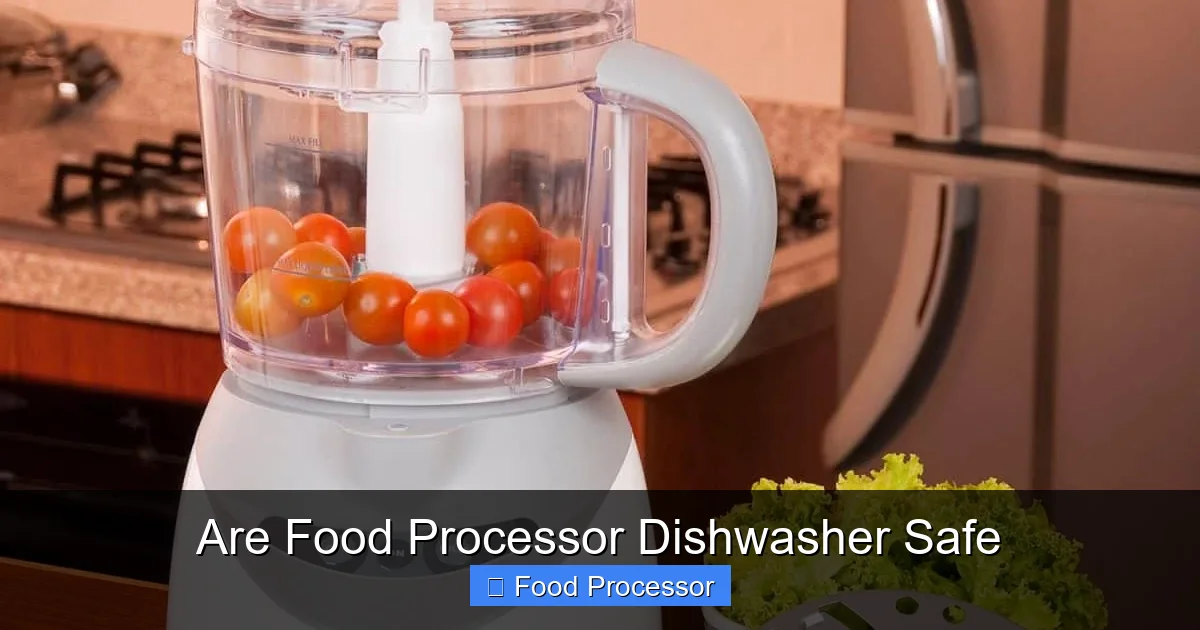
Visual guide about Are Food Processor Dishwasher Safe
Image source: kitchenseer.com
The Motor Base: Hand Wash Only!
As mentioned, the motor base is the heart of your food processor. It houses the motor, controls, and electrical wiring. It is never dishwasher safe and should never be submerged in water. To clean the motor base, simply wipe it down with a damp cloth, ensuring no liquids drip into the internal mechanisms. Unplug it before cleaning for safety.
The Work Bowl/Container: Usually Top-Rack Dishwasher Safe
This is the main receptacle where food processing happens. Most contemporary food processor bowls are made from sturdy plastic or sometimes glass. They are generally designed to be top-rack dishwasher safe. Always check for the “top rack only” symbol or consult your manual. Placing it on the bottom rack, especially near the heating element, can cause warping, cracking, or clouding of plastic bowls.
The Lid: Often Top-Rack Dishwasher Safe
Similar to the work bowl, the lid is usually made of plastic. Many lids also contain safety interlocks or feed tubes. These are typically top-rack dishwasher safe. Pay attention to any gaskets or seals on the lid; while generally fine in the dishwasher, excessive heat can sometimes shorten their lifespan.
Blades and Discs: Handle with Care, Often Dishwasher Safe
The sharp blades and various slicing/shredding discs are usually made of stainless steel. Many are considered dishwasher safe, especially when placed securely on the top rack. However, extreme caution is necessary when loading and unloading these incredibly sharp components to prevent injury. Some users prefer to hand wash blades to maintain their sharpness and avoid potential nicks or dulling from dishwasher friction or harsh detergents. To learn more about cleaning specific parts, you might find this article useful: Can You Put Food Processor Parts In The Dishwasher.
Pusher/Feed Tube: Generally Dishwasher Safe
The pusher, which guides food down the feed tube into the bowl, and the feed tube itself (often integrated into the lid) are almost always made of plastic and are safe for the top rack of the dishwasher.
Other Attachments (Dough Blades, Mini Bowls, Whisk Attachments): Varies
Depending on your food processor model, you might have other attachments like a dough blade, a smaller inner bowl, or a whisk attachment. Their dishwasher safety will vary, so refer to your manual for specific instructions for each accessory. For example, a plastic dough blade is likely top-rack safe, but a whisk attachment with delicate wires might be better off hand-washed.
How to Safely Wash Dishwasher-Safe Food Processor Parts
Even if parts are marked “dishwasher safe,” there’s a right way to load and wash them to ensure they come out clean and undamaged.
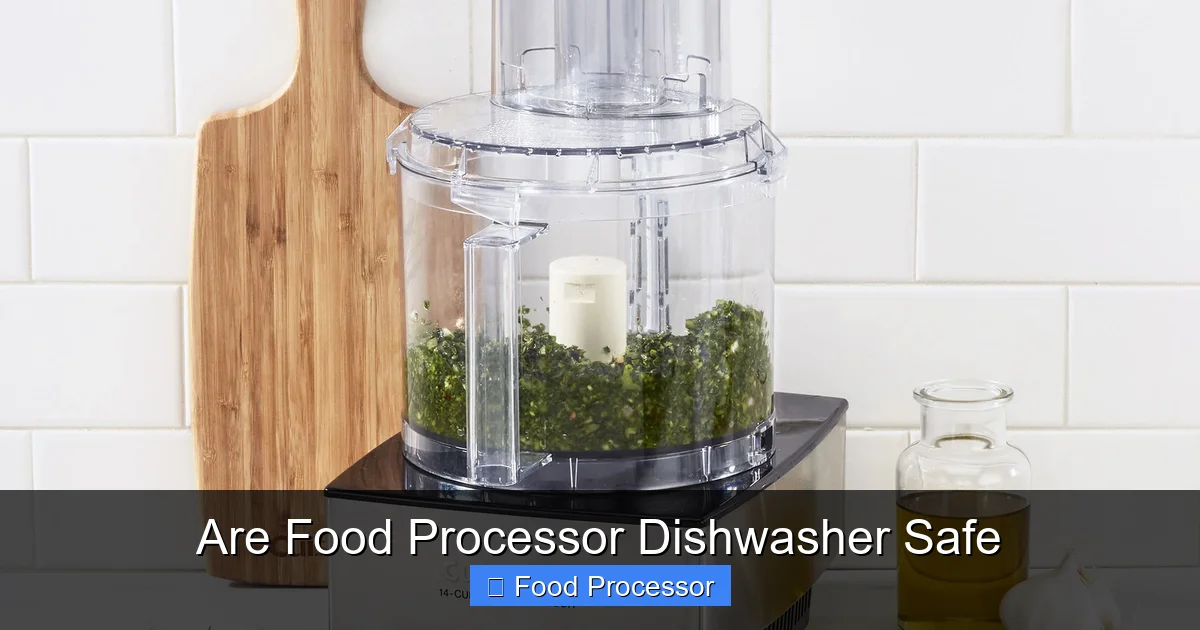
Visual guide about Are Food Processor Dishwasher Safe
Image source: cuisinart.com
Step 1: Disassemble All Removable Parts
Before washing, take your food processor completely apart. Remove the lid, work bowl, blades, and any other attachments. This ensures that water and detergent can reach all surfaces for a thorough clean. If you’re unsure how to disassemble or reassemble, this guide might help: How To Assemble Food Processor Step By Step.
Step 2: Pre-Rinse to Remove Large Food Particles
Don’t just toss heavily soiled parts into the dishwasher. Scrape off any large food chunks, sticky residue, or stubborn ingredients like dough or cheese. A quick rinse under running water will prevent these from clogging your dishwasher filter or redepositing on other dishes. This step is especially important if you’ve been processing sticky or fibrous foods.
Step 3: Load the Dishwasher Correctly
Proper loading is key to effective cleaning and preventing damage.
Place on the Top Rack:
Always place plastic food processor parts (bowls, lids, pushers) on the top rack of your dishwasher. The heating element is typically at the bottom, and the top rack experiences less intense heat, reducing the risk of warping or melting.
Secure Blades and Small Parts:
Blades should be placed in the utensil basket with the sharp edges facing down, if possible, or secured in a way that prevents them from shifting and damaging other items or themselves. Some dishwashers have dedicated slots for smaller items. Ensure small parts like pushers or caps are secure and won’t fall through the racks during the wash cycle.
Avoid Overcrowding:
Give each part enough space for water and detergent to circulate freely. Overcrowding can result in poorly cleaned items.
Step 4: Choose the Right Dishwasher Settings
Opt for Lower Heat Cycles:
If your dishwasher has a “light wash,” “eco,” or “air dry” setting, choose one of these. High heat drying cycles can still be problematic for plastic components, even if they are marked dishwasher safe. Lower temperatures are gentler and help preserve the clarity and shape of your plastic parts.
Avoid Heated Dry:
If possible, select an air-dry option or open the dishwasher door after the wash cycle to allow parts to air dry naturally. This minimizes prolonged exposure to high heat.
Step 5: Inspect and Dry Completely
Once the cycle is complete, inspect all parts for cleanliness. If any food residue remains, hand wash those areas. Allow all parts to dry completely before reassembling your food processor. Storing parts while damp can lead to unpleasant odors or mildew.
When to Hand Wash Food Processor Parts (Even if “Safe”)
While the dishwasher offers convenience, there are times when hand washing is still the preferred method, even for parts that are technically dishwasher safe. Choosing to hand wash certain components can significantly extend the life and appearance of your appliance.
Preserving Longevity and Appearance
Frequent exposure to the harsh detergents and high heat of a dishwasher can take a toll on plastic parts. Over time, plastic bowls and lids can become cloudy, scratched, or discolored, especially if you have a lower-quality appliance. Hand washing with mild soap and warm water is much gentler and helps maintain the “like-new” look of your food processor.
Maintaining Blade Sharpness
Although stainless steel blades are often dishwasher safe, some chefs and avid cooks prefer to hand wash them. The powerful jets and movement inside a dishwasher, along with abrasive detergents, can potentially dull the very sharp edges of food processor blades over time. Hand washing allows for more controlled cleaning and can help preserve blade sharpness, ensuring your food processor continues to perform optimally. For more on what makes these appliances so useful, consider reading What Are The Advantages Of A Food Processor.
Protecting Delicate Gaskets and Seals
Rubber or silicone gaskets and seals are crucial for preventing leaks. While durable, repeated exposure to high dishwasher temperatures can cause these materials to stiffen, crack, or lose their elasticity prematurely. Hand washing helps maintain their flexibility and ensures a tight seal for longer.
Dealing with Stubborn Stains or Residue
Sometimes, processed foods like tomato sauce or turmeric can leave stains on plastic parts. Or perhaps sticky dough or tough purees cling stubbornly. Hand washing allows for targeted scrubbing and soaking, which can be more effective at removing these challenging residues than a general dishwasher cycle. A baking soda paste can often help lift stubborn stains.
Step-by-Step Guide to Hand Washing Food Processor Parts
Hand washing your food processor parts is straightforward and ensures thorough cleaning while protecting your appliance.
Step 1: Disassemble and Rinse Immediately
As soon as you finish using your food processor, unplug the motor base and disassemble all removable parts. Immediately rinse the work bowl, lid, blades, and pusher under warm running water. This prevents food from drying and sticking, making cleanup much easier.
Step 2: Fill a Sink with Warm Soapy Water
Fill your sink with warm water and a few drops of mild dish soap. Use a soft sponge or a brush specifically designed for kitchenware. Avoid abrasive scrubbers, especially on plastic, as they can cause scratches.
Step 3: Wash Each Part Carefully
- Work Bowl and Lid: Use your sponge or brush to clean the inside and outside of the bowl and lid. Pay attention to crevices and around the seals.
- Blades and Discs: This is where you need to be extra careful. Hold the blade assembly by the central plastic hub, away from the sharp edges. Use a brush (a bottle brush or a dedicated blade cleaning brush works well) to clean the blades, always brushing away from your hand. Never wipe the cutting edge with your bare fingers.
- Pusher and Attachments: Clean these thoroughly, ensuring no food particles are left in any nooks.
Step 4: Rinse Thoroughly
Rinse all parts under clean, running water to remove all soap residue. Ensure water can drain freely from all components.
Step 5: Dry Completely Before Storing
Either air dry your food processor parts on a dish rack or dry them immediately with a clean kitchen towel. It’s crucial that all parts are completely dry before you reassemble and store your food processor. Moisture can lead to odors, mildew, or even rust on metal components.
Troubleshooting Common Dishwasher-Related Issues
Even with “dishwasher safe” parts, you might encounter some common issues. Here’s how to address them.
Cloudy or Scratched Plastic Parts
Problem: Your clear plastic work bowl or lid now looks hazy, cloudy, or has fine scratches.
Cause: This is often due to high heat drying cycles, abrasive detergents, or placing plastic on the bottom rack. Over time, plastic can degrade or etch, causing cloudiness.
Solution: Prevent this by always using the top rack, opting for lower heat settings or air dry, and using gentler detergents. If parts are already cloudy, unfortunately, it’s often irreversible. Consider replacing the part if it bothers you.
Rust Spots on Blades
Problem: Small orange or brown spots appear on your stainless steel blades.
Cause: While stainless steel is rust-resistant, it’s not rust-proof. This can happen if blades are left wet for too long, if hard water deposits accumulate, or if they come into contact with other rusting metal items in the dishwasher (like cast iron).
Solution: Hand wash blades and dry them immediately. If rust spots appear, you can often remove them with a paste of baking soda and water or a specialized stainless steel cleaner. Always rinse thoroughly. Ensure blades are fully dry before storage.
Warped or Melted Plastic Parts
Problem: Plastic parts have visibly deformed or melted.
Cause: Almost always caused by excessive heat, typically from being placed on the bottom rack too close to the dishwasher’s heating element during the drying cycle.
Solution: Unfortunately, warped plastic parts cannot be repaired and must be replaced. Always use the top rack for plastic components and consider air-drying.
Food Residue Remaining After Dishwasher Cycle
Problem: Parts come out of the dishwasher with dried-on food bits.
Cause: Insufficient pre-rinsing, overcrowding the dishwasher, or clogged dishwasher spray arms/filter.
Solution: Always pre-rinse food processor parts thoroughly. Ensure the dishwasher is not overloaded and that spray arms can rotate freely. Regularly check and clean your dishwasher’s filter. A manual scrub might be necessary for deeply stained areas.
Tips for Maximizing the Life of Your Food Processor
Beyond cleaning, a few other practices can ensure your food processor remains a reliable kitchen assistant for years.
- Regular, Gentle Cleaning: Whether hand washing or using the dishwasher, consistent and gentle cleaning is key. Don’t let food dry and harden on parts.
- Proper Storage: Store your food processor in a clean, dry place. Ensure all parts are completely dry before reassembling to prevent odors or mildew. Some people prefer to store blades in a designated container for safety.
- Avoid Abrasive Cleaners and Scrubbers: Harsh chemicals or abrasive sponges can scratch plastic and dull metal finishes. Stick to mild dish soap and soft cloths or brushes.
- Gentle Handling: While food processors are built to last, dropping bowls, lids, or blades can cause cracks, chips, or damage. Handle all components with care.
- Don’t Overload: When using the food processor, avoid overfilling the work bowl. Overloading can strain the motor and lead to premature wear.
- Follow Usage Guidelines: Adhere to the manufacturer’s recommendations for maximum run times and types of food processing. Ignoring these can shorten the motor’s lifespan. When considering a new appliance, understanding What To Consider When Buying A Food Processor can help you choose a model with durable, easy-to-clean parts.
Conclusion
Understanding whether your food processor is dishwasher safe is a matter of knowing your specific appliance and following best practices. While the convenience of a dishwasher is undeniable for many parts like the work bowl, lid, and blades, the golden rule remains: always consult your manufacturer’s manual. The motor base is strictly hand-wash only, and plastic components generally benefit from top-rack placement and lower heat settings to prevent damage and extend their lifespan.
By taking a few extra moments for proper disassembly, pre-rinsing, and careful loading, or by opting for hand washing when appropriate, you can keep your food processor clean, hygienic, and performing at its best for many years. A well-maintained food processor isn’t just a clean appliance; it’s a testament to smart kitchen care, ready to tackle any culinary challenge you throw its way.
