

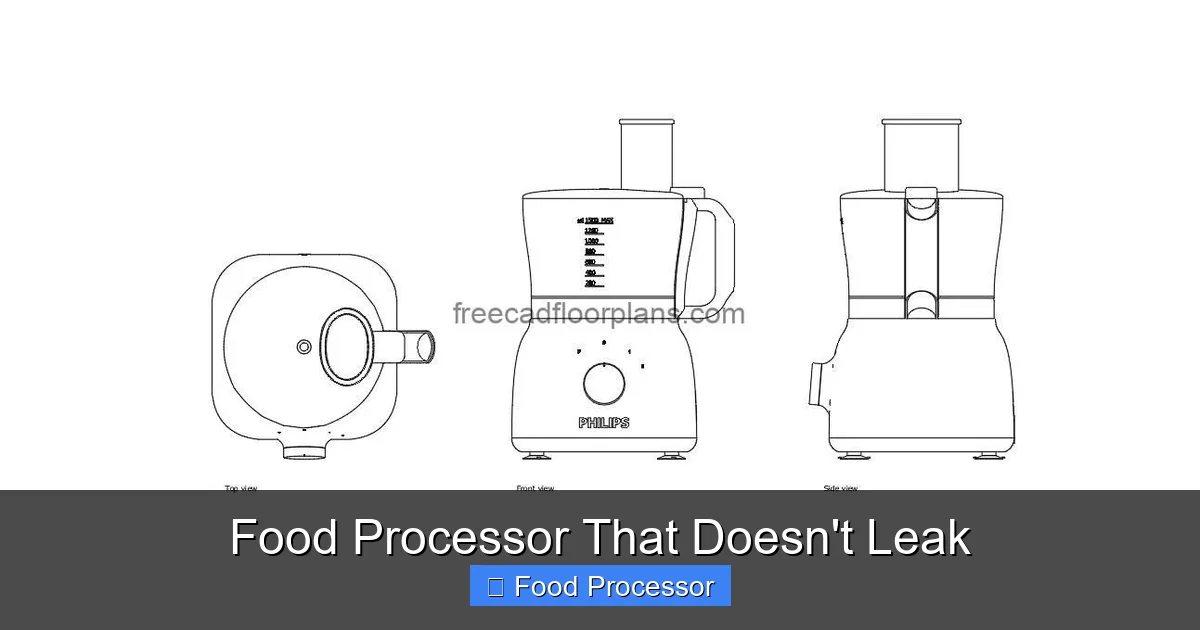
A food processor that doesn’t leak is a game-changer in the kitchen, making meal prep clean and efficient. This guide provides comprehensive steps on understanding why leaks happen, how to select a truly leak-proof model, and best practices for assembly, operation, and maintenance. You’ll learn practical tips to prevent messy spills and keep your appliance performing perfectly.
Food Processor That Doesn’t Leak
Have you ever been in the middle of preparing a delicious meal, only to find liquid seeping out from your food processor, creating a messy puddle on your counter? It’s incredibly frustrating! A leaky food processor can turn a quick prep job into a cleanup marathon. But what if you could have a food processor that doesn’t leak? Imagine a world where your purees, sauces, and doughs stay exactly where they belong – inside the bowl.
This comprehensive guide is here to help you achieve that dream. We’ll dive deep into why food processors leak, how to choose a truly leak-proof model, and the best practices for using and maintaining your appliance to keep those frustrating spills at bay. By the end of this, you’ll be a pro at preventing leaks and enjoying a cleaner, more efficient cooking experience with a reliable food processor that doesn’t leak.
Key Takeaways
- Understand Leak Causes: Leaks often stem from overfilling, improper assembly, worn seals, or damaged components. Knowing these helps prevent future issues.
- Choose Wisely: When buying, look for models with secure interlocking lids, high-quality silicone gaskets, and robust bowl designs to ensure a food processor that doesn’t leak.
- Proper Assembly is Crucial: Always ensure the bowl, blade, and lid are correctly aligned and locked into place before operation to prevent any gaps.
- Respect Fill Lines: Never exceed the “Max Fill” line, especially with liquids, to avoid pressure build-up and overflow during processing.
- Maintain Seals and Components: Regularly inspect gaskets and plastic parts for wear, cracks, or hardening. Replace them as needed to maintain a tight seal.
- Process Liquids Carefully: For thin liquids, use smaller batches and pulse settings. Consider adding some solids first to create a thicker consistency if possible.
- Troubleshoot Systematically: If a leak occurs, check for overfilling, reassemble components, inspect seals, and examine the bowl/lid for damage before deciding on repair or replacement.
Understanding Why Food Processors Leak
Before we can prevent leaks, it’s important to understand *why* they happen. It’s not always a faulty machine; sometimes it’s a simple oversight.
Common Culprits Behind Leaks
- Overfilling the Bowl: This is perhaps the most common reason. Every food processor has a “Max Fill” line. Exceeding it, especially with liquids or ingredients that expand, creates pressure that forces contents out through any available gap.
- Improper Assembly: If the bowl, blade, or lid isn’t clicked securely into place, or if the central spindle isn’t seated correctly, tiny gaps can form. These gaps become escape routes for liquids.
- Worn or Damaged Seals/Gaskets: Over time, the rubber or silicone gaskets and seals on your lid or bowl can wear out, harden, crack, or even go missing. These components are vital for creating a watertight seal.
- Cracked Bowl or Lid: Accidents happen. Dropping a component or harsh cleaning can cause hairline cracks that are barely visible but become obvious once processing liquids.
- Processing Very Thin or Hot Liquids: Some food processors struggle more with very thin liquids like broth or hot liquids (which create steam and pressure). These require extra caution and often smaller batch sizes.
Choosing a Food Processor That Doesn’t Leak
If you’re in the market for a new appliance, making the right choice upfront is key to getting a food processor that doesn’t leak. Not all models are created equal when it comes to leak prevention. When you are considering what to consider when buying a food processor, leak-proof design should be high on your list.
Look for Specific Features for Leak Prevention
- Sealed Bowl Designs: Some manufacturers design their bowls with an integrated seal or a double-sealed bottom to prevent leakage from the central spindle. Look for bowls described as “sealed” or “leak-proof.”
- Interlocking Lids with Secure Latches: A lid that locks firmly into place with strong latches or a twist-and-lock mechanism is essential. The more secure the fit, the less likely it is to leak. Look for models where you hear a definitive “click.”
- High-Quality Silicone Gaskets: Inspect the gaskets (the rubbery rings) on the lid and sometimes the blade assembly. They should be flexible, robust, and fit snugly. Silicone is generally more durable and less prone to hardening than older rubber types.
- Pour Spouts with Good Design: While a pour spout doesn’t prevent leaks during processing, a well-designed one prevents spills when you’re emptying the bowl. Look for one that doesn’t dribble.
- Matching Capacity to Needs: While tempting to go big, a food processor that’s too large for your typical tasks might not be used efficiently, and you might be tempted to under-fill liquids, which can sometimes cause splashing up. Conversely, consistently overfilling a small one guarantees leaks. Consider how to choose the right size food processor for your kitchen.
- Brand Reputation and Reviews: Brands known for durability and quality often pay more attention to detail in their sealing mechanisms. Read user reviews specifically mentioning leaks (or the lack thereof) to get real-world feedback. If a model is described as the best food processor that does not overheat, it often signals good overall build quality, including seals.
Proper Assembly for a Leak-Proof Experience
Even the best-designed food processor can leak if not put together correctly. This is a critical step that many people rush. Following the manufacturer’s instructions meticulously is vital. If you’re unsure, refresh your memory on how to assemble food processor step by step.
Step-by-Step Assembly for Leak Prevention
- Start with the Base: Place the motor base on a stable, flat surface. Ensure it’s unplugged before assembly.
- Attach the Spindle/Shaft: If your model has a detachable central spindle, make sure it’s firmly seated in the motor base.
- Place the Bowl: Carefully lower the processing bowl onto the base, aligning it with the locking mechanism. Twist or push until it clicks securely into place. You should feel it lock.
- Insert the Blade: Place the appropriate blade onto the central spindle inside the bowl. Ensure it sits all the way down. Be careful, as blades are very sharp!
- Add Ingredients: Now, add your ingredients. Remember the “Max Fill” line. For liquids, stay well below this line to account for movement and potential expansion.
- Secure the Lid: Place the lid onto the bowl, aligning the tabs or guides. Twist or push the lid until it locks firmly into place. This is where most leak prevention happens. Check that all latches are fully engaged.
- Insert the Food Pusher: Finally, insert the food pusher into the feed tube, but don’t force it down unless you are actively adding ingredients while the processor is running.
Techniques to Prevent Leaks During Use
Once your food processor is assembled, how you operate it makes a big difference in preventing leaks.
Don’t Overfill the Bowl
This cannot be stressed enough. The “Max Fill” line isn’t just a suggestion; it’s a critical safety and efficiency marker. Overfilling puts undue pressure on the seals and lid, leading to leaks, splashes, and an inefficient processing job.
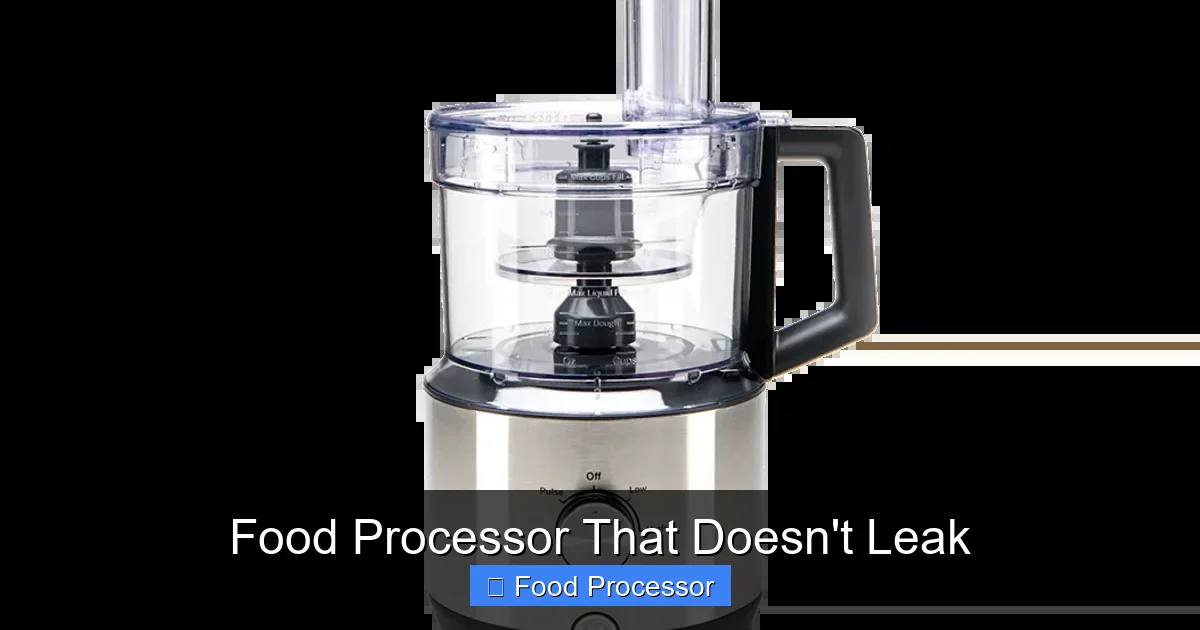
Visual guide about Food Processor That Doesn’t Leak
Image source: crdms.images.consumerreports.org
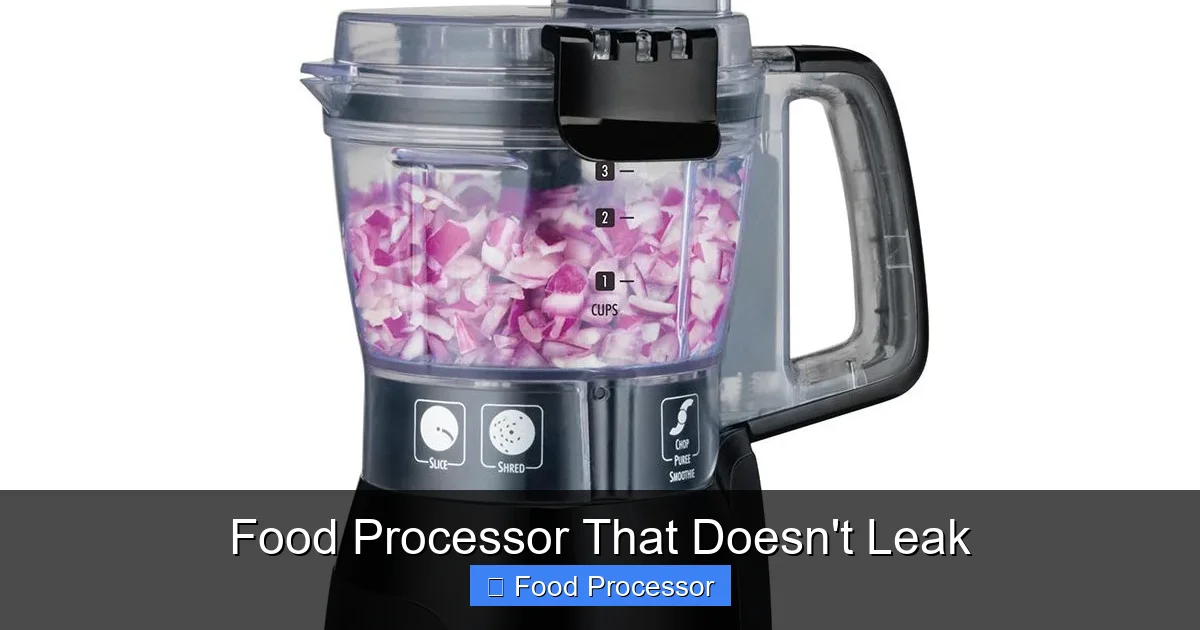
Visual guide about Food Processor That Doesn’t Leak
Image source: hamiltonbeach.com
Process Liquids Carefully
- Smaller Batches: If you’re pureeing soups or making sauces, process smaller quantities at a time. This reduces the volume of liquid sloshing around, decreasing the chance of it escaping.
- Pulse, Don’t Continuously Run: For liquids, use the “pulse” function rather than a continuous run. This gives the liquid time to settle between bursts, reducing pressure build-up.
- Consider Temperature: If processing hot liquids, allow them to cool slightly. Hot liquids create steam, which builds pressure and can force contents out. If you must process hot liquids, fill the bowl even less than the max line, and consider removing the small cap from the feed tube (if your model allows) to vent steam, covering it with a cloth.
- Add Solids First: If making a dressing or sauce, process solids first to create a thicker base before slowly incorporating liquids through the feed tube while pulsing.
Secure the Lid and Bowl
Always double-check that both the bowl and the lid are securely locked into their respective positions before turning on the food processor. Give them a gentle wiggle to ensure they aren’t loose. Many models won’t even turn on if they aren’t properly secured, but some might, leading to a mess.
Use the Correct Blade/Attachment
While not directly related to leaks, using the wrong attachment can make processing inefficient, requiring longer run times and potentially generating more heat or pressure, indirectly contributing to leak scenarios.
Maintaining Your Food Processor to Prevent Leaks
Regular care and maintenance extend the life of your appliance and, crucially, help keep it leak-free. A food processor that doesn’t leak is often a well-maintained one.
Regular Cleaning is Essential
After each use, thoroughly clean all components, especially the lid and bowl. Food particles, especially sticky or greasy ones, can build up around the seals and gaskets, compromising their ability to create a tight seal. Hand wash or use the dishwasher (if parts are dishwasher-safe) according to your manufacturer’s instructions.
Inspect Seals and Gaskets
Make it a habit to periodically inspect the rubber or silicone seals and gaskets. Look for:
- Cracks or Tears: Even tiny fissures can allow liquid to escape.
- Hardening: Gaskets should remain flexible. If they’ve become stiff or brittle, they won’t seal effectively.
- Discoloration or Degradation: Signs of wear and tear can indicate it’s time for a replacement.
If you notice any issues, search for replacement parts from the manufacturer or authorized retailers.
Handle Components with Care
Avoid dropping the bowl or lid, as this can cause invisible stress fractures that eventually turn into leaks. When washing, be gentle, especially around the locking tabs and sealing surfaces. Don’t use abrasive cleaners or harsh scrubbing pads that can scratch or damage the plastic.
Proper Storage
Store your food processor in a way that doesn’t put constant pressure on the seals. Some people store the lid inverted on the bowl, which is fine, but avoid heavy items resting on top of the assembled unit if it puts strain on the sealing components.
Troubleshooting a Leaky Food Processor
Even with the best intentions, a leak might still happen. Here’s a quick troubleshooting guide:
Is it Overfilled?
Action: Unplug the unit, carefully remove the lid, and reduce the contents to below the “Max Fill” line. Re-secure the lid and try again.
Is it Assembled Correctly?
Action: Unplug, disassemble all components, and then carefully reassemble them, ensuring each part clicks firmly into place. Pay special attention to the bowl-to-base and lid-to-bowl connections.
Are Seals Damaged or Missing?
Action: Thoroughly inspect the gasket on the lid and any seals around the blade or spindle. If they are cracked, hardened, or missing, you’ll need to order replacement parts. A missing gasket is a guaranteed leak.
Is the Bowl or Lid Cracked?
Action: Examine the bowl and lid for any visible cracks, no matter how small. If you find one, the component will need to be replaced. Sometimes cracks are on the underside of the lid or near the locking tabs, so check thoroughly.
Is the Liquid Too Thin or Hot?
Action: If you’re processing very thin or hot liquids, try cooling hot liquids down slightly. For thin liquids, try processing smaller batches or adding a small amount of solid ingredient (like a few ice cubes for smoothies) to thicken it slightly and reduce sloshing.
What to Do When You Can’t Stop the Leak
If you’ve tried all the troubleshooting steps and your food processor still leaks consistently, you have a few options:
Replace Parts
Many manufacturers offer replacement bowls, lids, and gaskets. Check your appliance’s model number and search the manufacturer’s website or authorized parts distributors. Replacing a single faulty component is often more cost-effective than buying a whole new unit, helping you maintain your food processor that doesn’t leak.
Consider a New Food Processor
If the parts are too expensive, hard to find, or if the food processor is old and exhibiting multiple issues (like the motor struggling, or if your food processor stopped working how to fix it isn’t an option), it might be time to invest in a new model. Use the tips from the “Choosing a Food Processor That Doesn’t Leak” section to make an informed purchase this time around.
Conclusion
A food processor should be a helper in the kitchen, not a source of frustration and mess. By understanding the common causes of leaks, making smart choices when purchasing, and diligently practicing proper assembly, use, and maintenance, you can ensure a clean and efficient cooking experience. Say goodbye to puddles on your counter and hello to effortless food prep with a reliable food processor that doesn’t leak. Happy cooking!
