

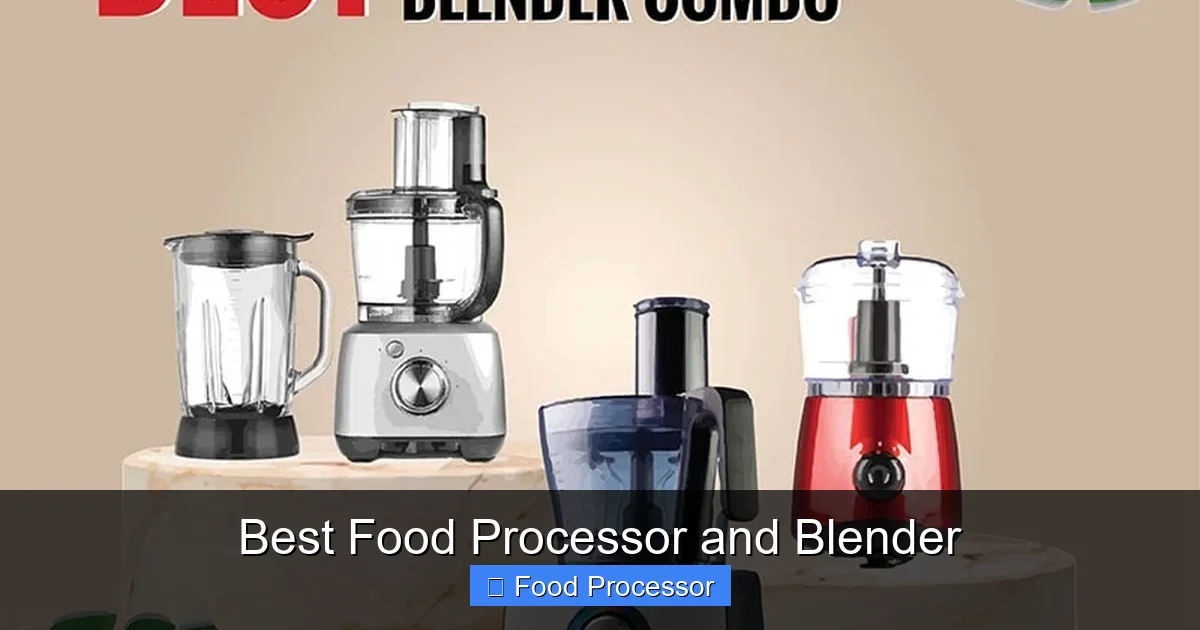
Finding the best food processor and blender can transform your kitchen experience, making meal prep faster and more enjoyable. This guide helps you understand the differences between these powerful appliances, crucial features to consider, and how to select the ideal one (or a combo unit) that fits your lifestyle and cooking habits. You’ll learn what to look for in terms of motor power, capacity, and attachments to ensure you make a smart, informed purchase.
Best Food Processor and Blender
Welcome to the ultimate guide on finding the best food processor and blender for your kitchen! In today’s fast-paced world, having the right kitchen appliances can make all the difference. Whether you’re a seasoned chef or a beginner cook, a powerful food processor and a reliable blender are indispensable tools. They can save you time, effort, and transform how you approach meal preparation.
This guide will walk you through everything you need to know. We’ll explore the unique strengths of food processors and blenders, what key features to look for, and how to choose the perfect appliance (or even a versatile combo unit!) that fits your specific needs and lifestyle. By the end, you’ll feel confident in selecting the best food processor and blender that will serve you for years to come. Let’s get started on making your kitchen a more efficient and enjoyable place!
Key Takeaways
- Understand the Core Differences: Food processors excel at chopping, slicing, shredding, and kneading, while blenders are best for pureeing, emulsifying, and liquid-based tasks like smoothies.
- Consider a Combo Unit for Versatility: For smaller kitchens or diverse needs, a food processor and blender combo unit offers the functionality of both without requiring extra space.
- Prioritize Motor Power: A powerful motor (measured in watts or horsepower) is crucial for efficiently handling tough ingredients, preventing stalls, and ensuring smooth operation for both food processors and blenders.
- Match Capacity to Your Needs: Choose a bowl or jar size that suits your typical batch sizes. Smaller capacities are great for single servings, while larger ones are ideal for family meals or meal prepping.
- Evaluate Blades and Attachments: The variety of blades and discs included determines the versatility of your appliance. Look for features like S-blades, slicing discs, shredding discs, and dough blades.
- Focus on Durability and Ease of Cleaning: Appliances made from high-quality materials will last longer, and dishwasher-safe parts will significantly simplify cleanup after use.
- Read Reviews and Set a Budget: Researching user reviews and setting a realistic budget are essential steps to finding a reliable and high-performing best food processor and blender that offers great value.
Understanding Your Needs: Food Processor vs. Blender vs. Combo
Before diving into specific features, it’s crucial to understand the fundamental differences between food processors and blenders. While they might seem similar, they are designed for distinct tasks. Knowing which appliance excels at what will guide you toward the best food processor and blender for you.
When to Use a Food Processor
A food processor is your go-to gadget for tasks that require chopping, slicing, shredding, grating, and even kneading. It uses wide, sharp blades and often various discs to handle solid or semi-solid ingredients. Think of it as your personal sous chef for prep work.
- Chopping: Onions, garlic, nuts, herbs – perfectly chopped in seconds.
- Slicing: Uniform slices of vegetables for salads, gratins, or stir-fries. Many models are the best food processor for slicing vegetables with precision.
- Shredding: Cheese, cabbage, carrots – making coleslaw or cheese for tacos a breeze.
- Kneading Dough: Some powerful food processors can even handle bread or pastry dough.
- Making Purees & Pastes: Think hummus, pesto, or curry paste.
When to Use a Blender
A blender, on the other hand, is specifically designed for blending liquids and creating smooth, uniform mixtures. Its narrow jar and typically smaller, specialized blades are perfect for drawing ingredients down into a vortex for thorough processing.
- Smoothies & Shakes: The classic use – fruits, veggies, and liquids blended into a drink. The best food processor for smoothies is actually a blender!
- Soups & Sauces: Achieving a silky-smooth texture for cream soups, sauces, or gravies.
- Pureeing: Baby food, fruit purees, or vegetable purees.
- Crushing Ice: Many blenders have dedicated ice-crushing settings.
- Emulsifying: Creating dressings, mayonnaise, or vinaigrettes.
The All-in-One Solution: Combo Units
What if you want the best of both worlds without cluttering your counter with two separate appliances? That’s where a food processor and blender combo unit shines. These versatile machines come with interchangeable bases, bowls, and jars, allowing you to switch between food processing and blending functions. This is often the ideal solution for kitchens with limited space or for those who want maximum versatility from a single appliance. To learn more about these versatile appliances, check out our guide on what is the best food processor and blender combo.
What Makes the Best Food Processor and Blender Stand Out? Key Features to Evaluate
Now that you understand the basic roles, let’s dive into the essential features that define a top-tier food processor and blender, whether you’re looking for individual units or a combo.
Motor Power: The Heart of the Machine
This is arguably the most critical factor. Motor power is measured in watts (for food processors and blenders) or horsepower (more common for blenders). A more powerful motor means your appliance can handle tougher ingredients with ease, preventing stalls and extending the life of the machine.
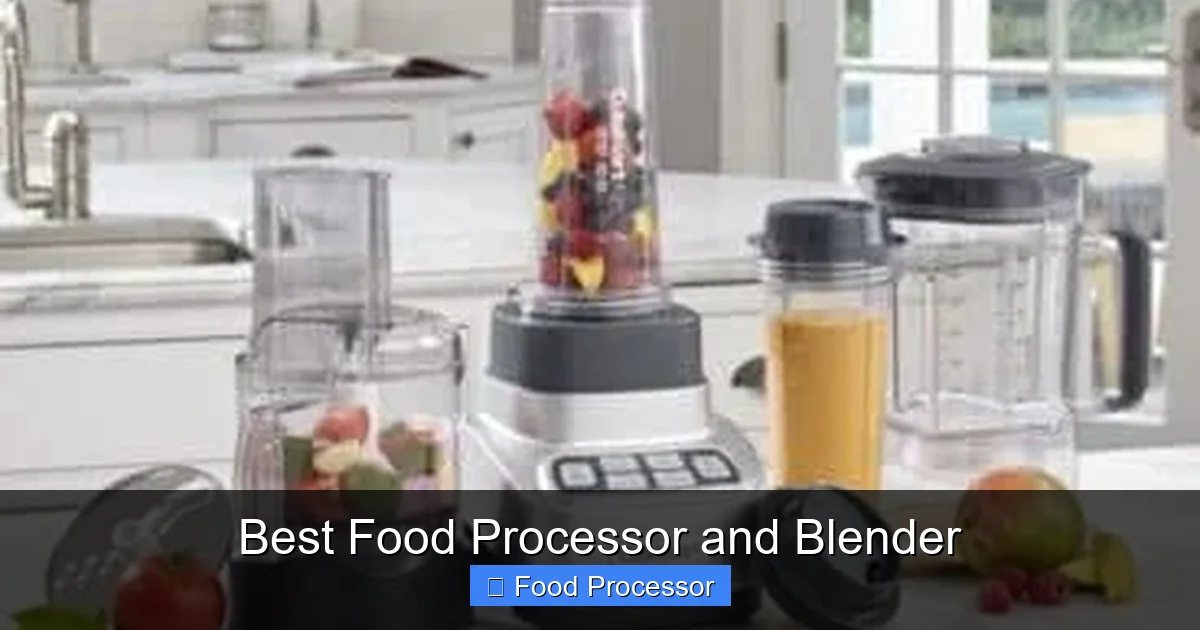
Visual guide about Best Food Processor and Blender
Image source: culinaryhill.com
- For Food Processors: Look for at least 600 watts for basic tasks, but 700-1000 watts or more is ideal for heavy-duty work like kneading dough or processing hard vegetables.
- For Blenders: For everyday smoothies and softer ingredients, 500-800 watts might suffice. For crushing ice, making nut butter, or blending fibrous greens, aim for 1000-1500 watts, or even higher for professional-grade performance.
A robust motor ensures smooth operation and consistent results, making it a key component of the best food processor and blender.
Capacity: Size Matters
Consider the typical batch sizes you’ll be preparing. Appliance capacity is usually measured in cups for food processors and ounces/liters for blenders.
- Food Processor Capacity:
- Mini (1-4 cups): Great for single servings, chopping herbs, or making small batches of dips.
- Compact (5-9 cups): Good for individuals or couples, handling most daily tasks. For those with limited counter space, a best compact food processor for small cabinets might be perfect.
- Full-size (10-14 cups+): Ideal for families, meal prepping, or entertaining large groups.
- Blender Capacity:
- Personal Blenders (10-24 oz): Perfect for single-serving smoothies on the go.
- Full-size Blenders (48-72 oz): Standard for family-sized drinks, soups, or sauces.
Blades and Attachments: Versatility is Key
The range of tasks your appliance can perform often depends on the blades and attachments included. The best food processor and blender will come with a variety of useful accessories.
- For Food Processors:
- S-Blade (Chopping Blade): Standard for chopping, pureeing, mixing, and kneading.
- Slicing Discs: Adjustable thickness is a major plus.
- Shredding Discs: Coarse and fine options are useful.
- Dough Blade: A plastic blade for kneading.
- Emulsifying Disc/Whip: For whipping cream or egg whites.
- For Blenders:
- Blade Design: Look for sturdy, sharp blades, often made of stainless steel, designed to create a powerful vortex. Some have specialized blades for crushing ice or grinding.
Speed Settings and Controls
More control means better results. The best food processor and blender offer multiple speed options.
- Pulse Function: Essential for precise chopping and preventing over-processing.
- Variable Speeds: Allows you to gradually increase speed, which is great for blending hot liquids or starting with tough ingredients.
- Pre-set Programs: Some blenders feature programs for smoothies, soups, or ice crushing, taking the guesswork out of blending.
Durability and Build Quality
You want an appliance that will last. Look for sturdy construction and quality materials.
- Motor Base: A heavy, stable base prevents wobbling, especially with powerful motors.
- Bowl/Jar Material:
- Food Processor Bowls: Typically made of durable plastic (BPA-free is important).
- Blender Jars: Glass is heavy and scratch-resistant but breakable. Tritan plastic is lightweight, durable, and shatterproof. Stainless steel is durable but opaque.
- Blades: Stainless steel is standard.
Ease of Cleaning
Nobody wants a complicated cleanup. The best food processor and blender units are designed for easy maintenance.
- Dishwasher-Safe Parts: Bowls, jars, lids, and blades that can go into the dishwasher are a huge time-saver.
- Simple Assembly/Disassembly: Fewer nooks and crannies mean less scrubbing.
- Sealed Buttons/Touchpads: Easier to wipe clean than knob controls where food can get trapped.
Noise Level
Some powerful appliances can be quite loud. While a quiet motor might add to the cost, it can be a significant comfort, especially if you live in an apartment or share your living space. Consider a best quiet food processor for apartment kitchen if noise is a concern.
Footprint and Storage
Consider the counter space available in your kitchen. If space is at a premium, a combo unit or a compact model might be the best food processor and blender for you.
- Dimensions: Check the appliance’s height, width, and depth.
- Cord Storage: Some models offer clever cord wraps to keep things tidy.
- Accessory Storage: Built-in storage for blades and discs is a bonus.
Making Your Choice: Finding the Perfect Fit
With so many options available, how do you narrow down your search for the best food processor and blender? Here are some steps to guide your decision.
Consider Your Lifestyle and Cooking Habits
Are you a daily smoothie drinker? Do you bake bread every week? Or do you just need something for occasional chopping? Your usage frequency and specific tasks will heavily influence your choice.
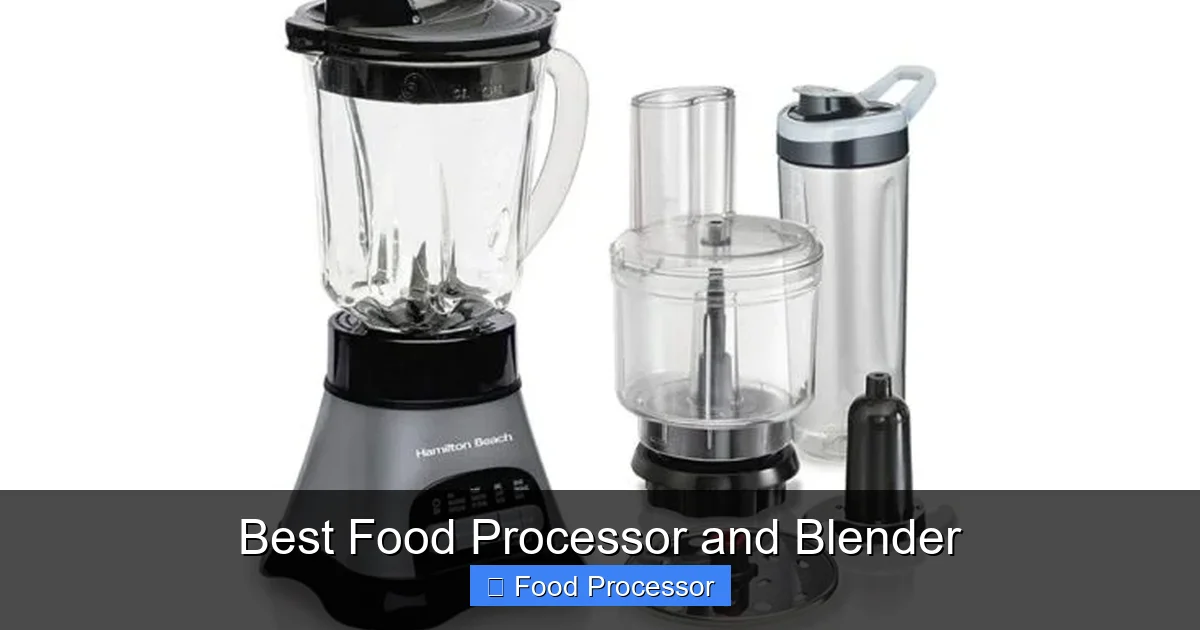
Visual guide about Best Food Processor and Blender
Image source: culinaryhill.com
- Occasional Use: A basic, mid-range food processor and blender, or a simple combo unit, will likely suffice.
- Frequent Use/Diverse Cooking: Invest in a more powerful, feature-rich model with various attachments.
- Specific Needs: If you only ever make smoothies, a dedicated high-performance blender might be better. If you only chop veggies, a quality food processor is key.
Budgeting Smart
Prices for food processors and blenders can range widely. Set a realistic budget before you start shopping.
- Entry-level (<$100): Basic functionality, good for light use.
- Mid-range ($100-$300): Good balance of power, features, and durability. Many of the best food processor and blender options fall into this category.
- High-end ($300+): Professional-grade power, advanced features, superior durability, and often extended warranties.
Remember that investing a bit more upfront can often lead to a more durable and satisfying appliance in the long run.
Reading Reviews and Ratings
Don’t underestimate the power of user reviews! They offer real-world insights into an appliance’s performance, durability, and common quirks. Look for consistent feedback on motor power, ease of cleaning, noise, and overall satisfaction. Focus on reviews from verified purchasers on reputable retail sites.
Brand Reputation and Warranty
Established brands often offer better customer support and more reliable products. Look for brands known for kitchen appliances. A good warranty (typically 1-5 years for parts and labor, sometimes longer for the motor) indicates the manufacturer stands behind their product. This gives you peace of mind that your best food processor and blender will be supported if issues arise.
Tips for Optimal Use and Maintenance
Once you’ve brought home the best food processor and blender, a few tips will help you get the most out of it and ensure its longevity.
Prepare Your Ingredients
Before you start processing or blending, cut larger ingredients into manageable pieces. This helps the blades work more efficiently and reduces strain on the motor. For instance, chopping hard vegetables or frozen fruit into smaller chunks is always a good idea.
Don’t Overfill
Always respect the maximum fill lines marked on the bowl or jar. Overfilling can lead to inefficient processing, spills, and excessive strain on the motor, potentially causing it to overheat. Speaking of which, choosing a best food processor that does not overheat is key for longevity.
Use the Pulse Function Wisely
Especially for food processors, the pulse function is your best friend. It gives you greater control over consistency, preventing you from over-processing ingredients into a mush. A few short pulses are often better than continuous blending.
Clean Immediately After Use
Food residue can dry and harden, making cleanup much more difficult. Rinse the bowl/jar, lid, and blades immediately after use. If parts are dishwasher safe, put them in quickly. For handwashing, use warm soapy water. Be careful with sharp blades!
Proper Storage
Store your appliance and its attachments neatly. Ensure blades are securely stored to prevent accidents. Keeping everything organized makes it easier to use your best food processor and blender whenever you need it.
Troubleshooting Common Issues
- Appliance Not Turning On: Check if it’s properly assembled (most have safety interlocks) and plugged in.
- Motor Stalling: This usually means the motor is overloaded. Reduce the quantity of ingredients or cut them into smaller pieces.
- Uneven Processing: Ensure ingredients are evenly distributed, and use the pulse function to redistribute them. Add a small amount of liquid to blenders if ingredients are sticking.
- Leaking: Check that the lid is securely fastened and any gaskets or seals are properly in place and not damaged.
Conclusion
Congratulations! You’re now well-equipped to choose the best food processor and blender for your culinary adventures. By understanding the core functions, evaluating key features like motor power and capacity, and considering your own cooking style, you can make a confident decision.
Remember, the goal is to find an appliance that simplifies your life in the kitchen, not complicates it. Whether you opt for a dedicated food processor, a powerful blender, or a versatile combo unit, the right choice will empower you to chop, slice, blend, and create delicious meals with ease. Happy cooking and blending!
