

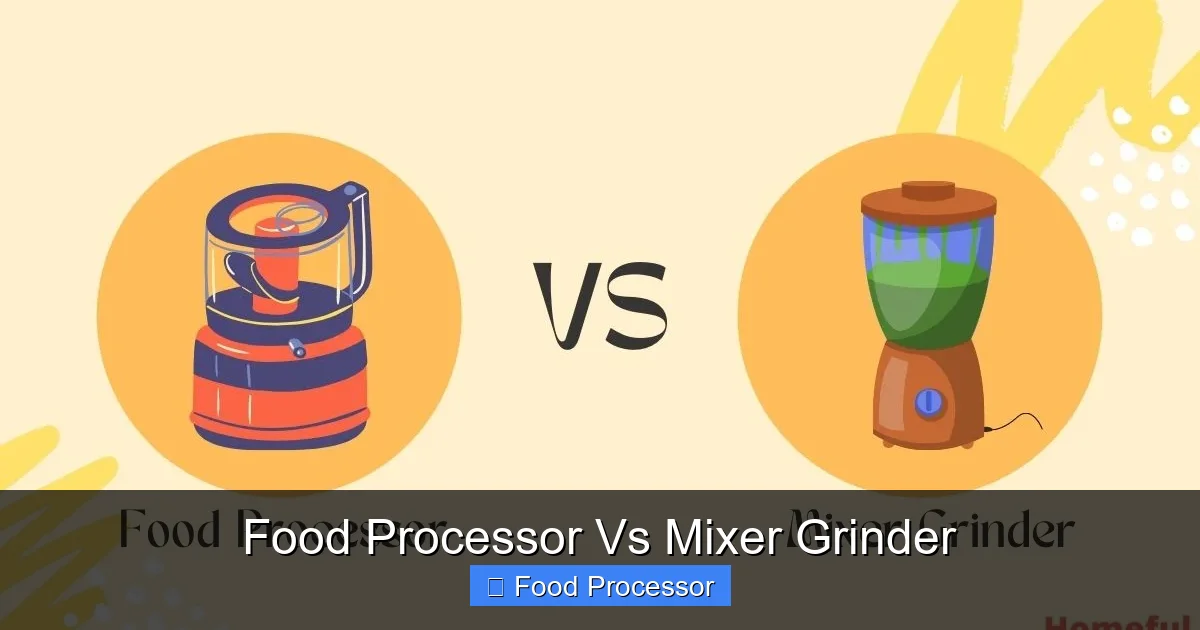
Deciding between a food processor and a mixer grinder can be tricky, as both offer powerful assistance in the kitchen. A food processor excels at bulk prep tasks like chopping, slicing, shredding, and dough kneading, while a mixer grinder is king for wet and dry grinding, blending, and making pastes, especially popular in Indian cuisine. Your ideal choice depends heavily on your most frequent cooking tasks and culinary preferences.
Stepping into the world of kitchen appliances can feel a bit like navigating a maze. There are so many gadgets promising to make your life easier! Among the most popular and often confused are the food processor and the mixer grinder. Both are powerful tools, but they shine in very different ways. You might be wondering, “Do I need both? Which one is right for my kitchen?”
You’re in the right place! This comprehensive guide will walk you through everything you need to know about a food processor vs mixer grinder. We’ll break down their functions, explore their unique features, and help you understand when to use each one. By the end, you’ll be able to confidently choose the perfect appliance to supercharge your cooking.
Let’s dive in and demystify these kitchen workhorses!
Key Takeaways
- Primary Functions Differ: Food processors are designed for a wide range of food preparation tasks like chopping, slicing, shredding, and kneading dough, whereas mixer grinders specialize in wet grinding, dry grinding, and blending.
- Blade and Jar Specialization: Food processors typically use a versatile S-blade and various discs in a single large work bowl. Mixer grinders come with multiple jars, each fitted with specific blades for different grinding and blending consistencies.
- Cuisine Compatibility: A food processor is a general-purpose tool ideal for Western-style cooking, baking, and large-batch meal prep. A mixer grinder is often indispensable in Indian kitchens for making chutneys, batters, and spice powders.
- Wet Grinding vs. Dry Grinding: Mixer grinders are superior for fine wet grinding (e.g., idli/dosa batter) and powerful dry grinding (spices, grains). While food processors can handle some light grinding, they aren’t designed for the same intensity or fineness.
- Dough Kneading Capability: Many food processors include a dough blade, making them excellent for kneading bread or pizza dough quickly. Mixer grinders generally do not have this function.
- Consider Your Needs: The “better” appliance depends entirely on your cooking habits. If you often chop vegetables, shred cheese, or bake, a food processor is valuable. If you frequently make batters, grind spices, or blend smoothies, a mixer grinder is more suitable.
- Versatility vs. Specialization: Food processors offer broader versatility across many prep tasks. Mixer grinders provide specialized, high-performance grinding and blending, often with more robust motors for tougher jobs.
Understanding the Food Processor
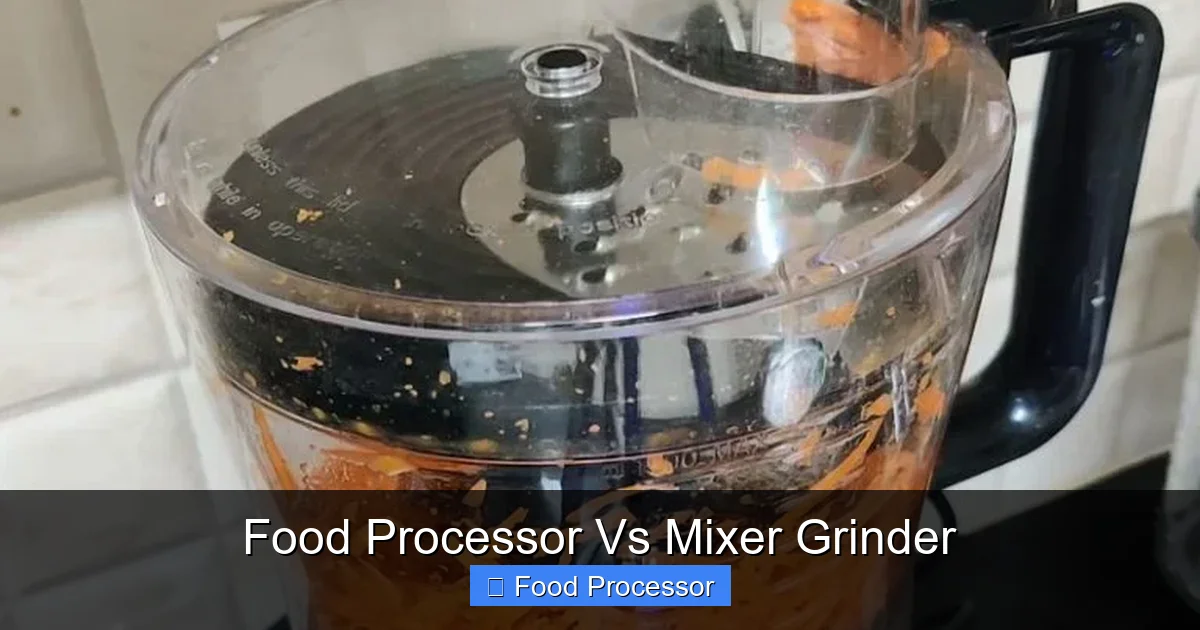
A food processor is a versatile kitchen appliance designed to automate many repetitive tasks in food preparation. Think of it as your extra set of hands for chopping, slicing, shredding, and more. It typically features a powerful motor base, a large work bowl, and an S-shaped blade, along with various attachments like slicing and shredding discs.
What a Food Processor Excels At
Food processors are champions of efficiency for a wide range of tasks:
- Chopping: Quickly chop vegetables like onions, carrots, and celery for soups, stir-fries, or salsas. It’s much faster and more consistent than hand-chopping.
- Slicing: With different slicing discs, you can achieve perfect, even slices of vegetables for gratins, salads, or even homemade potato chips.
- Shredding: Transform blocks of cheese or vegetables like cabbage and carrots into shredded goodness in seconds. This is especially useful if you want to use a food processor to shred cabbage for coleslaw or shred cheese for tacos.
- Pureeing: Create smooth purees for sauces, baby food, hummus, or creamy soups.
- Kneading Dough: Many food processors come with a dedicated dough blade, making them fantastic for quickly kneading bread dough, pizza dough, or pie crusts.
- Emulsifying: Make your own mayonnaise, vinaigrettes, or dressings.
- Grinding (Limited): While not its primary strength, a food processor can handle light grinding tasks like making breadcrumbs from stale bread or coarse grinding nuts. However, for fine dry spices or very tough ingredients, it usually falls short compared to a mixer grinder. Some larger, more powerful food processors might be able to act as a meat grinder for small batches of raw meat.
Key Components of a Food Processor
- Motor Base: The powerful heart of the appliance, housing the motor that drives the blades and discs.
- Work Bowl: A large, clear bowl that locks onto the base, holding the food you’re processing. Sizes vary, so knowing how to choose the right size food processor is crucial.
- S-Blade (Chopping Blade): The most common blade, it’s shaped like an “S” and is used for chopping, mincing, pureeing, and mixing.
- Dough Blade: A plastic blade designed to mix and knead dough without overworking it.
- Slicing and Shredding Discs: Flat, round discs with sharp edges that fit at the top of the work bowl to slice or shred ingredients evenly.
- Pusher/Feed Tube: A tube on the lid that allows you to add ingredients while the processor is running, often with a plunger to push food down towards the blades.
Understanding the Mixer Grinder
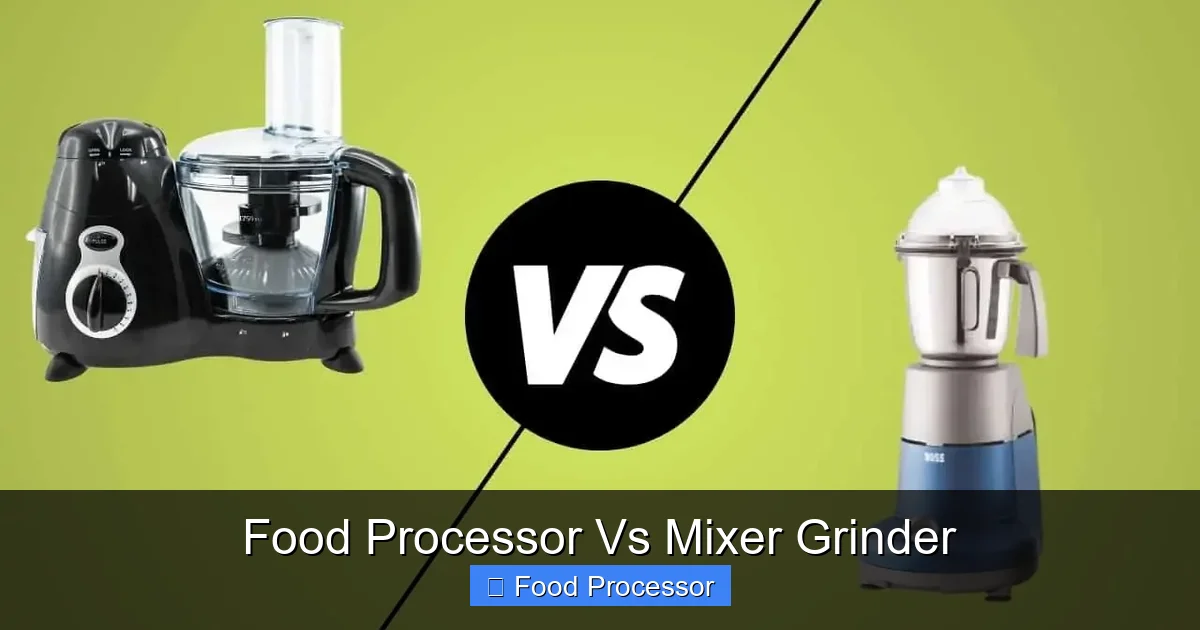
The mixer grinder, often simply called a “mixie,” is a staple in many kitchens, particularly in India and other South Asian countries. It’s a robust appliance designed specifically for grinding, blending, and mixing ingredients, often focusing on tasks common in these cuisines. Unlike a food processor’s single work bowl, a mixer grinder comes with several interchangeable jars, each with specialized blades for different tasks.
Visual guide about Food Processor Vs Mixer Grinder
Image source: honestgrinders.com
What a Mixer Grinder Excels At
Mixer grinders are masters of precision and power when it comes to:
- Wet Grinding: This is where a mixer grinder truly shines. It can grind soaked lentils and rice into smooth batters for idli, dosa, or vadas. It achieves a fineness and consistency that a food processor often can’t match.
- Dry Grinding: Powerfully grinds whole spices (like turmeric, cumin, coriander) into fine powders, coffee beans, or nuts. Its sturdy blades and high-speed motor are built for this.
- Making Pastes: Create smooth ginger-garlic paste, onion paste, or curry pastes quickly and efficiently.
- Blending: Perfect for making smoothies, milkshakes, juices, and purees. The liquid-tight jars are ideal for these tasks.
- Chutneys: The smaller jars are specifically designed to make fresh, flavorful chutneys with a coarse or fine consistency.
Key Components of a Mixer Grinder
- Motor Base: Similar to a food processor, this houses the powerful motor, often with multiple speed settings and a pulse function.
- Multiple Jars: This is a key differentiator. A typical mixer grinder includes:
- Small Chutney Jar: For grinding small quantities of spices, herbs, and making chutneys.
- Medium Dry/Wet Grinding Jar: A multi-purpose jar for grinding dry spices, making pastes, or small wet grinding tasks.
- Large Blending/Liquidizing Jar: The biggest jar, ideal for making smoothies, milkshakes, or larger quantities of batters.
- Specialized Blades: Each jar comes with blades designed for its specific purpose. Wet grinding blades might be slightly different from dry grinding blades, ensuring optimal results.
- Lids with Gaskets: Essential for preventing spills, especially during liquid blending or wet grinding.
Core Differences: Food Processor vs Mixer Grinder
Now that we’ve looked at each appliance individually, let’s directly compare their features and functions to highlight the main differences between them.
Visual guide about Food Processor Vs Mixer Grinder
Image source: everythingbetter.in
Functionality and Task Specialization
The biggest distinction lies in what they are best suited to do.
- Chopping, Slicing, Shredding: The food processor is the undisputed champion here. Its large work bowl and array of discs make quick work of these tasks, ideal for preparing salads, gratins, or large batches of chopped vegetables for stir-fries. A mixer grinder can’t slice or shred. While its smallest jar might chop very small amounts of ingredients, it won’t achieve the consistency or volume of a food processor.
- Grinding (Wet & Dry): The mixer grinder is specifically engineered for grinding. Its powerful motor and robust blades in specialized jars handle everything from tough whole spices to soaked lentils for smooth batters. Food processors can do some light grinding (like breadcrumbs or nuts), but they often struggle with achieving a very fine powder or smooth, delicate wet batters. For truly fine grinding, especially in larger quantities, the mixer grinder is superior.
- Blending: Both can blend liquids. The mixer grinder, with its sealed, liquid-tight jars, is often better for smoothies, milkshakes, and soups, especially if you need a very smooth consistency without splashes. A food processor can blend liquids in its work bowl, but sometimes the results can be less smooth, and care must be taken not to overfill due to the wider opening.
- Dough Kneading: This is a clear win for many food processors, which come with a dedicated dough blade. You can add flour, water, and other ingredients, and the food processor will knead your dough in minutes, saving significant manual effort. Mixer grinders do not have this capability.
- Pureeing: Both can puree. A food processor excels at pureeing larger quantities of solid foods (like roasted vegetables for soup base). A mixer grinder is great for pureeing smaller amounts, especially if liquid is involved (like fruit purees or tomato puree for curries).
Design and Components
The physical design also reflects their intended uses.
- Work Bowl vs. Multiple Jars: A food processor has one main work bowl (though some may include smaller “mini-bowls”). A mixer grinder typically comes with 2-4 separate jars of varying sizes. This means you might need to swap jars more often with a mixer grinder, but each jar is optimized for specific tasks.
- Blade Types: Food processors use an S-blade for most chopping/pureeing and then flat discs for slicing/shredding. Mixer grinders have different blade designs within each jar, optimized for wet grinding, dry grinding, or blending. These blades are often more robust and sharper for grinding hard ingredients.
- Motor Speed and Power: While both have powerful motors, mixer grinders often prioritize high RPM (revolutions per minute) for efficient grinding, which is essential for breaking down tough ingredients into fine powders or smooth pastes. Food processors might have slightly lower RPMs but greater torque for tasks like kneading dough or processing large, dense quantities of food.
Choosing the Right Appliance for Your Kitchen
The ultimate decision comes down to your personal cooking style, dietary needs, and the types of dishes you prepare most often.
Consider Your Cooking Style and Cuisine
- For General Meal Prep and Baking: If you frequently chop vegetables for salads or stir-fries, shred cheese, make salsas, or bake and need to knead dough, a food processor will be an invaluable asset. It’s fantastic for speeding up daily meal prep and handling larger batches. If you’re wondering, what is the difference between a food processor and a mixer, this distinction in their primary functions is key.
- For Indian, South Asian, or Spice-Heavy Cuisines: If your cooking involves making fresh spice powders, grinding soaked lentils for batters (idli, dosa), making ginger-garlic pastes, or preparing various chutneys, a mixer grinder is absolutely essential. It handles these specialized grinding tasks with unparalleled efficiency and precision.
- For Smoothies and Blending Drinks: Both can blend. However, if daily smoothies or milkshakes are a priority, a mixer grinder (specifically its liquidizing jar) or a dedicated blender might offer a better, more leak-proof experience.
Space and Budget Considerations
- Space: Both appliances take up counter space. A food processor is typically one unit with interchangeable discs. A mixer grinder has a base and multiple jars, which need storage space. Consider how much storage you have.
- Budget: Prices vary widely for both. Generally, a good quality food processor might be a slightly larger investment initially due to its multiple attachments. However, high-end mixer grinders can also be quite pricey.
Do You Need Both?
For many avid home cooks, especially those who enjoy a diverse range of cuisines, owning both a food processor and a mixer grinder can be incredibly beneficial. They complement each other beautifully, covering almost all food preparation tasks you might encounter.
- Use the food processor for: chopping a large batch of vegetables for a week’s meals, slicing potatoes for a gratin, shredding cabbage for coleslaw, or kneading bread dough.
- Use the mixer grinder for: grinding fresh spices for a curry, making a smooth idli batter, whipping up a quick smoothie, or blending a potent ginger-garlic paste.
If you’re just starting out or have limited space, think about your most frequent cooking needs. What tasks do you dread the most? What do you wish you could do faster or more efficiently? Answering these questions will guide your decision on what to consider when buying a food processor or mixer grinder.
Practical Tips for Optimal Use
No matter which appliance you choose, a few tips will help you get the most out of it:
1. Always Read the Manual
This might seem obvious, but every appliance has its quirks. The manual will tell you about specific blade attachments, speed settings, maximum capacities, and safety precautions unique to your model. It’s your best friend for understanding how to assemble your food processor step by step or use your mixer grinder’s various jars.
2. Don’t Overload
Resist the temptation to stuff the bowl or jar to the brim. Overloading can strain the motor, lead to uneven processing, and even damage the appliance. Process in batches if necessary.
3. Use the Pulse Function
Both food processors and mixer grinders often have a pulse button. This is incredibly useful for achieving precise control over consistency. Use short bursts when chopping vegetables in a food processor to avoid over-processing, or when grinding spices in a mixer grinder to prevent overheating.
4. Clean Promptly
Food particles can dry and become difficult to remove. Clean the work bowl/jars and blades immediately after use. Most removable parts are dishwasher safe, but always check your manual.
5. Safety First
Blades are extremely sharp. Always handle them with care. Ensure the lid is securely locked in place before operating either appliance. Never put your hands inside the bowl or jar while the appliance is plugged in.
Conclusion
The choice between a food processor and a mixer grinder isn’t about which one is inherently “better,” but rather which one is better for you. Both are incredible time-savers and can transform your cooking experience, but they serve different primary purposes.
A food processor is your all-rounder for general food prep – excellent for chopping, slicing, shredding, pureeing, and dough kneading. It’s a fantastic choice for anyone who bakes, makes salads often, or prepares large quantities of ingredients.
A mixer grinder is your specialist for precision grinding and blending – indispensable for making smooth batters, fine spice powders, and perfect pastes, especially if your cuisine leans towards Indian or South Asian flavors.
By understanding their unique strengths and considering your personal cooking habits, you can make an informed decision. Perhaps you’ll find, like many home cooks, that having both appliances side-by-side offers the ultimate kitchen convenience!
