

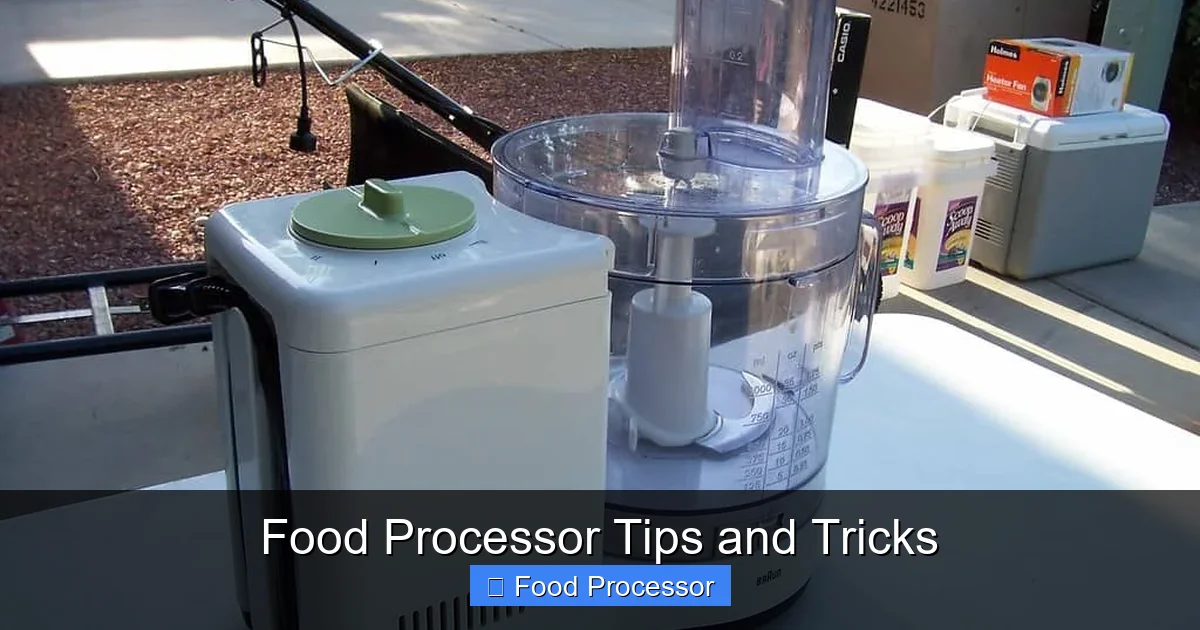
Mastering your food processor transforms kitchen tasks, making everything from meal prep to gourmet dishes faster and easier. This guide provides essential food processor tips and tricks, covering everything from understanding its various parts and blades to mastering basic and advanced techniques like pulsing for perfect texture or achieving smooth purees. Learn crucial safety measures, clever ingredient prep, and how to troubleshoot common issues, ensuring you get the most out of this versatile appliance for consistently excellent culinary results.
Food Processor Tips and Tricks
A food processor is an absolute game-changer in any kitchen. It can save you tons of time and effort on tasks that would otherwise be tedious and messy. From finely mincing garlic to whipping up perfect dough, its versatility is unmatched. However, getting the most out of this incredible appliance isn’t always intuitive. Many people just use it for basic chopping, completely missing out on its full potential.
If you want to move beyond simple chopping and truly master your kitchen gadget, you’re in the right place. This comprehensive guide will walk you through essential food processor tips and tricks. We’ll cover everything from understanding its parts and mastering basic techniques to advanced hacks and troubleshooting common issues. By the end, you’ll be a food processor pro, ready to tackle any recipe with confidence and ease!
Key Takeaways
- Know Your Blades: Understand the different blades and discs your food processor comes with to select the correct one for chopping, slicing, shredding, or kneading.
- Master the Pulse Button: The pulse function is your best friend for precise control, preventing over-processing and ensuring you achieve the perfect texture for your ingredients.
- Proper Ingredient Preparation is Key: Cut ingredients into uniform, manageable sizes and consider their temperature (e.g., chilling cheese) for optimal and even processing results.
- Never Overfill the Bowl: Process ingredients in batches to avoid straining the motor, ensure consistent results, and prevent spills or uneven processing.
- Clean Immediately After Use: Disassemble your food processor components right after use and wash them promptly to prevent food residue from drying and becoming difficult to remove.
- Prioritize Safety: Always ensure the food processor is correctly assembled and the lid is securely locked before operating. Keep your hands clear of moving blades, especially during assembly and disassembly.
- Explore Its Versatility: Don’t limit your food processor to just chopping. Experiment with making dough, nut butters, purees, and even shredding cooked meats to fully leverage its capabilities.
1. Getting Started: Understanding Your Food Processor
Before you even think about processing food, it’s crucial to know your appliance inside and out. Understanding its components and how they work together is the first step to becoming a food processor whiz.
Familiarize Yourself with the Parts
Most food processors have a few key parts:
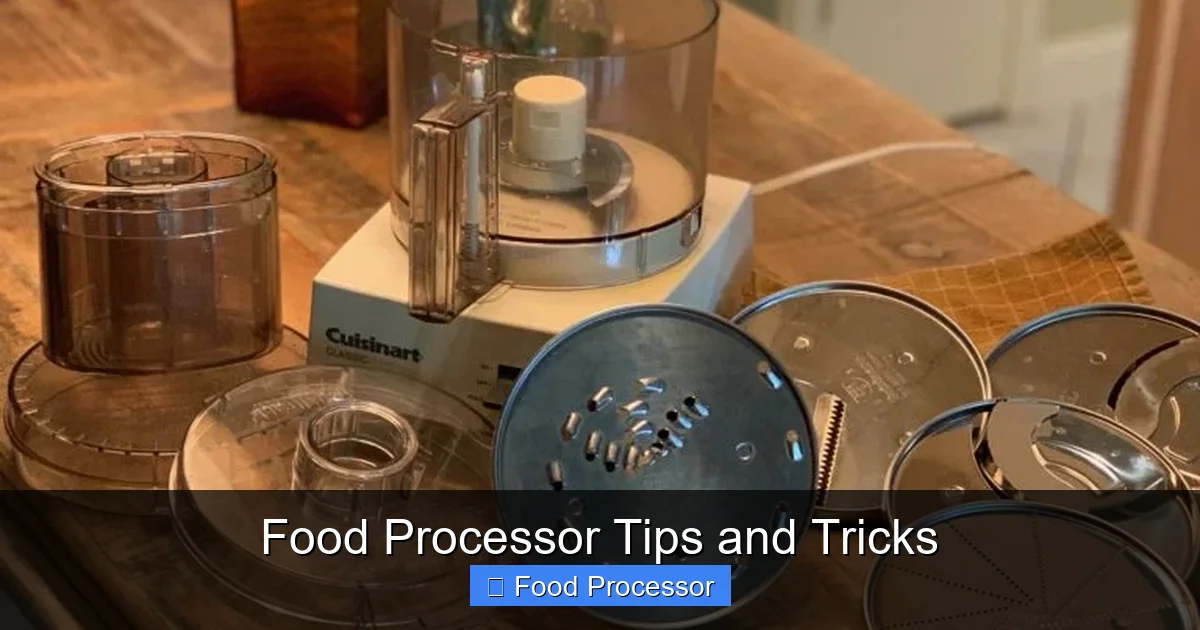
- Motor Base: This is the heavy bottom part that houses the motor. It provides the power.
- Work Bowl: This clear bowl sits on top of the motor base and holds your ingredients.
- Lid: The lid covers the work bowl and typically has a feed tube for adding ingredients while the machine is running. It also has a safety lock mechanism.
- Pusher (Food Pusher): This fits into the feed tube and helps you push ingredients down towards the blades safely.
- Blades and Discs: These are the magic makers! Your food processor likely came with several different attachments.
Know Your Blades and Discs
This is where the real power of the food processor lies. Each attachment is designed for a specific task:
- S-Blade (Universal Blade): This is the most common blade, often made of stainless steel. It’s used for chopping, mincing, pureeing, mixing, and kneading dough. It sits at the bottom of the work bowl.
- Shredding Disc: This disc has sharp holes and is used for grating cheese, shredding cabbage for coleslaw, or preparing vegetables for salads. It sits on a spindle, closer to the lid.
- Slicing Disc: Designed for uniform slices of vegetables like cucumbers, potatoes, or carrots. It also sits on a spindle and often comes in various thicknesses.
- Dough Blade (Plastic Blade): Some food processors include a specialized plastic blade that’s gentler than the S-blade, perfect for kneading bread or pastry dough without overworking it.
Always refer to your owner’s manual to understand what each blade and disc does and how to attach it safely. If you’re new to your appliance, learning how to assemble a food processor step-by-step will ensure you get started on the right foot.
Safety First, Always!
Food processor blades are incredibly sharp. Here are crucial safety food processor tips:
- Always ensure the machine is unplugged when assembling, disassembling, or cleaning.
- Never reach into the work bowl when the blade is installed, even if the machine is off.
- Always use the food pusher, not your hands, to guide food into the feed tube.
- Make sure the work bowl and lid are securely locked in place before turning on the food processor.
2. The Power of Pulsing: Mastering Control
If there’s one technique you absolutely must master, it’s pulsing. It’s one of the most important food processor tips you’ll ever get.
Visual guide about Food Processor Tips and Tricks
Image source: kitchendust.com
What is Pulsing?
Pulsing means giving the food processor short, quick bursts of power by repeatedly pressing and releasing the “Pulse” button (or turning the dial on and off quickly). Instead of a continuous run, you get precise control over how much the ingredients are processed.
Why is Pulsing So Important?
- Prevents Over-Processing: A continuous run can quickly turn your chunky salsa into a watery puree. Pulsing lets you check the texture as you go, stopping exactly when it’s perfect.
- Even Chopping: Ingredients at the bottom tend to process faster. Pulsing allows contents to settle and redistribute between bursts, leading to more uniform results.
- Controlled Texture: Whether you want a coarse chop, a fine mince, or a crumbly mixture, pulsing helps you achieve it without going too far.
Practical Pulsing Examples:
- Onions and Garlic: Pulse in short bursts until they reach your desired fineness. This prevents them from becoming mushy.
- Nuts: Pulse for coarse chopping or continue pulsing for a finer grind or even nut butter.
- Herbs: For fresh herbs, pulse just a few times to chop without bruising them or turning them into a paste.
- Breadcrumbs: Tear bread into pieces, then pulse until you have even crumbs.
3. Prepping Ingredients for Perfection
Even the best food processor needs a little help from you to perform its best. Proper ingredient preparation is a key food processor tip for consistent results.
Visual guide about Food Processor Tips and Tricks
Image source: foodequipment.com.au
Size Matters for Even Processing
For uniform chopping, slicing, or shredding, your ingredients need to be roughly the same size and shape before they go into the food processor. If you put in a whole onion and a tiny garlic clove together, the garlic will be liquid before the onion is even chopped.
- For Chopping: Cut larger items (like carrots or bell peppers) into 1-inch chunks.
- For Slicing/Shredding Discs: Cut ingredients to fit snugly but easily into the feed tube. Long, thin vegetables like carrots or cucumbers should be cut to fit horizontally.
Consider Ingredient Temperature
Temperature can significantly impact how certain foods process:
- Chilled Ingredients: Cold, firm ingredients work best for shredding and slicing. Chill cheese, butter, or firm vegetables for at least 30 minutes before processing. This prevents them from becoming gummy or mushy.
- Room Temperature Ingredients: For things like hummus or pesto, room temperature ingredients blend more smoothly and emulsify better.
- Frozen Foods: Most food processors aren’t designed to process very hard frozen foods directly from the freezer. They can strain the motor or damage blades. Thaw slightly or use a blender for very hard frozen items.
Don’t Overload the Bowl
It’s tempting to stuff the work bowl full to save time, but this is a common mistake. Overloading leads to:
- Uneven Processing: Ingredients at the bottom get pureed while those on top remain chunky.
- Motor Strain: It forces your motor to work harder, potentially shortening its lifespan or causing it to overheat.
- Poor Results: The blades won’t have enough space to circulate ingredients effectively.
Always process in batches if you have a large quantity of ingredients. Most food processor bowls have a maximum fill line – pay attention to it!
4. Essential Techniques for Diverse Tasks
Your food processor can do so much more than just chop! Let’s dive into some specific techniques.
Chopping & Mincing
This is the most common use. Use the S-blade.
- For Coarse Chop: Use 5-10 quick pulses.
- For Fine Mince: Use 15-20 pulses, or a few more if needed, until finely minced but not pureed.
- Adding Liquids: For very fine mincing (like garlic or ginger) or to prevent delicate herbs from sticking, add a tablespoon or two of liquid (water, oil, or broth) through the feed tube while pulsing. This helps circulate ingredients and achieve a smoother consistency. When dealing with a variety of produce, it’s good to know that the best food processor for soft and hard vegetables will handle these tasks with ease.
Shredding & Slicing
Swap the S-blade for the shredding or slicing disc.
- Assembly: Place the disc onto the spindle, then secure the lid.
- Feed Tube: Place ingredients into the feed tube. For slicing, ensure they stand upright for round slices or lay them on their side for crescent shapes.
- Pusher: Use the food pusher to gently guide ingredients through. Don’t force them, as this can strain the motor or cause uneven results.
- Examples: Shredding cheese, cabbage for coleslaw, carrots for salads, slicing potatoes for gratins, or cucumbers for sandwiches. You can even use your food processor to shred cooked chicken for tacos or casseroles with ease.
Pureeing & Blending
Use the S-blade for smooth results.
- Continuous Processing: Unlike chopping, pureeing usually requires a continuous run until smooth.
- Adding Liquids: For super smooth purees (soups, sauces, baby food, hummus), add liquids like broth, water, or oil through the feed tube while the machine is running. Start with a small amount and add more until you reach your desired consistency.
- Scrape Down Sides: Periodically stop the machine and scrape down the sides of the bowl to ensure all ingredients are incorporated.
Dough Making
Many food processors can make quick work of doughs for bread, pie crusts, or cookies. Use the S-blade or a specialized dough blade if you have one.
- Cold Ingredients: For pastry dough, use very cold butter or shortening. Pulse to cut it into the flour quickly.
- Adding Liquids Slowly: For yeast doughs or pie crusts, add liquids (like water or milk) through the feed tube in a slow, steady stream while the processor is running until the dough just comes together. Don’t overmix.
Grinding Nuts & Spices
Use the S-blade.
- Dry Ingredients: Ensure nuts and spices are completely dry.
- Pulse, Don’t Process: Especially for nuts, pulse in short bursts. Over-processing can release oils and turn nuts into butter quickly.
- Small Batches: Grind spices in small quantities to maintain maximum flavor and prevent them from overheating.
5. Advanced Food Processor Hacks
Ready to unlock even more potential? These food processor tips and tricks will elevate your kitchen game.
- Make Your Own Breadcrumbs: Instead of buying them, pulse stale bread (cut into chunks) until fine. You can even add herbs or cheese for seasoned crumbs.
- Homemade Nut Butters: Process roasted nuts (peanuts, almonds, cashews) with the S-blade. It will go from chunky to powdery, then to a thick paste, and finally a smooth, creamy butter. Be patient; it takes several minutes, and you may need to scrape down the sides.
- Emulsify Dressings and Mayonnaise: With the S-blade running, slowly drizzle oil through the feed tube. The food processor’s action will beautifully emulsify your ingredients, creating creamy dressings or perfect homemade mayo.
- Ricotta Cheese from Cottage Cheese: If you don’t have ricotta, pulse cottage cheese in your food processor until smooth. It’s a great substitute in many recipes.
- Cauliflower Rice: Break cauliflower into florets and pulse in batches with the S-blade until it resembles rice grains. This is much faster and less messy than grating.
- Shredding Cooked Meats: As mentioned earlier, your food processor can shred cooked chicken or pork for easy meal prep. Just ensure the meat is cooled slightly, cut into chunks, and pulse gently.
6. Cleaning and Maintenance Tips
A clean food processor is a happy food processor. Proper maintenance ensures longevity and hygiene.
- Disassemble Immediately: As soon as you’re done, unplug the unit and take apart all removable components (bowl, lid, blades, pusher). Food is much easier to remove before it dries and hardens.
- Warm Soapy Water: Wash components in warm, soapy water. Use a brush to get into crevices and clean around blades safely.
- Dishwasher Safe? Check your manual. Many work bowls, lids, and blades are top-rack dishwasher safe. However, the motor base should never be submerged in water; wipe it clean with a damp cloth.
- Stubborn Stains: For tomato-based stains (which can dye plastic), try wiping with a cloth dipped in vegetable oil or letting the stained part sit in direct sunlight for a few hours.
- Safe Storage: Always store blades safely in their designated holders or wrapped to prevent accidental cuts. Store your food processor assembled or with components neatly stacked to save space and keep parts together.
7. Troubleshooting Common Food Processor Issues
Even with the best food processor tips, sometimes things don’t go as planned. Here are solutions to common problems:
Blade Not Spinning
This is a frequent concern. First, ensure the work bowl and lid are correctly assembled and securely locked onto the motor base. Most food processors have safety interlocks that prevent operation if not assembled properly. Also, check if the blade is correctly seated on the spindle. If the motor runs but the blade doesn’t spin, the problem might be with the drive shaft or the blade itself, which could indicate a need for repair or replacement. For a deeper dive into this issue, you can consult resources on why your food processor blade might not be spinning.
Motor Overheating or Stopping
If your food processor suddenly stops or gets very hot, it’s likely due to one of these reasons:
- Overloading: You’ve put too much food in at once, straining the motor.
- Processing Too Long: Running the machine continuously for extended periods can cause overheating.
- Hard Ingredients: Trying to process extremely hard or frozen items can be too much for the motor.
Solution: Unplug the unit and let it cool down for at least 15-30 minutes. Remove some ingredients if overloaded. Process in smaller batches and use the pulse function more often to give the motor breaks.
Uneven Processing
If some food is finely chopped while other parts are still chunky, consider:
- Ingredient Size: Are your ingredients cut into uniform pieces before processing? Larger pieces take longer.
- Pulsing Technique: Are you using enough pulses? Let the contents settle between pulses to ensure redistribution.
- Amount of Food: Too little food might just get thrown around without contacting the blade efficiently. Too much leads to uneven results.
Solution: Cut ingredients uniformly. Use the pulse button frequently. Adjust batch sizes – sometimes a slightly larger or smaller batch works better for specific tasks.
Loud Noises or Vibration
A certain amount of noise is normal, but excessive rattling or vibration can indicate a problem.
- Improper Assembly: Double-check that all parts are correctly assembled and locked.
- Unstable Surface: Ensure your food processor is on a flat, stable counter.
- Overload: An overloaded motor might struggle, causing more noise.
Solution: Reassemble the unit carefully. Clear the counter underneath. Reduce the batch size.
Conclusion
Your food processor is a powerhouse kitchen appliance, capable of so much more than basic chopping. By understanding its components, mastering the pulse technique, preparing your ingredients properly, and exploring its wide range of applications, you can transform your cooking experience.
From speedy meal prep to creating homemade gourmet dishes, applying these food processor tips and tricks will not only save you time and effort but also open up a world of culinary possibilities. Remember to always prioritize safety, keep your machine clean, and don’t be afraid to experiment. Happy processing!
