

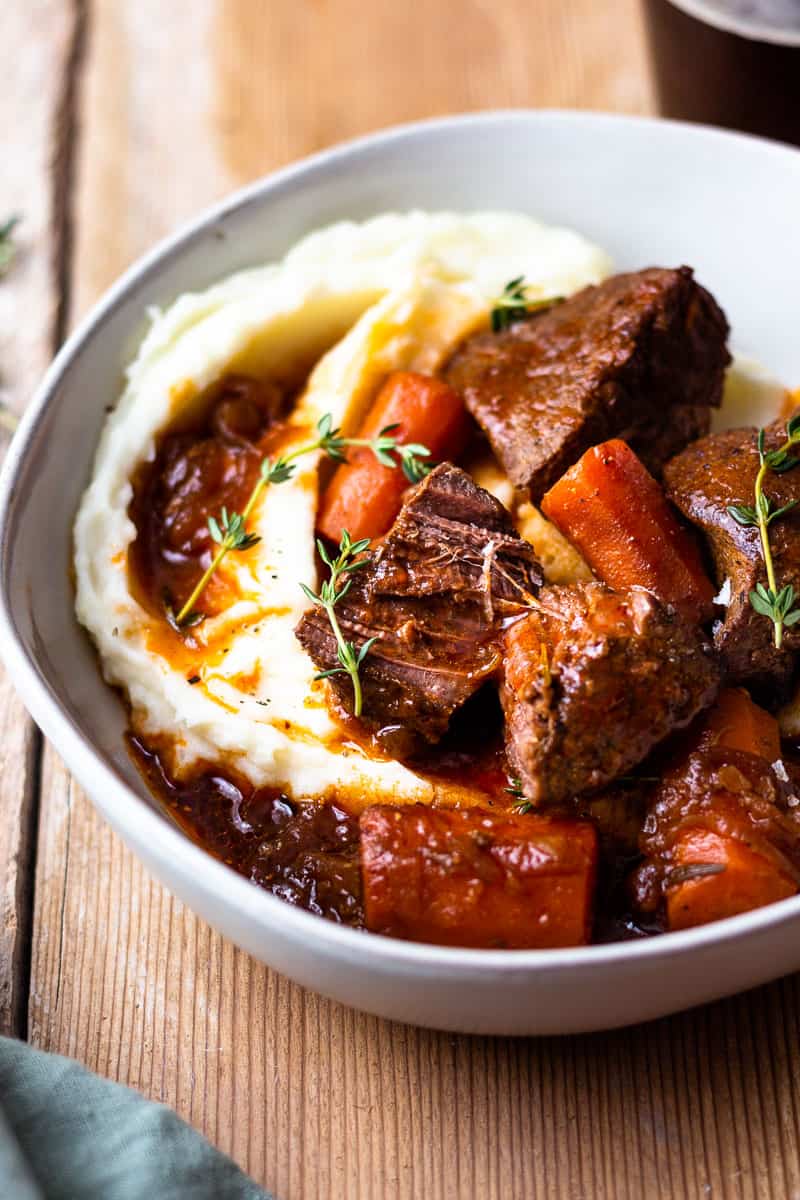
Slow-roasted venison in a Dutch oven yields tender, flavorful, rustic comfort food.
I’ve cooked venison for years and tested many methods. This venison roast dutch oven recipe brings out the meat’s best traits. I’ll guide you through choosing cuts, prepping, searing, braising, and serving. Read on for clear steps, tips I learned the hard way, and simple variations to make this recipe yours.
Why this venison roast dutch oven recipe works
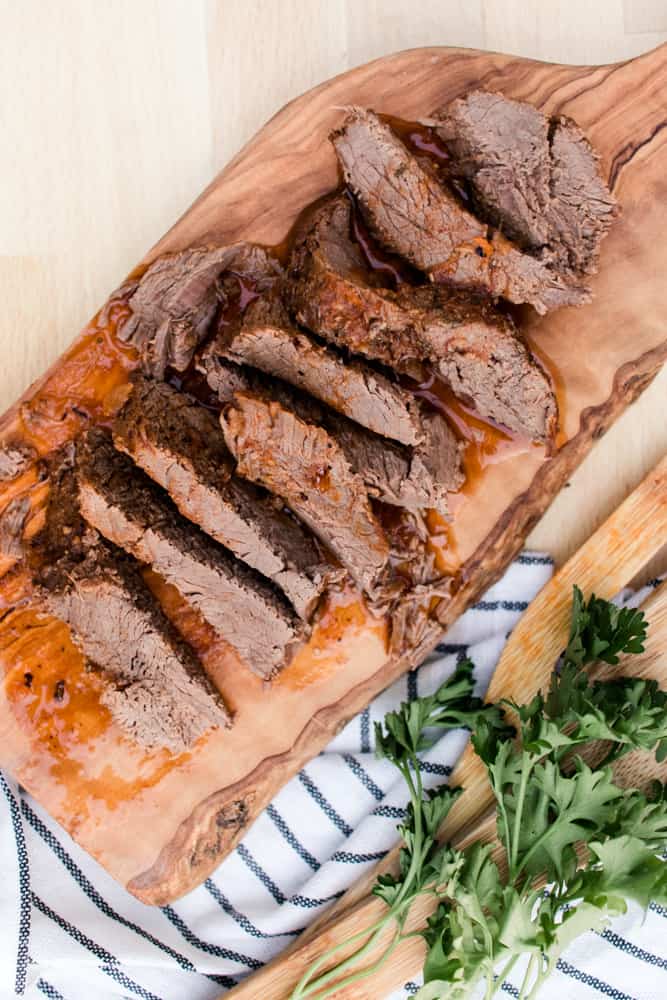
Venison is lean and benefits from slow, moist heat. The dutch oven traps steam and distributes heat evenly. That combination breaks down connective tissue and keeps the meat juicy. This venison roast dutch oven recipe uses sear-first, low-and-slow braising to balance flavor and texture.
Ingredients for the venison roast dutch oven recipe
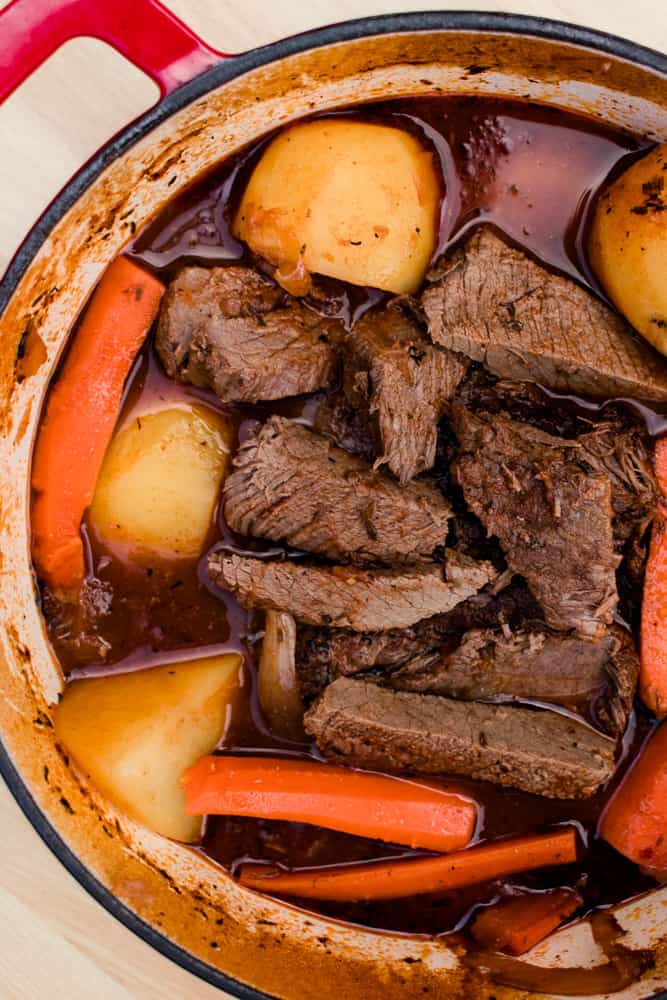
This list makes a 3 to 4 pound roast serve 4 to 6 people. Adjust spices to taste.
- 3–4 lb venison roast (shoulder, hindquarter, or neck work well)
- 2 tbsp neutral oil for searing
- 1 large onion, sliced
- 3 carrots, cut into chunks
- 3 celery stalks, cut into chunks
- 4 garlic cloves, smashed
- 1 cup red wine or stock for deglazing
- 2 cups beef or game stock
- 2 tbsp tomato paste
- 2 bay leaves
- 4–5 sprigs fresh thyme or 1 tsp dried thyme
- Salt and pepper to taste
- Optional: 1 tbsp Worcestershire or soy sauce for umami

Step-by-step venison roast dutch oven recipe
Follow these steps for a reliable, tender roast.
- Prepare the meat
- Pat the venison roast dry. Score heavy silver skin if present. Season generously with salt and pepper.
- Sear the roast
- Heat the dutch oven over medium-high. Add oil. Sear the roast 3–4 minutes per side until browned. Remove and set aside.
- Build the braise
- Lower heat to medium. Add onions, carrots, and celery. Cook 5 minutes until soft. Add garlic and cook 1 minute.
- Deglaze and flavor
- Pour in wine or stock to deglaze. Scrape browned bits. Stir in tomato paste, Worcestershire, and herbs.
- Braise the roast
- Return the roast to the dutch oven. Add enough stock to come halfway up the roast. Bring to a simmer.
- Oven cook low and slow
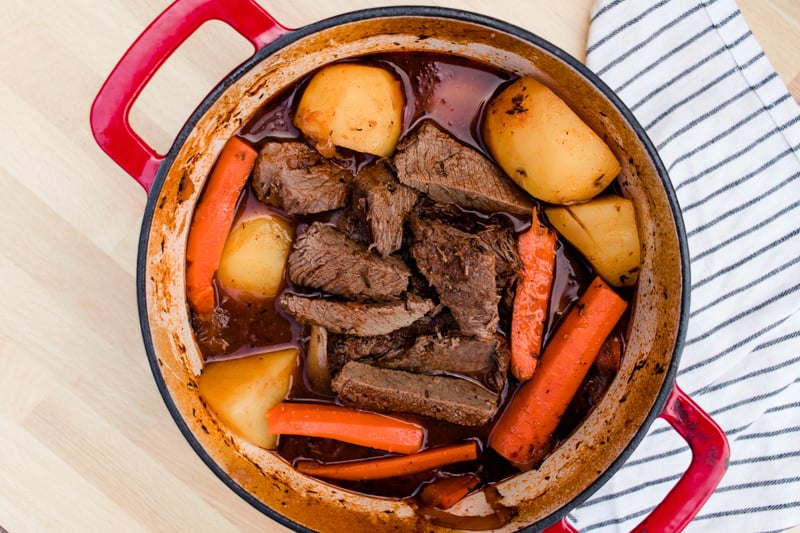
- Cover and place in a 300°F oven. Cook 2.5–3.5 hours, or until an instant-read thermometer reads 195°F for shreddable meat, or 140–150°F for sliceable but tender meat.
- Rest and finish
- Remove roast. Tent with foil for 15–20 minutes. Skim fat and reduce braising liquid on the stove for a sauce if desired.
Cooking times, temperatures, and doneness for the venison roast dutch oven recipe
Cook time depends on roast size and desired texture. Use these targets.
- For shreddable venison: 195°F internal, 2.5–3.5 hours at 300°F.
- For sliceable but tender: 140–150°F internal, check at 1.5–2 hours and then every 20 minutes.
- Searing time: 3–5 minutes per side to develop color.
- Rest time: 15–20 minutes to reabsorb juices.
I prefer pulling to 195°F for shoulder roasts and 145°F for center cuts. The dutch oven keeps temps steady and forgiving.
 mistakes to avoid”
style=”max-width: 100%; height: auto; border: 2px solid black; border-radius: 10px; display: block; margin: 0 auto;”
loading=”lazy”
/>
Tips, lessons learned, and mistakes to avoid
These come from years of testing venison roast dutch oven recipe methods.
- Always dry the meat before searing. Wet meat steams and won’t brown well.
- Don’t skip the sear. Maillard crust adds flavor to the braise.
- Use enough liquid. Fill to about halfway up the roast to keep meat moist.
- Taste the braise before adding salt. Stock and soy can be salty.
- Overcooking lean cuts makes them dry. Watch internal temps.
- Use a thermometer. Visual cues can mislead with venison.
Personal note: I once braised a fine hindquarter too briefly. The center was tough. That taught me to check temp, not time, and to favor low and slow for connective tissue cuts.
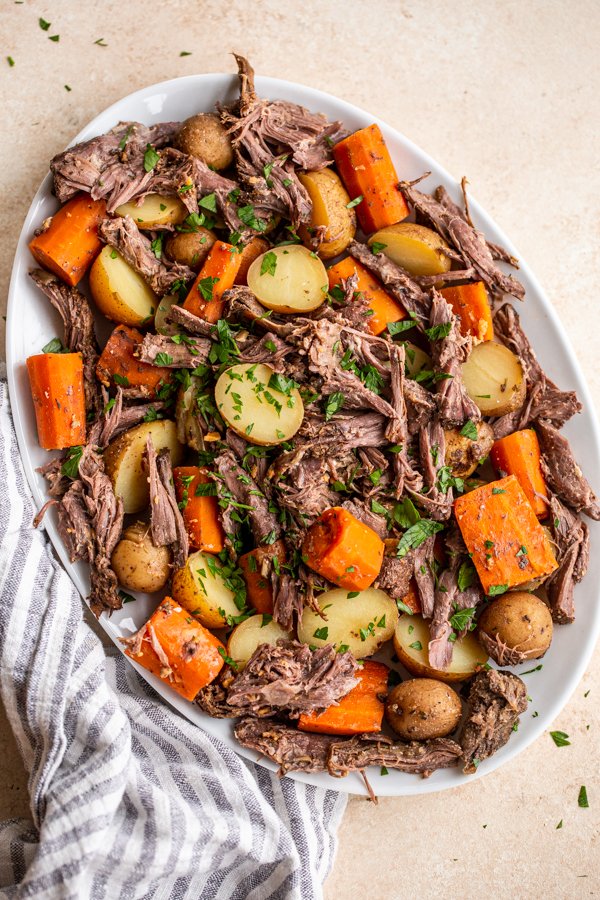
Variations and marinades for the venison roast dutch oven recipe
Small changes make big flavor shifts. Try these ideas.
- Wine-braised: Use full-bodied red wine for depth. Replace half the stock with wine.
- Beer or stout: Swap wine for a dark beer to add roast and caramel notes.
- Game-forward marinade: Marinate in oil, garlic, rosemary, and red wine for 8–24 hours to tenderize and add flavor.
- Sweet-tart: Add a tablespoon of balsamic and a few chopped prunes or dried cherries for balance.
- Herb-heavy: Add rosemary and juniper berries for a forest-inspired profile.
I often marinate a roast overnight when I want a bolder, less gamey flavor. It helps when the venison is very lean or has a strong wild taste.
Serving suggestions and side dishes
Keep sides simple to showcase the venison roast dutch oven recipe.
- Mashed potatoes or parsnip mash for creamy texture.
- Buttered green beans or sautéed kale for freshness.
- Root vegetable roast for rustic harmony.
- Polenta or egg noodles for soaking up sauce.
- A bright salad with apple or pear to cut richness.
When I serve this at family dinners, I make a double batch of gravy. Guests always ask for seconds.
Storing, reheating, and safety for venison roast dutch oven recipe
Follow safe food practices to avoid waste and risk.
- Refrigerate within two hours in shallow containers. Consume within 3–4 days.
- Freeze cooked roast up to 3 months. Thaw in the fridge before reheating.
- Reheat gently in a low oven or on the stovetop with added stock to keep moist.
- When reheating, bring the internal temperature to 165°F.
Lean game can dry when reheated. I reheat with a splash of stock and a low oven at 325°F for best results.
Frequently Asked Questions of venison roast dutch oven recipe
What cut of venison is best for a Dutch oven roast?
Shoulder, neck, and shank are best for braising in a dutch oven because they have more connective tissue that breaks down into tender meat during slow cooking. Leaner loin can work but cooks faster and risks drying out.
How do I reduce the gamey flavor in venison?
Marinate in acid and aromatics, trim excess silver skin and fat, and add bold braising liquids like wine or stout. A short soak in salted water or milk can also mellow strong wild notes.
Can I make this venison roast dutch oven recipe without wine?
Yes. Replace wine with beef or game stock and a tablespoon of vinegar or a splash of balsamic for acidity. The braise will still develop deep flavor.
How do I tell when the venison roast is done?
Use an instant-read thermometer. For shreddable roast aim for about 195°F; for sliceable tenderness aim for 140–150°F. Also look for meat that pulls apart easily.
Is it safe to cook venison the same way as beef?
Yes, but venison is leaner. Adjust cooking time and add moisture during cooking. Use a thermometer and avoid overcooking lean cuts to prevent dryness.
Can I sear and braise the venison roast on a stovetop only?
Yes. Simmer gently on the stove with a low flame and a heavy lid. Rotate the pot location on the burner to maintain even heat and check liquid level more often.
How can I make a thicker sauce from the braising liquid?
Remove the roast and simmer the liquid to reduce it, or whisk in a beurre manié (butter and flour paste) or a slurry of cornstarch and cold water. Finish with a pat of butter for gloss and richness.
Conclusion
This venison roast dutch oven recipe is a reliable way to turn lean wild meat into a tender, flavorful meal. Follow the steps for searing, braising, and resting, and use a thermometer to hit the right doneness. Try marinades and variations to match your taste and side choices.
Now it’s your turn: pick a cut, fire up the dutch oven, and try this recipe this weekend. Leave a comment with your tweaks or questions, and subscribe for more slow-cooked game recipes.
