


An easy upside down orange cake recipe delivers caramelized citrus slices with a moist almond cake.
I’ve baked and tested many cakes, and this upside down orange cake recipe is a keeper. I will guide you through a clear, reliable method that balances bright orange flavor, tender crumb, and glossy caramel. You’ll learn ingredients, step-by-step technique, real mistakes I made, and helpful tips to make this orange cake shine. Read on to master this citrus-forward dessert with confidence.

Why this upside down orange cake recipe works
This upside down orange cake recipe pairs simple caramel with thin orange slices to lock in moisture and boost flavor. The method uses warm caramel, arranged citrus, and a batter that bakes gently to create a tender crumb. I prefer a touch of almond flour for texture and to lift the orange notes. Over years of testing, I learned timing and slice thickness matter most for even caramelization.
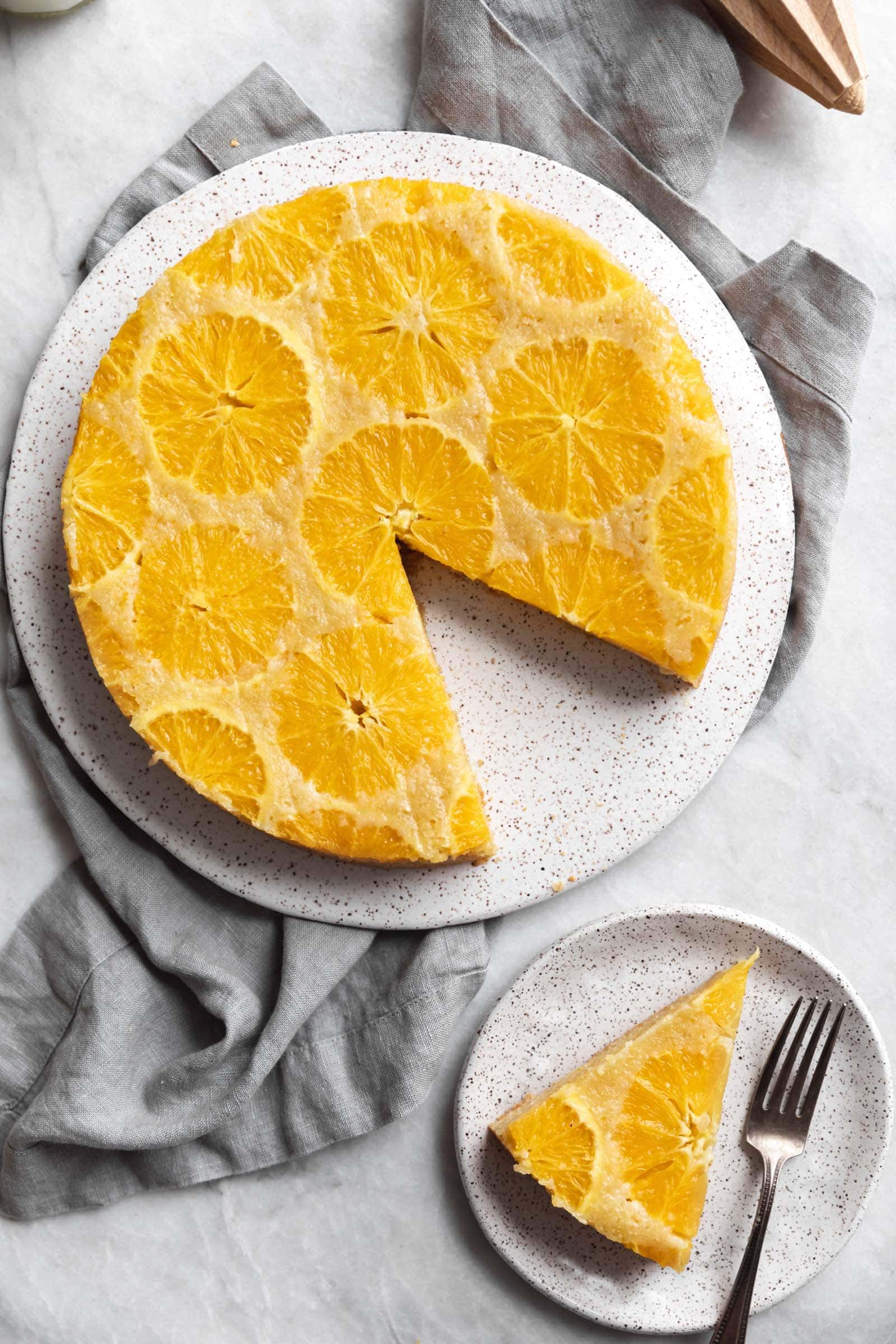
Ingredients for the best upside down orange cake recipe
This ingredient list makes one 9-inch cake. I keep items basic so the orange shines.
- 3 medium navel oranges, thinly sliced and seeds removed
- 1/4 cup unsalted butter (for caramel)
- 1/2 cup brown sugar, packed
- 1 1/4 cups all-purpose flour
- 1/4 cup almond flour (optional, adds moisture)
- 1 tsp baking powder
- 1/4 tsp salt
- 1/2 cup unsalted butter, softened (for batter)
- 3/4 cup granulated sugar
- 2 large eggs, room temperature
- 1 tsp pure vanilla extract
- 1/2 cup milk (or plain yogurt for tang)
- Zest of 1 orange
Measure carefully. Thin orange slices caramelize faster and lay flat. Use room-temperature eggs and softened butter for a smooth batter.

Equipment needed
You do not need fancy gear. These simple tools help the upside down orange cake recipe go smoothly.
- 9-inch round cake pan, preferably heavy or nonstick
- Sharp knife or mandoline for even orange slices
- Mixing bowls
- Electric mixer or whisk
- Spatula and small saucepan
- Cooling rack
A mandoline gives uniform slices. If you don’t have one, take time to slice oranges thin by hand. That avoids uneven caramel layers.

Step-by-step upside down orange cake recipe
Follow these steps for a consistent result. Read all steps before you start.
- Prep oranges
- Wash and thinly slice oranges to about 1/8 inch. Remove seeds. Pat slices dry.
- Make caramel and arrange slices
- Heat 1/4 cup butter and 1/2 cup brown sugar in a small saucepan over medium heat. Stir until sugar melts and mixture bubbles lightly. Pour caramel into the cake pan and swirl to coat the bottom.
- Arrange orange slices in a single layer over the caramel. Overlap slightly if needed.
- Make the batter
- Whisk flour, almond flour, baking powder, and salt in one bowl.
- Cream 1/2 cup softened butter with 3/4 cup granulated sugar until light and fluffy. Beat in eggs one at a time, then add vanilla and orange zest.
- Alternate adding dry mix and 1/2 cup milk in two batches, starting and ending with dry mix. Mix until just combined.
- Assemble and bake
- Spoon batter gently over orange slices. Smooth the top with a spatula. Tap the pan on the counter to remove air pockets.
- Bake at 350°F (175°C) for 35–45 minutes, until a toothpick in the center comes out with a few moist crumbs. If the top browns too quickly, tent loosely with foil.
- Cool and flip
- Let the cake cool in the pan 10–15 minutes. Run a knife around the edge. Place a plate or board over the pan and invert quickly. Lift the pan off slowly to reveal the caramelized oranges.
- Finish
- If any orange slices stick, lift them gently back into place. Let the cake cool before slicing, or serve slightly warm with a scoop of vanilla ice cream.
This step-by-step method keeps the orange slices intact and the caramel glossy. Timing and steady heat are key.
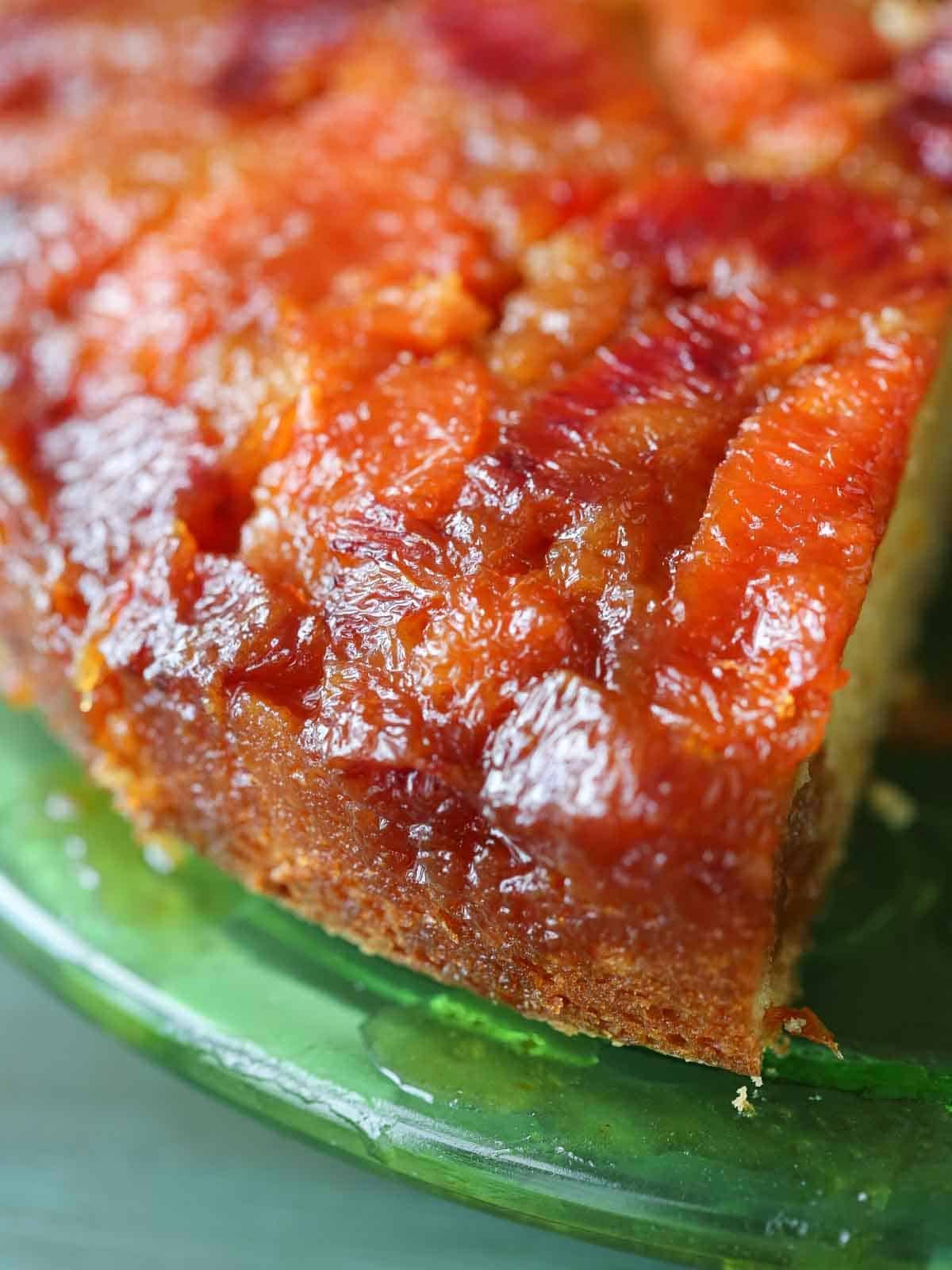
Tips, variations, and common mistakes
I learned many practical tips from trial and error. Use these to avoid common pitfalls with this upside down orange cake recipe.
- Slice oranges thin and uniform to ensure even caramelization.
- Pat slices dry so caramel clings well.
- Use a mix of brown sugar and a little granulated sugar for balanced caramel flavor.
- Avoid overbaking; check at 35 minutes to keep the cake moist.
- If caramel hardens in the pan, warm the bottom briefly or pour a little hot water to loosen it.
Variations to try
- Add 1/2 tsp ground cinnamon or a star anise to the caramel for warmth.
- Substitute blood oranges or tangerines for a different color and flavor.
- Make mini upside down orange cake recipe in ramekins for individual servings.
Mistakes I made and lessons learned
- I once sliced oranges too thick and ended up with soggy pockets. Thin slices fixed that.
- Skipping the cooling step led to broken topping. A short rest makes flipping safer.

Serving, storage, and make-ahead
Serving suggestions help this upside down orange cake recipe shine. Storage tips keep it fresh.
- Serve warm with whipped cream or vanilla ice cream to balance the bright citrus.
- Garnish with extra orange zest or candied orange peel for show.
- Store covered at room temperature for 1–2 days or in the fridge for up to 4 days.
- To reheat, warm individual slices for 10–20 seconds in the microwave or 5–7 minutes at 325°F in the oven.
Make-ahead idea
- Prepare the orange layer and caramel the day before. Keep the prepared pan covered in the fridge and add batter before baking.
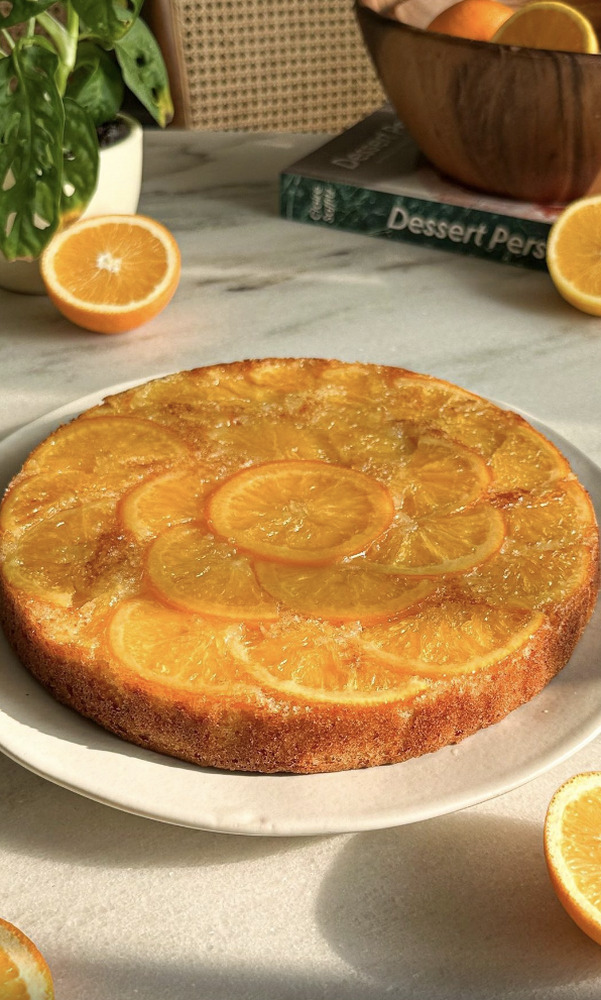
Troubleshooting common issues
If something goes wrong, here are quick fixes I use when working on an upside down orange cake recipe.
- Topping stuck to pan: Cool slightly and run a thin knife around edges. Warm pan bottom gently to loosen caramel.
- Soggy center: Bake a few minutes longer, but check often to avoid overbaking.
- Bitter orange flavor: Use navel or sweeter oranges and remove pith where possible.
- Too dark top: Lower oven temperature by 25°F and tent with foil.
These small fixes usually save a cake without changing the flavor much.
:max_bytes(150000):strip_icc()/27754_OrangeCrush_10197-2-103fa5bff8dc40a7835c05ae30f7fd4c.jpg)
Frequently Asked Questions of upside down orange cake recipe
How thin should orange slices be for this upside down orange cake recipe?
Aim for about 1/8 inch thick slices. Thin, even slices caramelize faster and create a pretty top.
Can I use bottled orange juice or orange marmalade instead of fresh slices?
Bottled juice won’t replace the texture of slices, and marmalade changes texture and sweetness. Fresh slices give best results.
Is almond flour necessary in this upside down orange cake recipe?
Almond flour is optional. It adds moisture and a subtle nutty note but the cake works well with only all-purpose flour.
Can I make this cake gluten-free?
Yes. Replace all-purpose flour with a 1:1 gluten-free flour blend and check doneness as bake times may vary slightly.
How do I prevent the caramel from hardening in the pan?
Serve soon after flipping and store properly. If caramel hardens, warm the pan gently to loosen it.
Conclusion
This upside down orange cake recipe is an easy way to enjoy bright citrus and soft, moist cake with a glossy caramel top. Try the steps, use thin orange slices, and follow the timing tips to get consistent results. Take one small action today: bake this cake for a weekend treat or to impress guests. If you try it, leave a comment sharing your twist or question — I’d love to hear how your cake turns out.
