
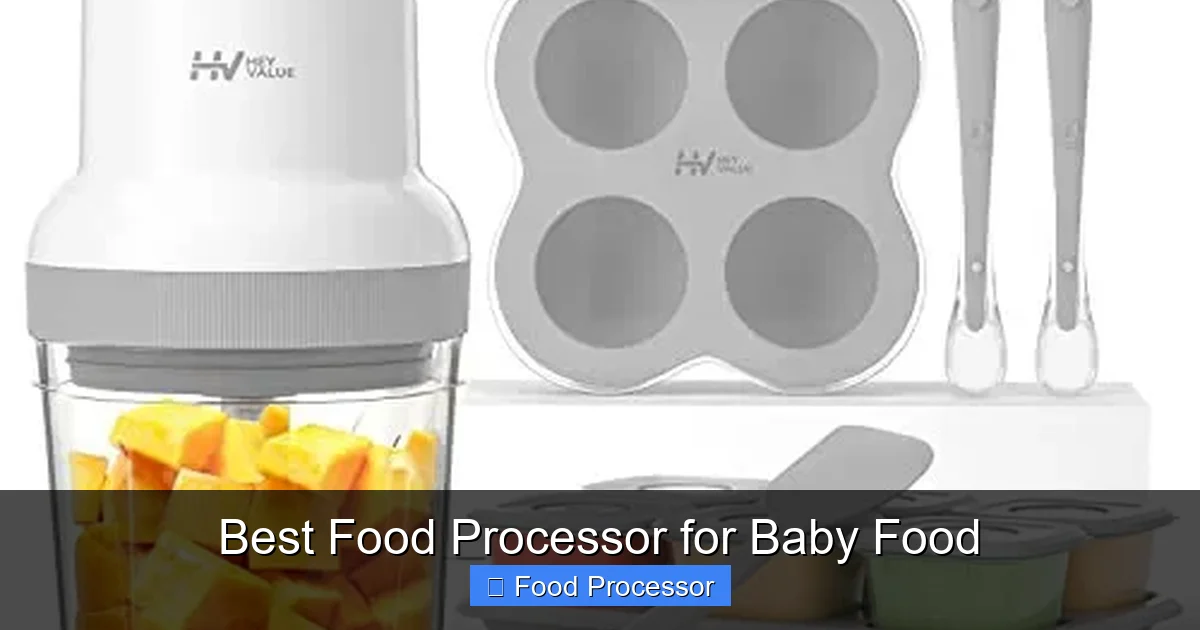
Choosing the best food processor for baby food is a smart step for parents wanting to make nutritious, homemade meals. This guide helps you navigate essential features like size, power, and ease of cleaning, ensuring you select a model perfectly suited for creating smooth purees or chunkier textures as your baby grows. Learn how to pick the right appliance and master the art of homemade baby food with confidence.
Best Food Processor for Baby Food
Bringing a new baby home is an exciting time, filled with many firsts. One of the most rewarding milestones for parents is introducing solid foods. Making your own baby food at home gives you complete control over ingredients, ensuring your little one gets the freshest, most nutritious meals without added sugars, salts, or preservatives. To do this efficiently and effectively, you’ll need the best food processor for baby food.
This comprehensive guide will walk you through everything you need to know about selecting the perfect food processor. We’ll cover key features, different types, and practical tips to help you make informed decisions. By the end, you’ll feel confident in choosing an appliance that makes homemade baby food a breeze, allowing you to nourish your baby with love and wholesome goodness.
Key Takeaways
- Consider Capacity: Decide between full-size, compact, or mini processors based on the batch size you plan to make and your available kitchen space.
- Prioritize Motor Power & Blade Quality: A powerful motor (300+ watts for compact, 600+ watts for full-size) and sharp S-blades are crucial for achieving ultra-smooth purees without lumps.
- Ease of Cleaning is Essential: Look for models with dishwasher-safe parts and minimal nooks and crannies to save time and ensure hygiene.
- Look for Variable Speed & Pulse Options: These settings offer precise control over food texture, allowing you to create smooth purees for newborns and gradually chunkier meals for older babies.
- Safety and Materials Matter: Ensure the food processor is BPA-free and has robust safety features, like a secure locking mechanism, for peace of mind.
- Evaluate Noise Level: A quieter model can be a significant advantage, especially if you’re preparing food during nap times.
- Budget Wisely: You don’t always need the most expensive model; focus on core features that meet your baby food making needs.
Why a Food Processor is Ideal for Baby Food
While blenders can work for some tasks, a food processor truly shines when it comes to making baby food. Its design and versatility offer several advantages:
- Superior Pureeing: Food processors, especially those with powerful motors and sharp S-blades, excel at turning cooked fruits, vegetables, and meats into incredibly smooth, lump-free purees – perfect for tiny mouths.
- Consistent Texture Control: With pulse functions and various speed settings, you can easily control the texture. You can start with silky smooth purees for infants and gradually transition to chunkier textures as your baby grows and develops chewing skills.
- Versatility Beyond Baby Food: A good food processor isn’t just a one-trick pony. Once your baby outgrows purees, it will remain a valuable kitchen tool for family meals, chopping vegetables, making sauces, or even preparing homemade peanut butter.
- Efficiency: Food processors save time. They can handle larger batches of ingredients more quickly than many blenders, making meal prep for the week much faster.
Key Features to Look for in the Best Food Processor for Baby Food
When searching for the best food processor for baby food, certain features stand out. Focusing on these will help you choose a reliable and effective machine.
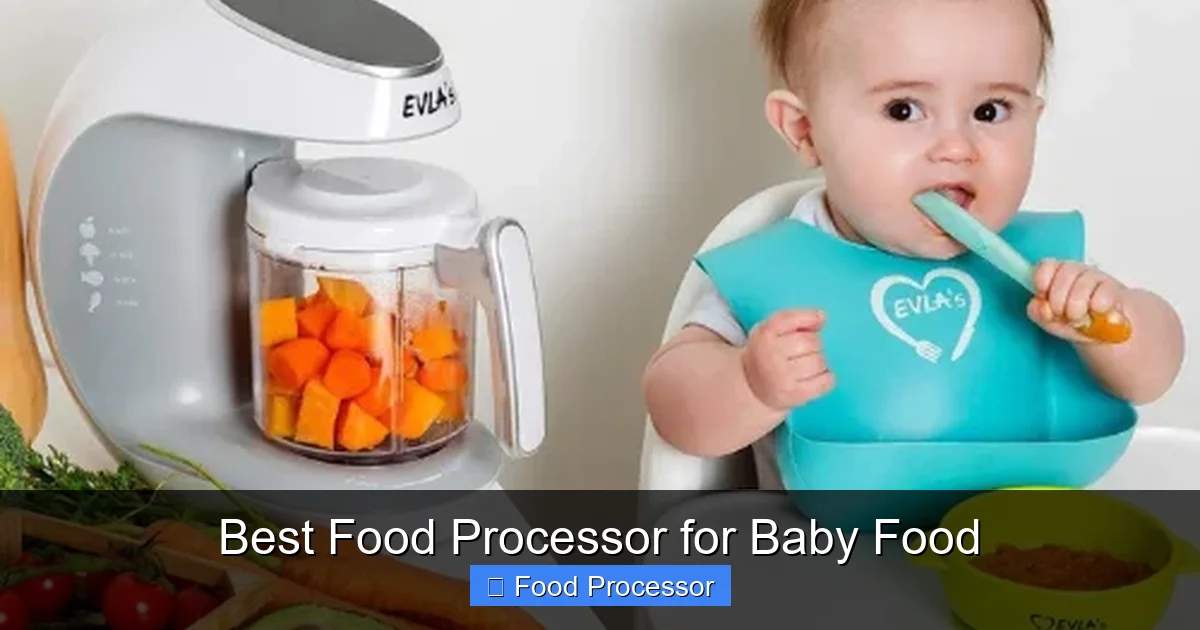
Visual guide about Best Food Processor for Baby Food
Image source: amysfind.com
1. Size and Capacity
The right size depends on your cooking habits and kitchen space.
- Mini Food Processors (1-4 cups): Ideal for making small, single-serving batches or if you have very limited counter space. They are often more affordable and easier to store. If you’re looking for an appliance specifically designed for small quantities, you might consider a best mini food processor for small batch cooking.
- Compact Food Processors (5-9 cups): A great middle-ground. They can handle moderate batches suitable for a few days of baby food and are still relatively easy to store, making them a best compact food processor for small cabinets.
- Full-Size Food Processors (10+ cups): Best if you plan to make large batches of baby food to freeze or if you intend to use the processor extensively for general family cooking. They offer more power and versatility but require more storage space.
2. Motor Power (Wattage)
A powerful motor is crucial for achieving smooth purees, especially with tougher ingredients like cooked meats or fibrous vegetables.
- For compact models, aim for at least 300-500 watts.
- For full-size models, 600 watts or more is ideal for consistent performance and durability.
3. Blade Types and Sharpness
The S-blade (or chopping blade) is your primary tool for baby food. Look for one that is sharp, durable (preferably stainless steel), and effective at drawing food down into the processing area for an even blend. Some food processors also come with a pureeing disc, which can be excellent for exceptionally smooth textures.
4. Speed Settings and Pulse Function
These offer crucial control over texture.
- Pulse Function: Essential for quickly breaking down ingredients and controlling the consistency without over-processing.
- Variable Speeds: Allow you to start slow and gradually increase speed for smoother results.
5. Ease of Cleaning
This is a major consideration for busy parents.
- Dishwasher-Safe Parts: Bowls, lids, and blades that can go into the dishwasher are a huge time-saver.
- Simple Assembly/Disassembly: Fewer parts and an intuitive design make cleaning easier.
- Sealed Buttons/Touchpad: Prevent food from getting stuck in crevices.
6. Safety Features
Always prioritize safety, especially with kitchen appliances that handle sharp blades.
- Secure Locking Mechanism: The processor should not operate unless the bowl and lid are correctly locked into place.
- Sturdy Base: Prevents wobbling during operation.
7. Durability and Material (BPA-Free)
Look for sturdy construction. Bowls made from durable, clear plastic (Tritan is a good choice) or glass are excellent. Ensure all food-contact parts are BPA-free to protect your baby from harmful chemicals.
8. Noise Level
While food processors aren’t silent, some are significantly louder than others. A quieter model can be a blessing, especially if you’re preparing food during nap times or late at night.
Types of Food Processors Best Suited for Baby Food
Beyond general food processors, there are specialized options to consider.
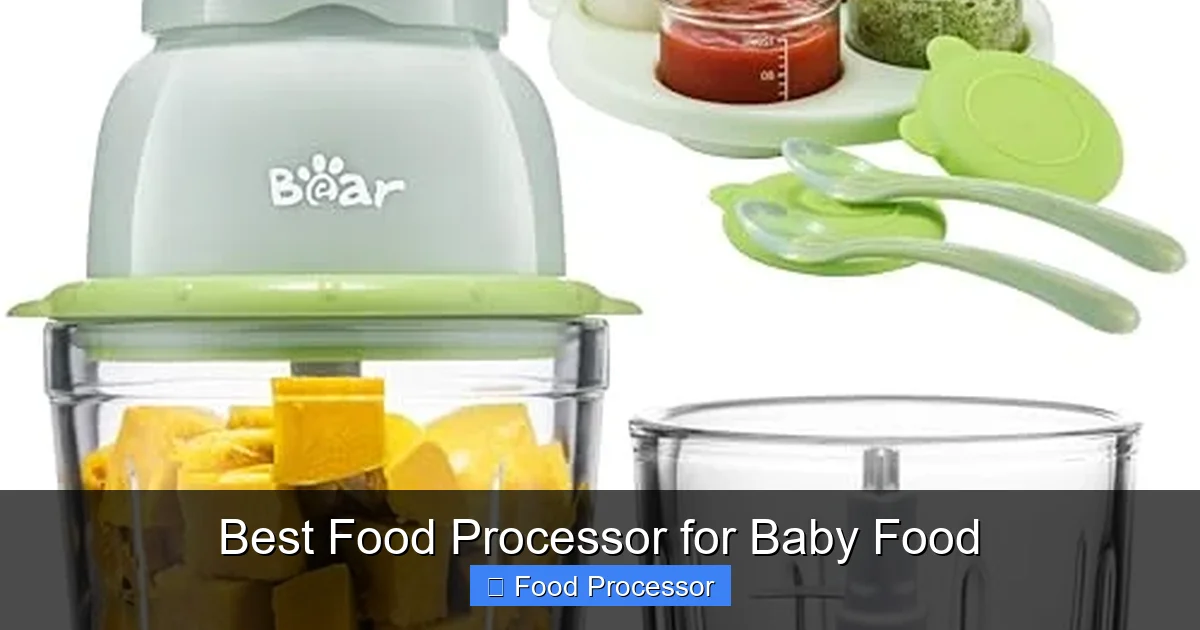
Visual guide about Best Food Processor for Baby Food
Image source: m.media-amazon.com
1. Standard Food Processors (Full-Size or Compact)
These are the most versatile. If you want an appliance that will serve you well beyond the baby food stage, a good quality standard food processor is an excellent investment. Many parents find the best food processor for making baby puree at home is often a reliable compact or full-size model.
2. Mini Food Processors/Choppers
Perfect for very small batches, pureeing just one portion, or for kitchens with limited space. They are less powerful but often very convenient for daily, small-scale use.
3. All-in-One Baby Food Makers
These specialized appliances often steam and blend in the same unit. They are incredibly convenient as they streamline the process, but they tend to be less versatile for general kitchen tasks once your baby moves past purees. They are also typically more expensive for their limited function.
Step-by-Step Guide to Choosing Your Best Food Processor for Baby Food
Follow these steps to narrow down your options and find the perfect fit.
Step 1: Assess Your Baby Food Making Needs
- Batch Size: Do you plan to make small, fresh batches daily or larger quantities once a week for freezing? This will determine the ideal capacity.
- Frequency: How often do you intend to make baby food? Daily use warrants a more robust and easy-to-clean model.
- Variety: Will you be pureeing mostly soft fruits and vegetables, or tougher meats and grains too? This impacts the motor power you’ll need.
Step 2: Consider Your Kitchen Space
- Counter Space: Do you have room for a larger appliance to sit out, or will it need to be stored away?
- Storage: If storing, consider the overall footprint and weight. A best food processor for small quantities is often ideal for compact kitchens.
Step 3: Set a Realistic Budget
Food processors range widely in price.
- Basic mini choppers can be under $50.
- Mid-range compact processors are typically $70-$150.
- High-end full-size models can go from $200 to $400+.
Decide what you’re comfortable spending, keeping in mind that durability and features often correlate with price.
Step 4: Read Reviews and Compare Models
Once you have a few models in mind, check online reviews. Look for feedback specifically related to:
- Performance when pureeing.
- Ease of cleaning.
- Durability and longevity.
- Noise level.
Step 5: Check for Specific Baby Food Features
While many general food processors work wonderfully, some features might be extra beneficial for baby food:
- Small Processing Bowl/Insert: Some larger models come with a smaller bowl insert specifically for processing tiny amounts, which is very handy for baby food.
- Steam Function (in all-in-one makers): If convenience is your top priority and you don’t mind a single-purpose appliance, an all-in-one steamer and blender could be perfect.
Tips for Making Baby Food with Your Chosen Processor
Once you have your best food processor for baby food, here are some tips to get started.
1. Prepare Your Ingredients Properly
Most fruits and vegetables need to be cooked until very tender before pureeing. Steaming, roasting, or boiling are common methods. Cut ingredients into uniform, small pieces for even cooking and easier processing.
2. Use the Pulse Function
Start with short pulses to break down ingredients. This gives you more control and prevents over-processing, which can sometimes lead to a gluey texture.
3. Add Liquid Gradually
For smoother purees, you’ll need to add some liquid. This could be breast milk, formula, cooled boiled water, or the cooking liquid from steaming. Add a tablespoon at a time until you reach the desired consistency.
4. Achieve the Right Consistency
For newborns, aim for a very smooth, almost liquid consistency. As your baby grows (typically around 8-10 months), you can gradually reduce the amount of liquid and leave some small, soft chunks to introduce texture.
5. Storage is Key
Store homemade baby food in airtight containers in the refrigerator for up to 3 days or freeze in ice cube trays for up to 3 months. Once frozen, pop out the cubes and store them in freezer bags for easy portioning.
Troubleshooting Common Baby Food Processor Issues
Even with the best food processor for baby food, you might encounter minor hurdles. Here’s how to address them:
1. Lumpy Puree
If your puree isn’t smooth enough, try these solutions:
- Cook Longer: Ensure ingredients are fully cooked and very tender.
- Add More Liquid: Slowly add a tablespoon of breast milk, formula, or water while processing.
- Process Longer: Let the machine run for another 30-60 seconds, or use the “puree” setting if available.
- Scrape Down Sides: Stop the processor, scrape down any food stuck to the sides of the bowl, and continue processing.
2. Processor Overheating
This usually happens if you’re processing a very dense or large load for too long.
- Process in Batches: If you have a smaller processor, don’t overload it. Divide ingredients into smaller batches.
- Take Breaks: If the motor feels hot, turn off the machine and let it cool down for 10-15 minutes before continuing.
- Add Liquid: Sometimes, adding a bit more liquid can help the blades move more freely.
3. Cleaning Difficulties
Food residue can sometimes stick.
- Clean Immediately: Rinse parts right after use to prevent food from drying on.
- Soak if Necessary: For stubborn residue, soak blades and bowls in warm soapy water.
- Use a Brush: A small bottle brush or a dedicated cleaning brush can help reach tight spots.
4. Small Batches Not Blending Well
If a tiny amount of food just spins around without pureeing, your processor might be too large for the quantity.
- Consider a Mini Processor: If you consistently make very small batches, a mini food processor or baby food maker might be more effective.
- Tilt and Shake: Sometimes gently tilting or shaking the processor (while off and locked!) can help direct food to the blades.
- Combine Batches: If making small amounts of different purees, you might need to combine slightly larger quantities of one ingredient to get it to process, then divide it afterward.
Conclusion
Choosing the best food processor for baby food is an investment in your child’s health and your peace of mind. By focusing on key features like capacity, motor power, ease of cleaning, and safety, you can select an appliance that not only makes homemade baby food simple and enjoyable but also serves as a versatile tool in your kitchen for years to come. Embrace the journey of introducing solids with confidence, knowing you’re providing the freshest, most nutritious start for your little one.
