
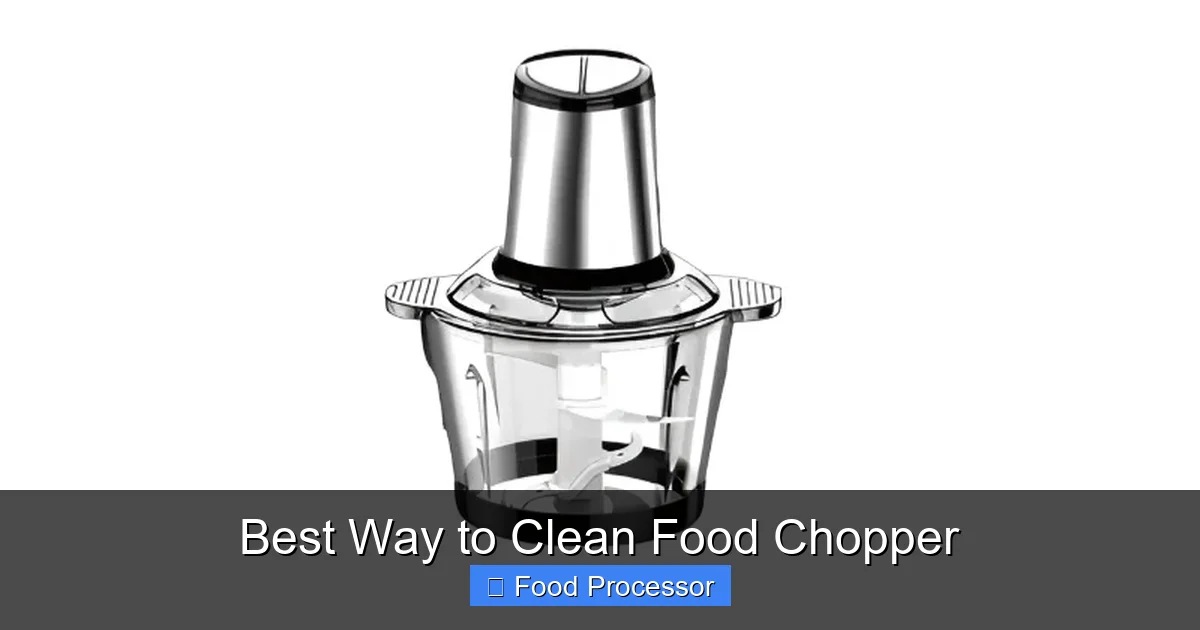
Keeping your food chopper clean is crucial for hygiene and extending its lifespan. This guide breaks down the best method into simple steps, from disassembly to drying, ensuring every part is sparkling. You’ll learn how to tackle tough food residue, eliminate lingering odors, and maintain your appliance for optimal performance, making your cleaning routine quick and effective.
Hello there, fellow home cook! You love your food chopper, right? It’s a true kitchen hero, making quick work of onions, garlic, herbs, and so much more. From quickly dicing vegetables for a stir-fry to preparing ingredients for your favorite dips, a good food chopper saves you so much time and effort. But let’s be honest, cleaning it can sometimes feel like a chore. Bits of food can get stuck in nooks and crannies, and those sharp blades need careful handling.
Don’t worry, you’re in the right place! This comprehensive guide will walk you through the absolute best way to clean your food chopper, ensuring it’s not just superficially clean, but truly sparkling and hygienic. We’ll cover everything from safe disassembly to tackling stubborn stains and smells, all while keeping safety and longevity in mind. By the end of this guide, you’ll have a clear, easy-to-follow routine that makes cleaning your food chopper a breeze. Let’s get started!
Key Takeaways
- Safety First: Always unplug your food chopper before beginning any cleaning process to prevent accidental activation and injury.
- Prompt Cleaning is Best: Clean your food chopper immediately after use to prevent food from drying and sticking, which makes cleaning much harder.
- Disassemble Completely: For a truly thorough clean, take apart all removable components of your food chopper, including the blade, bowl, and lid.
- Hand Wash Blades Carefully: The blades are very sharp. Use a brush or sponge with a handle, or wear cut-resistant gloves, to clean them safely.
- Address Stains and Odors Proactively: Use natural remedies like baking soda, vinegar, or lemon juice to remove food stains and neutralize lingering odors from plastic components.
- Ensure Thorough Drying: Always allow all parts to air dry completely before reassembling and storing to prevent mold, mildew, and unpleasant smells.
- Consult Your Manual: Always refer to your specific food chopper’s instruction manual for precise care instructions, especially regarding dishwasher safety and motor base cleaning.
Why Proper Cleaning Matters
Keeping your food chopper clean isn’t just about appearances; it’s vital for several important reasons:
- Hygiene and Food Safety: Leftover food particles can harbor bacteria, leading to cross-contamination and foodborne illnesses. A clean food chopper ensures your next meal is safe to eat.
- Preventing Odors: Strong-smelling foods like garlic and onions can leave lingering odors in the plastic components. Regular, thorough cleaning prevents these smells from permeating your appliance and transferring to other foods.
- Extending Lifespan: Food residue, especially acidic ingredients, can degrade plastic and dull blades over time. Proper cleaning and maintenance protect your investment, helping your food chopper last longer. You might even want to consider how to choose the right size food processor for your needs, knowing that proper care will make any size last.
- Optimal Performance: A clean blade cuts more efficiently. When sticky residue builds up, it can hinder the blade’s movement and effectiveness, making your chopping less precise.
Safety First!
Before you even think about touching water or soap, safety is your number one priority. Food choppers, especially electric ones, have incredibly sharp blades.
Unplug Your Food Chopper
This is non-negotiable. Always unplug your electric food chopper from the power outlet before you start disassembling or cleaning it. This prevents any accidental activation that could lead to serious injury. For manual food choppers, ensure the blades are in a secure, non-moving position.
Gather Your Cleaning Supplies
Having everything at hand makes the cleaning process smoother and faster. Here’s what you’ll need:
- Warm water
- Dish soap (mild, unscented is best)
- Soft sponge or cloth
- Small brush (a bottle brush, old toothbrush, or a specialized cleaning brush works great)
- Optional: Cut-resistant gloves (highly recommended for handling blades)
- Optional: Baking soda, white vinegar, or lemon for stains and odors
- Clean towel or drying rack
Step 1: Unplug and Disassemble Your Food Chopper
Once unplugged, it’s time to take your food chopper apart. Most food choppers consist of a motor base (for electric models), a bowl, a lid, and a blade assembly.
Carefully Remove Each Component
Start by removing the lid, then lift out the blade assembly. Be extremely careful when handling the blade – it’s designed to be sharp! Next, remove the chopping bowl from the motor base. If your food chopper has other detachable parts, like a feed tube or pusher, remove those as well. Getting familiar with how to assemble a food processor step by step can also help you understand how to disassemble it safely.
Visual guide about Best Way to Clean Food Chopper
Image source: m.media-amazon.com
Visual guide about Best Way to Clean Food Chopper
Image source: images-na.ssl-images-amazon.com
Step 2: Pre-Rinse for Initial Debris Removal
This step is critical for making the rest of the cleaning process much easier.
Rinse Off Loose Food Particles
Take each removable component – the bowl, lid, and blade assembly – and rinse them under warm running water. This helps to wash away any large or loose food particles before they have a chance to dry and stick. For items like finely chopped herbs or sticky sauces, a good initial rinse will save you scrubbing time later. If you often use your food processor to chop vegetables, you’ll know how much residue can accumulate.
Step 3: Hand Washing Blades and Small Parts
These are the most critical and often the trickiest parts to clean. Always prioritize safety here.
Clean the Blades Safely
Fill your sink with warm, soapy water. If you have cut-resistant gloves, now’s the time to put them on. Immerse the blade assembly in the soapy water. Using your small brush or a sponge with a handle, carefully scrub around the blades, making sure to get into all the crevices where food can hide. Never use your bare hands to wipe down the sharp edges of the blade directly. Pay special attention to the central spindle where food might build up.
Wash the Lid and Other Small Components
The lid often has grooves and seals where food can get trapped. Use your small brush or a corner of your sponge to thoroughly clean these areas. If your lid has a gasket, check your manual to see if it’s removable for cleaning. Clean any other small components, like pushers or attachments, in the soapy water.
Tackle Tough Residue
If you have any dried-on food or particularly sticky residue on the blades or small parts, let them soak in the warm, soapy water for 5-10 minutes. This will help soften the grime, making it easier to scrub away. A paste of baking soda and a little water can also work wonders on stubborn spots; apply it, let it sit, then scrub gently.
Step 4: Cleaning the Bowl and Lid
The bowl and lid are usually the easiest parts to clean, but they still need a good scrub.
Wash the Main Bowl
Submerge the food chopper bowl in your warm, soapy water. Use your soft sponge or cloth to scrub the inside and outside of the bowl. Make sure to clean around the base and any grooves where the lid or blade assembly fits. If your bowl is plastic, check for any scuff marks or stains that might need extra attention.
Revisit the Lid (if needed)
Sometimes, food splatters can dry on the underside of the lid. Give it another thorough wash, paying close attention to any nooks, especially around the pouring spout or feed tube.
Step 5: Wiping Down the Motor Base
Remember, the motor base of an electric food chopper should never be submerged in water.
Use a Damp Cloth
Dampen a soft cloth with warm, soapy water. Wring it out thoroughly so it’s just damp, not dripping wet. Gently wipe down the exterior of the motor base, paying attention to any buttons, seams, or crevices where food might have splashed or crumbs collected. For stubborn spots, a tiny bit of undiluted dish soap on the damp cloth can help. Always follow with a clean, damp cloth to remove any soap residue, and then dry it immediately with a separate dry cloth.
Avoid Water in Electrical Components
Be extremely careful not to let any water get into the motor housing, power cord connection, or control panel. These are sensitive electrical components that water can damage, or worse, make dangerous.
Step 6: Thorough Rinsing
This step removes all traces of soap and food particles.
Rinse All Components Under Running Water
After scrubbing, rinse each component – blades, bowl, lid, and small parts – thoroughly under warm, clean running water. Make sure no soapy residue remains, as this can affect the taste of your food or leave unsightly streaks when dry. Continue rinsing until the water runs clear and you can no longer feel any slickness from the soap.
Step 7: Drying Your Food Chopper Components
Proper drying is crucial for preventing water spots, mold, mildew, and rust on blades.
Air Dry or Hand Dry
You have a couple of options here:
- Air Drying: Place all components on a clean drying rack or a clean, dry towel. Allow them to air dry completely. This is often the best method, especially for blades, as it minimizes the risk of rust. Ensure good air circulation.
- Hand Drying: For quicker drying, you can carefully hand dry each component with a clean, lint-free towel. Be extra cautious when drying the blades – use a towel folded multiple times or wear those cut-resistant gloves. Ensure every single part is bone dry before moving to the next step.
Step 8: Reassembling Your Food Chopper (Optional, but good practice)
While you can store your food chopper disassembled, reassembling it ensures all parts are together and ready for its next use.
Put It Back Together
Once all components are completely dry, carefully reassemble your food chopper according to your manufacturer’s instructions. This usually involves placing the bowl on the motor base, inserting the blade assembly, and then securing the lid. Storing it assembled also means you won’t misplace any small parts.
Advanced Cleaning Tips for Persistent Stains & Odors
Sometimes, a standard wash isn’t enough to banish tough stains or lingering smells. Here are some extra tricks:
For Stains
- Baking Soda Paste: For stubborn food stains on plastic bowls (like tomato sauce or turmeric), mix baking soda with a little water to form a thick paste. Apply the paste to the stain, let it sit for 15-30 minutes (or even overnight for very tough stains), then scrub and rinse.
- Lemon Juice: The natural acidity of lemon juice can also help lift stains and brighten plastic. Rub a cut lemon over the stained area, let it sit for a while, then wash as usual. You can also mix lemon juice with salt for an abrasive scrub.
- Sunlight (for plastic): For plastic components, direct sunlight can work wonders on discoloration. After washing, place the stained plastic bowl or lid in direct sunlight for a few hours. The UV rays can help break down the pigments causing the stain.
For Odors
- Baking Soda Soak: Fill the food chopper bowl with warm water and add a few tablespoons of baking soda. Let it soak for several hours or overnight. Baking soda is excellent at absorbing odors. Wash and rinse thoroughly afterwards.
- White Vinegar Rinse: After washing, rinse the components (especially the bowl and lid) with a solution of equal parts white vinegar and water. The vinegar helps neutralize odors. Just make sure to rinse very well with plain water afterwards to remove the vinegar smell.
- Lemon Rind: Cut a lemon in half and rub the cut side over the interior of the bowl and lid. The natural oils and acidity in the lemon will help refresh and deodorize.
Dishwasher Cleaning: When It’s Okay (and When It’s Not)
Many modern food choppers have dishwasher-safe components, which can be a huge time-saver. However, it’s crucial to check your specific appliance’s manual.
Always Check Your User Manual
Some bowls, lids, and even blades are designed to withstand the dishwasher’s heat and harsh detergents. Others are not. Putting non-dishwasher-safe parts in the dishwasher can lead to warping, cracking, or dulling of blades. The motor base is NEVER dishwasher safe.
If Dishwasher Safe:
- Top Rack Only: If your parts are dishwasher safe, typically only the top rack is recommended for plastic components to avoid excessive heat that could cause warping.
- Avoid Heat Dry: High heat dry cycles can also be detrimental to plastic. Opt for an air-dry setting if possible.
- Separate Blades: Even if blades are listed as dishwasher safe, frequent dishwashing can dull them faster than handwashing. Consider handwashing them regardless to maintain their sharpness.
Troubleshooting Common Cleaning Challenges
Sticky Food Residue
If food is really stuck, a longer soak in very hot, soapy water is your best friend. Add a few drops of vegetable oil to the water; oil can help loosen sticky, sugary residues. After soaking, use a stiff brush or a plastic scraper (never metal on plastic) to gently lift the residue. For stubborn cases, a baking soda paste can also provide gentle abrasion.
Dull Blades
While cleaning doesn’t inherently dull blades, improper cleaning (like abrasive scrubbing on the cutting edge) or putting them in the dishwasher too often can contribute. If your blades feel dull even after cleaning, it might be time for sharpening (if possible for your model) or replacement. Always refer to your manual or the manufacturer’s website for options. To prevent dulling, always hand wash blades carefully and dry immediately.
Mold or Mildew
If you discover mold or mildew, especially if components weren’t dried properly before storage, don’t panic. Wash the affected parts thoroughly with hot, soapy water. Then, create a solution of equal parts white vinegar and water, and soak the parts for at least 30 minutes. Scrub any remaining mold with a brush, rinse thoroughly, and ensure they are completely air-dried in a well-ventilated area before reassembly. For persistent mold, a very diluted bleach solution (1 tsp bleach per gallon of water) can be used as a last resort, followed by extensive rinsing and drying. Always be careful with bleach.
Maintenance Tips for a Longer-Lasting Food Chopper
- Clean Immediately: The sooner you clean your food chopper after use, the easier it will be. Dried food is much harder to remove.
- Store Properly: Ensure all components are completely dry before storing. Store the blade safely, either in its original packaging, a blade cover, or securely within the assembled chopper.
- Inspect Regularly: Periodically check the bowl for cracks, the lid for wear on its seals, and the blade for excessive dullness or nicks. Replace worn parts as needed.
- Avoid Abrasives: Never use abrasive cleaners, scouring pads, or steel wool on any part of your food chopper, especially plastic components, as they can scratch surfaces and create tiny crevices where bacteria can hide.
Conclusion
A clean food chopper is a happy food chopper – and it makes for a happier cook! By following these simple, detailed steps, you can ensure your trusty kitchen appliance remains hygienic, odor-free, and performs optimally for years to come. Remember, a little effort after each use goes a long way in maintaining its efficiency and extending its life. So go ahead, chop away, and enjoy the convenience of a perfectly clean kitchen companion!
