
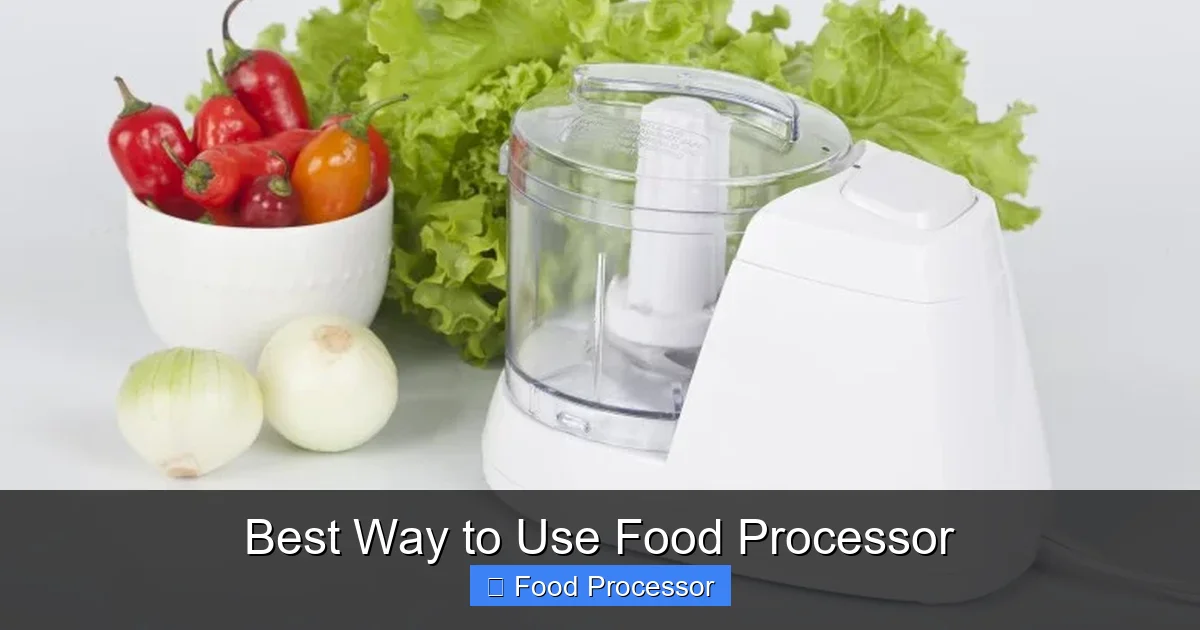
Mastering your food processor can revolutionize your kitchen tasks, making everything from meal prep to complex recipes significantly easier and faster. This guide covers essential safety tips, understanding your machine’s components, and step-by-step instructions for popular techniques like chopping, slicing, shredding, and pureeing. By following these expert tips, you’ll learn the best way to use food processor for consistent, professional results every time.
Best Way to Use Food Processor
Welcome to your ultimate guide on mastering the food processor! If you own this incredible kitchen gadget, you already know it’s a game-changer. But are you truly getting the most out of it? Many home cooks only scratch the surface of what their food processor can do. From chopping vegetables in seconds to kneading dough and pureeing silky smooth sauces, learning the best way to use a food processor can transform your cooking experience, making meal prep faster, easier, and more enjoyable.
This comprehensive guide will walk you through everything you need to know. We’ll cover safety essentials, explain the different parts and their functions, and provide step-by-step instructions for various common tasks. By the end, you’ll be confidently using your food processor like a pro, creating delicious dishes with minimal effort. Let’s dive in and unlock the full potential of your kitchen’s workhorse!
Key Takeaways
- Safety First: Always ensure the food processor is correctly assembled, the lid is locked, and it’s unplugged when not in use or during cleaning to prevent accidents.
- Understand Your Blades: Familiarize yourself with the different blades and discs (S-blade, slicing, shredding) and their specific functions to choose the right tool for each task.
- Use the Pulse Button: The pulse function is your best friend for achieving precise results, preventing over-processing, and maintaining control over texture, especially for chopping and grinding.
- Proper Ingredient Prep: Cut ingredients into uniform, manageable pieces that fit the feed tube or bowl to ensure even processing and prevent motor strain.
- Don’t Overfill: Process ingredients in batches if necessary, never exceeding the “max fill” line, to allow for proper circulation and efficient processing.
- Clean Immediately: Disassemble and clean your food processor parts promptly after use to prevent food from drying and making cleanup harder, ensuring longevity and hygiene.
Understanding Your Food Processor: The Basics
Before we get to the fun part of processing food, it’s important to understand the different components of your food processor. Knowing what each part does will help you use it safely and effectively.
The Main Components
Your typical food processor usually consists of these key parts:
- Base: This is the heavy bottom part that houses the powerful motor. It provides stability and the controls (on/off, pulse).
- Work Bowl: A transparent bowl that fits onto the base. This is where all the processing happens.
- Lid with Feed Tube: The lid locks onto the work bowl. It has an opening, called the feed tube, for adding ingredients while the machine is running.
- Pusher: This fits inside the feed tube and is used to push ingredients down towards the blades or discs. Never use your fingers!
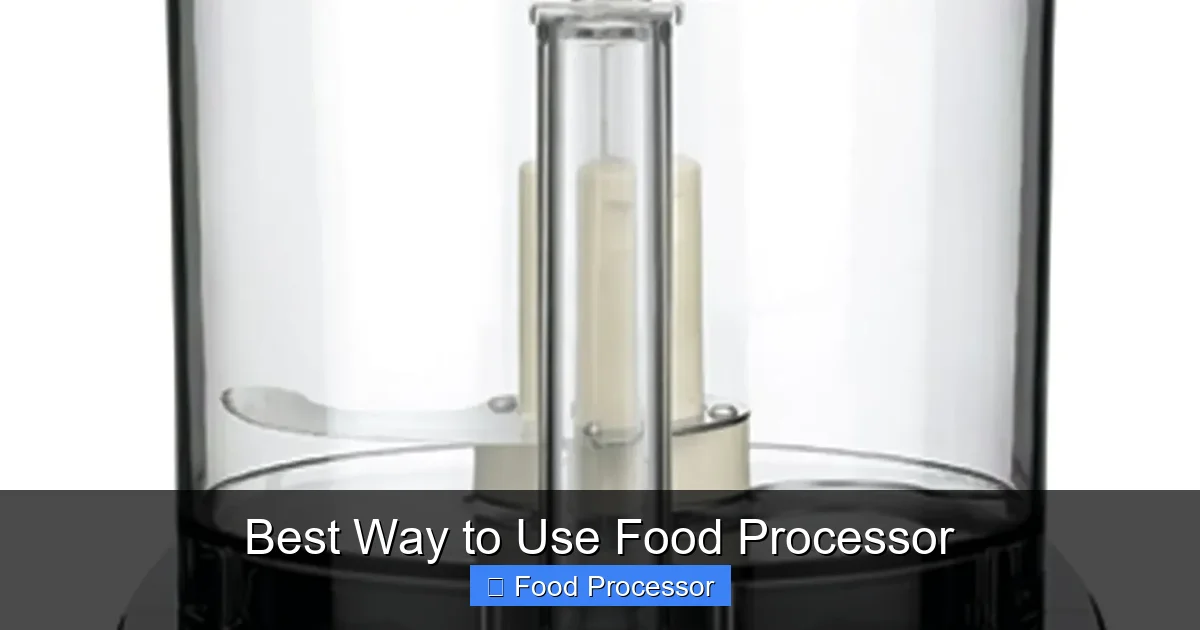
- S-Blade (Chopping Blade): Also known as the Sabatier blade, this metal blade is shaped like an “S” and is primarily used for chopping, mincing, pureeing, mixing, and kneading.
- Slicing Disc: A flat disc with a sharp blade that creates uniform slices of fruits and vegetables.
- Shredding Disc: Another flat disc, but with raised holes that shred ingredients like cheese or vegetables into various sizes.
- Dough Blade (Plastic Blade): Some food processors come with a plastic dough blade, which is gentler for kneading dough.
Safety Features
Most modern food processors have built-in safety mechanisms. The machine typically won’t operate unless the work bowl is correctly locked onto the base and the lid is securely locked onto the bowl. This is a crucial feature designed to prevent accidents, especially with the very sharp blades. Always make sure everything clicks into place.
Getting Started: Safety First!
Before you even think about plugging in your food processor, let’s talk about safety. These machines are incredibly powerful and come with very sharp blades, so caution is key.
Read Your Manual
Yes, really! Every food processor is a little different. Your specific model’s manual will have important safety warnings, assembly instructions, and care guidelines unique to your appliance. Taking a few minutes to read it can save you a lot of headaches (and fingers!).
Proper Assembly is Key
Your food processor won’t work correctly – or safely – if it’s not assembled properly.
Visual guide about Best Way to Use Food Processor
Image source: seriouseats.com
How to Assemble Your Food Processor
- Place the Base: Put the motor base on a stable, dry, and flat surface.
- Attach the Work Bowl: Carefully place the work bowl onto the base, usually with a twist-and-lock motion until it clicks into place. Make sure the handle is facing forward or to the side, as indicated by your model.
- Insert the Blade/Disc: If you’re using the S-blade, carefully lower it onto the spindle in the center of the bowl. For discs, place the spindle accessory first, then lower the chosen disc onto it. Always handle blades by the plastic hub, never the sharp edges.
- Secure the Lid: Place the lid onto the work bowl and twist it until it locks securely. You’ll often hear a click. The machine will not start if the lid isn’t locked.
- Insert the Pusher: Place the food pusher into the feed tube.
Essential Safety Rules
- Always Unplug: Before assembling, disassembling, cleaning, or when reaching into the bowl, always unplug your food processor.
- Keep Fingers Clear: Never put your hand or any utensil into the feed tube or work bowl while the motor is running or if the machine is plugged in. Always use the food pusher.
- Stable Surface: Ensure the food processor is on a stable, level surface where it won’t wobble or fall.
- No Overfilling: Do not fill the work bowl above the maximum fill line. Overfilling can strain the motor and lead to inconsistent results or even spills.
Preparing Your Ingredients for Success
The way you prepare your ingredients before they go into the food processor can significantly impact the final result.
Wash and Dry
Always wash fruits and vegetables thoroughly. For most tasks, especially slicing and shredding, drying your ingredients will help prevent them from sticking together or turning mushy.
Cut to Size
Ingredients should be cut into pieces small enough to fit comfortably through the feed tube or to move freely within the work bowl without jamming. For even chopping, try to cut similar-sized pieces. For slicing or shredding, cut items to fit the width of the feed tube for uniform results.
Visual guide about Best Way to Use Food Processor
Image source: cdn.apartmenttherapy.info
Temperature Matters
Chilling ingredients like cheese or butter before shredding or processing can lead to firmer, less sticky results. Conversely, slightly softened ingredients might be better for pureeing or mixing certain batters.
Mastering the Techniques: Your Food Processor’s Superpowers
Now for the fun part! Let’s explore the most common and useful tasks your food processor excels at.
Chopping and Mincing (Using the S-Blade)
This is perhaps the most frequent use for a food processor. It quickly chops vegetables, herbs, nuts, and more.
How to Chop Vegetables Effectively
- Prep Ingredients: Cut ingredients like onions, carrots, celery, or bell peppers into 1-2 inch pieces.
- Load the Bowl: Place the S-blade in the work bowl. Add ingredients, filling the bowl no more than two-thirds full. For best results, process similar-sized pieces together.
- Secure and Pulse: Lock the lid. Use the “pulse” button in short bursts (1-2 seconds each).
- Check and Repeat: After a few pulses, check the consistency. Continue pulsing until you reach your desired texture – coarse, fine chop, or mince.
Tip: For a more uniform chop, process smaller batches. Avoid simply holding down the “on” button, as this can quickly turn your ingredients into a puree. Using the pulse function allows you to control the size precisely. To learn more about how to chop vegetables effectively with your appliance, check out our detailed guide.
Slicing (Using the Slicing Disc)
Perfect for creating uniform slices of vegetables for salads, gratins, or chips.
How to Slice Ingredients Evenly
- Insert Disc: Place the spindle, then the slicing disc onto the spindle in the work bowl. Make sure the S-blade is removed.
- Prep Ingredients: Trim vegetables like cucumbers, potatoes, or carrots to fit the feed tube. For very long items, cut them in half.
- Process: Turn the food processor “on.” Drop ingredients through the feed tube, applying gentle, even pressure with the food pusher.
- Remove Slices: Once processed, turn off the machine, remove the pusher and lid, and carefully take out your perfectly uniform slices.
Tip: For soft items like tomatoes, use a firm, ripe one and chill it slightly before slicing for cleaner cuts. Don’t press too hard with the pusher, as this can crush softer ingredients.
Shredding (Using the Shredding Disc)
Ideal for grating cheese, shredding cabbage for coleslaw, or carrots for salads.
How to Shred Ingredients Quickly
- Insert Disc: Place the spindle, then the shredding disc onto the spindle in the work bowl.
- Prep Ingredients: Cut hard cheeses, cabbage, or carrots into pieces that fit the feed tube.
- Process: Turn the food processor “on.” Feed the ingredients through the feed tube, applying gentle, consistent pressure with the pusher.
Tip: For best results when shredding soft cheeses, chill them in the freezer for about 15-20 minutes before processing. This firms them up and prevents them from gumming up the disc. If you want to shred cheese perfectly, chilling is a must. Similarly, if you’re looking to shred cabbage for salads or slaws, ensure it’s cut into manageable wedges.
Pureeing and Blending (Using the S-Blade)
Achieve silky smooth textures for soups, sauces, hummus, nut butters, and baby food.
How to Puree Smoothly
- Load Ingredients: Place the S-blade in the work bowl. Add your cooked vegetables, fruits, or other ingredients.
- Add Liquid (if needed): For smoother purees, add a small amount of liquid (water, broth, oil, cream) through the feed tube while the machine is running.
- Process: Turn the food processor “on” and let it run continuously until the desired smooth consistency is achieved. Stop periodically to scrape down the sides of the bowl with a spatula.
Tip: For hot liquids, process in small batches to avoid pressure buildup, and always ensure the lid is securely locked.
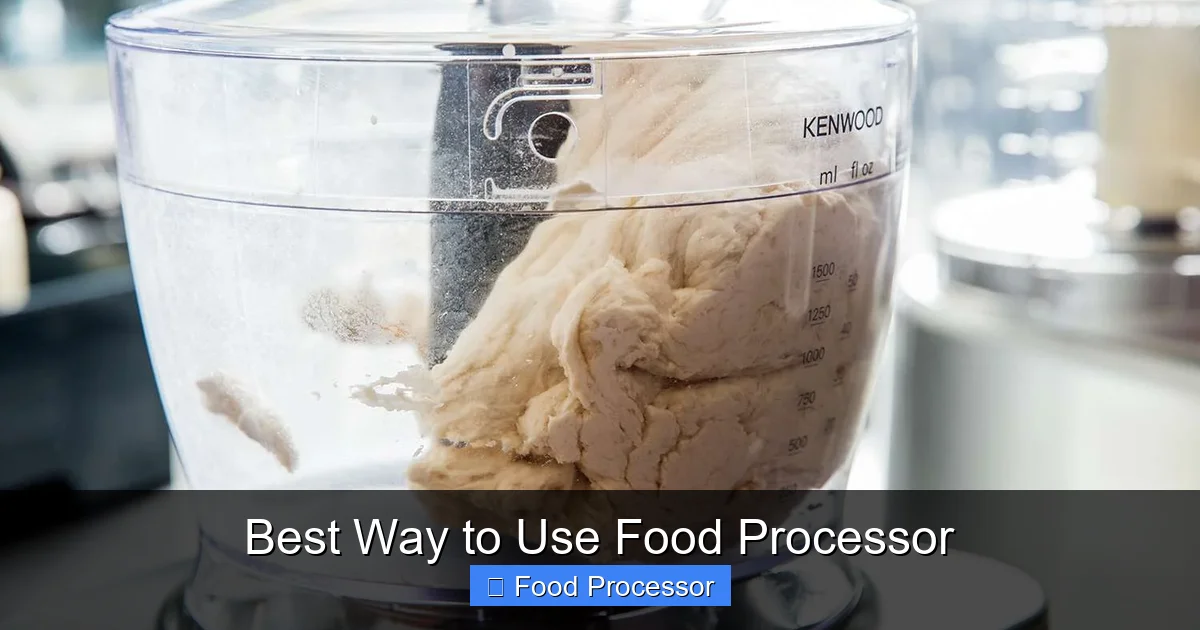
Dough Making (Using the Dough Blade or S-Blade)
Some food processors come with a dedicated dough blade, which is gentler on the motor and dough. If you don’t have one, the S-blade can also work for quick doughs like pie crusts.
Making Dough in Your Food Processor
- Insert Blade: Place the dough blade or S-blade in the work bowl.
- Add Dry Ingredients: Add flour, salt, and other dry ingredients. Pulse a few times to combine.
- Add Cold Fat (for pastry): If making pastry, add cold butter or shortening cubes. Pulse until the fat is cut into pea-sized pieces.
- Add Liquid: With the machine running, slowly pour ice water or other liquid through the feed tube until the dough just comes together into a ball. Do not overmix.
Tip: For yeast doughs, use the food processor only for mixing the ingredients until combined, then knead by hand or with a stand mixer for proper development.
Grinding (Using the S-Blade)
Grind nuts for flour, make breadcrumbs, or even grind coffee beans (though a dedicated grinder is better for consistency).
How to Grind Ingredients
- Load Ingredients: Place the S-blade in the work bowl. Add your nuts, dried bread, or other items. Fill no more than halfway to allow for proper circulation.
- Pulse: Use short, controlled pulses to break down the ingredients.
- Check and Repeat: Continue pulsing until you reach your desired texture, stopping frequently to scrape down the sides and check for consistency.
Tip: For very fine grinds, like nut flours, process in small batches to prevent the motor from overheating and to ensure an even texture.
Tips for Optimal Food Processor Performance
Beyond specific techniques, these general tips will help you get the best out of your food processor every time.
- Don’t Overfill: This is worth repeating. Overfilling leads to uneven processing, strain on the motor, and potential messes. Work in batches if needed.
- Embrace the Pulse Button: It gives you control. A quick pulse is often all you need, especially for chopping.
- Process Similar Textures Together: For best results, don’t mix hard carrots with soft tomatoes when chopping, for example. Process them separately.
- Scrape Down the Sides: Regularly stop the machine and use a rubber spatula to scrape down any ingredients that have climbed up the sides of the bowl. This ensures everything gets processed evenly.
- Chill for Firmness: As mentioned, chilling ingredients like cheese, butter, or even semi-frozen fruit (for sorbets) will yield better results when shredding or slicing.
- Add Liquids Slowly: When pureeing or making dressings, drizzle liquids through the feed tube while the machine is running for optimal emulsification.
- Don’t Force It: If an ingredient isn’t processing well, stop the machine, check the setup, and adjust the ingredient size or technique. Forcing it can damage the motor.
Cleaning and Maintenance
Proper cleaning and maintenance will ensure your food processor lasts for years and always performs at its best.
Unplug Before Cleaning
This is the golden rule. Always unplug the unit before you start cleaning any part of it.
Disassemble Carefully
Remove the pusher, lid, blade/disc, and work bowl. Handle the blades with extreme caution, gripping them only by the plastic hub.
Washing
Most modern food processor bowls, lids, and blades are dishwasher-safe (top rack recommended). However, handwashing is often gentler and can extend the life of your parts, especially the blades’ sharpness. Use warm, soapy water and a brush to get into crevices. Never submerge the motor base in water. Wipe it clean with a damp cloth.
Drying and Storage
Ensure all parts are completely dry before reassembling or storing to prevent mildew or rust. Store the blade safely – some models come with blade storage cases.
Troubleshooting Common Issues
Even with the best care, you might encounter a hiccup or two. Here are some common problems and their solutions.
Food Processor Blade Not Spinning
If your food processor blade not spinning, the most common culprit is improper assembly.
Solution: Check that the work bowl is securely locked onto the base, and the lid is securely locked onto the work bowl. Many food processors have safety interlocks that prevent operation if these aren’t correctly aligned. Also, ensure the blade is properly seated on the spindle. If the issue persists, refer to your manual or contact customer support.
Motor Overheating or Stopping
This usually happens if you’re processing too much at once, using too thick or hard ingredients, or running the machine continuously for too long.
Solution: Turn off and unplug the unit. Let it cool down for at least 15-30 minutes. Reduce the batch size, cut ingredients into smaller pieces, and use the pulse function more frequently rather than continuous running.
Inconsistent Results (Some Chunks, Some Mush)
This often occurs when the bowl is overfilled, or ingredients are not cut to uniform sizes.
Solution: Process in smaller batches. Ensure all ingredients are cut to similar sizes before adding them to the bowl. Use the pulse function and scrape down the sides frequently to ensure even processing.
Lid Won’t Lock
This is a safety feature preventing operation.
Solution: Ensure the work bowl is correctly seated and locked onto the base. Then, make sure the lid is aligned with the bowl’s locking mechanism and twisted until it clicks into place. Sometimes a stray piece of food can block the locking mechanism.
Conclusion
Congratulations, you’re now equipped with the knowledge to use your food processor to its fullest potential! We’ve covered everything from understanding its parts and essential safety protocols to mastering a variety of powerful techniques like chopping, slicing, shredding, pureeing, and grinding. You also have practical tips for optimal performance and troubleshooting common issues.
By following these guidelines and regularly practicing with your machine, you’ll find that your food processor isn’t just a convenience; it’s an indispensable kitchen partner that saves time, effort, and opens up a world of culinary possibilities. So go ahead, experiment, create, and enjoy the ease and efficiency this amazing appliance brings to your cooking. Happy processing!
