
If your Bosch food processor stopped working, it can be frustrating, but many issues are often simple to fix at home. This comprehensive guide provides step-by-step troubleshooting, covering everything from basic power supply checks and proper assembly to understanding motor overload protection and resolving blade problems. You’ll learn how to diagnose and resolve common malfunctions to get your Bosch food processor back in action quickly and safely, saving you time and potential repair costs.
Bosch Food Processor Stopped Working: A Complete Troubleshooting Guide
There’s nothing quite as frustrating as being mid-recipe, only for your trusty Bosch food processor to suddenly go silent. One minute you’re chopping, mixing, or pureeing with ease, and the next, your Bosch food processor stopped working. It can feel like a major setback, especially when you’re on a tight schedule or preparing a complex dish. But don’t despair! While a non-functioning appliance might seem like a big problem, many of the reasons a Bosch food processor stops working are surprisingly simple to diagnose and fix right at home.
This comprehensive guide is designed to walk you through every step of troubleshooting your Bosch food processor. We’ll cover everything from basic power checks to inspecting the motor and blades, ensuring you have all the information you need to identify the problem and get your appliance back in action. Our goal is to empower you to handle common issues confidently, saving you time, money, and the hassle of a professional repair. Let’s get your Bosch food processor back to doing what it does best!
Key Takeaways
- Safety First: Always unplug your Bosch food processor from the power outlet before inspecting, cleaning, or attempting any repairs to prevent electrical shock or accidental activation.
- Check Power & Assembly: Most common issues stem from power supply problems (not plugged in, tripped breaker) or incorrect assembly. Bosch food processors have strict safety interlock mechanisms that prevent operation if the bowl and lid are not perfectly aligned and locked.
- Motor Overload Protection: If your Bosch food processor suddenly stopped working mid-task, especially with dense ingredients, it likely activated its thermal overload protector. Allow the unit to cool down for 20-30 minutes before attempting to restart.
- Blade & Drive Shaft Issues: A jammed blade due to oversized ingredients or a problem with the drive shaft coupling can prevent the motor from engaging or transferring power. Clear obstructions and inspect for damage.
- Inspect Power Cord & Attachments: Visually check the power cord for damage and ensure the plug is fully seated. Also, consider if the problem is specific to a particular attachment, as issues can sometimes be isolated.
- Preventative Maintenance: Regular cleaning, avoiding overfilling the bowl, cutting ingredients into appropriate sizes, and allowing the motor to rest between heavy tasks can significantly extend the lifespan of your Bosch food processor and prevent future breakdowns.
Safety First: Before You Begin
Before you start poking around your Bosch food processor, the most important step is to ensure your safety. Electricity and moving parts can be dangerous.
Unplug the Appliance
Always, and we mean *always*, unplug your Bosch food processor from the wall outlet before you do anything else. This eliminates any risk of electrical shock or accidental motor activation while you’re inspecting the unit. Safety is paramount when dealing with any electrical appliance.
Gather Your Tools
For most troubleshooting steps, you won’t need many specialized tools. A flashlight might be helpful for peering into crevices, and a clean cloth could be useful for wiping down parts. Keep your user manual handy if you still have it, as it often contains model-specific diagrams and troubleshooting tips.
Step 1: Check the Power Supply
It might sound obvious, but a surprising number of “broken” appliances simply aren’t getting power. This is the first and easiest thing to check when your Bosch food processor stopped working.
Is It Plugged In Properly?
First, make sure the power cord is securely plugged into both the food processor and the wall outlet. Sometimes, a loose connection is all it takes to interrupt power. Give it a firm push at both ends to ensure it’s fully seated.
Visual guide about Bosch Food Processor Stopped Working
Image source: applianceparts.co.za
Test the Electrical Outlet
If the plug seems fine, the problem might be with the outlet itself. Plug another small appliance (like a lamp or a phone charger) into the same outlet to see if it works. If the other appliance doesn’t work either, the outlet is likely dead.
- Check for a Tripped Circuit Breaker: Head to your home’s electrical panel. Look for a breaker that is “tripped” (usually halfway between ON and OFF, or fully OFF). Flip it completely to the OFF position, then firmly back to the ON position.
- Try a Different Outlet: If the circuit breaker isn’t tripped or you can’t find it, try plugging your Bosch food processor into a different, known-working outlet in another part of your kitchen. This helps determine if the issue is with the outlet or the appliance.
Examine the Power Cord
Visually inspect the power cord for any signs of damage. Look for cuts, fraying, exposed wires, or kinks. A damaged cord can prevent power from reaching the motor. If the cord is damaged, it’s a safety hazard and needs to be replaced by a qualified technician or the entire unit might need servicing.
Step 2: Verify Proper Assembly and Safety Interlocks
Bosch food processors, like most modern kitchen appliances, have safety features to prevent them from operating if they are not correctly assembled. If your Bosch food processor stopped working, or never even started, this is a very common culprit.
Correct Bowl and Lid Locking
The most frequent reason a food processor won’t start is incorrect assembly of the bowl and lid. Bosch models have precise interlock mechanisms:
Visual guide about Bosch Food Processor Stopped Working
Image source: applianceparts.co.za
- Bowl Placement: Ensure that the bowl is seated correctly on the motor base and rotated until it locks securely. You’ll usually feel a click or notice alignment arrows.
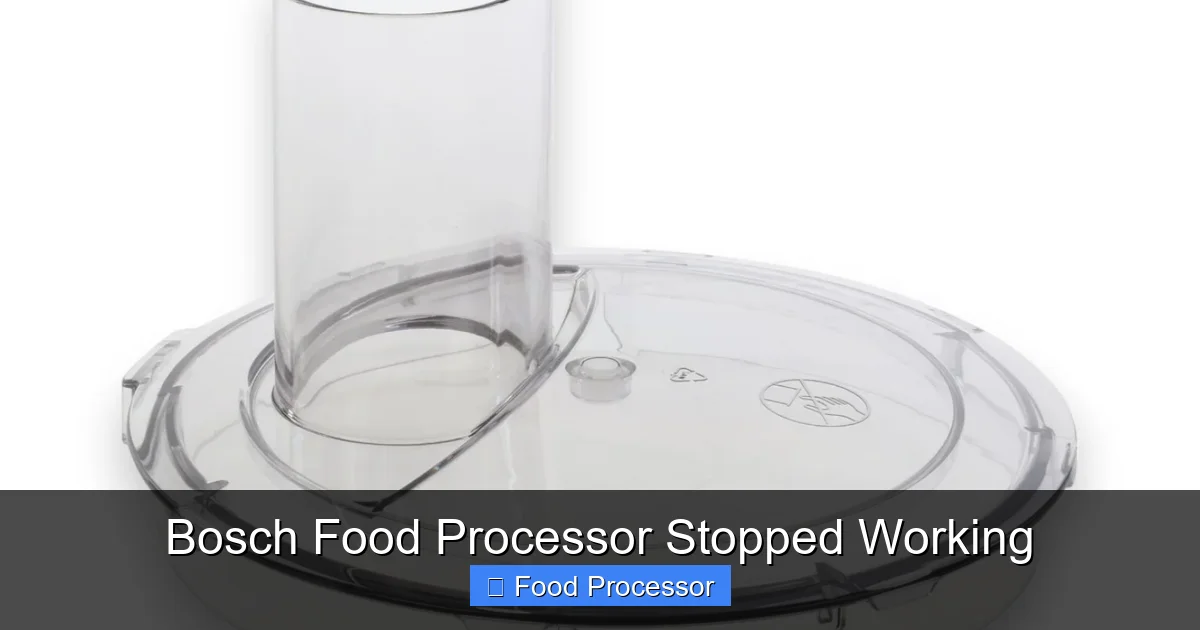
- Lid Engagement: The lid must then be placed on top and also twisted until its safety tabs engage with the interlock mechanism on the bowl or motor base. Again, listen for a click or check alignment marks. If you need a refresher, you can always check a guide on how to assemble a food processor step-by-step.
- Pusher/Feeder Tube: Some models require the food pusher to be inserted into the feeder tube for the safety interlock to fully engage. Try inserting it, even if you’re not using it.
Even a slight misalignment can prevent the machine from starting. Remove and re-assemble all parts carefully, ensuring they are snug and locked into place.
Blade/Disc Alignment and Drive Shaft
Ensure the blade or disc attachment is correctly placed on the drive shaft within the bowl before you put the lid on. If it’s crooked or not fully seated, it can prevent the lid from locking properly or the drive shaft from engaging with the motor.
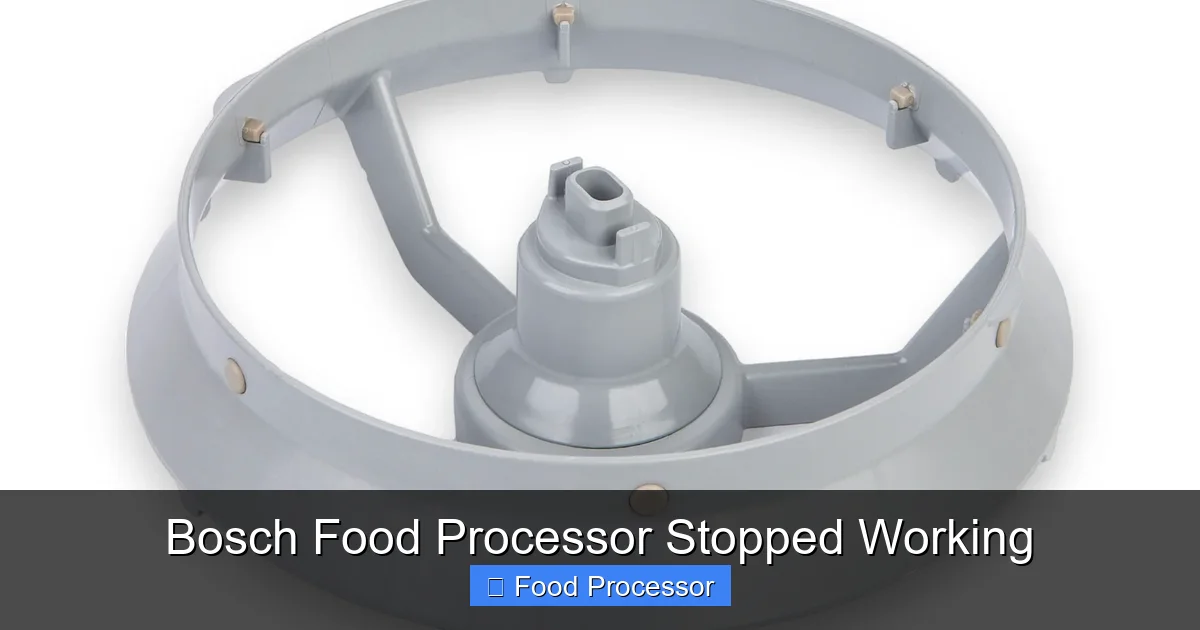
- Check the Drive Shaft Coupling: Look at the drive shaft (the part that sticks up in the center of the bowl). Is it intact? Does it spin freely? Is the coupling (the part that connects to the motor) clean and undamaged? Sometimes food debris can get stuck in there, preventing a proper connection.
Step 3: Address Motor Overload Protection
Modern Bosch food processors are equipped with a thermal overload protector. This is a crucial safety feature designed to prevent the motor from overheating and burning out. If your Bosch food processor stopped working abruptly mid-task, especially during heavy use, this is highly likely the cause.
Understanding Thermal Cut-Out
The motor overload protector automatically shuts off the appliance if it detects that the motor is working too hard, processing too much food, or running for too long. This protects the motor from permanent damage.
Cool-Down Period
If the overload protector has tripped:
- Unplug the Unit: Disconnect the food processor from power.
- Empty the Bowl: Remove any food from the processing bowl.
- Allow to Cool: Let the unit cool down completely. This typically takes 20 to 30 minutes, but for very intense tasks, it might need even longer. You’ll often find specific cooling times in your user manual.
- Reset: After it has cooled, plug it back in and try operating it again with a smaller load.
Preventing Overload
To avoid tripping the overload protector again:
- Don’t Overfill: Adhere to the maximum fill lines indicated on your food processor bowl.
- Process in Batches: For larger quantities of food, process them in smaller batches.
- Cut Ingredients: Chop larger or harder ingredients into smaller, more manageable pieces before adding them to the bowl.
- Don’t Force It: If the motor sounds like it’s struggling, stop and reduce the load or cut the ingredients smaller.
Step 4: Inspect the Blade and Drive Shaft
Problems with the blade or how it interacts with the drive shaft can also cause your Bosch food processor to stop working or prevent it from starting.
Clear Jams and Obstructions
Sometimes, a piece of food, particularly something hard or fibrous, can get wedged under the blade, preventing it from turning or creating excessive resistance. This can also trigger the motor overload protector.
- Remove Blade: Carefully remove the blade (remember, it’s sharp!) and clear any food debris or obstructions from underneath it and around the drive shaft.
- Check Blade Movement: Once cleared, try to spin the blade by hand (with care, holding it from the top). It should rotate freely.
Check for Damage to the Blade or Drive Shaft
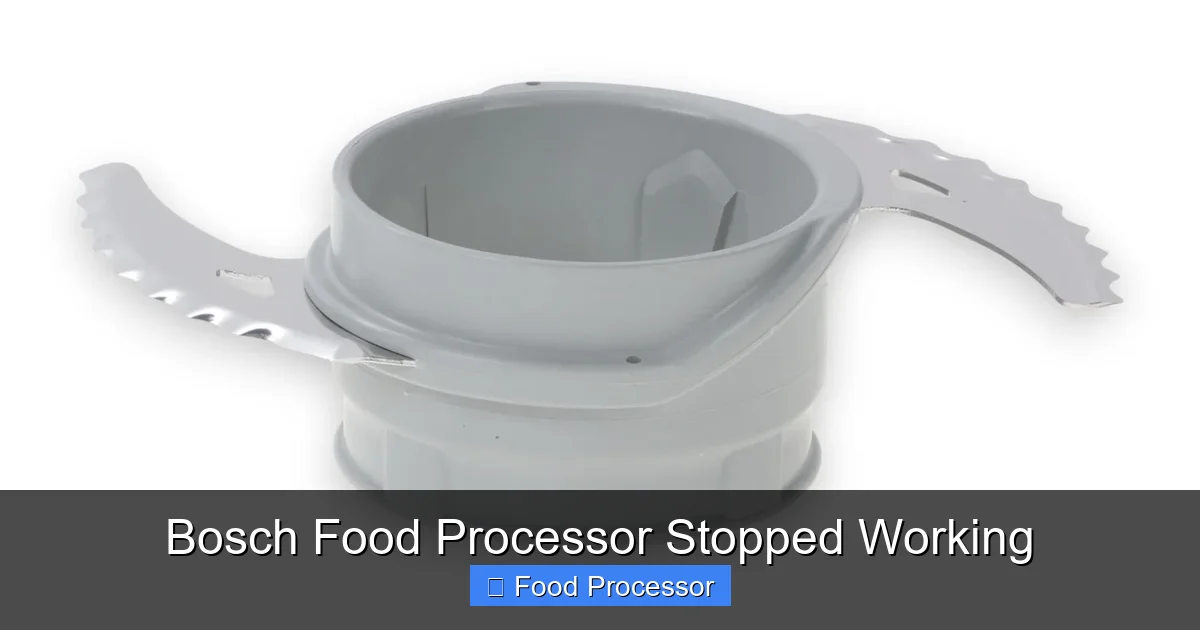
Examine the blade for any bends, cracks, or dullness. A damaged blade can impede proper function. Also, inspect the plastic coupling on the blade itself and the drive shaft on the motor base. If either of these parts is stripped, cracked, or worn, they won’t be able to transmit power effectively from the motor to the blade.
If you find that your food processor blade is not spinning, even when the motor sounds like it’s trying, this section is crucial. A stripped coupling is a common reason for this specific issue. In many cases, you might be able to purchase a replacement blade or drive shaft from Bosch’s service parts website.
Step 5: Examine the Power Cord and Plug
While we touched on this in Step 1, it’s worth a more detailed inspection if other common fixes haven’t worked.
Visual Inspection for Damage
Look carefully along the entire length of the power cord. Check for:
- Cuts or Fraying: Any visible damage to the outer insulation.
- Pinched Areas: Sections where the cord might have been trapped or severely bent.
- Discoloration or Burn Marks: These are serious signs of electrical issues.
Also, check the plug itself. Are the prongs bent, loose, or discolored? If there’s any damage to the cord or plug, it’s unsafe to use. Do not attempt to repair it yourself. Contact Bosch customer service or a qualified electrician for advice.
Step 6: Consider Attachment-Specific Problems
Bosch food processors often come with a variety of attachments (different blades, slicing/shredding discs, whisks, etc.). If your Bosch food processor stopped working only when using a specific attachment, the problem might lie with that attachment rather than the main motor unit.
Test with Different Attachments
If you have other compatible attachments, try running the food processor with a different one. If it works with other attachments but not a particular one, then that specific attachment might be damaged or incorrectly assembled. Inspect the faulty attachment for any cracks, broken tabs, or stripped couplings.
For example, a slicing disc might have a broken piece that prevents the lid from locking, or a whisk attachment might have a bent component that jams the mechanism.
Step 7: Deep Clean and Maintenance
Sometimes, accumulated food debris or sticky residues can hinder the smooth operation of parts, particularly around the safety interlocks or the drive shaft.
Thorough Cleaning
With the unit unplugged, disassemble all removable parts (bowl, lid, blades, pushers). Wash them thoroughly according to your Bosch manual’s cleaning instructions. Pay special attention to:
- Safety Tabs and Slots: Ensure there’s no sticky residue preventing the tabs on the lid or bowl from engaging properly.
- Drive Shaft Area: Clean around the base of the drive shaft on the motor unit to remove any dried food that might impede its movement or connection.
- Blade Assembly: Make sure no food is dried into the crevices of the blade or its plastic housing.
Allow all parts to dry completely before reassembling. Regular cleaning is a form of preventative maintenance that can extend the life of your appliance.
Troubleshooting Advanced Issues
If you’ve gone through all the basic checks and your Bosch food processor stopped working, and still isn’t showing signs of life, it might be time to consider more complex issues.
Burning Smell or Smoke
If you noticed a burning smell, saw smoke, or heard unusual grinding noises before your food processor stopped working, this indicates a serious motor issue. Stop using the appliance immediately, unplug it, and do not attempt to use it again. This usually means the motor windings have burned out, or there’s significant internal damage.
Strange Noises
If your food processor makes loud grinding, clicking, or whirring noises but the blade isn’t turning, it suggests a problem with the motor, gears, or the drive shaft coupling. If the motor is running but the blade isn’t, the coupling might be stripped. If the motor sounds like it’s struggling or grinding, it could be internal motor wear or a faulty gearbox.
If you’ve identified that the issue specifically relates to the blade not spinning, even after checking for jams and proper assembly, you might find more detailed solutions in our guide on how to fix a food processor blade not spinning.
Intermittent Operation
If your Bosch food processor works sometimes and then stops, or cycles on and off, this could point to a loose internal wiring connection, a faulty switch, or a failing motor. These issues require professional diagnosis and repair.
When to Call for Professional Help
After exhausting the troubleshooting steps above, if your Bosch food processor still isn’t working, it’s likely that the problem is beyond a simple DIY fix. Here’s when to seek professional assistance:
- Internal Electrical Issues: Any problems related to wiring, switches, or the motor itself should be handled by a qualified technician. Tampering with these can be dangerous and may void your warranty.
- Damaged Motor: If you suspect the motor is burnt out or severely damaged (e.g., burning smell, smoke), it requires professional assessment.
- Under Warranty: If your Bosch food processor is still under warranty, contact Bosch customer service directly. Attempting repairs yourself might void the warranty.
- Cost-Benefit Analysis: Consider the age of your appliance and the potential cost of repair versus buying a new one. Sometimes, especially for older units, a replacement might be more economical. However, Bosch appliances are known for their durability, so a repair might be worthwhile. Many general troubleshooting guides, like food processor stopped working how to fix it, often emphasize this decision point.
Preventative Tips to Avoid Future Breakdowns
A little care goes a long way in ensuring your Bosch food processor continues to perform reliably for years to come.
- Read the Manual: Familiarize yourself with your specific model’s instructions, maximum capacities, and care guidelines.
- Clean Regularly: After each use, disassemble and clean all removable parts to prevent food buildup and sticky residues from affecting performance.
- Don’t Overload: Always respect the maximum fill lines and process food in batches, especially dense or hard ingredients.
- Cut Ingredients Properly: Chop large or hard items (like large carrots, hard cheese, or nuts) into smaller, uniform pieces before adding them to the bowl. This reduces strain on the motor.
- Avoid Continuous Running: Give your motor short breaks, especially during heavy tasks, to prevent overheating.
- Store Properly: Store your food processor in a clean, dry place, ensuring no heavy items are placed on top of the bowl or lid that could cause stress or damage.
Conclusion
Having your Bosch food processor stopped working can definitely put a damper on your kitchen productivity. However, by systematically going through these troubleshooting steps, you can often pinpoint and resolve common issues yourself. From ensuring proper power supply and correct assembly to understanding the motor’s overload protection and checking for blade obstructions, many problems have straightforward solutions.
Remember, safety should always be your top priority. Always unplug the appliance before inspection. If you encounter signs of significant internal damage like burning smells or smoke, or if the problem persists after trying all these steps, it’s best to consult Bosch customer service or a qualified repair technician. With a bit of patience and this guide, you can likely get your Bosch food processor back to smoothly assisting you with all your culinary adventures!
