
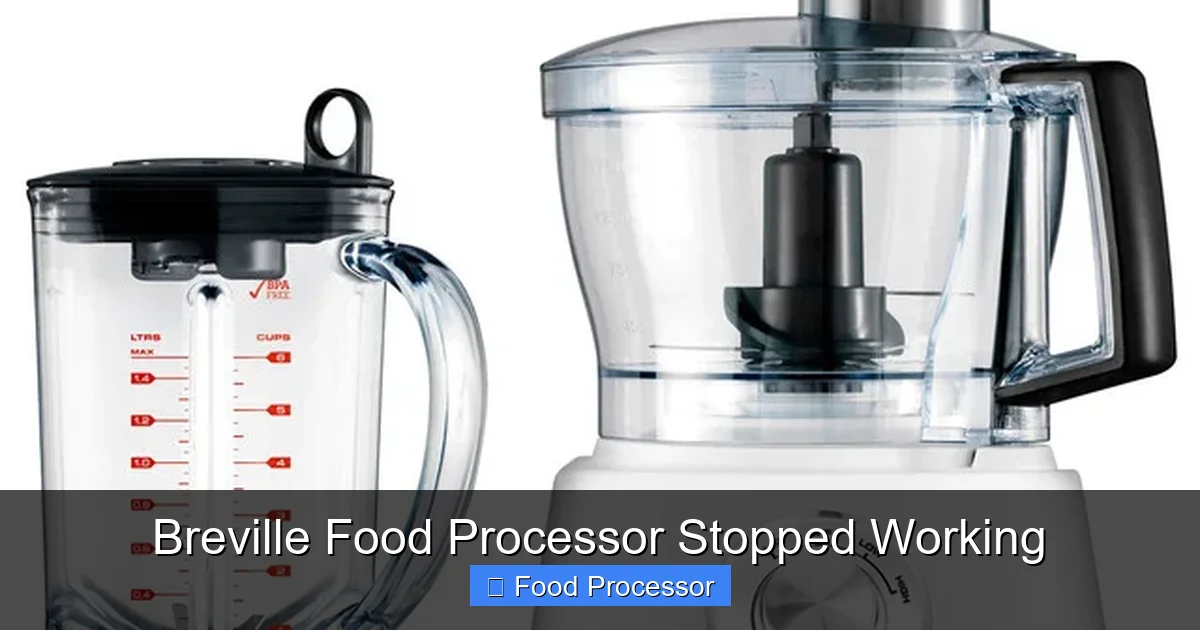
When your Breville food processor stops working, it can be frustrating, especially mid-recipe. This guide provides comprehensive, easy-to-follow steps to diagnose and fix common problems. You’ll learn how to check for power issues, ensure proper assembly, handle overload protection, and troubleshoot blade or motor malfunctions. With practical tips and clear instructions, you can often get your Breville food processor back up and running without needing professional help, saving you time and money.
Breville Food Processor Stopped Working: Your Ultimate Troubleshooting Guide
There’s nothing quite as frustrating as being in the middle of preparing a delicious meal, only for your trusty Breville food processor to suddenly grind to a halt. One moment it’s effortlessly chopping, slicing, or pureeing, and the next, it’s just… silence. Or maybe a faint hum. Or perhaps it simply refuses to turn on at all. Whatever the symptom, a Breville food processor stopped working can throw a serious wrench into your kitchen plans.
But don’t panic! Many common food processor issues are surprisingly simple to fix yourself. You don’t always need to rush out for a replacement or call an expensive technician. This comprehensive guide will walk you through a step-by-step troubleshooting process specifically tailored for your Breville food processor. We’ll cover everything from the simplest power checks to more complex motor and assembly issues. By the end, you’ll be equipped with the knowledge to diagnose and, hopefully, resolve why your Breville food processor stopped working, getting you back to culinary creations in no time. Let’s get started!
Key Takeaways
- Start with Basic Checks: Always begin troubleshooting by verifying the power supply and ensuring all parts of your Breville food processor are correctly assembled and locked into place, as safety mechanisms are common culprits.
- Understand Overload Protection: Breville food processors feature built-in overload protection. If your unit suddenly stops or hums loudly and then stops, it likely needs time to cool down and reset.
- Inspect Blade and Bowl Assembly: Many issues stem from improper blade placement, a jammed blade, or the bowl/lid not being securely latched, preventing the safety interlock from engaging.
- Listen to Your Machine: A humming sound without movement often points to a motor issue or a jam, while complete silence indicates a power supply or electrical fault.
- Consult the User Manual: Your Breville food processor’s specific model manual is an invaluable resource for unique troubleshooting steps and error codes.
- Prioritize Safety: Always unplug your Breville food processor before inspecting or attempting any repairs to prevent electrical shock or accidental activation.
- Consider Professional Help: If basic troubleshooting doesn’t resolve the issue, especially with motor or complex electrical problems, it might be time to contact Breville support or a qualified technician.
Step 1: Safety First! Unplug Your Breville Food Processor
Before you even think about poking around inside your Breville food processor, the very first and most crucial step is to ensure your safety.
Unplug from the Wall Outlet
Always, always, always unplug your Breville food processor from the electrical outlet. This eliminates any risk of electrical shock or accidental activation while you’re inspecting its components. Safety is paramount when dealing with any electrical appliance.
Step 2: Check the Power Supply
It might seem obvious, but a surprising number of “broken” appliances are simply not receiving power. This is the easiest and quickest check when your Breville food processor stopped working.
Verify the Outlet
First, check the electrical outlet itself. Is it working? Try plugging another small appliance, like a phone charger or a lamp, into the same outlet. If that appliance doesn’t work either, the problem isn’t your food processor; it’s the outlet. Check your home’s circuit breaker or fuse box to see if a breaker has tripped. Reset it if necessary.
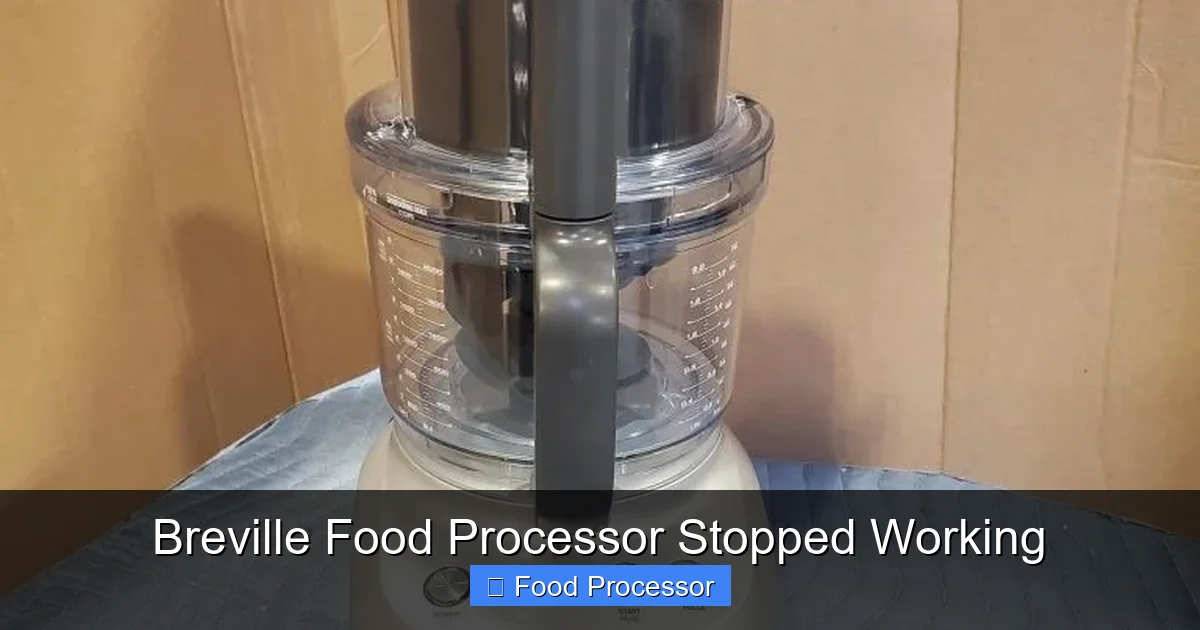
Visual guide about Breville Food Processor Stopped Working
Image source: dygtyjqp7pi0m.cloudfront.net
Inspect the Power Cord
Carefully examine the power cord of your Breville food processor for any visible damage. Look for cuts, frayed wires, bent prongs, or discoloration. A damaged cord can prevent power from reaching the motor. If you find any damage, the cord will need to be replaced, or you’ll need to contact Breville service.
Check for GFCI Trip
If your outlet is connected to a Ground Fault Circuit Interrupter (GFCI), common in kitchens and bathrooms, it might have tripped. Look for “Reset” and “Test” buttons on the outlet. Press the “Reset” button firmly. If it clicks back into place, try plugging in your food processor again.
Step 3: Ensure Proper Assembly and Safety Interlocks
Breville food processors, like most modern food processors, are designed with safety in mind. They won’t operate unless all parts are correctly assembled and locked into place. This is a very common reason why your Breville food processor stopped working.
Secure the Bowl
The work bowl must be correctly seated on the motor base and rotated until it locks securely. You should hear a click or feel it firmly engage. If the bowl isn’t locked, the safety interlock will prevent the motor from starting.
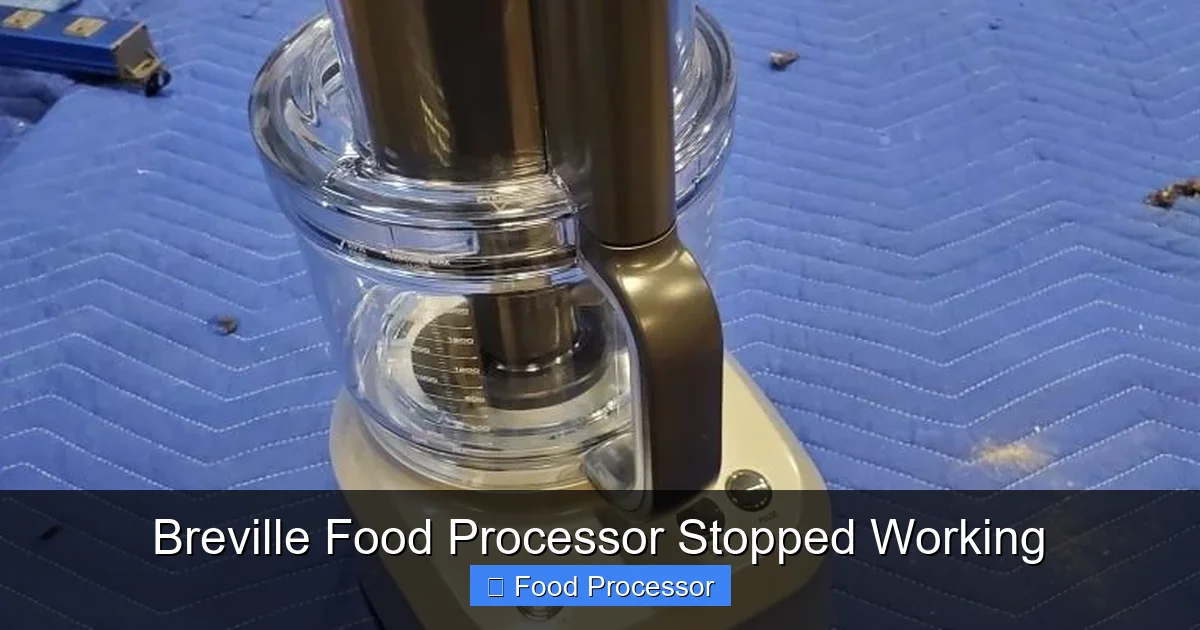
Visual guide about Breville Food Processor Stopped Working
Image source: dygtyjqp7pi0m.cloudfront.net
Place the Blade/Disc Correctly
Ensure the processing blade or disc is properly placed on the center spindle inside the bowl. It should sit flush and firmly. An improperly seated blade can prevent the lid from closing correctly or prevent the spindle from engaging the motor.
For a detailed guide on ensuring all components are in their rightful place, you might want to review how to assemble your food processor correctly.
Lock the Lid
The lid is often the trickiest part. It needs to be placed on the bowl and rotated until it locks into position. Many Breville models have an arrow or indicator on the lid and bowl that needs to align. The feed chute pusher also often needs to be inserted into the feed chute for the final interlock to engage. If the lid is even slightly misaligned, the machine won’t power on. This is a common culprit when your Breville food processor stopped working.
Step 4: Address Overload Protection
Breville food processors are powerful, but they also have built-in safety features to prevent motor damage, especially if you’re processing very tough ingredients or overfilling the bowl.
Motor Overload
If you were processing something dense (like dough, nuts, or hard vegetables) and your Breville food processor suddenly stopped, or you heard a loud hum followed by silence, the motor’s overload protection likely kicked in. This is a safety mechanism that automatically shuts off the motor to prevent overheating.
Resetting the Motor
If you suspect an overload:
- Unplug the unit: Always start here.
- Remove the contents: Take out the food you were processing. If it was too much, remove some of it for a smaller batch.
- Let it cool: Allow the motor to cool down. This usually takes 15-30 minutes, sometimes longer. You might even feel the motor base getting warm.
- Reassemble and retry: After it has cooled, plug the unit back in, reassemble everything correctly, and try again with a smaller load.
Step 5: Troubleshoot Blade and Spindle Issues
Sometimes, the motor might be working, but the blade isn’t spinning, or it feels jammed. This is a specific issue that can make your Breville food processor stopped working effectively.
Check for Jams
Even if you removed the main contents for overload protection, small pieces of food can get lodged underneath or around the blade, preventing it from rotating freely. Remove the blade and inspect the spindle and the area where the blade sits for any obstructions.
Blade Not Spinning
If the motor hums but the blade doesn’t spin, or spins weakly, it could indicate a few things:
Damaged Drive Coupling
The drive coupling is the part on the motor base that connects to the blade assembly. Over time, or with heavy use, this plastic or metal coupling can wear down or strip, preventing the motor’s power from transferring to the blade. Inspect both the coupling on the motor base and the corresponding part on the blade assembly for wear or damage. If damaged, these parts usually need to be replaced.
If you’re noticing your food processor blade might not be spinning, this area is a critical spot to check.
Worn Blade Bushing
The blade itself might have a worn bushing or bearing, causing it to seize up. Try spinning the blade by hand (carefully!) when it’s off the motor base. If it feels stiff or resists movement, the blade itself might be faulty and need replacement.
For more specific solutions when your Breville food processor blade isn’t spinning, consult our guide on how to fix a food processor blade that isn’t spinning.
Step 6: Investigate Motor or Electrical Switch Problems
If none of the above steps resolve the issue, and your Breville food processor stopped working completely (no hum, no lights, nothing), the problem might lie deeper within the motor or electrical components.
No Power/No Lights
If you’ve confirmed the outlet is working and the cord is fine, but the food processor is completely dead, it could be a main power switch issue or a blown internal fuse. This is usually beyond basic DIY repair and often requires professional service or replacement.
Motor Hums But Doesn’t Spin
If the motor hums but the blade doesn’t spin, even after checking for jams and drive coupling issues, it could be a motor winding problem or a capacitor failure. This indicates a more serious internal motor issue. Again, this usually warrants professional attention.
Burning Smell
If you smell burning plastic or electrical components, immediately unplug the food processor. This is a sign of serious motor damage or an electrical short. Do not attempt to use it again. It’s time to contact Breville customer service or a qualified repair technician.
Step 7: Check the Control Panel and Buttons
Sometimes, the issue isn’t with the motor or assembly, but with the interface you use to operate the machine.
Unresponsive Buttons
If the “On,” “Pulse,” or other function buttons on your Breville food processor are not responding, even with power to the unit, it could be a faulty control panel or internal wiring issue. Try firmly pressing the buttons several times. Sometimes a sticky button can be freed, but persistent unresponsiveness usually points to a component failure.
Intermittent Operation
If your food processor works sometimes and not others, it could be a loose internal connection or a failing switch. This can be particularly frustrating when your Breville food processor stopped working unpredictably.
Step 8: Consult Your Breville User Manual
Every Breville food processor model can have unique features, safety interlocks, or troubleshooting tips specific to its design.
Refer to the Specific Model Manual
Your user manual is an invaluable resource. It will have diagrams showing correct assembly, specific troubleshooting sections, and often a list of error codes if your model has a digital display. If you no longer have a physical copy, most Breville manuals can be easily found and downloaded from their official website using your model number.
Step 9: When to Seek Professional Help or Consider Replacement
Despite your best efforts, sometimes a fix is simply beyond a DIY approach. Knowing when to call it quits can save you time and prevent further damage.
Signs It’s Time for Professional Service
Consider professional repair if:
- The motor is completely dead, and basic checks haven’t helped.
- There’s a burning smell.
- The motor hums but the blade doesn’t spin, and you’ve ruled out jams and drive coupling issues.
- You’re uncomfortable performing a more complex repair yourself.
Factors for Replacement
The cost of repair vs. replacement is a key factor. If your Breville food processor is an older model, replacement parts might be expensive or hard to find. If the repair cost approaches or exceeds half the price of a new unit, it might be more economical to invest in a new one. Remember to consider the what to consider when buying a food processor for your next purchase.
Step 10: Preventative Maintenance for Your Breville Food Processor
To minimize the chances of your Breville food processor stopped working in the future, follow these simple maintenance tips.
Don’t Overload
Always process ingredients in smaller batches if they are dense or if your recipe calls for large quantities. This prevents the motor from straining and engaging the overload protection repeatedly.
Clean Thoroughly
After each use, disassemble and clean all parts according to the manufacturer’s instructions. Food residue can build up, causing sticking or interfering with proper assembly and function. Pay special attention to the areas around the blade and the spindle.
Store Properly
Store your food processor in a clean, dry place. Ensure all components are stored together to prevent loss or damage.
Avoid Immersion
Never immerse the motor base in water or any other liquid, as this can cause severe electrical damage.
Conclusion
It’s certainly a hassle when your Breville food processor stopped working, especially when you rely on it for so many kitchen tasks. However, by systematically going through these troubleshooting steps, you can often pinpoint and fix the problem yourself. From ensuring proper power and assembly to understanding the nuances of overload protection and blade mechanics, you’re now better equipped to tackle common issues.
Remember, safety comes first – always unplug before inspection. If, after all your efforts, your Breville food processor remains unresponsive, don’t hesitate to reach out to Breville customer support or a qualified appliance technician. With a little patience and this guide, you can extend the life of your valuable kitchen tool and keep those delicious meals coming!
This guide, along with general advice for when a food processor stopped working how to fix it, should have you well on your way to a working appliance.
