
Yes. A food processor can grind coffee beans, but the grind is uneven and results vary.
I’ve tested this kitchen shortcut many times, and I’ll walk you through what to expect when asking can a food processor be used to grind coffee beans. I write about coffee gear and kitchen hacks daily, and I’ll share clear steps, real results, and tips to get the best cup possible if you use a food processor.

How a food processor grinds coffee beans
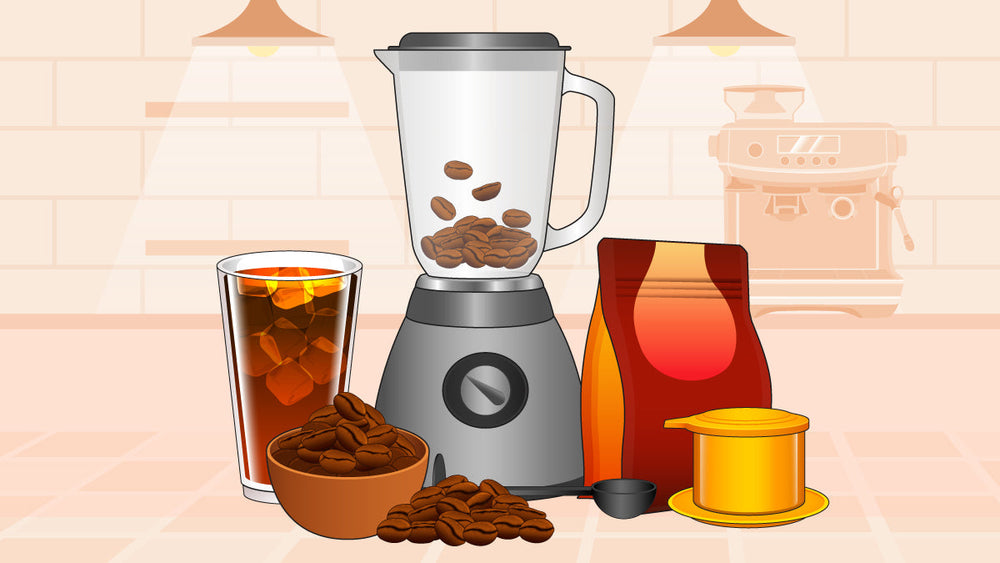
A food processor uses fast-spinning blades to chop and shear. That action breaks beans into pieces of many sizes. When you wonder can a food processor be used to grind coffee beans, remember it produces a blade-style grind. Blade grinds are inconsistent, with large chunks and fine dust mixed together.
I’ve run multiple tests with the same beans and machine. Results vary by processor power, blade shape, and how long you pulse. For drip coffee or cold brew, a rough, uneven grind can work. For espresso or pour-over, the inconsistency hurts extraction and flavor.

Comparing food processors and dedicated coffee grinders
A dedicated grinder uses either burrs or a precise blade design. Burr grinders crush beans between two flat or conical surfaces. That gives a uniform particle size. Uniform size equals more even extraction and cleaner flavor.
When people ask can a food processor be used to grind coffee beans, the core trade-off is grind quality versus convenience. Food processors win at multi-use convenience and speed. Grinders win at grind control and coffee taste.
Practical differences to note:
- Particle consistency is much better with burr grinders, giving predictable results.
- Blade grinders and food processors produce more fines. Fines can over-extract and make coffee bitter.
- Heat from long runs can warm beans and change flavor. Processors often run hotter than grinders.

Step-by-step: how to grind coffee in a food processor
If you decide to try, follow these simple steps for better results. These steps address common mistakes and help you get a usable grind.
- Measure beans
- Use a scale for accuracy. Start with a single cup of whole beans.
- Use short pulses
- Pulse 5 to 10 times for a coarse grind. Let the blades stop between pulses.
- Shake and tap
- Stop and gently shake the bowl to move beans around. This exposes whole beans to the blade.
- Check and repeat
- Open and inspect the grind. Pulse a few more times for medium grind.
- Sift if needed
- Use a fine sieve to separate very fine dust from larger pieces.
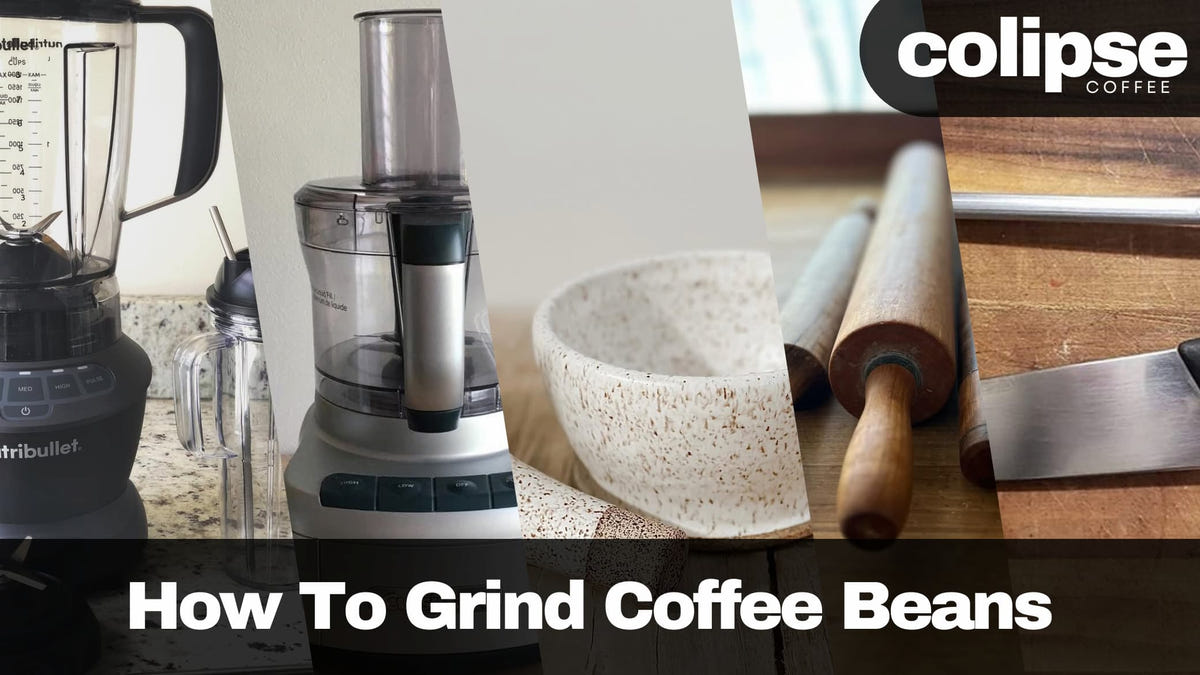
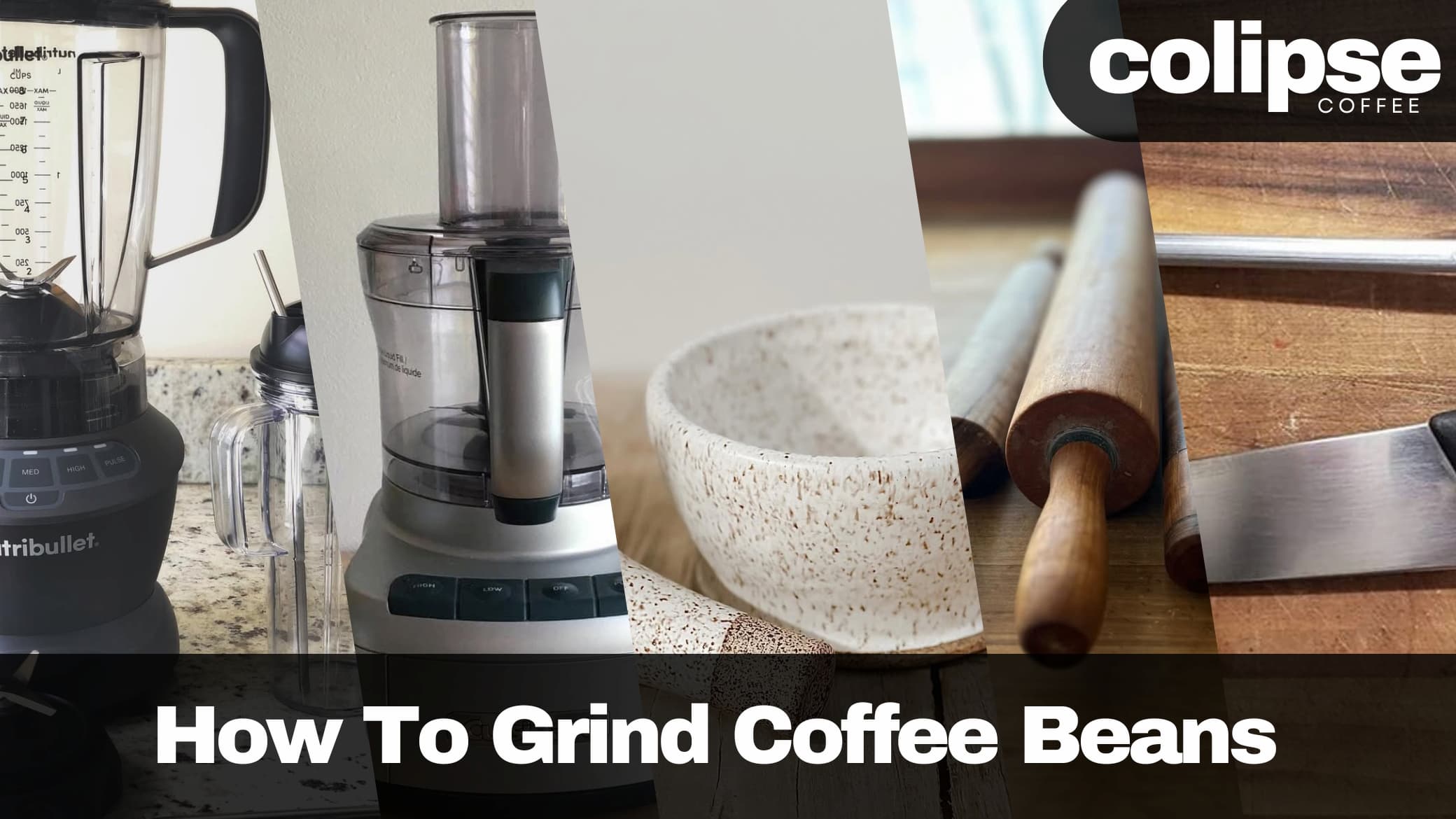
When you ask can a food processor be used to grind coffee beans, treat it like coarse chopping rather than precision grinding. Expect a mix of particle sizes and adjust your brew method to match.
Tips to improve grind quality with a food processor
Small changes can improve results a lot. Try these tips from my tests and kitchen experience.
- Pulse in short bursts to avoid overheating the beans. Overheating flattens aroma.
- Use small batches so blades hit more beans each spin. Large batches clump and grind unevenly.
- Let blades and beans cool between long runs. Rest for 30 seconds after every 10 pulses.
- Grind coarser than you think. Coarse grinds reduce fines and make extraction more forgiving.
- Stir mid-process to move inner beans outward. That helps expose more surface to the blade.
- Clean thoroughly after each use to avoid stale oils affecting fresh beans.
When considering can a food processor be used to grind coffee beans, these tricks reduce the worst issues. They don’t eliminate them, but they make the coffee better.
:max_bytes(150000):strip_icc()/How-to-Grind-Coffee-Without-a-Grinder-3x2-1-cb7169c257894b75a485ff898d34740b.jpg)
Risks, limitations, and flavor impact
There are real limits to what a food processor can do. Know them before you grind.
- Uneven extraction leads to bitter or sour flavors. Fines over-extract while large bits under-extract.
- Heat generated by the motor and blade can change volatile oils and aroma.
- You can’t easily dial in espresso or fine pour-over grinds. Those need precision.
- Flavor transfer happens if the processor is used for spices or strong foods. Coffee picks up residual smells.
When you consider can a food processor be used to grind coffee beans, accept that the result will often be a compromise. For many home brews it is usable. For specialty cups, it falls short.
Cleaning, maintenance, and avoiding flavor transfer
Cleaning matters more with coffee than with other foods. Oils cling to plastic and can go rancid.
- Wash the bowl and blades immediately with warm, soapy water.
- Use a soft brush to reach crevices and dry parts thoroughly.
- Occasionally run a paste of baking soda and water to neutralize odors.
- Avoid grinding spices or onions in the same machine you use for coffee to keep flavors pure.
From my experience, a well-cleaned processor reduces off-flavors. That matters if you ask can a food processor be used to grind coffee beans and still expect a pleasant cup.
When to choose a coffee grinder instead
If you care about flavor and consistency, buy a grinder. Choose a burr grinder for most home brewers. Choose a quality blade grinder only for budget or travel use.
Consider a grinder when:
- You want consistent results for espresso, pour-over, or Aeropress.
- You brew multiple styles and need fine control.
- You value aroma and clarity in the cup.
- You’re brewing daily and want less work and waste.
When deciding can a food processor be used to grind coffee beans, ask what cup you want. If the answer is a clean, balanced brew every time, a grinder is the smarter choice.

Frequently Asked Questions of can a food processor be used to grind coffee beans
Is a food processor better than a blade coffee grinder?
A food processor is not better for coffee. Both use blades, but food processors are larger and make less consistent grinds than purpose-built blade grinders.
Can a food processor make espresso-fine grounds?
No. A food processor cannot reliably produce the fine, uniform particles needed for espresso. You’ll get mixed sizes that cause poor extraction.
Will grinding coffee in a food processor ruin the beans?
Grinding in a food processor won’t ruin beans, but heat and uneven chopping can reduce aroma and create bitter flavors if overdone.
Can I use a food processor for cold brew beans?
Yes. Cold brew tolerates a coarse, uneven grind. A food processor can produce a usable coarse grind for cold brew if you pulse gently.
How much coffee should I grind at once in a food processor?
Grind small batches for best results. One to two cups of beans at a time keeps the blades effective and reduces unevenness.
Conclusion
A food processor can be used to grind coffee beans, but it is a compromise. It’s handy for coarse methods like cold brew or when you need a quick workaround. For consistent flavor and control, a dedicated grinder is the better long-term choice.
Try the steps and tips here to get the best possible cup if you use a food processor. If you found this helpful, leave a comment with your results, subscribe for more gear tests, or try a dedicated grinder to compare flavors.
