
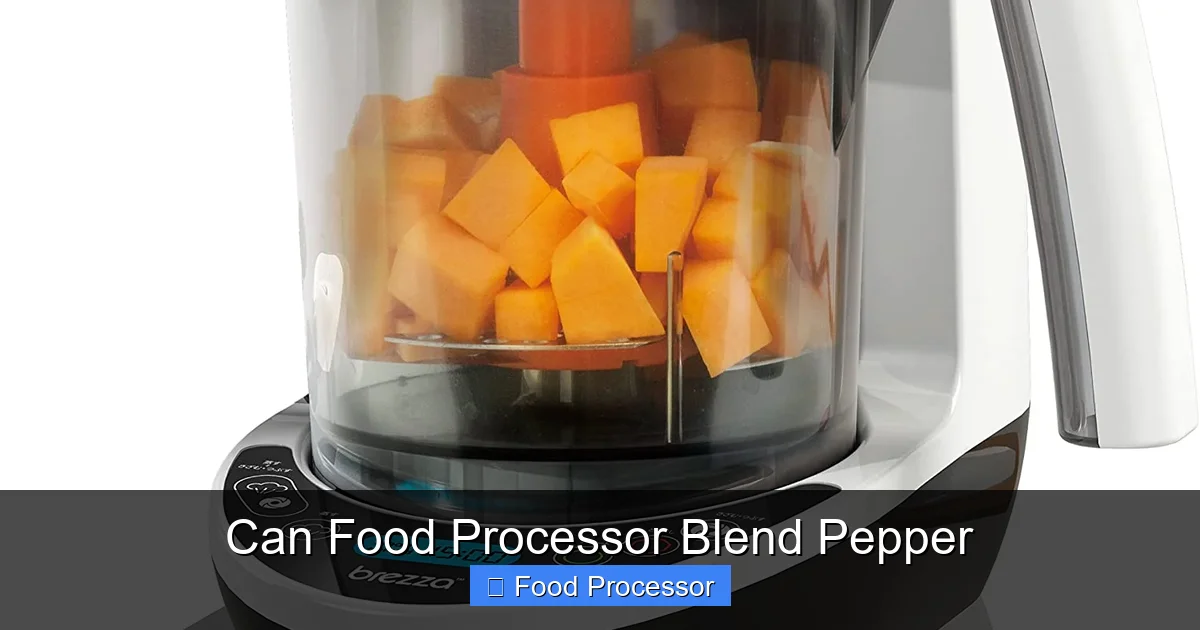
Discover how effortlessly a food processor can blend pepper, transforming fresh or cooked peppers into smooth purées or finely chopped textures. This comprehensive guide walks you through the simple steps to achieve perfectly blended peppers for all your culinary needs. Learn how to prepare, process, and store them, along with essential tips for handling different pepper types and ensuring a smooth, even consistency every time.
Can Food Processor Blend Pepper?
Hello, home cooks and culinary adventurers! Have you ever stood in your kitchen, eyeing a pile of vibrant peppers, and wondered, “Can my food processor blend pepper into that perfect consistency I need?” The answer is a resounding yes! Your food processor is not just for chopping onions or making breadcrumbs; it’s a fantastic tool for transforming peppers into everything from coarse salsas to silky smooth purées.
This comprehensive guide will walk you through everything you need to know about blending peppers with your food processor. We’ll cover how to prepare different types of peppers, the step-by-step process, essential tips for achieving the best results, and even some troubleshooting advice. By the end of this article, you’ll be a pepper-blending pro, ready to elevate your sauces, marinades, and dishes with perfectly processed peppers. Let’s dive in!
Key Takeaways
- Yes, a Food Processor is Ideal: A food processor is an excellent tool for blending peppers, offering efficiency and control over the final texture, from coarse chops to smooth purées.
- Preparation is Key: Always wash, stem, and de-seed your peppers before blending. For spicier peppers, consider wearing gloves to protect your hands.
- Use the Pulse Function: The pulse setting is your best friend when blending peppers, allowing you to achieve the desired consistency gradually and prevent over-processing.
- Add Liquid for Smoother Results: If aiming for a very smooth purée, a small amount of liquid (water, broth, or oil) can help the blades work more efficiently.
- Mind the Batch Size: Avoid overfilling the food processor work bowl. Process peppers in smaller batches if necessary to ensure an even blend and prevent straining the motor.
- Safety First: Always ensure the food processor is properly assembled and locked before operating. Be cautious when handling blades during cleaning.
Why Blend Peppers in a Food Processor?
Using a food processor to blend peppers offers several advantages that make it a go-to method for many home chefs. First and foremost, it’s incredibly efficient. What might take painstaking minutes of chopping by hand can be done in mere seconds with the right machine. This saves you valuable time and effort, especially when preparing large quantities for canning, freezing, or a big family meal.
Secondly, a food processor provides unparalleled control over texture. Whether you want a chunky dice for a fresh salsa, a medium chop for a stir-fry, or a completely smooth purée for a sauce or soup, your food processor can deliver. The pulse function, in particular, allows you to incrementally break down the peppers until they reach your desired consistency. This versatility makes your food processor an indispensable kitchen tool, letting you customize your pepper preparations exactly as needed.
Choosing the Right Pepper and Preparation
Before you even think about hitting that “pulse” button, it’s crucial to select the right peppers and prepare them properly. The type of pepper you choose will often dictate the final texture and flavor of your blended product.
Understanding Different Pepper Types
There’s a vast world of peppers out there, each with its own characteristics:
- Bell Peppers: These are mild, sweet, and come in various colors (red, yellow, orange, green). They have thick walls and high water content, making them easy to blend into smooth purées for soups or sauces, or chunky textures for salads.
- Jalapeños, Serranos, Habaneros: These are your spicy contenders. Their heat comes from capsaicin, concentrated in the seeds and membranes. They are smaller and often used for salsas, hot sauces, or adding a kick to dishes.
- Poblanos, Anaheims: Mild to medium heat, often used roasted or for chili rellenos. They have a slightly tougher skin that might benefit from roasting and peeling before blending for the smoothest results.
- Dried Peppers (e.g., Ancho, Guajillo): These require rehydration before blending. Soak them in hot water until soft, then remove stems and seeds. They offer deep, smoky flavors perfect for moles and chili pastes.
Essential Preparation Steps
Regardless of the pepper type, these steps are crucial for safety and optimal blending:
- Wash Thoroughly: Always rinse your peppers under cool running water to remove any dirt or residues.
- Stem and Seed: Cut off the stem end of the pepper. For bell peppers, cut them in half and remove the white membranes and seeds. For smaller, spicier peppers, you might want to leave some seeds in for extra heat, but generally, removing them reduces bitterness and allows for a smoother blend.
- Chop into Manageable Pieces: Cut larger peppers, like bell peppers, into 1-2 inch pieces. Smaller peppers can often go in whole or halved. This helps the blades catch them more easily and promotes an even blend.
- Consider Skin Removal (Optional): For some recipes or peppers with tougher skins (like roasted poblanos), you might want to peel the skin after roasting. This step isn’t usually necessary for raw peppers, but it can contribute to a silkier purée.
- Wear Gloves for Spicy Peppers: This is a critical safety tip! The capsaicin in hot peppers can cause severe burning if it gets on your skin or, worse, in your eyes. Always wear disposable gloves when handling jalapeños, serranos, habaneros, or other fiery varieties. Wash your hands thoroughly with soap and water afterward, even if wearing gloves.
Step-by-Step Guide: How to Blend Peppers in a Food Processor
Now that your peppers are prepped, let’s get down to the actual blending!
Step 1: Gather Your Ingredients and Tools
Before you start, make sure you have everything ready:
- Prepped peppers (washed, stemmed, deseeded, and chopped)
- Your food processor with the S-blade (also known as the chopping or universal blade) inserted
- Cutting board and knife
- Measuring spoons/cups (if adding liquid)
- Spatula for scraping down sides
- Storage containers
- Gloves (if handling hot peppers)
Step 2: Assemble Your Food Processor
Proper assembly is key for both safety and performance.
-
Position the Work Bowl
Place the work bowl securely onto the base of your food processor.
-
Insert the S-Blade
Carefully place the S-blade onto the central post inside the work bowl. Ensure it sits firmly and correctly. If you’re unsure about how to put it together, refer to our detailed guide on how to assemble a food processor step by step for clear instructions.
-
Attach the Lid
Place the lid onto the work bowl and twist it clockwise until it locks into place. Most food processors have a safety mechanism that prevents them from operating if the lid isn’t properly locked.
Step 3: Add Peppers to the Work Bowl
This might seem straightforward, but there are a few considerations:
-
Don’t Overfill
A common mistake is to overfill the food processor. For optimal blending, fill the work bowl no more than two-thirds full. Overfilling can strain the motor, lead to uneven blending, and sometimes cause peppers to simply spin around without being processed. If you have a large quantity of peppers, work in batches.
-
Add Liquid (Optional)
If you’re aiming for a very smooth purée, especially with tougher or drier peppers, a tablespoon or two of liquid can help. You can use water, vegetable broth, olive oil, or even a splash of vinegar, depending on your recipe. Add a little at a time, as too much liquid can turn your purée into a watery soup.
Step 4: Process the Peppers Using the Pulse Function
The pulse function is your best friend when you want to can food processor blend pepper to a specific texture.
-
Start with Short Pulses
Press the “Pulse” button (or repeatedly tap the “On” button if your model lacks a dedicated pulse). Pulse for 1-2 seconds, then release. This allows the blades to chop the peppers efficiently without turning them into a paste too quickly.
-
Scrape Down the Sides
After a few pulses, turn off the food processor, unlock the lid, and use a spatula to scrape down any pieces that have climbed up the sides of the bowl. This ensures all the peppers are evenly processed. Re-secure the lid.
-
Continue Pulsing Until Desired Consistency
Repeat the pulsing and scraping process until your peppers reach your desired texture. For a coarse chop, you might only need 5-10 pulses. For a fine chop or smooth purée, you’ll need more. Keep a close eye on the contents. For general chopping tasks, understanding how to use a food processor to chop vegetables can provide additional useful tips.
Step 5: Achieving Desired Consistency
Your food processor gives you control over the final texture.
-
For Coarsely Chopped Peppers:
Use short bursts of the pulse function, checking frequently. The goal is distinct, small pieces.
-
For Finely Minced Peppers:
Continue pulsing a bit longer than for coarse chops. The pieces will become smaller and more uniform.
-
For a Smooth Purée or Paste:
After achieving a fine mince, switch from pulsing to continuous blending (using the “On” or “High” setting). Add a small amount of liquid, if needed, and process until completely smooth. Be careful not to blend for too long, as this can generate heat and slightly cook the peppers, or create too much foam. Also, be mindful of how long you can leave a food processor running to prevent overheating.
Step 6: Remove and Store Your Blended Peppers
Once you’ve reached your desired consistency, it’s time to transfer your delicious blended peppers.
-
Unplug and Disassemble
Always unplug the food processor before reaching into the bowl. Carefully remove the lid, then lift out the S-blade. Be very careful with the sharp blades!
-
Scoop Out Contents
Use a spatula to scoop out the blended peppers into your chosen storage container.
-
Storage Options
Refrigeration: Freshly blended peppers can be stored in an airtight container in the refrigerator for 3-5 days.
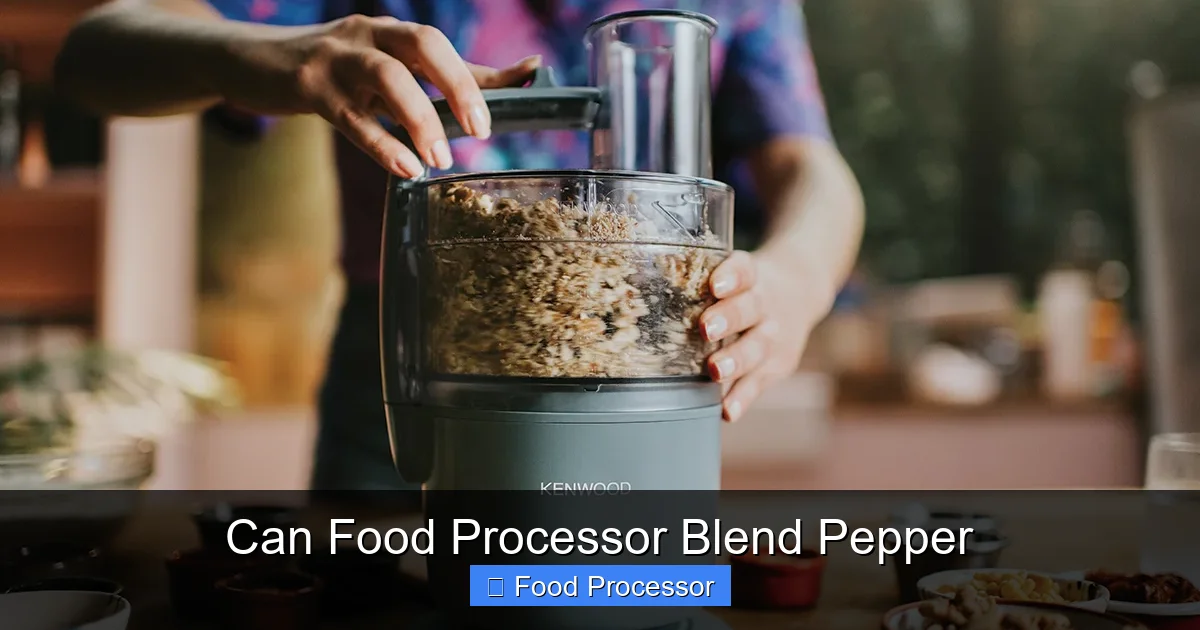
Visual guide about Can Food Processor Blend Pepper
Image source: sgmagazine.com
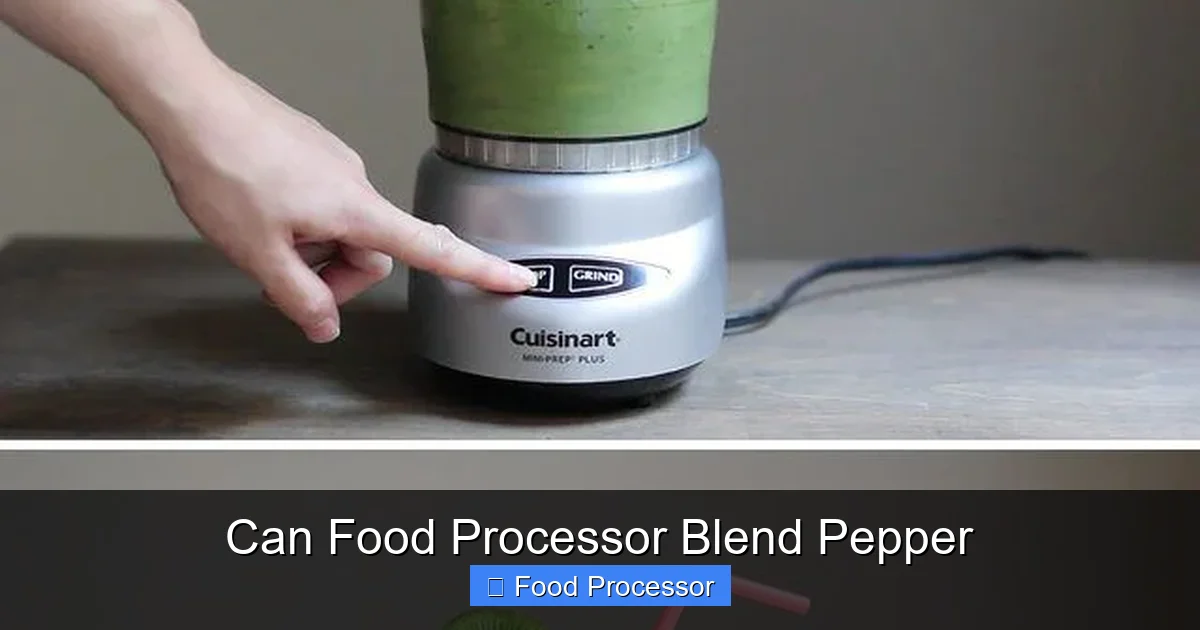
Visual guide about Can Food Processor Blend Pepper
Image source: i.pinimg.com
Freezing: For longer storage, freeze blended peppers. You can spread them thinly on a baking sheet, freeze, then break into pieces and store in freezer bags, or freeze them in ice cube trays for convenient portioning. Once frozen, transfer the cubes to a freezer-safe bag. They can last for several months in the freezer.
Practical Tips for Success
To ensure you get the best results every time you use your food processor to blend pepper, keep these tips in mind:
Don’t Overfill the Bowl
As mentioned, this is crucial. A less-than-full bowl allows the ingredients to circulate properly, ensuring all pieces come into contact with the blade. If the bowl is too full, the bottom contents will be puréed while the top remains chunky.
Use the Pulse Function Liberally
Seriously, embrace the pulse button! It gives you precise control, allowing you to gradually achieve your desired texture without over-processing. Continuous blending is usually only needed for very smooth purées.
Add Liquid for Smoother Blending (When Appropriate)
If your peppers are a bit dry or you want a perfectly smooth consistency, a little liquid goes a long way. Start with a tablespoon or two and add more as needed, until the mixture moves freely around the blades.
Handle Spicy Peppers Safely
Repeat after us: gloves are your friends! The oils from hot peppers can cause discomfort for hours. If you accidentally touch your eyes or sensitive skin, flush immediately with cold water. A little milk or oil can also help neutralize the capsaicin.
Clean Up Immediately
Pepper residue, especially from colorful varieties, can stain plastic parts if left too long. Clean your food processor parts right after use. Most work bowls and blades are dishwasher safe, but check your manual. For general cleaning advice, see our guide on can you put food processor parts in the dishwasher.
Troubleshooting Common Issues
Even experienced cooks can encounter hiccups. Here’s how to tackle common problems when you food processor blend pepper.
Uneven Blend
If some pieces are puréed while others remain chunky, it’s usually due to overfilling, not scraping down the sides, or inconsistent initial chopping.
Solution: Work in smaller batches, pause and scrape down the sides frequently, and ensure peppers are cut into relatively uniform pieces before blending.
Mixture is Too Watery or Pulpy
This often happens if too much liquid was added or if the peppers have a very high water content and were over-processed.
Solution: If too watery, you might be able to thicken it by simmering on the stovetop. If too pulpy, you might need to embrace the texture or use it in a recipe where that consistency works (e.g., a thicker sauce).
Food Processor Not Starting or Blades Not Spinning
This is almost always a safety mechanism. The lid or work bowl might not be properly locked into place.
Solution: Double-check that the work bowl is securely twisted onto the base and the lid is fully locked. Ensure the blade is correctly seated on the spindle.
Dealing with Spice Residue and Odor
Hot peppers can leave a lingering scent and heat on your food processor parts.
Solution: Clean immediately after use. For stubborn odors or residue, wipe down components with a paper towel soaked in white vinegar or lemon juice. You can also run the food processor with a few pieces of bread to absorb odors, then wash thoroughly.
Creative Uses for Your Blended Peppers
Once you’ve mastered how to food processor blend pepper, a world of culinary possibilities opens up!
- Salsas and Dips: Blend raw bell peppers, jalapeños, onions, tomatoes, and cilantro for fresh salsa.
- Sauces and Soups: Create smooth bell pepper purées for creamy roasted red pepper soup, marinara sauces, or a vibrant base for stews.
- Marinades: Combine puréed spicy peppers with garlic, onion, oil, and vinegar for a flavorful meat marinade.
- Hot Sauces: Blend fermented or fresh hot peppers with vinegar and spices to make your own custom hot sauce.
- Pesto and Spreads: Mix roasted bell peppers with nuts, garlic, cheese, and olive oil for a unique red pepper pesto.
- Infused Oils: Blend spicy peppers with oil, then strain for a chili-infused oil.
Conclusion
So, can food processor blend pepper? Absolutely, and it does so with incredible efficiency and precision! By following this guide, you now have the knowledge and confidence to tackle any pepper-blending task. From crisp, chunky salsa to silky smooth pepper purées, your food processor is a powerful ally in the kitchen. Remember to prep your peppers well, use the pulse function, and always prioritize safety, especially with spicy varieties. Go forth and experiment, adding vibrant flavors and textures to all your culinary creations with perfectly blended peppers! Happy blending!
