
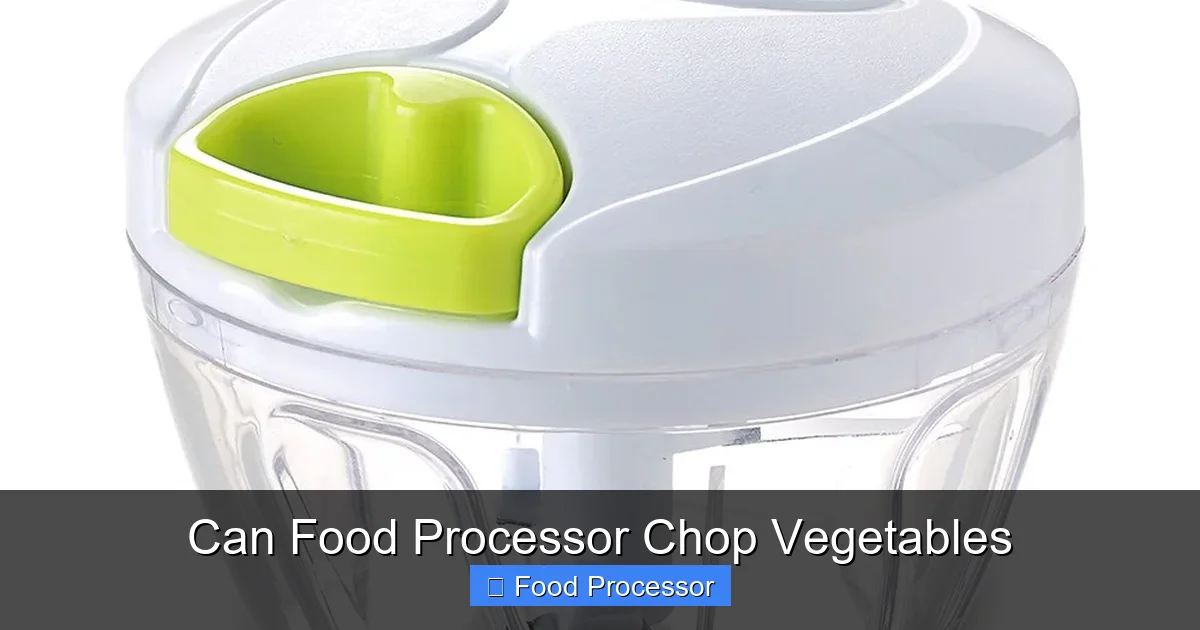
Yes, a food processor is an incredibly efficient tool for chopping vegetables, transforming tedious knife work into a quick task. It can handle a wide variety of produce, from sturdy carrots to delicate herbs, making meal preparation faster and easier. Understanding the right techniques, like using the “pulse” function and proper vegetable pre-cutting, is key to achieving consistent results and avoiding over-processing. This guide will show you exactly how to master your food processor for all your vegetable chopping needs.
Can Food Processor Chop Vegetables? Absolutely! Your Ultimate Guide to Effortless Meal Prep
Welcome to the wonderful world of quick and easy meal preparation! If you’ve ever stared down a pile of vegetables needing to be chopped for dinner, you know how time-consuming and tedious it can be. Enter the unsung hero of the kitchen: the food processor. Many home cooks wonder, “Can a food processor chop vegetables effectively?” The resounding answer is a joyful, “Yes!”
A food processor is an invaluable kitchen appliance designed to handle a multitude of tasks, and chopping vegetables is high on that list. It can transform mountains of onions, carrots, celery, bell peppers, and herbs into perfectly diced or minced pieces in mere seconds, saving you precious time and effort. This guide will walk you through everything you need to know about how to use a food processor to chop vegetables, ensuring you achieve perfect results every time. We’ll cover preparing your vegetables, mastering the pulse function, specific tips for different types of produce, and even some troubleshooting. By the end, you’ll be a vegetable-chopping wizard!
Key Takeaways
- Food Processors Excel at Chopping: They are specifically designed to quickly and efficiently chop a wide range of vegetables, significantly reducing meal prep time compared to manual chopping.
- The “Pulse” Function is Your Best Friend: For optimal results, especially when chopping vegetables, always use the pulse button. This gives you precise control over the texture, preventing over-processing into a purée.
- Proper Pre-cutting is Crucial: Before adding vegetables to the food processor, cut them into uniform, manageable pieces that fit easily through the feed tube or around the blade. This ensures even chopping and prevents the machine from struggling.
- Size and Type of Vegetable Matter: Adapt your technique based on the vegetable. Harder, denser vegetables might need slightly longer pulsing, while softer ones require very short bursts to avoid becoming mush.
- Don’t Overload the Bowl: Process vegetables in batches to avoid overwhelming the motor and ensure consistent chopping. A crowded bowl leads to uneven results.
- Cleaning and Maintenance are Simple: Most food processor parts are dishwasher safe, making cleanup easy. Proper care ensures longevity and hygiene for your appliance.
- Beyond Chopping: While excellent for chopping, food processors offer other functions like slicing and shredding with different blade attachments, expanding their utility in the kitchen.
Understanding Your Food Processor
Before we dive into chopping, let’s quickly get acquainted with your food processor. Most models consist of a base containing the motor, a work bowl, a lid with a feed tube, and various attachments. For chopping, you’ll primarily be using the S-blade (also known as the universal blade or chopping blade). This sharp, curved blade sits at the bottom of the work bowl and is designed to efficiently cut through ingredients.
The most crucial function you’ll use for chopping is the “pulse” button. Unlike a continuous “on” setting, pulsing allows you to turn the blade on and off in short bursts. This gives you precise control over the chopping process, letting you achieve the desired consistency without over-processing your vegetables into a purée.
If you’re still considering which model to buy, you might want to explore the best food processor for slicing vegetables, as many excellent models will also excel at chopping. When choosing a food processor, it’s also important to think about how to choose the right size food processor to match your cooking needs.
Step-by-Step Guide: How to Chop Vegetables with a Food Processor
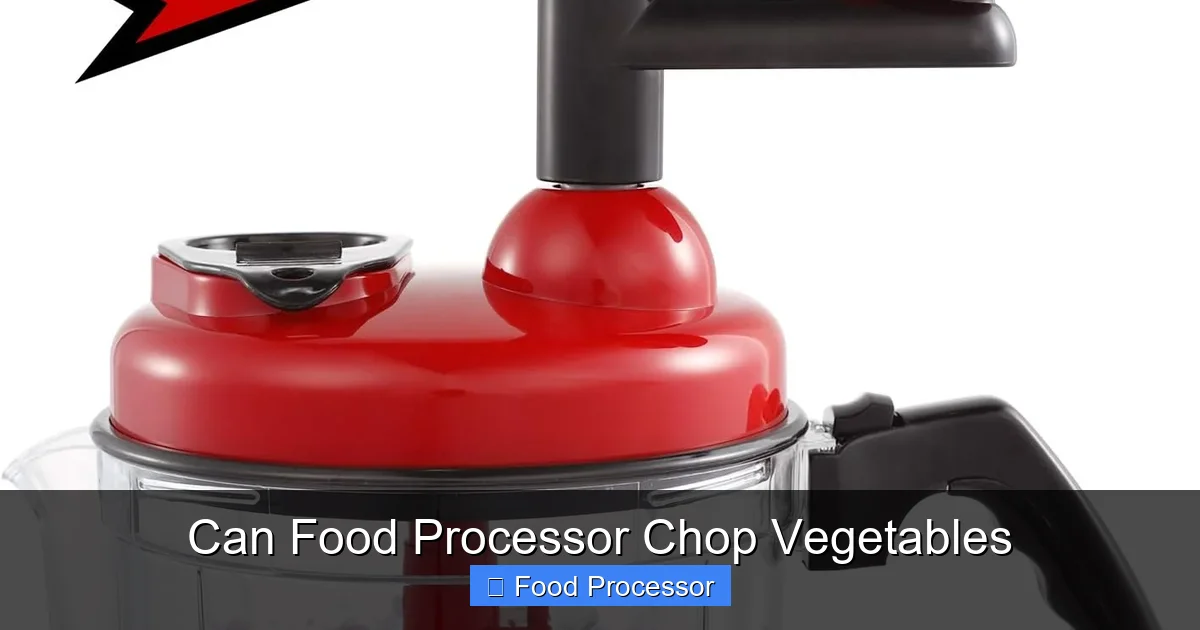
Visual guide about Can Food Processor Chop Vegetables
Image source: images-na.ssl-images-amazon.com
Ready to conquer that pile of veggies? Let’s get started!
Step 1: Gather Your Tools and Ingredients
Before you begin, ensure you have everything you need:
- Your food processor, clean and assembled.
- The S-blade securely in place in the work bowl.
- The vegetables you intend to chop.
- A cutting board and a sharp knife for pre-cutting.
- A bowl to hold your chopped vegetables.
Step 2: Prepare Your Vegetables for Chopping
This is a critical step often overlooked. Proper pre-cutting makes all the difference in achieving even, consistent results when you use a food processor to chop vegetables.
H3.1: Wash and Peel
Thoroughly wash all your vegetables. Peel any vegetables that require it (e.g., carrots, potatoes, onions, garlic).
H3.2: Cut into Uniform Pieces
This is where the magic starts. Vegetables should be cut into pieces that are roughly the same size and shape, and small enough to fit comfortably in the food processor bowl without crowding the blade.
- For larger vegetables (e.g., onions, bell peppers, carrots, celery): Cut them into 1-inch to 2-inch chunks. If you’re chopping a whole onion, quarter it. For carrots, cut them into 1-inch coins or chunks. Bell peppers can be cored and cut into similar-sized pieces.
- For smaller vegetables (e.g., garlic cloves, cherry tomatoes): You might not need to cut them as much, but ensure they are not whole if they are too large for the blade to catch easily.
- Avoid overcrowding: Don’t fill the bowl more than half to two-thirds full, depending on the vegetable and the size of your food processor. Overcrowding leads to uneven chopping and can strain the motor.
Step 3: Load the Food Processor Bowl
Carefully place your pre-cut vegetables into the work bowl. Arrange them somewhat evenly around the S-blade. If you’re chopping a mix of vegetables, it’s generally best to chop them separately and then combine them, especially if they have different textures and require different processing times.
Step 4: Secure the Lid and Power On
Attach the lid to the work bowl, ensuring it’s properly locked into place. Most food processors have safety mechanisms that prevent them from operating if the lid isn’t secure. Plug in your food processor.
Step 5: Master the Pulse Function
This is the heart of successful vegetable chopping with a food processor.
H3.1: Use Short Bursts
Press the “pulse” button in short, quick bursts, typically 1-2 seconds each.
- Observe the vegetables through the clear work bowl. You’ll see them begin to break down.
- After a few pulses, turn off the machine, remove the lid, and use a spatula to scrape down the sides of the bowl. This helps ensure even chopping and prevents larger pieces from sticking to the top.
- Continue pulsing and scraping until your vegetables reach the desired consistency.
H3.2: Avoid Continuous Running
Do not hold the “on” button down for extended periods, especially with vegetables. This is the fastest way to turn your perfectly chopped veggies into a watery purée or paste. Remember, we want chopped, not liquefied!
Step 6: Check for Desired Consistency
Once your vegetables look about right, turn off the machine, remove the lid, and inspect the texture. If you need smaller pieces, replace the lid and give it a few more short pulses. For very fine chopping or mincing, you’ll naturally use more pulses than for a coarse chop.
Step 7: Empty and Clean
Once your vegetables are perfectly chopped, carefully remove the S-blade (it’s very sharp!) and transfer the contents of the bowl to your waiting dish or storage container. For cleanup, most food processor parts are dishwasher safe, making cleanup a breeze. If you’re unsure, check if you can put food processor parts in the dishwasher according to your model’s instructions.
Tips for Chopping Different Vegetables with a Food Processor
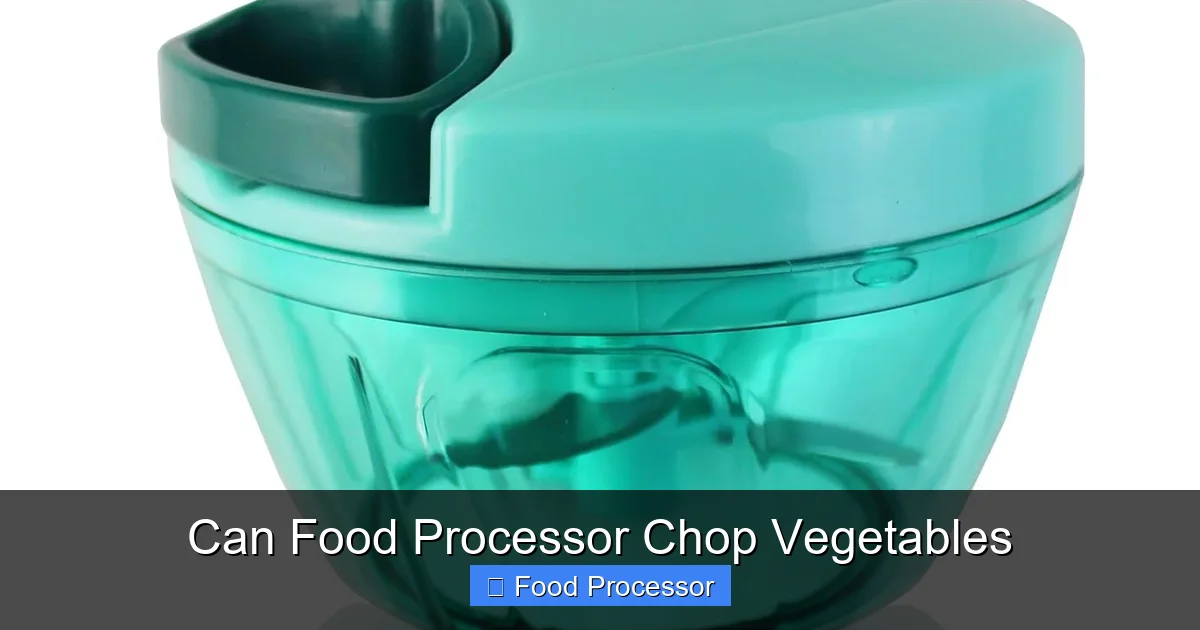
Visual guide about Can Food Processor Chop Vegetables
Image source: images-na.ssl-images-amazon.com
While the general steps remain the same, some vegetables benefit from specific considerations when you chop them in a food processor.
Onions
Chop onions in quarters or eighths, depending on their size. Pulse until they reach your desired fineness. Be cautious not to over-process, or you’ll end up with onion juice. If you’re sensitive to onion fumes, the food processor is a great way to minimize exposure!
Carrots and Other Hard Root Vegetables (Celery, Potatoes, Sweet Potatoes)
Cut these into 1-inch chunks. They are denser, so they might require a few more pulses than softer vegetables. Ensure uniform pieces to help the blade catch them evenly. If you need perfectly chopped vegetables for a stew, this method is ideal.
Bell Peppers
Remove the core and seeds, then cut into 1-2 inch pieces. Bell peppers are quite watery, so they need fewer pulses. Scrape down the sides often to ensure even chopping.
Herbs (Parsley, Cilantro, Basil)
For herbs, ensure they are thoroughly dry. Wet herbs will clump together and bruise rather than chop cleanly. You can add a tablespoon of olive oil to the bowl with the herbs to help them chop more finely and prevent sticking. Pulse sparingly for a light chop, or a bit more for a finely minced texture.
Garlic and Ginger
For mincing garlic or ginger, you can often process several cloves or chunks at once. For a very fine mince, you can add a tiny bit of liquid (like water or oil) to help the blade catch everything.
Cabbage
If you want to chop cabbage for coleslaw, quarter it and remove the core. Process in batches. You can also use a slicing disc if your food processor has one for a more uniform shredded look.
Tomatoes
While a food processor can chop tomatoes, it’s very easy to turn them into a watery pulp. For diced tomatoes, a knife is often better. If you must use the food processor, use very short, quick pulses and stop as soon as they reach the desired chunkiness. This is more suitable for making salsa or a chunky sauce base.
Troubleshooting Common Food Processor Chopping Issues
Even with the best intentions, you might run into a snag or two when you try to chop vegetables in your food processor. Here are some common problems and how to fix them.
Problem: Unevenly Chopped Vegetables (Some Big Chunks, Some Tiny Pieces)
Solution:
- Pre-cut better: This is almost always the culprit. Ensure all your vegetable pieces are roughly the same size before they go into the bowl.
- Don’t overload: Process in smaller batches. When the bowl is too full, the blade can’t move freely, and items at the bottom get finely chopped while those at the top remain large.
- Scrape down the sides: Periodically stop the machine and use a spatula to push any larger pieces from the top or sides down towards the blade.
- Consistency matters: Some food processors simply do a better job at chopping than others. If you frequently chop vegetables, investing in a high-quality model might be worthwhile.
Problem: Vegetables Turning into Mush or Purée
Solution:
- Reduce processing time: You’re likely running the machine for too long. Stick to the “pulse” function exclusively. Each pulse should be a quick “on-off” motion.
- Less liquid: If your vegetables are very watery (like tomatoes or cucumbers), they will break down faster. Use fewer pulses.
- Don’t overload with liquid: If you’re adding liquid, add it gradually and sparingly.
Problem: Food Processor Straining or Not Chopping
Solution:
- Check for blockages: Large, uncut pieces might be jamming the blade.
- Reduce batch size: You might be asking the food processor to chop too much at once.
- Pre-cut smaller: Harder vegetables might need to be cut into smaller pieces before going into the bowl.
- Check assembly: Ensure the blade is properly seated and the lid is securely locked. A common reason for a food processor blade not spinning is improper assembly.
Problem: Vegetables Sticking to the Sides or Bottom
Solution:
- Scrape down: As mentioned, regularly stop and scrape down the sides.
- Add a little liquid: For very dry ingredients, a teaspoon of water or oil can sometimes help the blade move more freely and prevent sticking, though be careful not to overdo it and create mush.
Why Use a Food Processor to Chop Vegetables? The Advantages
Beyond the obvious time-saving benefit, there are several compelling reasons to embrace your food processor for vegetable chopping:
- Speed: What takes minutes with a knife takes seconds with a food processor. This is a game-changer for busy weeknights or large meal prep sessions.
- Consistency: Achieving uniformly chopped vegetables by hand can be challenging and requires significant knife skills. A food processor delivers consistent results, which is great for even cooking and professional-looking dishes.
- Reduced Effort: Say goodbye to tired hands and wrists from endless chopping. The food processor does the hard work for you.
- Versatility: While this guide focuses on chopping, remember your food processor can also slice, shred, purée, mix, and knead dough, depending on the attachments you have.
- Safety: For those less comfortable with a sharp knife, using a food processor can be a safer alternative for preparing large quantities of vegetables.
Understanding what are the advantages of a food processor truly highlights its role as a kitchen essential.
Beyond Chopping: Other Uses for Your Food Processor
While this guide focused on how a food processor can chop vegetables, it’s worth remembering that these machines are incredibly versatile. You can use your food processor to grind coffee beans, shred cheese, make nut butter, purée soups, or even mix dough. It’s a true multi-tasker that can revolutionize your cooking experience.
Conclusion: Embrace Your Food Processor for Vegetable Chopping!
So, can a food processor chop vegetables? Absolutely, and it does so with incredible efficiency and consistency! By following these simple steps and tips, you’ll find that your food processor quickly becomes your best friend in the kitchen, especially when tackling large batches of vegetables. From perfectly minced garlic to evenly diced onions, uniform carrots, and shredded cabbage, your food processor is ready to handle it all.
No more tears over onions, no more aching wrists from endless chopping. Just quick, easy, and consistent results that make healthy eating and home cooking more accessible and enjoyable. So go ahead, plug in your food processor, gather your veggies, and get ready to chop like a pro! Happy cooking!
