
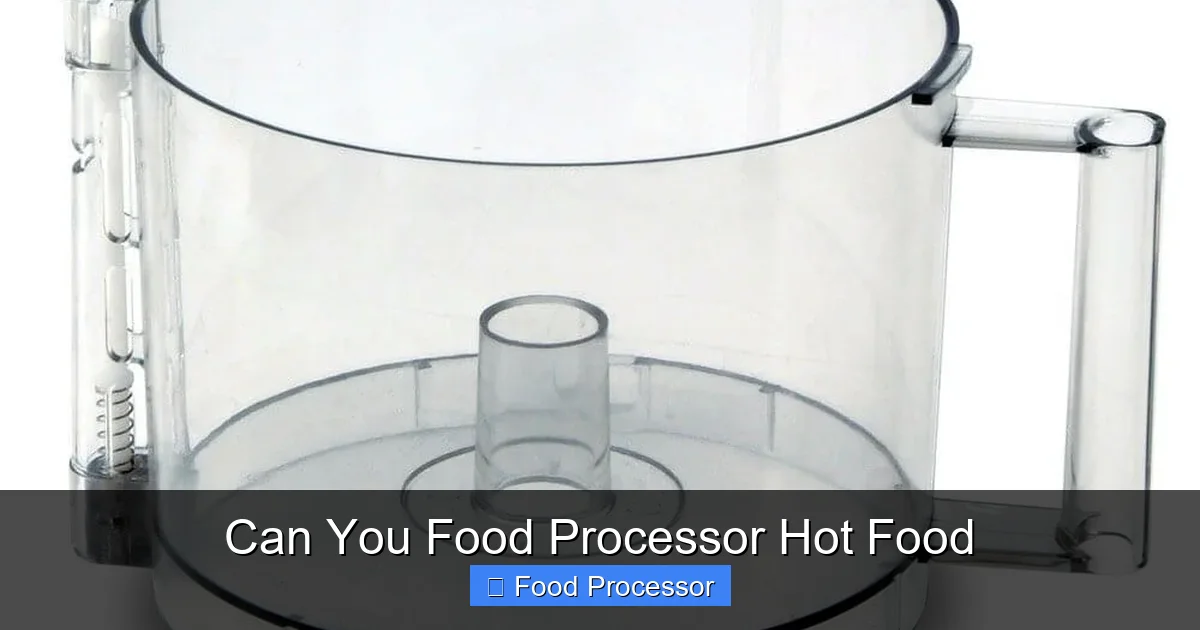
Processing hot food in a food processor can be risky due to steam pressure, potential material damage, and inconsistent results. While generally advised against for *boiling hot* items, you can safely process *warm* ingredients by using specific techniques. Always cool food first if possible, work in small batches, and ensure proper ventilation to prevent accidents and achieve desired textures.
Can You Food Processor Hot Food?
Most home cooks have been there: you’ve just finished simmering a delicious pot of soup, stew, or a batch of roasted vegetables, and now you need to purée them into a smooth consistency. Your food processor is right there, ready for action. But then a thought crosses your mind: “Can I actually put this *hot* food in my food processor?”
It’s a common question, and one with a crucial answer that prioritizes safety and the longevity of your appliance. While the convenience of a food processor is undeniable for many tasks, from chopping vegetables to shredding cheese, handling extremely hot ingredients requires special care and, often, a different approach.
In this comprehensive guide, we’ll dive deep into whether you can food processor hot food, the potential risks involved, and most importantly, how to safely handle warm ingredients when absolutely necessary. We’ll provide you with practical tips and a step-by-step process to ensure your kitchen adventures remain safe and successful.
Key Takeaways
- Avoid Boiling Hot Food: Never put boiling hot food directly into a food processor. The intense steam pressure can cause the lid to blow off, leading to burns and a mess.
- Understand Material Limits: Food processors are typically made of plastic, which can warp, crack, or leach chemicals when exposed to extreme heat. Always check your model’s manual.
- Cool Down First: The safest practice is to cool hot ingredients significantly before processing them. Aim for warm to room temperature, or at least below 150°F (65°C).
- Use the Venting Technique: If processing warm food, always ensure the lid has an open feeder tube or a slight gap to allow steam to escape safely.
- Process in Small Batches: Overfilling the work bowl with warm food increases pressure and reduces efficiency. Process small amounts at a time.
- Pulse, Don’t Continuous Run: Use short pulses instead of continuous blending. This helps manage heat buildup and gives you better control over texture.
- Consider Alternatives: For truly hot liquids like soups, an immersion blender is often a safer and more effective tool.
Understanding the Risks of Processing Hot Food
The short answer to “Can you food processor hot food?” is generally *no*, especially if the food is boiling hot. There are several significant risks associated with putting very hot food into a standard food processor.
Pressure Buildup: The Danger Zone
When you seal hot liquids or semi-liquids into a food processor’s work bowl, the steam they release has nowhere to go. This trapped steam quickly builds up pressure inside the sealed container. As the blades whir, this pressure can increase even further. The result? The lid can violently blow off, sending hot food spewing across your kitchen and potentially causing severe burns. This is by far the biggest safety concern when considering putting hot food in food processor. It’s why it’s always best to err on the side of caution. If you’re wondering is it safe to put hot food in food processor, the answer for boiling hot items is a resounding no.
Material Damage: Heat vs. Plastic
Most food processor work bowls and lids are made from plastic, typically polycarbonate or similar durable materials. While these plastics are robust, they are not designed to withstand extreme, sustained high temperatures. Exposing them to boiling hot food can cause the plastic to:
- Warp or crack: High heat can distort the plastic, making the bowl or lid unfit for use and compromising the seal.
- Leach chemicals: There’s a concern that plastics can leach harmful chemicals (like BPA, though many are now BPA-free) into your food when exposed to high heat.
- Clouding or discoloration: Over time, repeated exposure to hot temperatures can cause the plastic to become cloudy or stained, affecting its appearance and potentially its structural integrity.
Inconsistent Results: Cooking with Steam
Even if you manage to avoid a pressure explosion or plastic damage, processing hot food in a food processor often yields poor results. The trapped steam can “cook” the food further in an uncontrolled way, leading to a mushy or gummy texture rather than a smooth purée. The heat can also change the flavor profile of delicate ingredients.
When It’s Acceptable (and How to Do It Safely)
While boiling hot food is a definite no-go, “warm” food can often be processed safely with the right precautions. The key is understanding the difference between truly hot and merely warm.
The “Warm” vs. “Hot” Distinction
“Hot” generally means anything that is steaming vigorously, just off the stove, or too hot to comfortably touch. “Warm” refers to food that has cooled down significantly, perhaps to a temperature you can comfortably hold your finger in for a few seconds (around 120-150°F or 50-65°C). Think of it like hot bath water versus lukewarm. Aim for *warm* or even room temperature whenever possible when you food processor hot food.
Using a Blender (Often Better for Liquids)
It’s worth noting that blenders, especially high-powered models, are often better suited for puréeing hot liquids like soups. Many blenders feature vented lids with removable center caps that allow steam to escape while processing. However, even with a blender, it’s wise to fill it only halfway and start on a low speed to manage potential pressure. For thicker, less liquidy items, or when you need a chunkier texture, your food processor is still the tool of choice, provided the food is merely warm. You might also consider if a food processor can be used as an immersion blender for certain hot liquids, but generally, an immersion blender is a dedicated and safer tool for this task.
The Venting Technique
This is the most critical technique if you absolutely must process warm food in a food processor. It involves allowing steam to escape to prevent pressure buildup.
Step-by-Step Guide: Safely Processing Warm or Slightly Hot Food
If your recipe calls for processing ingredients that are still warm, here’s how to do it safely and effectively. This guide will walk you through the process, just like our general instructions on how do you use a food processor step-by-step.
Step 1: Assess the Temperature
Before anything else, check the temperature of your food.
The Finger Test and Thermometer
Dip a clean finger into the food for a second or two. If it’s too hot to comfortably hold, it’s too hot for the food processor. Allow it to cool down further. Ideally, use a kitchen thermometer to check; aim for below 150°F (65°C) for liquids, and even cooler for thicker items. Steam should not be vigorously rising from the food.
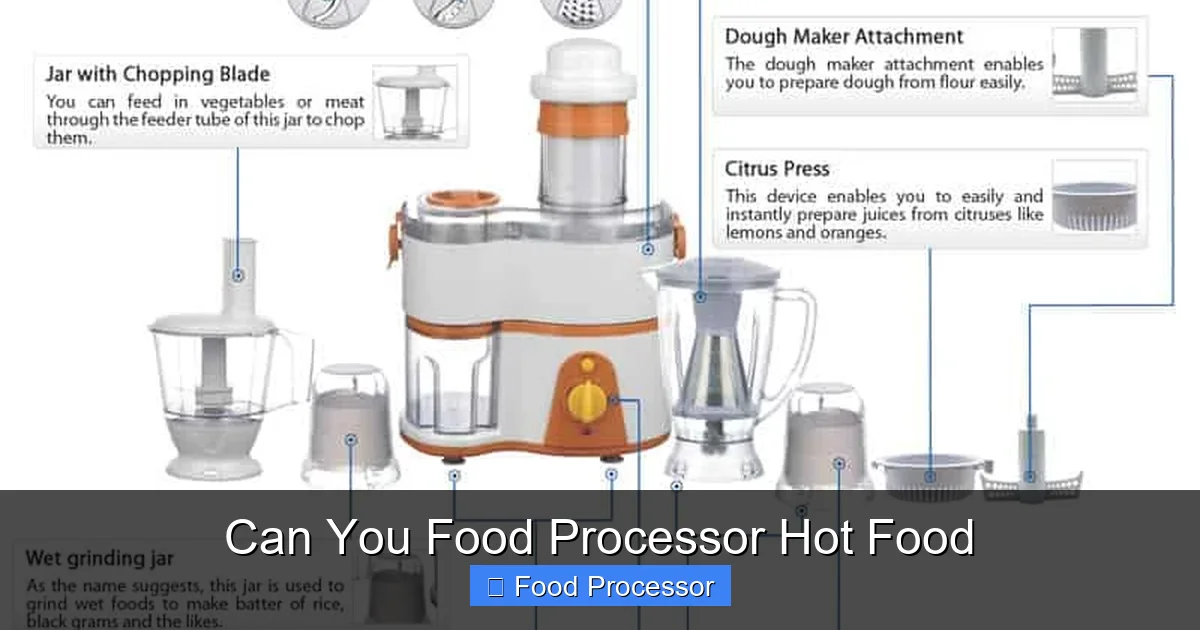
Visual guide about Can You Food Processor Hot Food
Image source: chopchoplabz.com
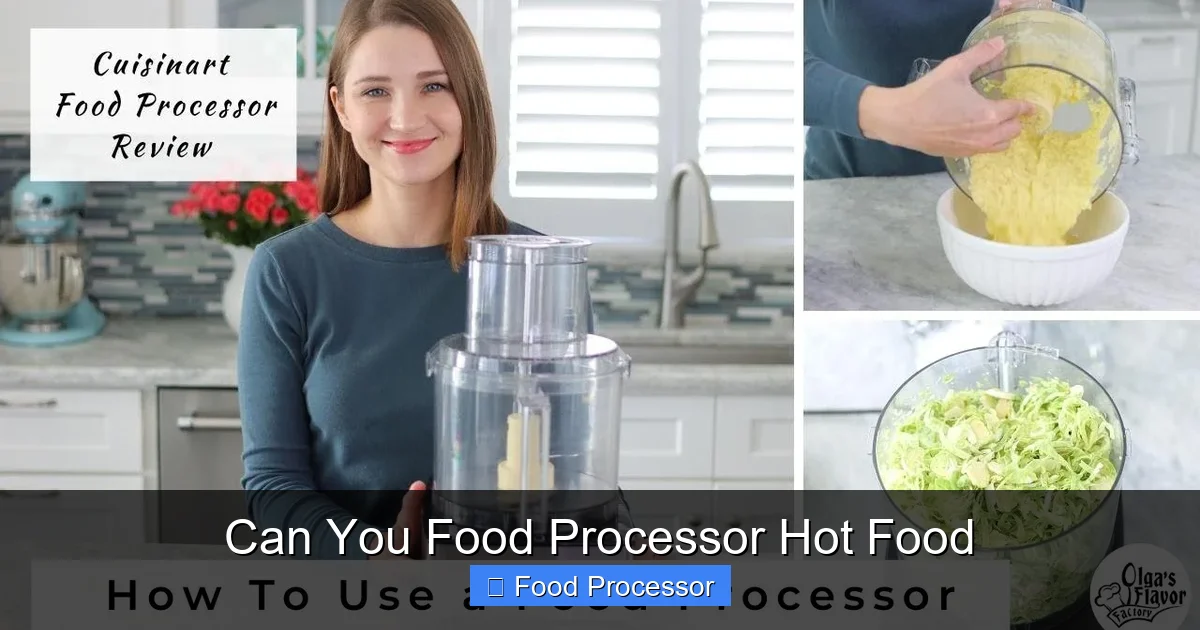
Visual guide about Can You Food Processor Hot Food
Image source: i.ytimg.com
Step 2: Prepare Your Food Processor
Ensure your appliance is ready for the task.
Ensure it’s Clean and Ready
Make sure your food processor bowl, lid, and blade are clean and properly assembled. A clean machine ensures no residual food affects your current dish. This is also a good time to consider how you’ll clean up afterwards, so check if you can put food processor parts in the dishwasher.
Choose the Right Blade (e.g., S-blade)
For puréeing, the standard S-blade (also known as the universal blade or chopping blade) is usually the correct choice. Ensure it’s securely in place.
Step 3: Portion Control is Key
Do not overfill the food processor with warm ingredients.
Avoid Overfilling the Work Bowl
Fill the work bowl no more than halfway, and preferably only one-third full, when processing warm food. This leaves plenty of space for steam to expand and for the food to circulate properly without becoming a pressurized bomb. Smaller batches are safer and yield better results when you food processor hot food.
Step 4: The Crucial Venting Method
This step is non-negotiable for safety.
The Lid Hole or Small Opening
Most food processor lids have a feeder tube or a small opening. Instead of sealing the lid completely, remove the pusher from the feeder tube. This creates a vent for steam to escape. If your food processor doesn’t have an easily removable pusher, or if it seals very tightly, you can slightly crack the lid (be careful not to let it come completely off) but always prioritize safety. *Never* seal a hot liquid in tightly.
Pulse, Don’t Continuously Run
Use short, quick pulses rather than running the machine continuously. Pulsing allows you to control the texture better and helps dissipate heat and steam more effectively. Continuous running can quickly build up pressure and heat. Remember that food processors are not designed for continuous running for extended periods, and knowing how long can you leave a food processor running is important to prevent motor burnout.
Step 5: Process in Batches
Working in small amounts ensures safety and efficiency.
Manage Steam and Temperature
After each pulse or short burst, lift the lid slightly (if safe to do so) or wait a moment for steam to escape before pulsing again. This extra caution helps prevent pressure buildup. Process one batch, empty the bowl, and then add the next batch.
Step 6: Monitor and Adjust
Keep an eye on your food and your machine.
Check Consistency and Temperature Regularly
Periodically check the food’s consistency. If you need a finer purée but the food is still quite warm, continue to pulse in small increments. If it gets too hot again (e.g., from friction), let it rest and cool a bit before continuing.
Practical Tips for Best Results
Cool Down First Whenever Possible
The golden rule for processing hot food in a food processor: if you can cool it down, do so! Transfer hot soups or stews to a shallow bowl or baking dish to increase the surface area and speed up cooling. Stirring also helps. You can even place the bowl over an ice bath (a larger bowl filled with ice and a little water) to rapidly cool the contents.
Use a Ladle, Not Your Hands
When transferring warm or slightly hot food to the food processor, use a ladle or a large spoon. This prevents accidental burns and keeps your hands clean.
Consider an Immersion Blender for Soups
For puréeing hot soups directly in the pot, an immersion blender is generally the safest and most convenient tool. It eliminates the need to transfer hot liquids to another container and significantly reduces the risk of pressure buildup or spills. It’s a great alternative when you want to purée large quantities of hot soup.
Clean Immediately After Use
Once you’re done processing, especially if you’ve been working with warm or oily foods, clean your food processor parts immediately. This prevents food from drying onto the plastic, making cleanup easier and more hygienic. Most food processor parts are top-rack dishwasher safe, but always check your manual.
Foods That Are Generally Okay (Warm) vs. Foods to Avoid (Hot)
Best Candidates for Warm Processing
Foods that are typically safe to process when *warm* (not hot) include:
- Cooked vegetables: Like roasted sweet potatoes for purée, steamed cauliflower for mash, or boiled carrots.
- Fruit compotes: If slightly cooled.
- Cooked beans/legumes: For dips like hummus or refried beans.
- Slightly cooled gravies or sauces: That have thickened a bit.
Foods to Absolutely Cool Down
Always cool these foods to room temperature before processing:
- Boiling hot soups or broths: These are prime candidates for pressure buildup.
- Freshly made custards or puddings: Their thick, sticky nature combined with heat can create a very high-pressure situation.
- Hot oil or fat: Can be dangerous if splattered and can damage plastic.
- Any food directly off a rolling boil or out of a very hot oven.
Troubleshooting Common Issues
Too Much Steam/Pressure
If you notice a lot of steam escaping, or if the lid seems to be rattling excessively, stop the food processor immediately. Allow the food to cool down further, perhaps stirring it outside the machine, before attempting to process again with proper ventilation.
Inconsistent Texture
If your food isn’t puréeing evenly, it could be due to overfilling, insufficient cooling, or not enough pulsing. Empty the bowl, allow the food to cool slightly more, and process in smaller batches using short pulses. Ensure you’re giving the food time to circulate.
Food Sticking to the Sides
Warm, thick foods can sometimes stick to the sides of the work bowl. Stop the machine, use a spatula to scrape down the sides, then continue processing. A tiny bit of liquid (water, broth, or cream) can also help facilitate smoother processing, but add it sparingly to maintain desired consistency.
Conclusion
While the temptation to quickly purée hot food in your food processor is understandable, it’s a practice best approached with extreme caution or, ideally, avoided altogether. The risks of pressure buildup, burns, and damage to your appliance are significant.
The safest method is always to allow hot food to cool down to at least warm or room temperature before introducing it to your food processor. When processing warm ingredients, remember the critical steps: assess the temperature, work in small batches, ensure proper ventilation by removing the pusher, and use short, controlled pulses.
By following these guidelines, you can safely harness the power of your food processor for a wide range of culinary tasks, ensuring delicious results without any kitchen mishaps. Prioritize safety, and your food processor will be a valuable and long-lasting tool in your kitchen arsenal.
