
A food processor handles many tasks; a chopper is for quick, small chopping jobs.
I’ve spent years testing kitchen gadgets and teaching home cooks how to save time without losing flavor. If you want a clear, practical answer to what is the difference between food processor and chopper, this article breaks it down step by step. Read on to learn which tool fits your kitchen habits, which jobs each tool does best, and how to avoid common mistakes when choosing between them.
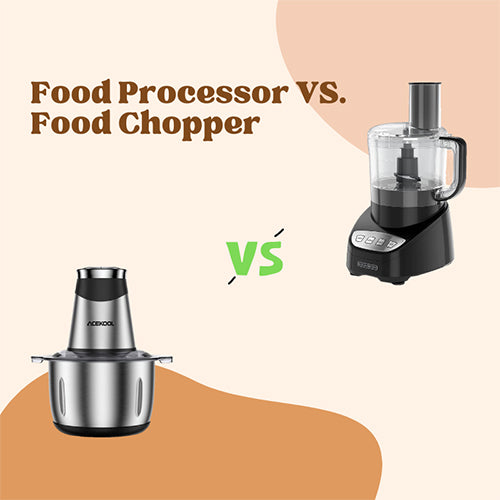
Quick overview: food processor vs chopper
A food processor is a multiuse appliance built for mixing, slicing, shredding, kneading, and chopping larger volumes. A chopper is a compact tool made mainly for quick, small chopping tasks like herbs, nuts, and onions. When people ask what is the difference between food processor and chopper, they usually mean differences in size, power, and the range of tasks each can do.
Food processors have more attachments and higher motor power. Choppers are simpler, faster to use, and take up less space. Both have a place in a busy kitchen. Use a food processor for bigger jobs and a chopper for everyday small prep.

Key differences explained
Here are the main ways to tell the two apart when asking what is the difference between food processor and chopper:
- Size and capacity: Food processors are larger with bowls that hold 3 to 14 cups. Choppers are compact, often under 3 cups.
- Power and motor: Food processors use stronger motors for harder tasks. Choppers have smaller motors or sometimes manual pull cords.
- Function range: Food processors slice, shred, knead, puree, and chop. Choppers mainly chop and mince.
- Blade complexity: Food processors include multiple blades and discs. Choppers usually have one or two simple blades.
- Ease of cleaning: Choppers are quicker to clean. Food processors have more parts to wash.
When you want to answer what is the difference between food processor and chopper, think of food processors as multi-tools and choppers as quick helpers.
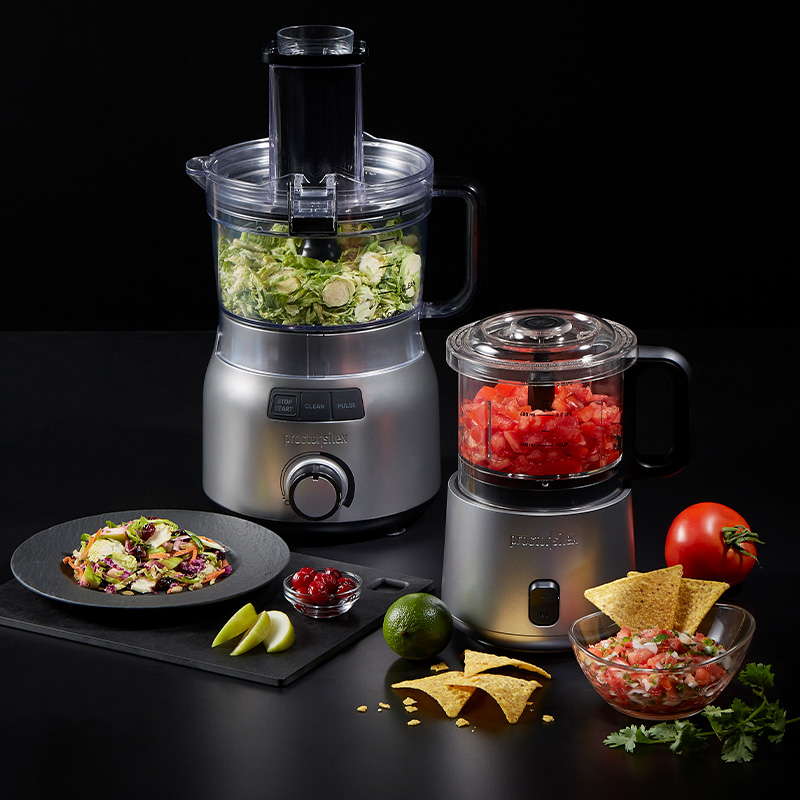
Performance and common tasks
Knowing what each appliance does best helps you match it to recipes. Here’s how they perform on everyday jobs.
- Chopping herbs and nuts: Choppers win for speed and control.
- Making dough or batter: Food processors handle kneading and mixing well.
- Slicing and shredding vegetables: Food processors and their discs are designed for these tasks.
- Making chunky salsa or pesto: Both can do it, but choppers give more control for small batches.
- Pureeing soups or sauces: Food processors give smoother results with larger volumes.
If you ask what is the difference between food processor and chopper for a specific task, choose the tool that matches the volume and texture you need.

Size, power, and capacity: practical considerations
Choose based on kitchen space and the amount you cook. These short tips help.
- Small kitchens and quick tasks: Pick a chopper. It uses less counter and storage space.
- Large families or meal prep: Opt for a food processor. It saves time on big batches.
- Power needs: For tough jobs like crushing ice or kneading, a powerful food processor is safer and faster.
- Noise and energy: Choppers often run quieter and use less energy.
Ask yourself how often you make big batches. That helps answer what is the difference between food processor and chopper in your life.

Blades, speed, and control
Blade design and speed options change results. Here’s what to look for.
- Interchangeable blades: Food processors have discs for slicing and shredding. This adds versatility.
- Fixed blade choppers: Most choppers have fixed multi-level blades for quick cuts.
- Pulse control: Both tools can pulse. Pulsing gives coarse or fine control.
- Speed settings: Multiple speeds on a food processor let you fine-tune textures.
If texture matters, test both tools on your favorite recipes. That will make the difference between a great dish and a so-so one when you compare what is the difference between food processor and chopper.
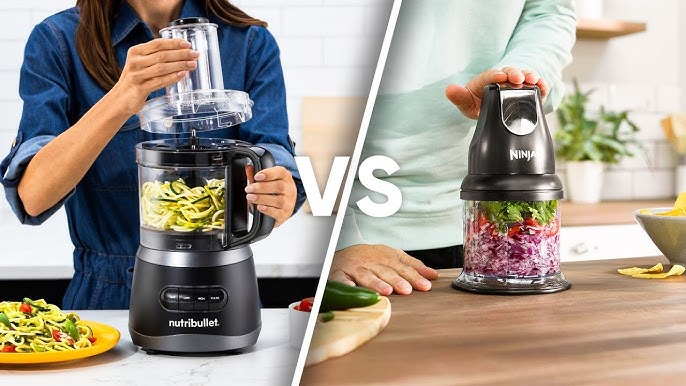
Cleaning, storage, and maintenance
How easy each appliance is to care for affects daily use.
- Dishwasher-safe parts: Many food processors have dishwasher parts, but some attachments may need hand washing.
- Few parts to wash: Choppers usually have fewer pieces and clean fast.
- Storage: Food processor discs need space. Choppers can tuck into a cupboard.
- Wear and tear: Blades dull over time. Replace blades if the cut degrades.
I learned this the hard way: a neglected blade makes even the best device perform poorly. Regular care keeps both tools working well.
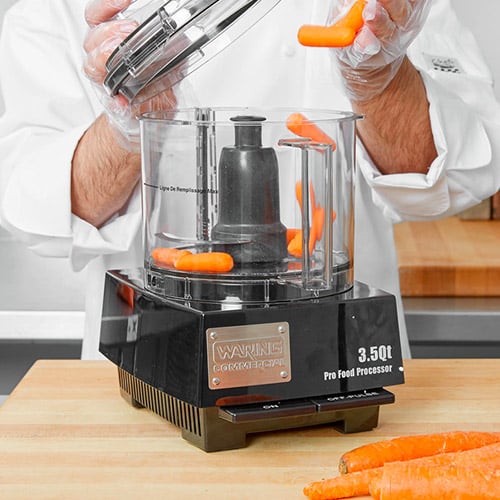
How to choose the right one for you
Answer these simple questions to decide which to buy.
- What volume do you cook? Use a chopper for small daily prep and a food processor for bulk cooking.
- What tasks do you perform most? Choose the appliance that matches your top tasks first.
- How much space do you have? Pick a compact chopper for small kitchens.
- What’s your budget? Choppers are often cheaper; food processors cost more but do more.
If you still feel unsure, choose a mid-size food processor. It covers most needs and lasts longer. That helps resolve many questions about what is the difference between food processor and chopper in practical terms.

Real-life tips and personal experience
I’ve cooked in small apartments and large family homes. Here are honest tips from that experience.
- When I lived alone, I used a small chopper every day. It made quick work of salads and salsas.
- When I cooked for six, a food processor saved hours on prep. It shredded cabbage and kneaded dough fast.
- Don’t overprocess: For chunky textures, use short pulses. I ruined a pesto by letting a food processor run too long.
- If you can only buy one tool: get the food processor if space and budget allow. It is more flexible.
- Keep both if you can: a chopper for quick jobs and a food processor for heavy work is the best combo.
These lessons shape a clear answer to what is the difference between food processor and chopper and how that difference affects real cooking.

Pros and cons summary
A short comparison to help decide.
- Food processor pros
- Handles many tasks
- Large capacity saves time on big batches
- Multiple blades and discs for varied results
- Food processor cons
- More expensive
- Takes more storage and cleaning time
- Chopper pros
- Fast for small jobs
- Compact and easy to clean
- Affordable
- Chopper cons
- Limited functions
- Not ideal for dough or slicing discs
Think about how you cook daily to pick the right tool. That directly answers what is the difference between food processor and chopper for your needs.
Frequently Asked Questions of what is the difference between food processor and chopper
What is the main functional difference between a food processor and a chopper?
The main difference is versatility versus simplicity. A food processor does many jobs like slicing and kneading; a chopper focuses on quick chopping and mincing.
Can a chopper replace a food processor for most recipes?
Not usually. A chopper handles small batches well but lacks the power and attachments for slicing, shredding, or kneading large jobs.
Is a food processor harder to clean than a chopper?
Yes. Food processors have more parts and attachments that may need separate cleaning, while choppers have fewer pieces and clean faster.
Which is better for small kitchens: a food processor or a chopper?
A chopper is generally better for small kitchens because it is compact, lighter, and easier to store.
Can I make dough in a chopper instead of a food processor?
Most choppers lack the motor power and capacity to knead dough well, so a food processor is the better choice for dough tasks.
Conclusion
Choosing between a food processor and a chopper comes down to volume, tasks, and space. If you prepare large meals, knead dough, or want many functions, a food processor is worth it. If you need quick, daily chopping for herbs, nuts, and small veggies, a chopper is fast and convenient. Try to match the tool to your biggest cooking needs and budget. Ready to test one in your kitchen? Share your choice, ask a question, or subscribe for more gear guides and recipes.
