
A food processor chops, mixes, and kneads; a juicer extracts liquid and leaves pulp behind.
I have worked with kitchen gear for years and tested many models. I will explain what is the difference between food processor and juicer in simple terms. You will learn how each machine works, what each one is best for, and how to pick the right tool for your kitchen. This guide mixes research, real tests, and plain advice so you can decide wisely.

How a food processor and a juicer differ: core functions
A clear view helps you choose. A food processor handles solid foods. It chops, slices, grates, mixes, and can even knead dough. A juicer extracts liquid from fruits and vegetables. It separates juice from pulp and fiber.
When people ask what is the difference between food processor and juicer, they often mean purpose. A food processor makes whole-food textures. A juicer gives you drinkable liquid. Know your goal and the rest is easy.
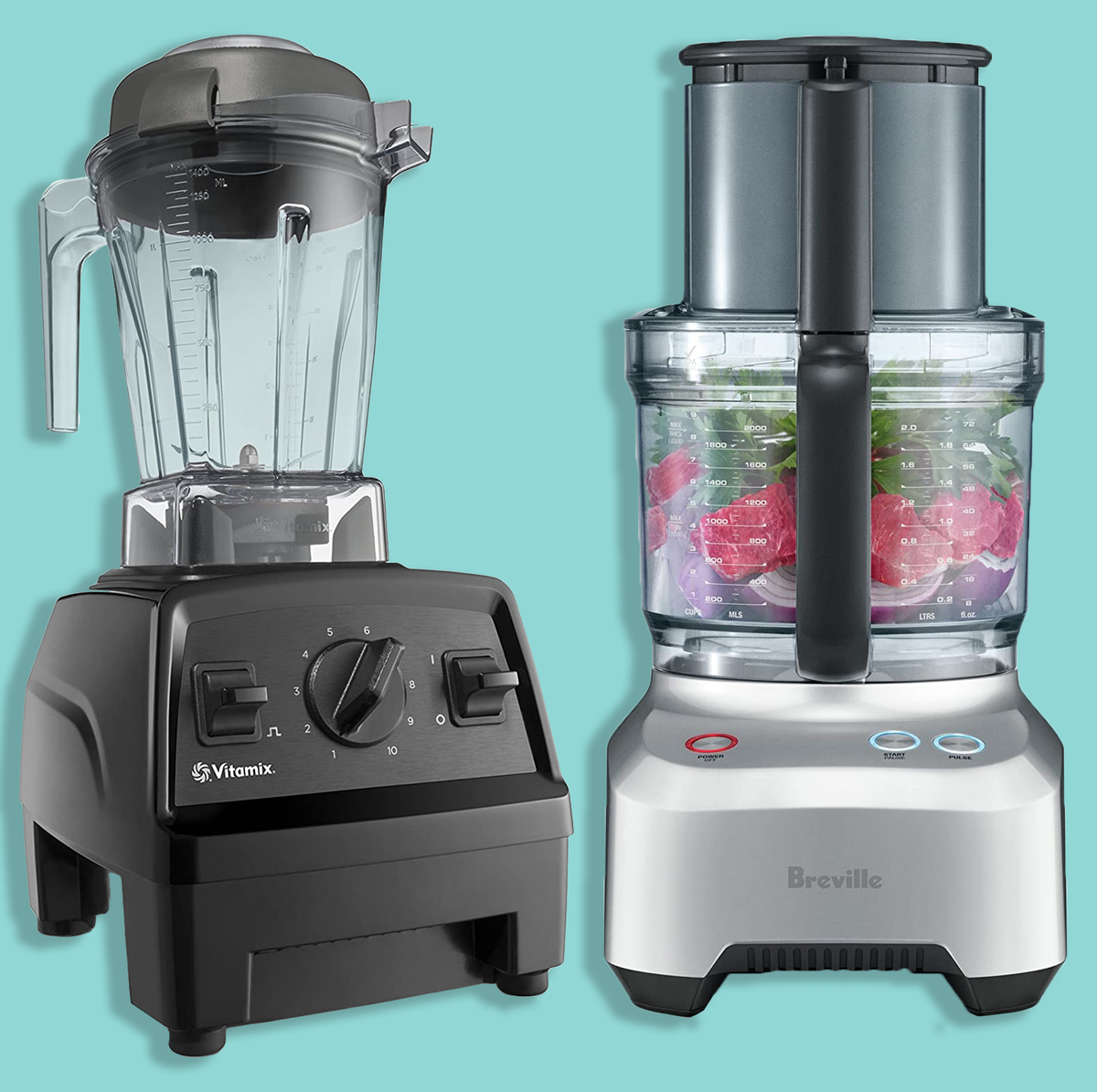
How each machine works
- Uses sharp blades and a shredding disc to cut and mix.
- Works with solids like vegetables, nuts, cheese, and dough.
- Keeps fiber and pulp in the final mix.
Juicer
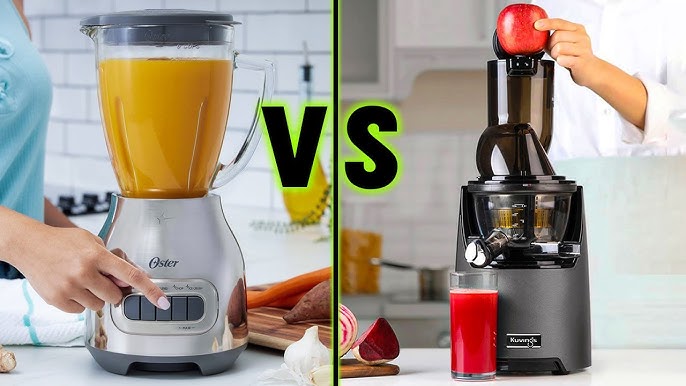
- Uses a centrifugal or masticating mechanism to separate juice.
- Removes most fiber and returns dry pulp.
- Produces a smooth liquid for drinking or recipes.
Understanding what is the difference between food processor and juicer means understanding their build. Centrifugal juicers spin fast. They are quick and suited for hard fruits and vegetables. Masticating juicers press slowly. They keep more nutrients intact but take longer. Food processors use steady blade action for texture control.

What each machine is best for
Food processor is best for:
- Making salsas, dips, and nut butters with texture.
- Chopping vegetables quickly for soups and stews.
- Mixing dough and shredding cheese.
Juicer is best for:
- Making fresh fruit and vegetable juices.
- Creating clear liquid drinks for quick nutrient boosts.
- Preparing juice shots and cleanses.
If you wonder what is the difference between food processor and juicer for daily use, think of meals. Use a food processor for cooking prep and solid recipes. Use a juicer when you want fresh drinkable nutrients without chewable fiber.
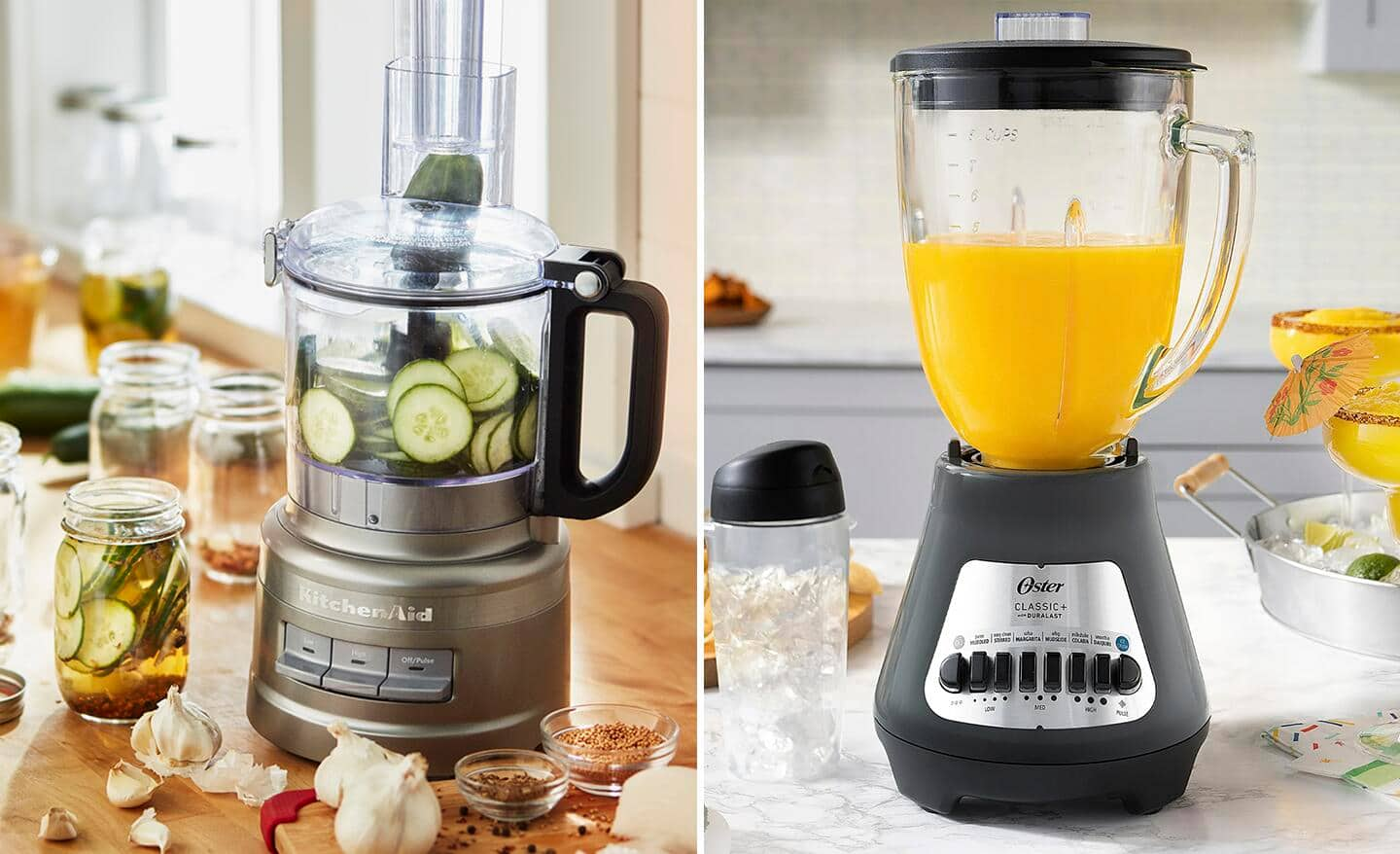
Nutritional differences and food value
Juice removes most fiber. That makes vitamins and minerals quick to absorb. But you lose fiber, which aids digestion and slows sugar spikes. A food processor keeps fiber and whole-food structure. Whole fruits and vegetables make fuller dishes and help satiety.
Research and nutrition guidance suggest balancing both. Juice can boost certain nutrients quickly. Whole-food blends keep you full longer and support gut health. When you consider what is the difference between food processor and juicer for nutrition, think: fast nutrients versus full-food value.
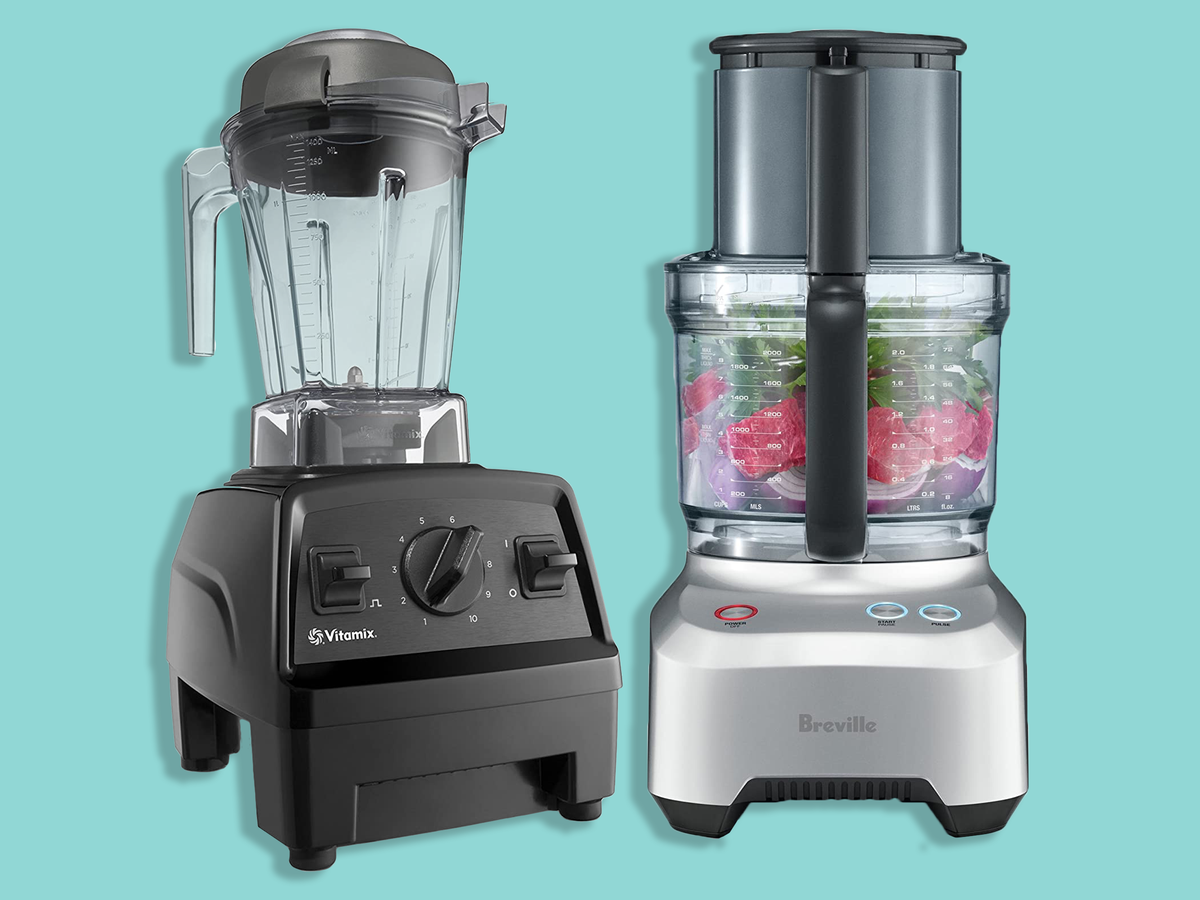
Practical buying and use tips
Decide first what you plan to make. If you want soups, dough, and sauces, pick a food processor. If you want daily fresh juice, pick a juicer. Consider these points when buying:
- Counter space: Food processors often take less vertical space.
- Noise: Centrifugal juicers are louder than most food processors.
- Speed: Centrifugal juice is fast; masticating juice is slower.
- Cleanup: Simple designs mean faster cleaning. More parts slow you down.
- Budget: Basic food processors and centrifugal juicers start at low cost. High-end models cost more.
From my experience, a good mid-range food processor handles most kitchen tasks. I bought a masticating juicer later for morning green juices. Combining both gave flexible results, but most kitchens do fine with one well-chosen machine.
Maintenance, cleaning, and safety
Cleaning matters for taste and health. Food processors usually have more removable parts. Wash blades carefully. Store blades safely to avoid cuts.
Juicers have strainers and pulp bins. Clean them right away to avoid stains and odors. Use a brush to remove trapped bits.
Safety tips
- Unplug before changing blades or parts.
- Keep hands away from moving blades.
- Replace worn seals and screens to keep machines safe.
Real-world tip: I learned to clean a juicer within ten minutes after use. Letting pulp dry made cleaning much harder. That simple habit reduces wear and keeps juice tasting fresh.
:max_bytes(150000):strip_icc()/Cuisinart-Vs-Vitamix-7fe65962cd9e475f960402240a580a0a.png)
Frequently Asked Questions of what is the difference between food processor and juicer
What is the main difference between a food processor and a juicer?
The main difference is function. A food processor processes solids and keeps fiber. A juicer extracts liquid and separates pulp.
Can a food processor make juice?
A food processor cannot truly extract juice. It blends solids and keeps fiber, so you get puree, not filtered juice.
Which is better for weight loss: food processor recipes or juicing?
Both can support weight loss when used wisely. Juices provide low-fiber nutrients quickly; whole foods from a food processor offer more fullness and longer satiety.
Are masticating juicers better than centrifugal ones?
Masticating juicers extract more nutrients and yield drier pulp but are slower. Centrifugal juicers are faster and easier for quick juices.
Can a juicer replace a blender or food processor?
No. A juicer focuses on liquid extraction. A blender or food processor creates texture and keeps fiber, which juicers remove.
Conclusion
Knowing what is the difference between food processor and juicer helps you buy less and use more. Food processors work with solids, keep fiber, and make meals. Juicers give quick liquid nutrition and remove pulp. Choose the machine that fits your goals, kitchen space, and daily habits.
Try this action: list three recipes you make weekly. If two need texture, get a food processor. If two need fresh drinks, get a juicer. Share your choice or questions below, or subscribe for hands-on reviews and tips.
