
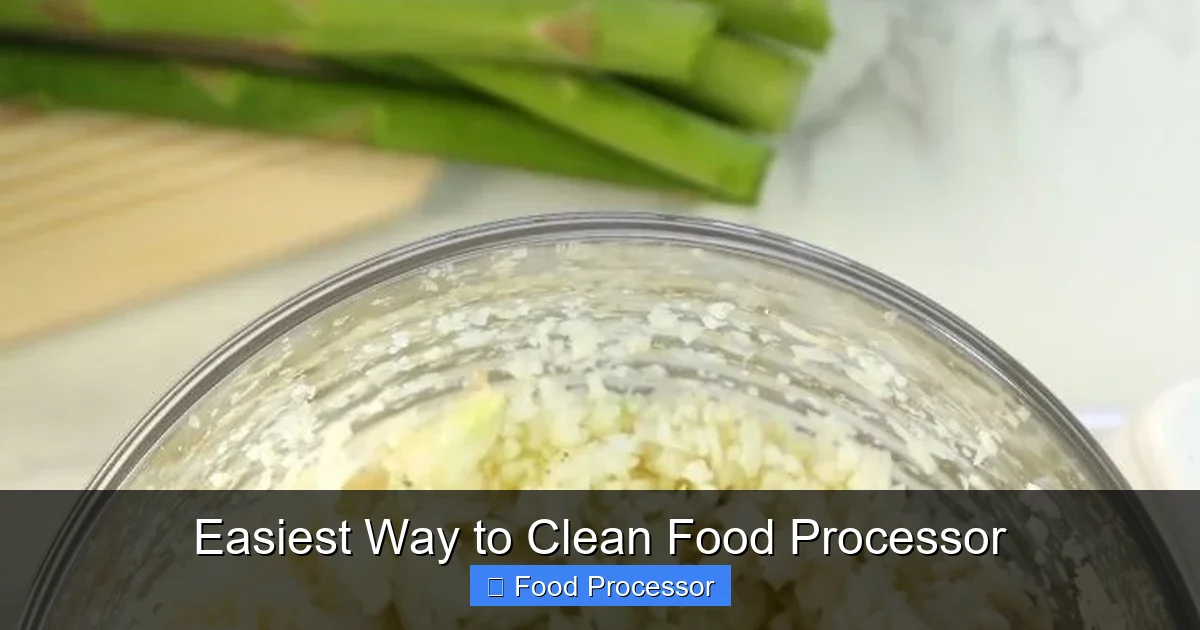
Cleaning your food processor doesn’t have to be a chore! This guide reveals the easiest way to clean food processor components, from quick rinses to tackling tough grime. You’ll learn simple, effective methods to keep your appliance sparkling, hygienic, and ready for its next culinary adventure, ensuring its longevity and optimal performance. Say goodbye to sticky residue and lingering odors with our practical, step-by-step advice.
Easiest Way to Clean Food Processor
A food processor is a true kitchen workhorse, helping us chop, slice, shred, and purée ingredients in a flash. From preparing vegetables for a stir-fry to whipping up hummus, it makes cooking so much easier. But let’s be honest, the thought of cleaning all those nooks, crannies, and sharp blades can sometimes make you hesitate before reaching for it. You’re not alone! Many home cooks wonder about the most efficient and the easiest way to clean food processor parts quickly and thoroughly.
Don’t let cleaning anxiety stop you from enjoying the many advantages of a food processor. A clean appliance isn’t just about hygiene; it’s about maintaining its performance, extending its lifespan, and making sure your next meal tastes exactly as it should, without any lingering flavors from the last one. In this comprehensive guide, we’re going to walk you through the simplest and most effective methods to clean your food processor, from a quick post-use rinse to a deep scrub for those stubborn messes. We’ll cover everything you need to know to keep your machine sparkling clean and ready for action.
Key Takeaways
- Act Immediately: The absolute easiest way to clean a food processor is to address spills and residue as soon as you’re done using it, before food dries and hardens.
- Safety First: Always unplug your food processor and handle sharp blades with extreme caution, using gloves or a brush for protection.
- The Soapy Water Method: For a quick clean, fill the bowl with warm, soapy water, pulse briefly, then rinse and dry. This often tackles most fresh messes effectively.
- Disassemble Completely: For a thorough clean, take apart all removable parts (bowl, lid, pusher, blades, discs) to ensure no food particles are left hiding in crevices.
- Target Stubborn Issues: Use baking soda for odors, vinegar for hard water spots, and a paste of baking soda and water for caked-on food or stains.
- Thorough Drying is Crucial: Allow all parts to air dry completely or dry by hand to prevent water spots, mildew, and potential rust on metal components.
- Regular Maintenance: Consistent, immediate cleaning after each use will prevent build-up, extend the life of your appliance, and ensure hygiene.
Step 1: Prioritize Safety and Immediate Action
The very first rule of cleaning your food processor is always, always safety. And the second is speed. Addressing the mess right after use is the true secret to finding the easiest way to clean your food processor.
Unplug the Unit Immediately
Before you even think about touching the blades or removing any components, make sure your food processor is completely unplugged from the power outlet. This is non-negotiable. An accidental switch-on could lead to serious injury. Think of it as the golden rule of kitchen appliance cleaning.
Scrape Out Excess Food Promptly
Don’t let food dry on. As soon as you’re done processing, use a rubber spatula or a silicone scraper to get as much food residue out of the bowl as possible. The less food that dries onto the surfaces, the easier your cleaning job will be. This quick scrape prevents hard-to-remove, caked-on bits later.
Step 2: The Quick Rinse Method for Fresh Messes
This method is your best friend for everyday cleaning, especially if you’ve just been chopping vegetables or mixing something non-sticky. It’s often the easiest way to clean food processor quickly after light use.
Disassemble Carefully
Once unplugged and scraped, carefully remove the lid, the pusher, and then the blade or disc. Always handle the blade by its central hub, never by the sharp edges. Place the blade or disc in a safe spot, preferably in a sink basin dedicated just for washing, away from where you might accidentally grab it.
The Soapy Water Pulse Technique
This is a fantastic hack for quick cleaning. Fill the food processor bowl about halfway with warm water. Add a drop or two of dish soap. Re-attach the lid (without the blade, if your model allows for pulsing with just water, or with the blade if it’s safe to do so for a very short duration – always check your manual). Pulse the food processor for about 10-20 seconds. The soapy water swishing around will dislodge most fresh food particles.
Rinse and Air Dry
Pour out the soapy water. Rinse the bowl, lid, and pusher thoroughly under running water. For the blade, carefully rinse it under running water, being mindful of its sharpness. If possible, let all components air dry completely on a drying rack. Air drying helps prevent water spots and ensures every part is completely dry before storage, which is crucial for hygiene and preventing mildew.
Step 3: Deep Cleaning for Stubborn Grime and Odors
Sometimes, a quick rinse isn’t enough, especially after processing sticky dough, oily ingredients, or foods with strong odors (like garlic or onions). This is when you’ll need to roll up your sleeves for a more thorough clean.
Full Disassembly and Hand Washing
For a deep clean, fully disassemble all removable parts: the bowl, the lid, the food pusher, and any blades or discs you used. Lay them out in your sink.
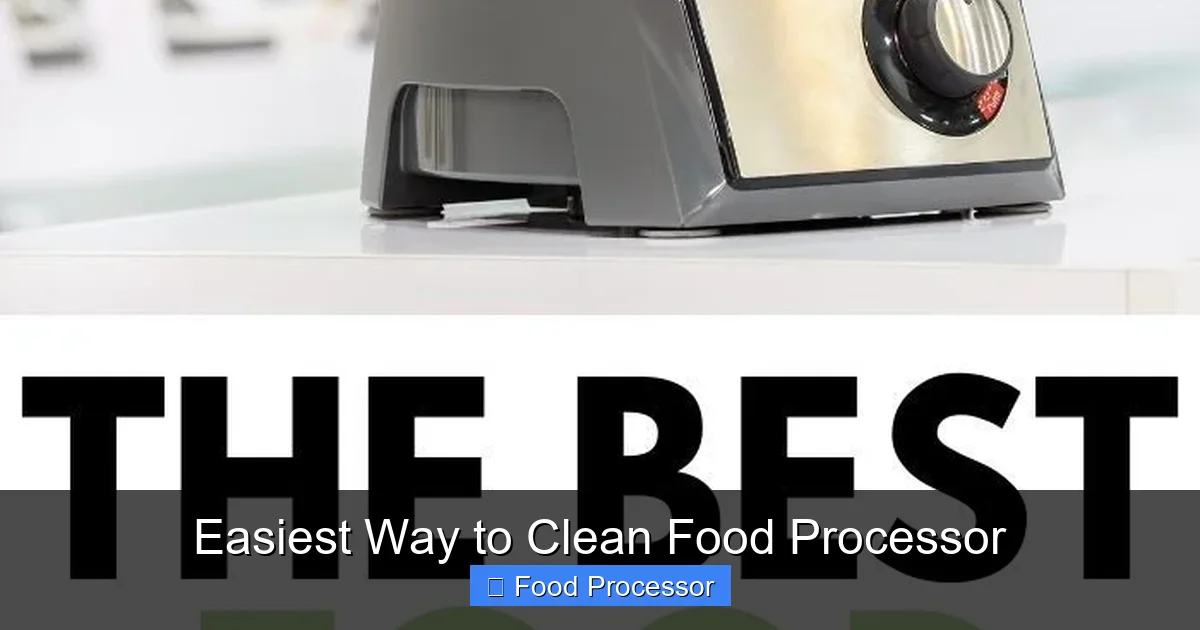
Visual guide about Easiest Way to Clean Food Processor
Image source: pantryescapades.com
Wash Bowl and Lid
Using warm, soapy water and a non-abrasive sponge or brush, scrub the inside and outside of the food processor bowl and lid. Pay special attention to any grooves, seals, or crevices where food might accumulate. Many food processor bowls and lids are dishwasher-safe, but hand washing is often more effective for stubborn residues and gives you better control over cleaning intricate areas. If you’re wondering how to assemble food processor step by step, remember that knowing its parts will make cleaning and reassembly easier.
Clean Blades and Discs Safely
This is the most critical part. Fill a small bowl with warm, soapy water. Using a long-handled brush (a bottle brush or a dedicated cleaning brush works wonders) or a sponge with a handle, scrub the blade assembly and discs. Never use your bare hands to wipe the sharp edges directly. Consider wearing cut-resistant gloves for extra protection. Some blades also have small holes or crevices where food can hide; make sure these are thoroughly cleaned. For shredding tasks, like when you use a food processor to shred cabbage or cheese, fine bits can stick to the blades, so extra attention here is key.
Don’t Forget the Food Pusher
The food pusher often gets overlooked. Wash it thoroughly with soap and water, especially if it came into contact with food.
Tackling the Motor Base
The motor base should never be submerged in water. It contains electrical components. If it gets dirty, simply wipe it down.
Wipe with a Damp Cloth
Unplug the unit. Dampen a cloth with warm, soapy water, wring it out well, and gently wipe down the exterior of the motor base. Pay attention to buttons and seams where spills might have occurred.
Dry Thoroughly
Immediately follow up with a dry cloth to ensure no moisture lingers on the electrical components. Never use abrasive cleaners or scourers on the motor base, as they can damage the finish.
Step 4: Conquering Stubborn Stains and Lingering Odors
Even with thorough cleaning, some foods can leave behind persistent stains or smells. Here’s how to tackle them.
For Stains (Tomato Sauce, Carrots, etc.)
Food processors, especially those with plastic components, can sometimes get stained by vibrant foods like tomato sauce, carrots, or turmeric.
Baking Soda Paste
Mix baking soda with a little water to form a thick paste. Apply the paste to the stained areas and let it sit for 15-30 minutes, or even a few hours for very stubborn stains. Then, scrub with a non-abrasive brush or sponge and rinse thoroughly. Baking soda is a gentle abrasive and deodorizer.
Lemon Juice or Vinegar Solution
For lighter stains, particularly those caused by hard water, a solution of equal parts white vinegar and water can work wonders. Soak the stained parts (excluding the motor base) for 15-30 minutes, then scrub and rinse. For plastic bowls, rubbing half a lemon directly on the stain can also help brighten them. The citric acid acts as a natural bleaching agent.
Sunlight Treatment (for plastic)
Believe it or not, sunlight can be a natural bleacher for plastic stains. After cleaning, place the stained plastic parts (bowl, lid) outdoors in direct sunlight for a few hours. The UV rays can help fade the discoloration. Ensure they are clean first, and watch out for wind! This is often the easiest way to clean food processor plastic stains naturally.
For Lingering Odors (Garlic, Onion, Fish)
Nasty smells can cling to plastic food processor parts.
Baking Soda Soak
Fill the bowl with warm water and add a few tablespoons of baking soda. Let it soak overnight. Baking soda is excellent at absorbing odors. Rinse well in the morning.
Lemon Rind and Water Pulse
Put a few lemon rinds (or orange peels) and some water into the food processor bowl. Pulse for about 30 seconds. The citrus oils help neutralize odors. Rinse thoroughly afterward. You can even add a splash of white vinegar to this mixture for extra deodorizing power.
Activated Charcoal
For very stubborn odors, place a small piece of activated charcoal (available at pet stores or health food stores) inside the dry food processor bowl, put the lid on, and leave it overnight or for a few days. Activated charcoal is a powerful odor absorber.
Step 5: Thorough Drying and Proper Storage
Proper drying is just as important as washing. Neglecting this step can lead to mildew, unpleasant smells, or even rust on metal parts.
Air Dry Completely
The best method is to let all disassembled parts air dry on a drying rack. Place them so that water can drain completely. Ensure there are no water droplets hiding in crevices or under gaskets. This might take several hours, or even overnight.
Hand Dry for Immediate Use
If you need your food processor right away, use a clean, lint-free towel to meticulously dry every part. Again, pay close attention to tight spots, blade hubs, and sealing rings. A microfiber cloth works well for this.
Store Disassembled or Loosely
Once everything is bone dry, you can reassemble your food processor. However, to allow for maximum air circulation and prevent any residual moisture from becoming an issue, some people prefer to store the lid and bowl slightly ajar, or even store the parts separately. When you think about what to consider when buying a food processor, ease of cleaning and drying for storage should definitely be on your list.
Troubleshooting Common Cleaning Issues
Even with the best intentions, you might run into a few common food processor cleaning problems.
Cloudy Plastic Bowls/Lids
This is often due to hard water deposits or etching from harsh detergents.
- Solution: Soak the cloudy parts in a solution of equal parts white vinegar and water for 30-60 minutes. The vinegar will help dissolve mineral deposits. Scrub gently and rinse thoroughly. For prevention, always rinse immediately after use and consider hand washing with a gentle soap.
Rust Spots on Blades
Usually, this occurs if blades are left wet or are exposed to certain chemicals.
- Solution: For minor rust, make a paste of baking soda and a little water. Apply it to the rust spot and let it sit for an hour. Scrub with a non-abrasive brush. Lemon juice can also help. Rinse and dry immediately. To prevent, always dry blades thoroughly after washing.
Food Stuck in Small Crevices (e.g., under gaskets)
Some food processors have removable gaskets or rubber seals.
- Solution: If possible, carefully remove gaskets from the lid or bowl according to your manufacturer’s instructions. Wash them separately with a small brush or even a toothpick for tiny gaps. Reinsert them correctly once clean and dry.
Tips for Easy Maintenance
Making cleaning a habit will ensure your food processor is always ready and lasts longer.
- Clean Immediately: We can’t stress this enough. The fastest and easiest way to clean food processor parts is right after you use them.
- Pre-rinse: Even if you can’t do a full wash right away, a quick rinse under running water can prevent food from drying on.
- Use a Bottle Brush: A dedicated bottle brush or a brush with stiff bristles is invaluable for reaching into nooks and crannies and safely cleaning blades.
- Check Your Manual: Always refer to your food processor’s instruction manual for specific cleaning recommendations, especially regarding dishwasher safety for various parts.
- Consider a Bigger Model: If you frequently process large batches, a bigger food processor might make cleaning easier as there’s more space to maneuver. For tips on choosing the right size, check out our guide on how to choose the right size food processor.
Conclusion
Cleaning your food processor doesn’t have to be a dreaded task. By following these simple steps – prioritizing safety, acting quickly, using the right techniques for different levels of mess, and addressing specific issues – you can ensure your versatile kitchen appliance remains spotless and functional for years to come. Remember, a clean food processor is a happy food processor, ready to help you create countless delicious meals with ease. Now you know the easiest way to clean food processor components effectively, so go forth and process with confidence!
