
A food processor chops, mixes, and dices; a grinder crushes, powders, or makes pastes.
I’ve worked with home cooks, product testers, and pros who ask what is the difference between food processor and grinder every week. I know the machines, the parts, and the jobs they do best. Read on for a clear, practical guide that explains what is the difference between food processor and grinder, when to use each, and tips to pick the right tool for your kitchen.

Core functional differences: what each tool is built to do
A food processor is made to cut, slice, shred, knead, and mix. It works with blunt force and spinning blades to change shape and size. A grinder breaks down hard or fibrous items into finer textures, powders, or pastes by grinding action. Understanding what is the difference between food processor and grinder helps you match the tool to the task and save time.
Key points at a glance
- Food processor: versatile for chopping, slicing, shredding, and mixing dough. Great for prep work.
- Grinder: designed for hard items like spices, coffee, or meat into fine results. Good for texture control.
- Overlap exists: some food processors can grind soft or small amounts, and some grinders have attachments for coarse chopping.
I’ve used both in test kitchens. I learned that forcing a grinder to do heavy slicing or a food processor to make very fine powder usually gives poor results. Knowing what is the difference between food processor and grinder avoids frustration and wasted food.

How food processors and grinders work — mechanics and motion
Food processors use a wide bowl and flat, sharp or blunt blades that rotate horizontally. The blades cut in large swaths. They rely on speed and blade shape for texture. Grinders use burrs, plates, or high-pressure blades that crush or shear material into smaller particles. The motion in a grinder is usually grinding, pressing, or hammering.
Common mechanisms
- S-blade in food processors: chops, purees, and mixes.
- Shredding discs: slice or grate food quickly.
- Burr grinders: crush beans or spices between two surfaces for uniform particles.
- Blade grinders: high-speed impact for quick processing, like coffee or nuts.
If you ask what is the difference between food processor and grinder in mechanical terms, it’s mostly about blade geometry and pressure. That decides whether the machine slices, mixes, or reduces to powder.

Best uses: when to choose a food processor vs grinder
Choosing right saves time. Use a food processor when you need:
- Chopped vegetables for salsa or salads.
- Dough kneading or batter mixing.
- Slicing and shredding for salads and slaws.
Choose a grinder when you want:
- A fine powder from spices or coffee.
- Ground meat for burgers and kebabs.
- Pastes like nut butter or tahini with a smooth texture.
For readers wondering what is the difference between food processor and grinder in real cooking: I use a food processor for prepping weeknight meals and a grinder for fresh coffee and spice blends. Each shines at specific tasks.
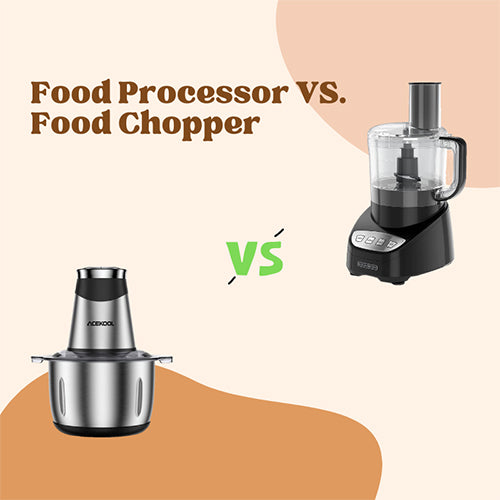
Design, blades, power, and capacity differences
Design affects performance. Food processors often have a large bowl and multiple discs. Grinders are smaller or use a hopper for feeding. Power and RPM also vary. Food processors run at medium speeds with torque. Grinders may run faster or use pressure for finer results.
What to check before buying
- Motor wattage: higher wattage for heavy tasks.
- Blade types: S-blade, dough blade, discs for a food processor.
- Burr vs blade: burr units give consistent grind; blade units are quicker but less uniform.
- Capacity: large bowls for batch prep; small grinders for quick spice or coffee jobs.
Understanding what is the difference between food processor and grinder helps you match motor and parts to your usual tasks. In my tests, a weak motor in a food processor struggled with dough. A small grinder choked on wet mixes.

Maintenance, cleaning, and safety
Cleaning matters. Food processor bowls and discs are larger and may be dishwasher-safe. Grinders can trap oils and fine dust. Both need regular cleaning to avoid cross-contamination of flavors.
Simple care tips
- Disassemble and wash parts after each use.
- Use a brush to remove trapped particles in grinders.
- Dry burrs and blades fully to avoid rust.
- Never put hands near a running blade. Always unplug before cleaning.
If you’re comparing what is the difference between food processor and grinder for hygiene, grinders need extra care when used for oily nuts or meat. I once left a grinder uncleaned and the stale smell stayed for weeks — lesson learned.

Buying guide and practical tips — pick what fits your kitchen
Decide by task, not brand. Ask yourself what you make most. If you prep vegetables, shred cheese, and knead dough often, a food processor is your best buy. If you grind beans, spices, or make fine meat mince, choose a grinder.
Steps to choose
- List your main tasks first.
- Check wattage and build quality.
- Read user reviews on durability.
- Consider warranty and spare parts.
From experience, buying a versatile food processor that offers a strong motor and multiple blades served me well for daily cooking. For coffee and spice quality, a dedicated grinder was worth the extra cost. Knowing what is the difference between food processor and grinder saved me money and kitchen frustration.

Frequently Asked Questions of what is the difference between food processor and grinder
What is the main difference between a food processor and a grinder?
A food processor chops, slices, grates, and mixes using blades and discs. A grinder crushes or powders items using burrs or high-pressure contact for finer textures.
Can a food processor grind coffee or spices?
A food processor can coarsely chop spices or coffee, but it won’t deliver the uniform grind that a dedicated grinder or burr mill provides.
Is a grinder good for making nut butter?
Some grinders can make nut butter, but they must handle oil and heat. A heavy-duty grinder or a strong food processor designed for nut butters is usually best.
Which is easier to clean: food processor or grinder?
Food processors generally have larger, removable parts that may be dishwasher-safe. Grinders often have small crevices and need a brush and careful cleaning.
Can I use a grinder instead of a food processor for dough?
No. Grinders are not suited for kneading dough. Food processors are designed to mix and knead dough without overworking the motor.
Conclusion
A food processor and a grinder serve different kitchen roles. The food processor is a multi-task prep machine. The grinder gives finer, uniform results for dry or dense items. Knowing what is the difference between food processor and grinder helps you pick the right tool and get better results with less effort. Try matching the machine to your regular recipes. If you cook often, invest in both or pick the one that fits your top tasks. Share your kitchen wins or questions below, or subscribe for more practical buying and cooking tips.
