
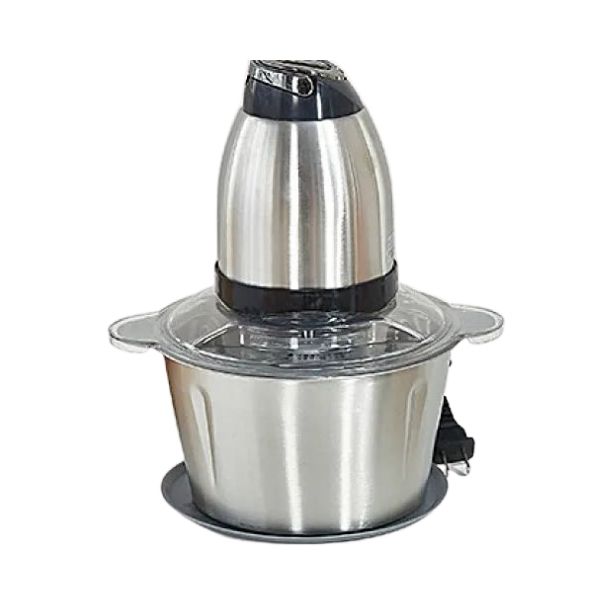
A food processor chops, slices, and purees; a yam pounder crushes and smooths boiled yam into fufu.
I have used both machines and traditional pestle for years, so I know how they differ in feel, outcome, and speed. This article breaks down what is the difference between food processor and yam pounder in plain terms. You will learn how each tool works, when to use one over the other, cost and care tips, and real-life advice from hands-on experience. Read on if you want a clear, practical guide to choose the right tool for making yam dishes and more.
Key differences at a glance
A quick look helps you decide fast. Below are the core contrasts between a food processor and a yam pounder.
- Purpose: Food processors handle many kitchen tasks; yam pounders focus on pounding boiled yam into a smooth, elastic paste.
- Action: Food processors use blades and high-speed rotation; yam pounders use pounding or heavy kneading motion.
- Texture outcome: Food processors can puree or chop; yam pounders give a chewy, stretchable texture ideal for fufu.
- Skill and tradition: Yam pounders preserve traditional texture and flavor; food processors are modern and faster.
- Versatility: Food processors are multi-use; yam pounders are specialized.

Design and how each tool works
Understanding mechanics helps explain the different results.
A food processor has sharp blades in a rotating bowl. It cuts, grinds, and purees. You control speed and pulse. It is electric and fast. If you’re curious about what else a food processor can do beyond yam, check out this guide on what a food processor is used for.
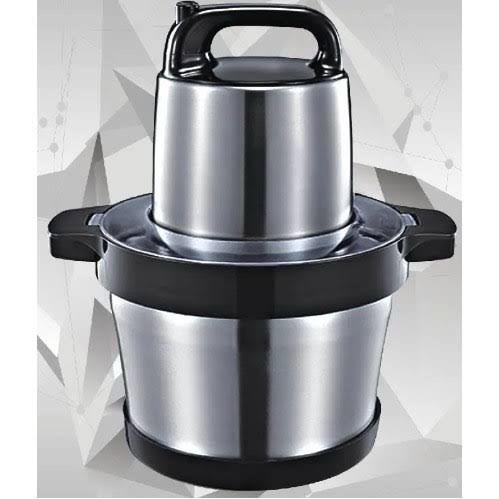
A yam pounder can be manual or motorized. Manual pounders use a heavy wooden pestle and mortar. Motorized yam pounders mimic the pounding motion with a spinning or hammering action. The motion stretches yam fibers rather than just cutting them. This stretching creates the classic fufu texture.

Texture and culinary outcomes
Texture is where the difference is most obvious.
Food processors puree and can overwork yam into a dense, gluey paste if misused. They are best for smooth purees and batters. Yam pounders give a light, airy, elastic texture. The pounding action incorporates air and aligns starch fibers, making the fufu stretch and pull. If your recipe asks for authentic chew and stretch, a yam pounder usually wins.
/product/27/985659/1.jpg?4826)
Typical use cases and recipes
Choose based on the dish you want to prepare.
Food processor common uses:
- Vegetables: chopping and slicing.
- Sauces: pureeing tomatoes and peppers.
- Doughs: mixing small batches.
Yam pounder typical uses:
- Boiled yam: pounding for fufu or pounded yam.
- Starchy roots: preparing similar traditional staples.
- Large-batch pounding for family meals.
If you make many different dishes, the food processor is handy. If you often prepare traditional yam meals, a yam pounder preserves the expected texture. For those interested in maintaining kitchen efficiency, learning how to keep vegetables from getting mushy can help preserve ingredient quality during prep.

Cleaning, maintenance, and durability
Care matters for safety and long life.
Food processors have many removable parts. Most bowls and blades are dishwasher safe. Keep blades sharp and free of nicks. Motor bases need basic wiping.
Yam pounders have simpler parts if manual. Wooden mortars need oiling and full drying. Motorized yam pounders must be cleaned carefully to avoid water damage. Regular inspection and timely repairs make both last longer.
 availability, and space”
style=”max-width: 100%; height: auto; border: 2px solid black; border-radius: 10px; display: block; margin: 0 auto;”
loading=”lazy”
/>
availability, and space”
style=”max-width: 100%; height: auto; border: 2px solid black; border-radius: 10px; display: block; margin: 0 auto;”
loading=”lazy”
/>
Cost, availability, and space
Budget and kitchen space influence your choice.
Food processors range from budget to high-end. You can buy a basic model affordably. They are widely available in appliance stores.
Yam pounders, especially motorized ones, can be pricier and less common outside regions that use them traditionally. Manual mortar and pestle sets are inexpensive but take physical effort. Consider storage space too; food processors stack with attachments while a mortar may be bulky.

How to choose: practical checklist
Answer these quick questions to pick the right tool.
- Do you make many different dishes? If yes, pick a food processor.
- Do you need authentic fufu texture? If yes, choose a yam pounder.
- Is physical effort a concern? If yes, choose an electric option or a food processor.
- Do you have budget constraints? A manual mortar is cheapest; a basic food processor is cost-effective.
- How often will you use it? Frequent use justifies investing in a better model.

My hands-on experience and tips
I’ve tested both at home and in family kitchens. Here are honest lessons.
I used a food processor to speed up weekend cooking. It saved time for chopping and pureeing. But when I tried to make pounded yam in the processor, the result lacked stretch. The yam felt dense and sticky.
At a family gathering, we used a motorized yam pounder. The texture matched the traditional expectation. The sound and rhythm felt familiar and satisfying. My tip: if you try a food processor for yam, pulse gently and add hot water gradually. This can improve texture but rarely matches a proper yam pounder.
Avoid these mistakes:
- Over-blending yam in a food processor.
- Skimping on heat—yam must be properly cooked before pounding.
- Ignoring maintenance—wooden tools need care.

Safety and kitchen etiquette
Simple precautions keep meals safe and enjoyable.
- Always secure lids and bowls on food processors.
- Use protective gloves when handling sharp blades.
- For mortar and pestle, avoid cross-contamination by cleaning well between uses.
- Keep children away from loud motorized pounders during use.
Frequently Asked Questions of what is the difference between food processor and yam pounder
What is the difference between food processor and yam pounder in texture output?
A food processor chops or purees, which can make dense or smooth mixtures. A yam pounder stretches and aerates yam, giving an elastic, chewy texture preferred for fufu.
Can I use a food processor instead of a yam pounder?
Yes, in a pinch you can use a food processor, but the result may lack traditional stretch and mouthfeel. Gentle pulsing and hot water can help, but it rarely matches pounding.
Which tool is faster for preparing yam dishes?
A food processor is faster for general prep and small batches. A motorized yam pounder can be fast too, but manual pounding is slower and labor-intensive.
Are motorized yam pounders hard to clean?
They need careful cleaning to avoid water in the motor housing. Removable bowls and parts help, and following the maker’s instructions reduces risk.
Which is more versatile in the kitchen?
A food processor is more versatile. It handles chopping, shredding, slicing, and pureeing for many foods. A yam pounder is specialized for pounding starchy roots and similar traditional tasks.
Is there a big price difference between them?
Prices vary, but food processors have a wide range from budget to premium. Motorized yam pounders can be pricier and less common, while manual mortars and pestles are usually affordable.
Conclusion
Both tools have their place. A food processor brings speed and versatility to a modern kitchen. A yam pounder brings authentic texture and tradition to yam-based dishes. Decide by thinking about the dishes you cook, the texture you want, and your budget. Try both if you can. Test a small batch in a food processor, then compare with a pounded version to notice the difference.
Make a choice today that matches your cooking style. Share your experience or questions below, subscribe for more kitchen guides, or try a hands-on test to see which tool fits your table best.
